From Passive Consumers to Active Makers
Something notable happened in American households over the past several years: people started doing things again. Not just hobbies in the leisure sense, but purposeful skill-building - fixing leaky faucets, growing vegetables, fermenting kombucha, rewiring lamps. The impulse pre-dates the COVID-19 pandemic, but the disruptions of 2020 accelerated it sharply, stranding millions at home with both time and motivation to figure out how things work.
The trend reflects a broader unease with pure consumer dependency. When supply chains strained and service industries contracted, the gap between what people could do and what they needed to do became suddenly visible. Many Americans responded not with frustration, but with curiosity.
~$538B
U.S. home improvement market size
The home improvement and repair market has expanded substantially, reflecting both professional and DIY spending, according to industry analysts.
2x+
Increase in gardening participation
The National Gardening Association reported that millions of new households began gardening during 2020-2021, roughly doubling first-time participation rates.
Millions
New DIY video tutorial viewers
YouTube reported record-high search volumes for home repair, cooking, and crafting tutorials during 2020, with sustained growth in subsequent years.
This cultural shift connects to - and in some ways pushes back against - changing attitudes about work and productivity explored in our look at how Americans' relationship with work has fundamentally changed.
What the Data and Cultural Signals Show
Hardware retailers, seed suppliers, and fermentation supply companies all reported significant sales increases beginning in 2020. Searches for tutorials on basic home repair, bread baking, and vegetable gardening surged on platforms like YouTube and Pinterest. Craft supply platforms reported spikes in sign-ups that persisted well beyond initial lockdowns.
Sociologists point to a concept sometimes called deskilling - the gradual erosion of everyday competencies as economies specialize and outsourcing becomes the default. The current moment suggests a partial reversal. Whether framed as resilience, frugality, or creative fulfillment, there is measurable appetite for skills that previous generations took for granted.
“There's a growing recognition that knowing how to do things - really do them, with your hands - is a form of freedom. It reduces dependence and builds a kind of confidence that credentialism alone doesn't provide.”
— Matthew Crawford, Author of 'Shop Class as Soulcraft' and philosopher of manual work
For many participants, the activity doesn't stop at personal use. Crafts, home-grown produce, and repair services sometimes generate supplemental income, a dynamic that overlaps with the broader landscape of side hustles and gig work reshaping American household finances.
The Role of Online Communities
No analysis of the DIY renaissance is complete without acknowledging the infrastructure behind it. YouTube tutorials, Reddit communities like r/HomeImprovement and r/Sourdough, and TikTok build-along videos have collectively demolished the knowledge barrier that once separated skilled tradespeople from curious beginners. A person who has never held a pipe wrench can now watch a step-by-step repair demonstration before attempting it.
This democratization of knowledge is not without caveats. Not all tutorial content is accurate, and certain categories of work - electrical panels, load-bearing structures, gas lines - carry serious safety implications regardless of how approachable a video makes them look. The skill in doing DIY well increasingly involves knowing which tasks to attempt and which to leave to licensed professionals.
Know When to Call a Professional
The DIY ethos is about expanding capability, not eliminating professional expertise. Tasks involving electrical panels, structural modifications, gas lines, or work that requires permits are generally best handled by licensed contractors. When in doubt, a consultation with a professional before starting a project is far less costly than correcting a mistake after.
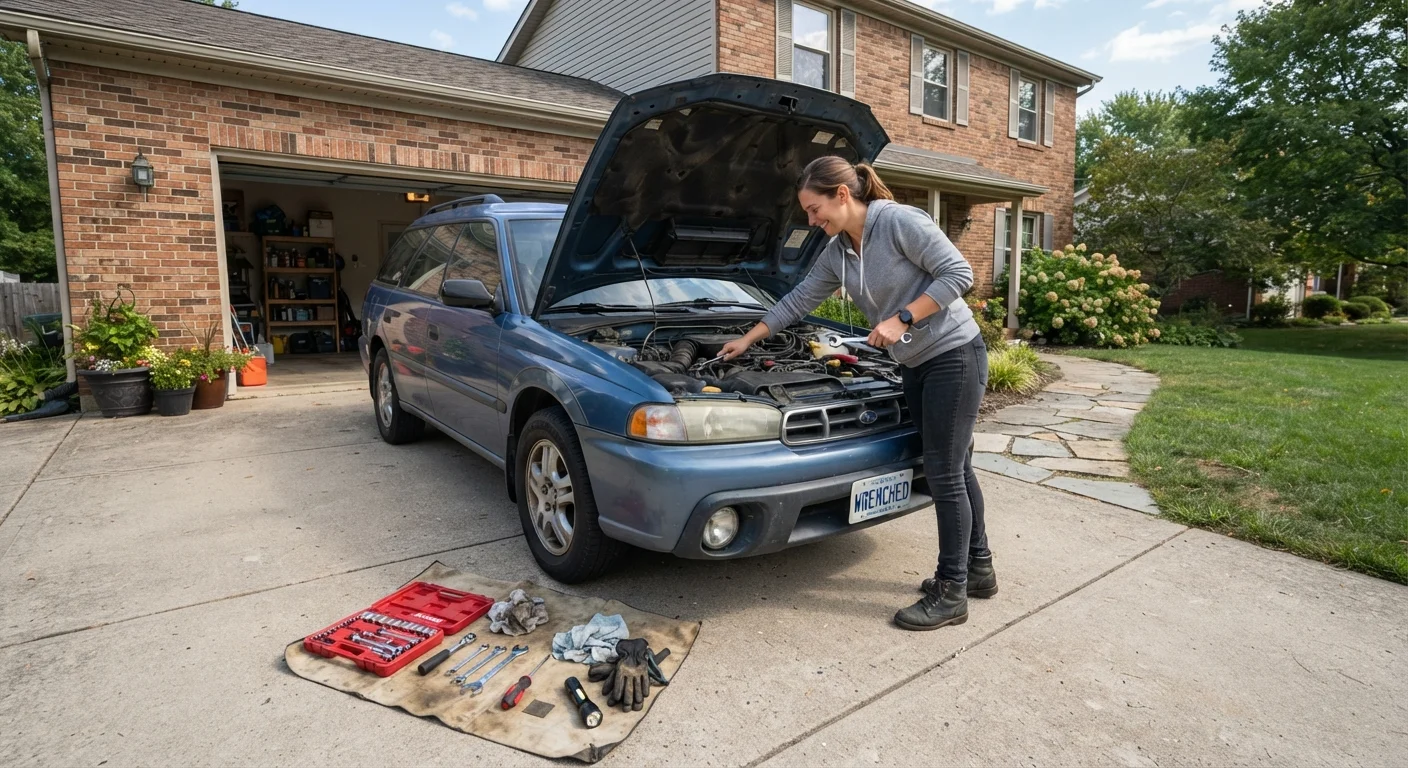
For those extending their hands-on ambitions to their vehicles, our guide to DIY car maintenance maps out which tasks are reasonable for motivated beginners and which carry real risk.
What It Signals About American Values
At its core, the DIY renaissance reflects a renegotiation of what competence means. In a knowledge economy that rewards specialization, there is something quietly countercultural about choosing to learn how to do things with your hands. For many participants, the appeal is not purely economic - it is psychological: the satisfaction of making or fixing something real.
Researchers studying American well-being have long noted the value of what psychologists call mastery experiences - moments when a person successfully acquires and applies a new skill. The spread of DIY culture across demographics and income levels suggests that this need is broad-based, not niche.
Whether it is a first vegetable garden, a repaired piece of furniture, or a working sourdough starter, the pattern is consistent: Americans are investing time in capability, and finding meaning in the process. For those interested in how this connects to the broader landscape of civic and community engagement, our coverage of the new civic engagement traces parallel shifts in how Americans are showing up - and building things - together.