
What We Mean by Online Anonymity
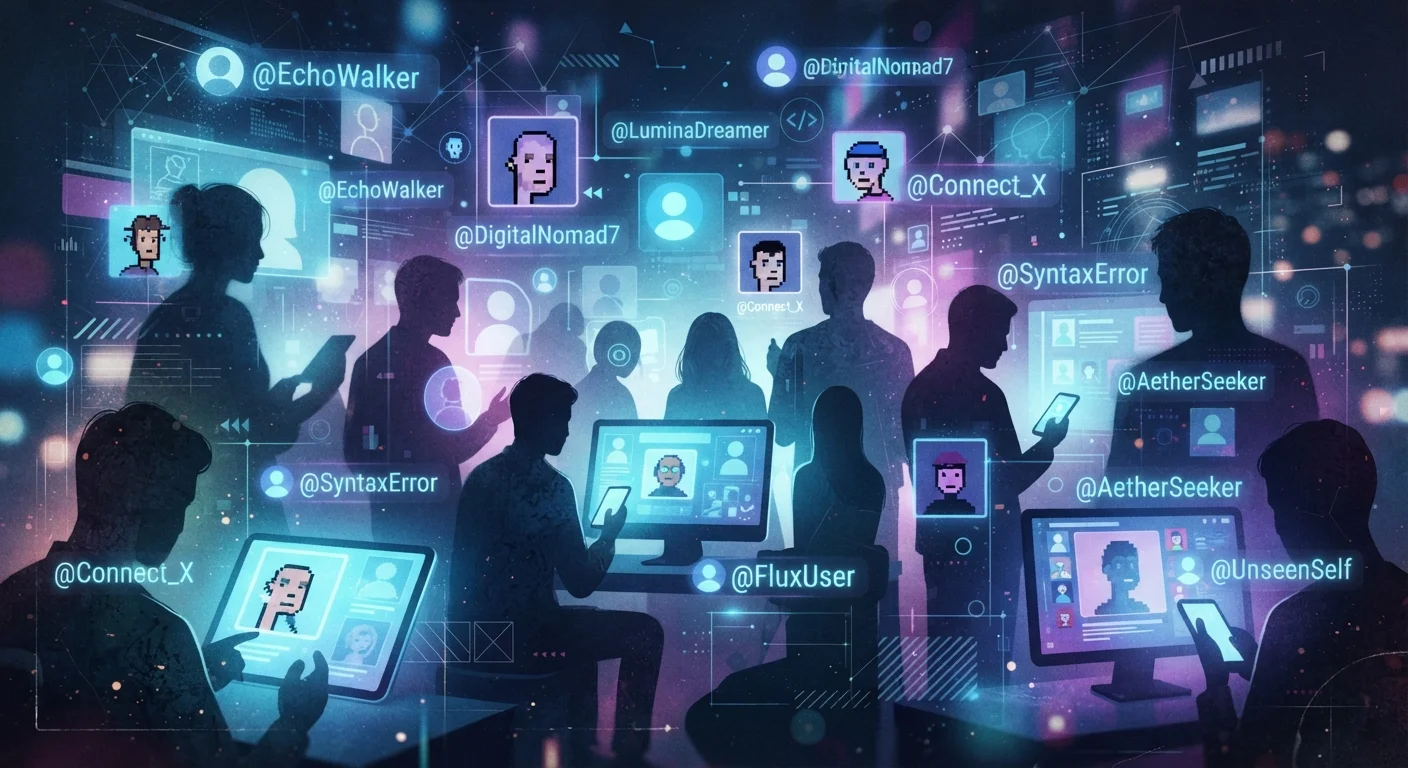
Online anonymity exists on a spectrum. At one end sits full anonymity - no account required, no persistent identity, no traceable username. At the other is full real-name transparency, as some platforms have experimented with. In between lies pseudonymity, arguably the most common form: a consistent username that carries a reputation but is not tied to a legal name or verifiable identity.
Understanding these distinctions matters because their social effects differ. A one-time anonymous poster on an image board faces different incentive structures than a pseudonymous Reddit user who has built years of post history and community standing. As explored in research on digital self-presentation, even fictional or partial identities carry social weight when they persist over time.
Pseudonymity Is Not the Same as Anonymity
A persistent username - even one entirely fictional - creates accountability over time. Users who invest in a pseudonymous reputation have social incentives to protect it, which can moderate behavior in ways that one-time anonymous posting does not. Many researchers treat these as distinct phenomena with meaningfully different social effects.
The Case For Anonymity
The strongest arguments for anonymity center on safety and candor. Whistleblowers, political dissidents in authoritarian contexts, domestic violence survivors, and LGBTQ+ individuals in hostile environments have all used anonymous or pseudonymous participation to share information or seek community without exposing themselves to retaliation.
Protects vulnerable users from retaliation
People facing political persecution, domestic abuse, or discrimination can participate in public discourse without exposing their real identity to those who might harm them.
Enables candid expression on stigmatized topics
Users are more likely to discuss mental health struggles, sexuality, addiction, or unpopular opinions when they don't fear social or professional consequences tied to their real name.
Reduces status bias in conversations
When credentials and social standing are obscured, ideas can be assessed more on their substance than on who is presenting them, at least in theory.
Supports whistleblowing and investigative journalism
Anonymous tip lines and protected digital communications have been central to numerous major public-interest disclosures, from corporate misconduct to government overreach.
Beyond individual safety, some researchers argue anonymity can produce more honest discourse. When social status is removed from the equation, ideas may be evaluated on their own merits rather than on the speaker's identity or prestige. Anonymous peer review in academic publishing has long operated on this logic.
The Case Against Anonymity
The counterarguments are equally substantial. Decades of behavioral research point to what psychologists call deindividuation - the tendency for people to act in ways they otherwise wouldn't when they feel unidentifiable. In online contexts, this frequently manifests as harassment, coordinated abuse campaigns, and the spread of misinformation with no social cost to the source.
Removes accountability for harmful behavior
When users face no social or professional consequence for cruelty, harassment and hate speech become significantly more common, as observed across multiple platform studies.
Enables coordinated abuse campaigns
Anonymity allows bad actors to create multiple accounts and organize harassment against individuals with very limited ability for targets or platforms to respond effectively.
Accelerates misinformation spread
False claims cost nothing to make when there is no reputation at stake, making anonymous spaces particularly vulnerable to deliberate disinformation and rumor amplification.
Undermines community trust over time
When users cannot verify who they're interacting with, it becomes harder to build the sustained mutual trust that functional online communities depend on.
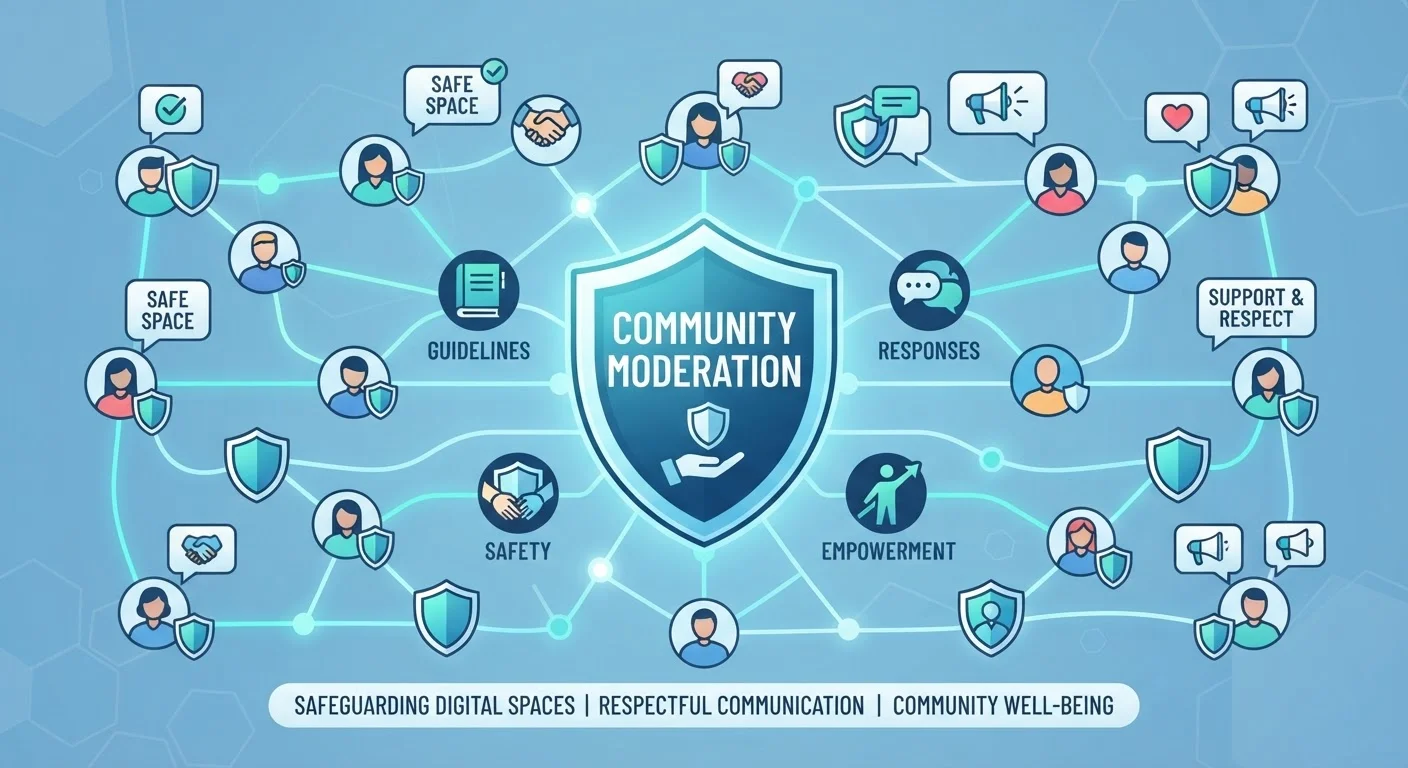
The structural problem is that anonymity distributes risk unevenly. The person being harassed is often identifiable; the harasser is not. This asymmetry has made anonymous platforms particularly difficult for moderation teams to manage effectively, since bad actors can create new accounts the moment old ones are removed.
41%
Americans who have experienced online harassment
According to Pew Research Center data, a significant share of U.S. adults report being targets of online harassment, with rates higher among women and younger adults.
~3x
Higher abuse rates on anonymous vs. named platforms
Multiple platform studies have found harassment and toxic behavior occur at meaningfully higher rates in spaces with no persistent identity requirements compared to those with verified accounts.
How Platform Design Shapes the Outcome
Platform architecture does a significant amount of work here. Communities with persistent pseudonyms, reputation systems, and active moderation tend to see different behavior than those without. The presence of community norms - even under pseudonymity - appears to reduce the worst effects of deindividuation. What makes an online community actually work often comes down to exactly these structural features: shared expectations and consistent enforcement.
Some platforms have experimented with "verified anonymity" - systems where a user's identity is confirmed to the platform but not publicly displayed - as a middle path. These designs aim to preserve the social benefits of anonymous participation while retaining the ability to take action against persistent bad actors. The tradeoffs, including data security and trust in the platform itself, remain ongoing debates in platform design.