
The Building Blocks of an Online Self
Every username is a choice. So is a profile photo, a bio line, or the decision to use no photo at all. When researchers study online self-presentation, they consistently find that people approach digital spaces with something sociologists call impression management - the deliberate, ongoing effort to shape how others perceive them.
Sociologist Erving Goffman described this process decades before the internet existed, framing social life as a kind of performance. Online environments have extended and complicated that stage. A user on a photography forum, a gaming platform, and a professional network may technically be the same person - but their chosen names, tones, and shared content can look like entirely different characters.
The basic components of a digital identity include: handles and usernames (often chosen for humor, anonymity, or self-description); profile images or avatars (which research links to perceived trustworthiness and relatability); posted content (what you say, share, or respond to); and community affiliation (the groups, forums, and pages a person publicly associates with).
Identity Varies Across Platforms by Design
The same person on Twitter/X, LinkedIn, and an anonymous forum may look like three different individuals. This is not inconsistency - it mirrors how people naturally adapt to different social contexts offline. Platform researchers call this 'context collapse' when audiences from multiple contexts unexpectedly merge, flattening those distinctions.
Curation, Idealization, and the Gap Between Online and Offline Selves
One of the most replicated findings in digital identity research is that people tend to present idealized versions of themselves online - emphasizing desirable traits and omitting unflattering ones. Studies of social media profiles consistently show that users highlight achievements, positive experiences, and affiliations they consider socially valuable.
This idealization is not necessarily deceptive. Researchers distinguish between strategic self-presentation (deliberately managing image) and authentic self-expression (sharing genuine thoughts and feelings). Most people do both simultaneously, and the line between them is rarely clear-cut.
72%
US adults who use at least one social media platform
According to Pew Research Center surveys, roughly seven in ten American adults participate in at least one social media site, making digital self-presentation a near-universal social experience.
~38%
Users who report presenting a different self online vs. offline
Studies on online self-disclosure consistently find a substantial share of users acknowledge consciously adjusting their self-presentation depending on the platform or audience.
3+
Average number of distinct online platforms used per adult
Pew Research data indicates most US adult internet users maintain a presence across multiple platforms, each often featuring a distinct version of their identity.
Platform architecture plays a significant role. A platform built around likes and follower counts creates feedback loops that reward certain kinds of content. Over time, users learn what performs well for their audience and adjust accordingly - a process that can narrow the publicly visible self even as the private self remains more complex. This dynamic connects to broader questions about how audiences form emotional connections with the identities people project online.
Anonymity, Pseudonymity, and Identity Fluidity
Not everyone online attaches their legal name to their digital presence. Pseudonymous and anonymous participation creates a distinct identity landscape - one that is neither purely fictional nor fully tied to an offline self.
Pseudonymity (using a consistent but non-real-name handle) is perhaps the most common middle ground. On platforms like Reddit or many gaming communities, a username can accumulate its own reputation, history, and community recognition over years - creating a real social identity that is simply decoupled from legal name and physical appearance.
Research on this area suggests that anonymity lowers certain social inhibitions, which can produce both liberating and harmful outcomes. Marginalized users often report that anonymous or pseudonymous environments allow them to participate more freely - particularly on topics connected to identity, health, or stigmatized experience. The tradeoffs are substantial and explored in depth in our piece on the case for and against hidden identities.
Audit Your Own Digital Footprint
Periodically searching your own username or name across platforms can reveal how your digital identity appears to others - including content you may have forgotten. Being intentional about what you share, and on which platform, is one of the most practical forms of digital self-awareness.
How Platform Design Shapes Who You Appear to Be
Digital identity is never built in a vacuum. Every platform makes architectural choices that constrain or encourage certain kinds of self-presentation. Requiring a real name, allowing profile customization, surfacing follower counts, enabling anonymous posting - each decision shapes the identity environment its users inhabit.
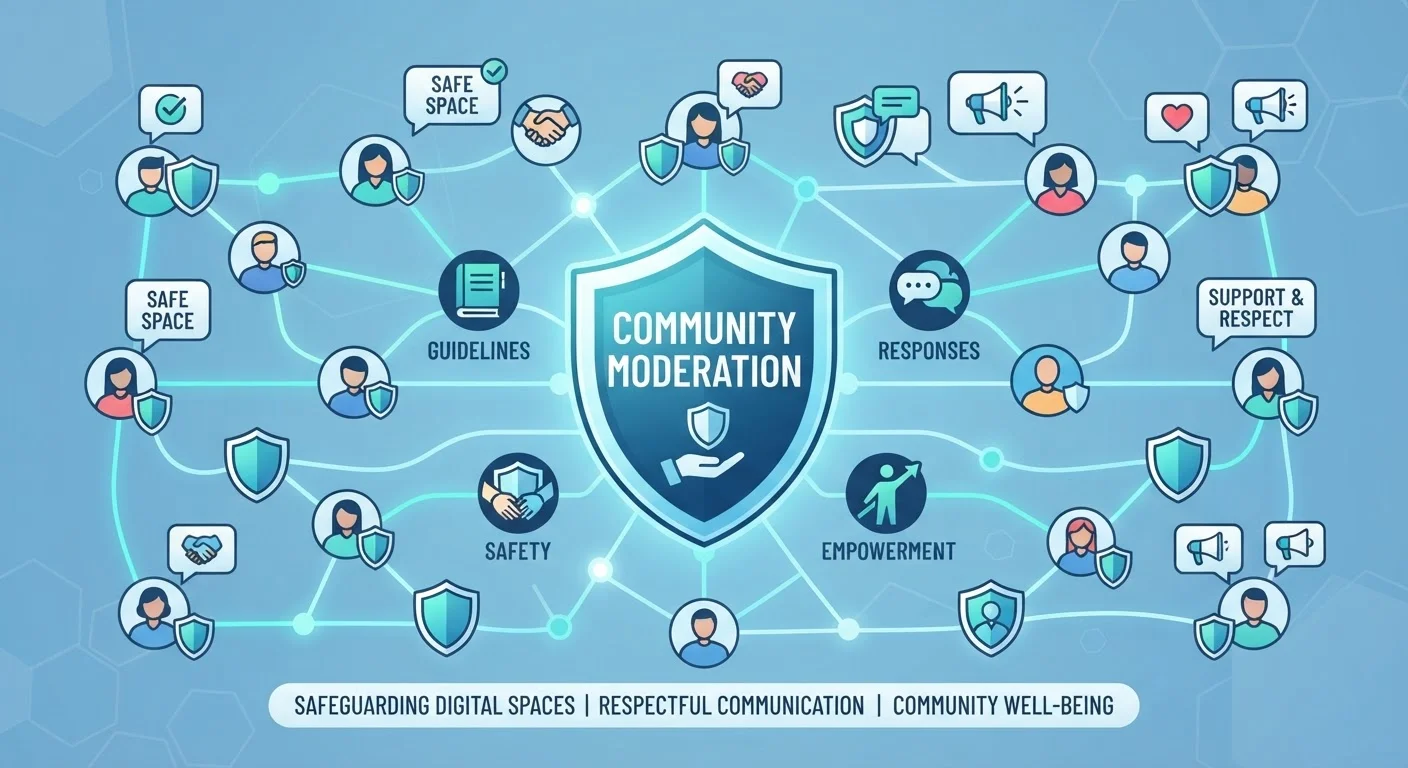
For example, platforms that display numeric metrics (followers, likes, view counts) have been shown to push users toward performance-oriented self-presentation, where the primary audience is not a community but a number. Platforms with stronger community norms and active moderation tend to produce more context-specific identities tied to group membership. For a look at how communities maintain those norms, see our overview of moderation approaches in online spaces.
Understanding digital identity also means recognizing that the people who inhabit these spaces are far more demographically varied than persistent stereotypes suggest. Digital self-presentation is not a practice confined to any single age group, background, or interest - it is a near-universal feature of contemporary connected life.