
A Bond With No Return Address
When a podcast listener says they feel like the host is a close friend, or when a fan grieves deeply after a celebrity's death, observers sometimes dismiss the reaction as disproportionate. But psychologists have long recognized that these feelings are neither irrational nor rare. They are a predictable result of how human brains process social cues - regardless of whether those cues come from someone sitting across a table or broadcasting to millions.
The core mechanism is straightforward: the brain's social processing systems do not have a built-in filter that distinguishes live interaction from mediated performance. When a creator looks into a camera and says "you guys are the best," the listener's brain registers something functionally similar to being addressed by a friend. Repeated exposure deepens that sense of familiarity over time.
For a broader look at how these bonds intersect with mental health, see what the evidence shows about social connection and mental health.
“The fan is familiar with the performer's characteristic habits of speech, his interests and opinions, his personality - in short, with all those details which constitute the illusion of intimacy.”
— Donald Horton and Richard Wohl, Authors of the foundational 1956 paper on parasocial interaction in Mass Communication and Para-Social Interaction
Why Digital Platforms Amplify the Effect
Traditional celebrities created parasocial bonds through films and television, but social media and streaming platforms have intensified the dynamic considerably. Several platform-specific features explain why.
- Direct address: YouTubers and podcasters speak to "you" rather than a general audience, mimicking the intimacy of conversation.
- Consistency: Weekly uploads and daily stories create a rhythm of contact that mirrors the regularity of real friendships.
- Disclosed vulnerability: Creators who share personal struggles, family moments, or creative failures generate stronger identification from audiences.
- Comment interaction: Even brief replies to comments give followers the experience - however brief - of being acknowledged.
1956
Year the term 'parasocial interaction' was coined
Sociologists Donald Horton and Richard Wohl introduced the concept in a landmark paper on audience-performer relationships in mass media.
~51%
US adults who follow at least one influencer or creator
Pew Research Center surveys from the early 2020s consistently found that a majority of US adults actively follow content creators on social platforms.
2-3x
Higher engagement for creators who share personal content
Industry analyses of social media engagement rates suggest personal disclosure and vulnerability consistently outperform purely informational content in driving audience attachment.
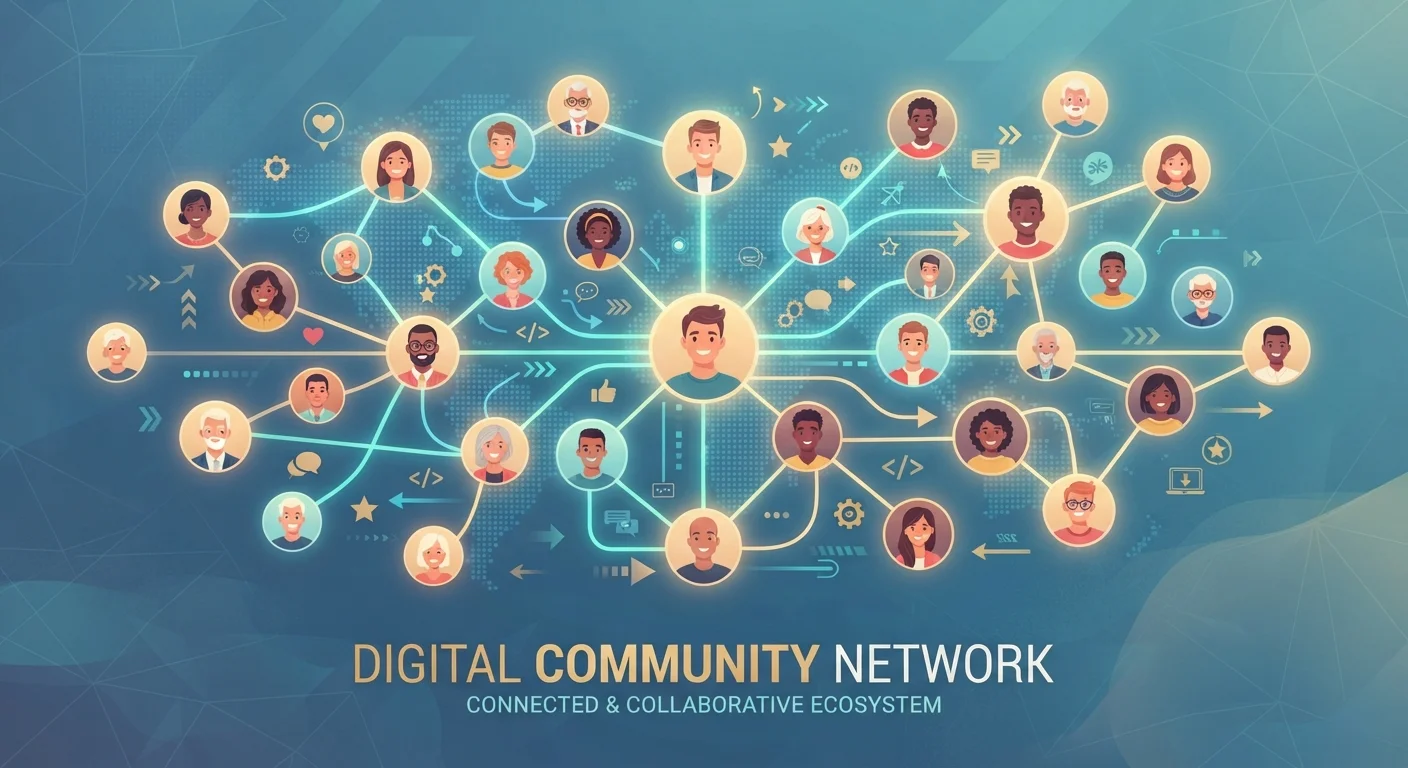
This is meaningfully different from the dynamics of genuine online communities, where members interact with each other. What makes an online community actually work explores those reciprocal structures in depth.
The Real Benefits - and Real Risks
Parasocial relationships are not simply substitutes for real connection. Research suggests they can serve legitimate social functions: providing a sense of companionship during isolation, offering models for identity formation, and even reducing social anxiety by allowing people to practice emotional attunement without the stakes of live interaction.
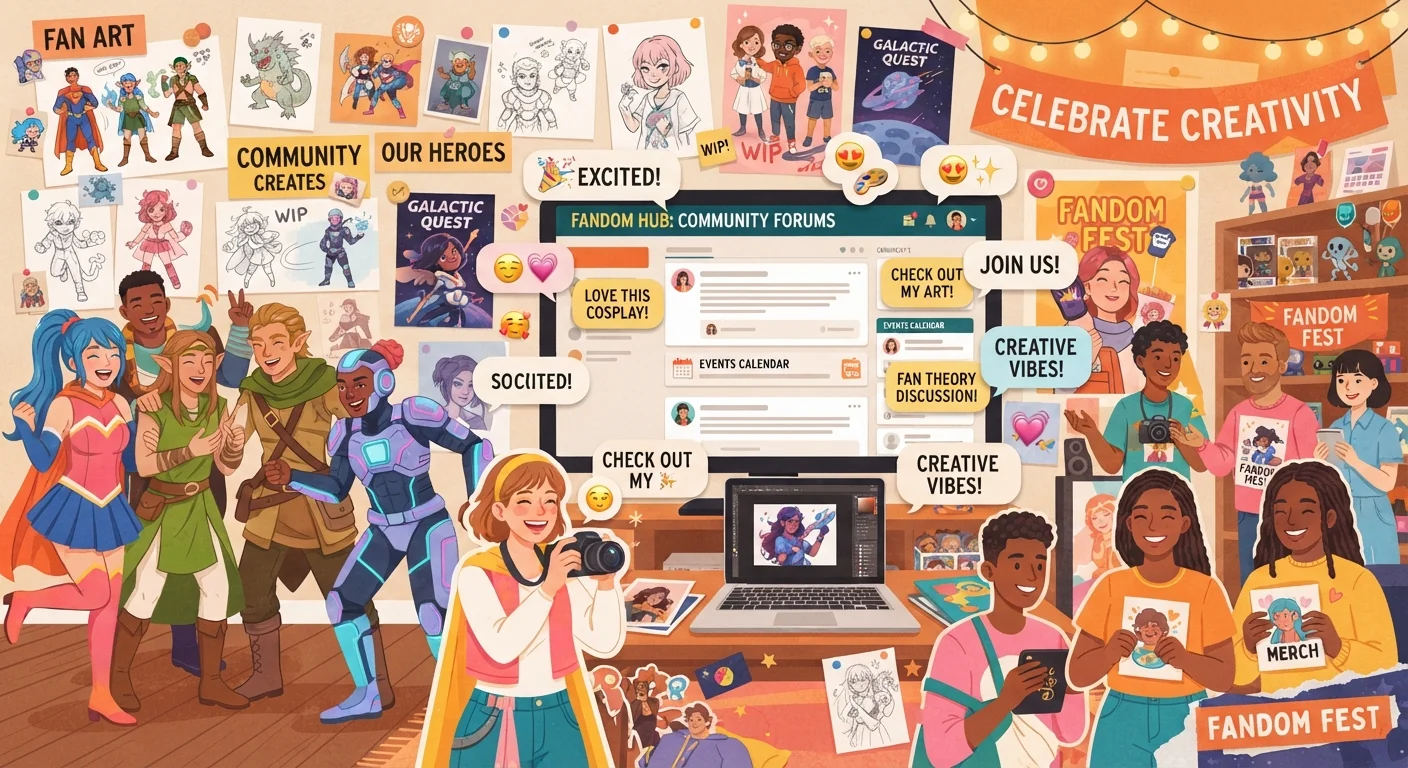
They are also closely tied to fandom, where parasocial bonds often anchor a broader community of people who share the connection. Fandom communities show how individual parasocial feelings can translate into collective identity and creative culture.
The risks emerge at the extremes. When a follower begins to expect reciprocity - personal responses, special access, or emotional accountability from someone who cannot realistically provide it - disappointment or resentment can follow. Researchers sometimes describe the distress of a creator going on hiatus or changing their public persona as a "parasocial breakup," with emotional consequences that parallel real relationship endings for some individuals.
A Simple Reality Check for Parasocial Bonds
Ask yourself: does this person know my name, circumstances, or that I exist? If the answer is no, the bond is parasocial - and that's fine. Naming it clearly helps you enjoy the connection without mistaking it for mutual friendship or feeling entitled to a creator's personal attention.
The self-presentation choices creators make - what they reveal, what they withhold, how they perform authenticity - shape these bonds profoundly. Digital identity research sheds light on how those curated personas are constructed.
Navigating the Dynamic Intentionally
Understanding parasocial mechanics doesn't make the feelings less real - it makes them easier to contextualize. Recognizing that warmth toward a creator is a natural neurological response, not evidence of a personal relationship, allows people to enjoy the connection without confusing it for mutual intimacy.
For creators, awareness of these dynamics carries its own responsibilities. Audiences who feel deeply known by a creator may be more susceptible to influence - including commercial influence - which is why transparency around sponsorships, persona versus private self, and the inherent asymmetry of the relationship matters for ethical content creation.
For a deeper psychological examination of why these bonds form, the psychology behind feeling close to strangers offers further context on the mechanisms involved.