
Where the Concept Comes From
The term "parasocial interaction" first appeared in a 1956 article by sociologists Donald Horton and Richard Wohl, who were studying how television audiences related to on-screen personalities. They noticed that viewers spoke about TV hosts as though they knew them personally - speculating about their moods, feeling affection for them, and experiencing something resembling the rhythms of a real relationship.
What struck Horton and Wohl was how deliberately the medium encouraged this. Television personalities addressed the camera directly, used first names, and disclosed personal anecdotes - all cues the human brain typically associates with a developing social bond. Decades before social media, the basic architecture of parasocial connection was already in place.
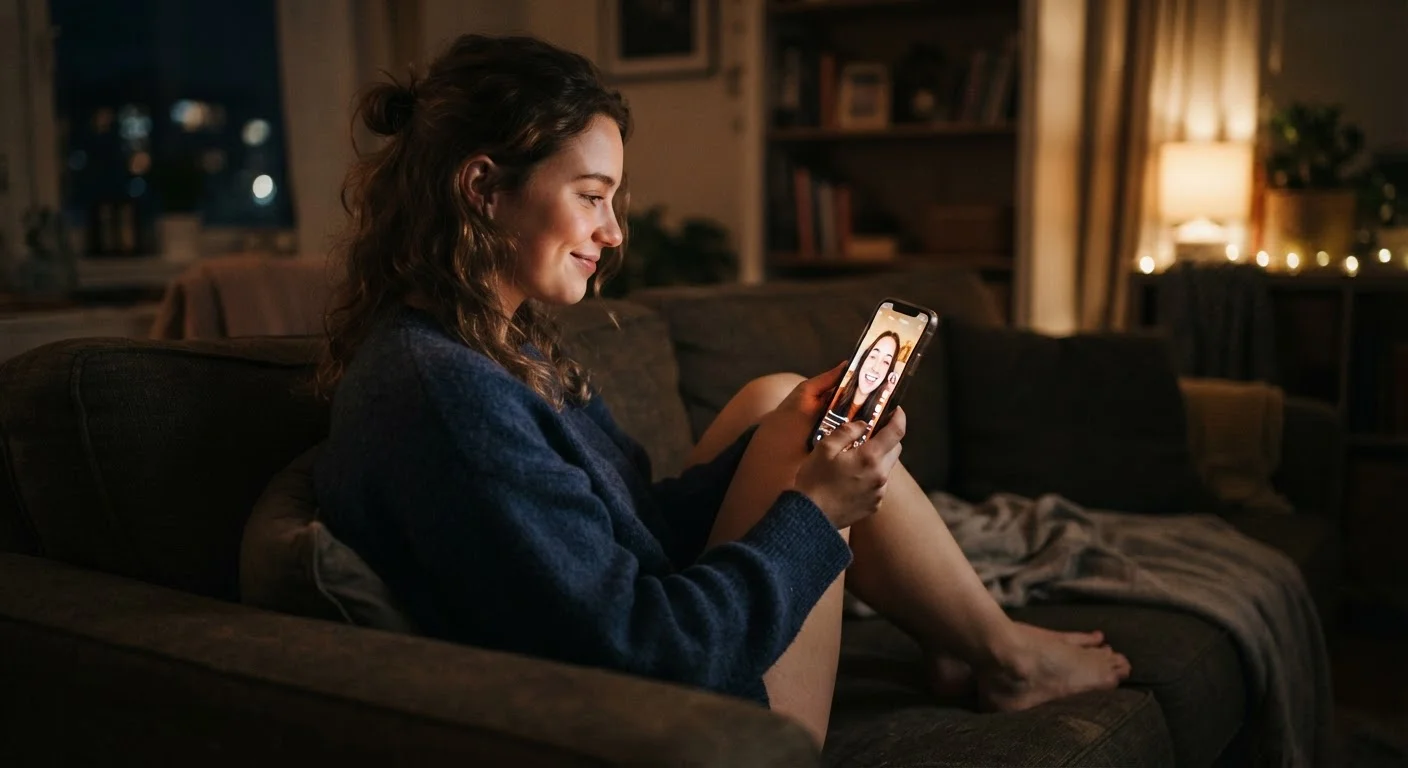
The concept remained largely academic until the rise of YouTube, podcasting, and platforms like Instagram and TikTok dramatically scaled the phenomenon. Today's creators often speak directly into a camera in intimate home settings, share daily routines, and respond to audience comments - making the simulated closeness feel more bidirectional than ever, even when it fundamentally is not.
“The persona offers, above all, a continuing relationship. The audience is invited to participate in the life of the persona - and they come to feel that they do.”
— Donald Horton and Richard Wohl, Sociologists, authors of the foundational 1956 paper on parasocial interaction
The Psychology Underneath
Parasocial bonds are not a malfunction of social cognition - they are a predictable output of it. Human brains evolved to build social maps from available cues: facial expressions, vocal warmth, consistency of behavior, and self-disclosure. When those cues arrive through a screen with regularity, the brain begins constructing a representation of that person in much the same way it would for someone encountered in daily life.
Researchers have used neuroimaging to show that thinking about parasocial figures activates similar brain regions to thinking about real acquaintances. The emotional responses - fondness, concern when the figure faces hardship, comfort from their familiar voice - are neurologically real even if the relationship is structurally one-sided.
1956
Year the term parasocial interaction was coined
Sociologists Donald Horton and Richard Wohl introduced the concept while studying television audiences in their landmark paper on mass communication.
~51%
U.S. adults who say they follow at least one celebrity or creator closely
Pew Research Center surveys on social media use and celebrity culture have consistently found a majority of American adults maintain regular engagement with public figures' content.
3+ hrs
Average daily screen time dedicated to social/video content by US adults
According to Nielsen audience data, extended daily media exposure creates repeated contact with the same personalities, the foundational condition for parasocial bond formation.
This also helps explain why audiences feel a sharp sense of loss when a parasocial figure dies, retires, or ends a show. Researchers have documented what they call "parasocial breakup" - a grief-like response to the severing of a one-sided bond that can be emotionally disorienting precisely because it is socially difficult to validate. People around the grieving person may not understand why the loss feels significant.
Parasocial Bonds in the Age of Online Creators
Social media platforms have compressed the distance between audience and figure in ways that amplify parasocial dynamics. A podcast host who speaks for three hours in a conversational tone, a streamer who games live for their community, or a creator who documents their daily life on video - all generate unusually high volumes of personal disclosure that accelerate the sense of knowing someone.
Many creators are also aware of this dynamic and deliberately cultivate it, using inclusive language ("we," "you guys"), responding to comments, and occasionally sharing vulnerable moments. This is not inherently manipulative; it is often authentic community-building. But it does mean audiences may develop a sense of intimacy that the creator cannot realistically reciprocate at scale.
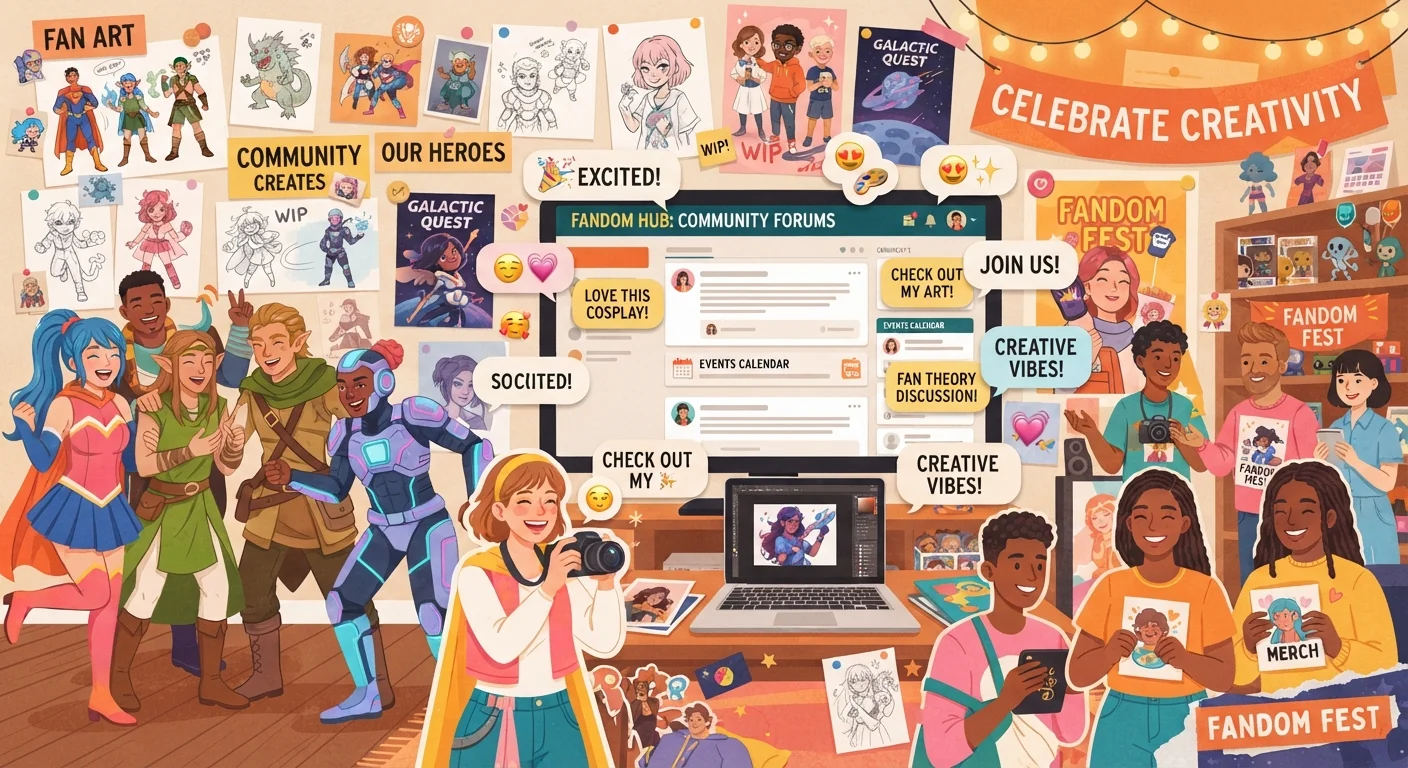
Psychologists who study digital bonds note that these relationships often exist comfortably alongside real friendships rather than replacing them. For many people, following a creator is closer to enjoying a favorite author than to substituting a best friend - the parasocial bond adds something to social life rather than displacing it. Fan communities that form around shared admiration can themselves become genuine social spaces, as explored in research on how fandom communities foster belonging.
Reflecting on Your Own Parasocial Bonds
If you notice you feel strong attachment to a public figure, a useful check-in is whether that attachment coexists comfortably with real-world relationships and doesn't generate distress when the figure behaves unexpectedly. Awareness of the one-sided nature of the bond - while not dismissing the feelings as invalid - is generally the marker of healthy engagement.
When Parasocial Bonds Become a Concern
Most parasocial engagement sits well within the normal range of media consumption. Research consistently finds that the majority of people who feel attached to public figures maintain clear cognitive awareness that the relationship is one-sided. The attachment coexists with a realistic understanding of its nature.
Mental health researchers identify potential concern when parasocial bonds become consuming - when a person spends significant time planning imagined interactions, experiences distress disproportionate to a minor change in a creator's output, or uses the parasocial relationship to avoid the discomfort of real-world social effort. These patterns are relatively rare but worth recognizing.
It is also worth noting that social context matters. For individuals with limited access to community - whether due to geography, disability, social anxiety, or major life transitions - parasocial relationships may serve a bridging function, providing a form of social stimulation during periods of isolation. Whether this is adaptive or avoidant depends heavily on the individual's broader circumstances, and is a question best explored with a qualified mental health professional rather than evaluated from the outside.
Parasocial Bonds Are Not New
It is tempting to frame parasocial relationships as a product of the social media era, but the phenomenon has been documented since the early days of radio and television. What has changed is scale and intensity of access - not the underlying psychological mechanism, which appears to be a stable feature of human social cognition.