Why the Reboot Era Happened
The rise of franchise-driven entertainment didn't emerge from creative bankruptcy - it emerged from economics. Following the 2008 financial crisis, major studios became increasingly cautious about green-lighting unproven concepts. A recognizable title carries built-in marketing value: audiences already know the world, the characters, and roughly what to expect. For studios carrying production budgets that routinely exceed $150 million, that pre-awareness reduces risk in a meaningful way.
The myths surrounding how Hollywood actually operates often obscure this reality. Decisions about what gets made are less about artistic vision at the executive level and more about projected return on investment, global market appeal, and merchandise potential. Reboots, sequels, and cinematic universes check all three boxes efficiently.
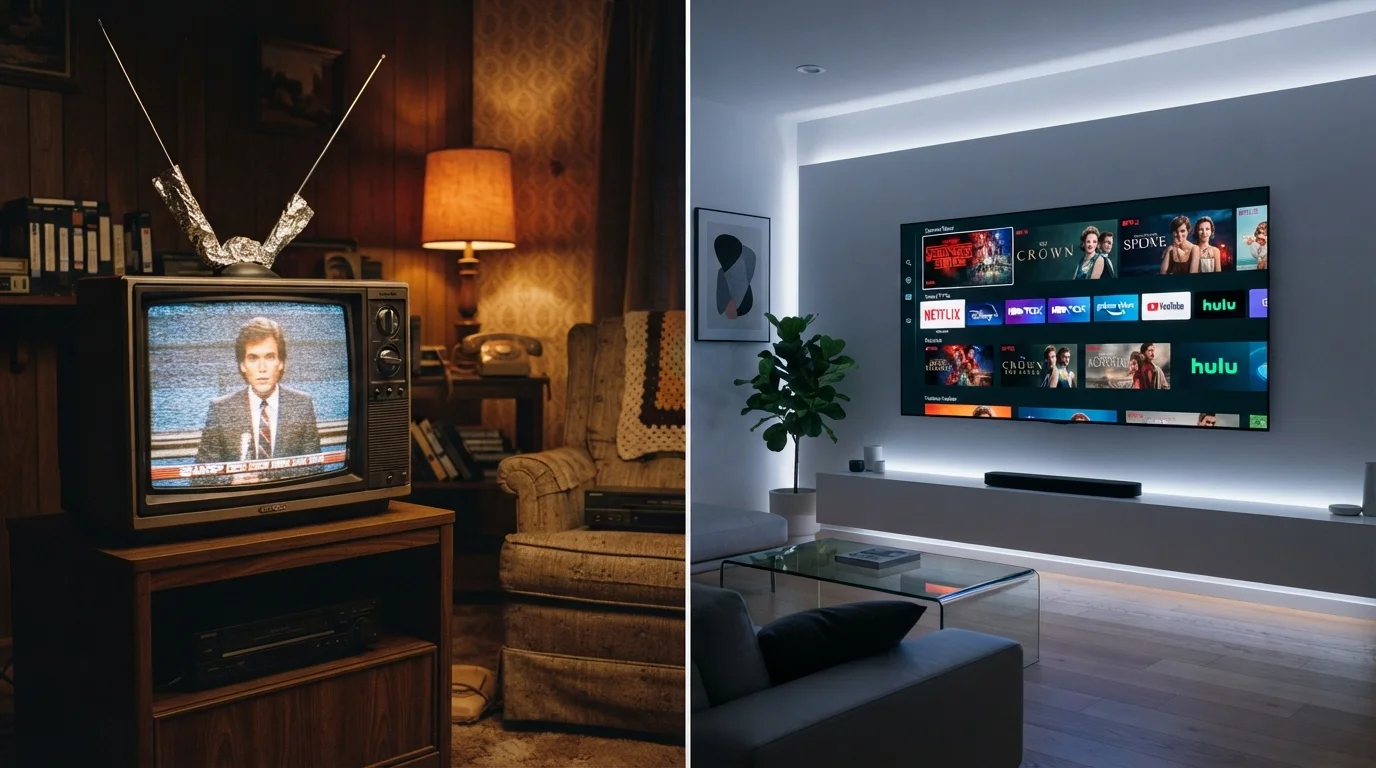
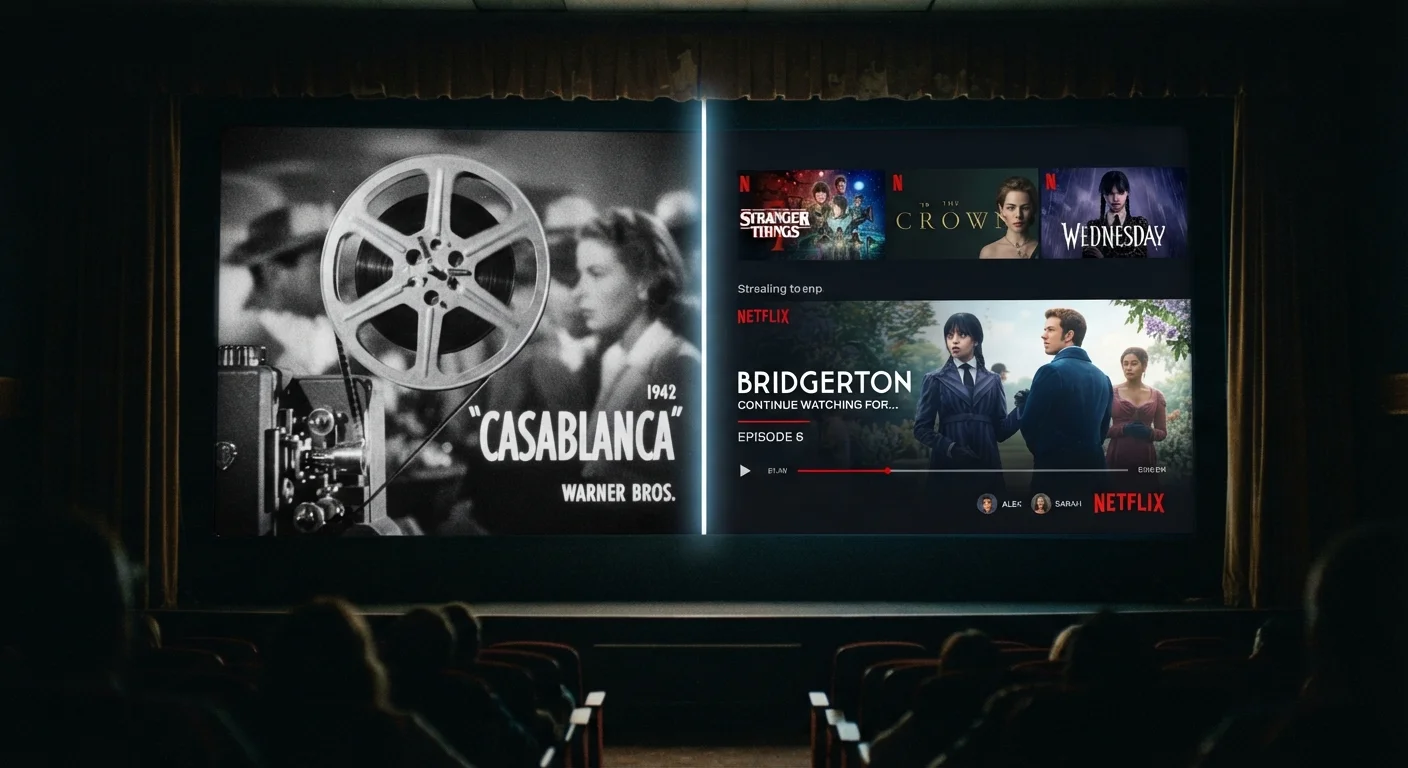
The streaming era accelerated the pattern further. Platforms competing for subscriber attention leaned heavily on familiar names to anchor their libraries, even as they simultaneously commissioned waves of original programming. The result is a marketplace where both trends coexist at unusual scale.
| Criterion | Reboots & Franchises | Original Stories |
|---|---|---|
| Financial risk for studios | Lower - built-in audience awareness | Higher - unproven market appeal |
| Cultural novelty | Limited - borrows existing vocabulary | High - introduces new characters and worlds |
| Audience familiarity | High - pre-existing emotional connection | Low - must build from scratch |
| Representation potential | Constrained by legacy source material | Open - can center contemporary voices |
| Merchandise & franchise value | Strong and established | Uncertain until breakout success |
| Long-term cultural memory | Often secondary to original | Highest for breakout works |
| Global market appeal | Strong - recognized IP travels well | Variable - depends on concept universality |
The Psychology Behind Nostalgia-Driven Content
Nostalgia is more than sentiment - it's a documented psychological phenomenon. Research in consumer psychology has found that nostalgic feelings increase a sense of social connectedness and meaning, which helps explain why revisiting beloved properties feels emotionally rewarding even when the new version is objectively weaker than the original.
This creates a real tension for audiences. Viewers may report frustration with Hollywood's reboot culture in polls and social media commentary, yet attend the same franchises reliably at the box office. The gap between what people say they want and what they actually consume is one of the most consistent patterns in entertainment data - and it's worth examining rather than dismissing.
40+
Major franchise films released annually in the US
Industry tracking by entertainment analysts has consistently shown franchise and sequel titles account for the majority of top-grossing domestic releases each year.
~70%
Of top global box office driven by sequels or franchise entries
Box office data compiled by industry researchers over multiple recent years shows franchise titles dominate worldwide theatrical revenue.
2x
Growth in original scripted series since streaming expanded
According to FX Networks research cited in industry reporting, the number of original scripted series roughly doubled in the decade following the mainstream rise of streaming platforms.
The defining television moments of each American decade show something instructive: the works that lodge deepest in cultural memory are almost always originals. I Love Lucy, The Sopranos, Breaking Bad - none were revisitations. Yet the shows that dominate current viewing minutes include considerable franchise extensions. Both things are true simultaneously.
What Original Stories Still Accomplish
Original storytelling continues to generate the cultural flashpoints that reboots rarely replicate. When a genuinely new work breaks through - whether an independent film, a limited series, or an unexpected theatrical release - it tends to spark a different quality of conversation. It introduces new characters into the cultural vocabulary rather than borrowing from an existing one.
The shift from broadcast to streaming has, in some ways, created more room for original storytelling at the prestige level. Platforms seeking awards credibility and critical legitimacy have funded original projects that a risk-averse theatrical market might never have greenlit. The same ecosystem that produces franchise sequels also produces original limited series that define a cultural moment.
Original stories also carry distinct social utility. They are better positioned to reflect contemporary realities - new demographics, evolving social dynamics, and voices that weren't centered in the IP libraries built decades ago. This isn't an argument against revisiting older stories; it's an observation about what new narratives can accomplish that pre-existing ones structurally cannot.
The 'Original' Label Has Limits
Not every work marketed as 'original' is built entirely from scratch. Many celebrated prestige productions adapt novels, true stories, or theatrical works - categories that are neither straightforward originals nor traditional IP reboots. The reboot-vs-original binary is a useful frame for cultural analysis, but the actual landscape of entertainment production is considerably messier. Keeping that nuance in mind sharpens how we interpret industry trends.
What the Debate Actually Reveals
The loudest complaints about reboots are rarely about the concept of revisiting stories - they're about execution quality and perceived cynicism. Audiences generally respond well when a familiar world is revisited with genuine creative ambition and poorly when it feels like brand maintenance. The distinction matters because it reframes the debate: the problem isn't nostalgia-driven content per se, it's nostalgia-driven content that doesn't justify its own existence.
Understanding this debate is a form of media literacy. Asking sharper questions about the content you consume - why this story is being told now, who benefits from its existence, what it's saying about the culture that made it - applies equally to a sequel and an original script.
The reboot-versus-original debate ultimately reflects something broader about how American audiences negotiate between comfort and discovery, between the cultural past they feel ownership over and the new experiences that might define the next generation's reference points. Both impulses are real, both are valid, and understanding them side by side tells us more about modern audiences than either camp alone.