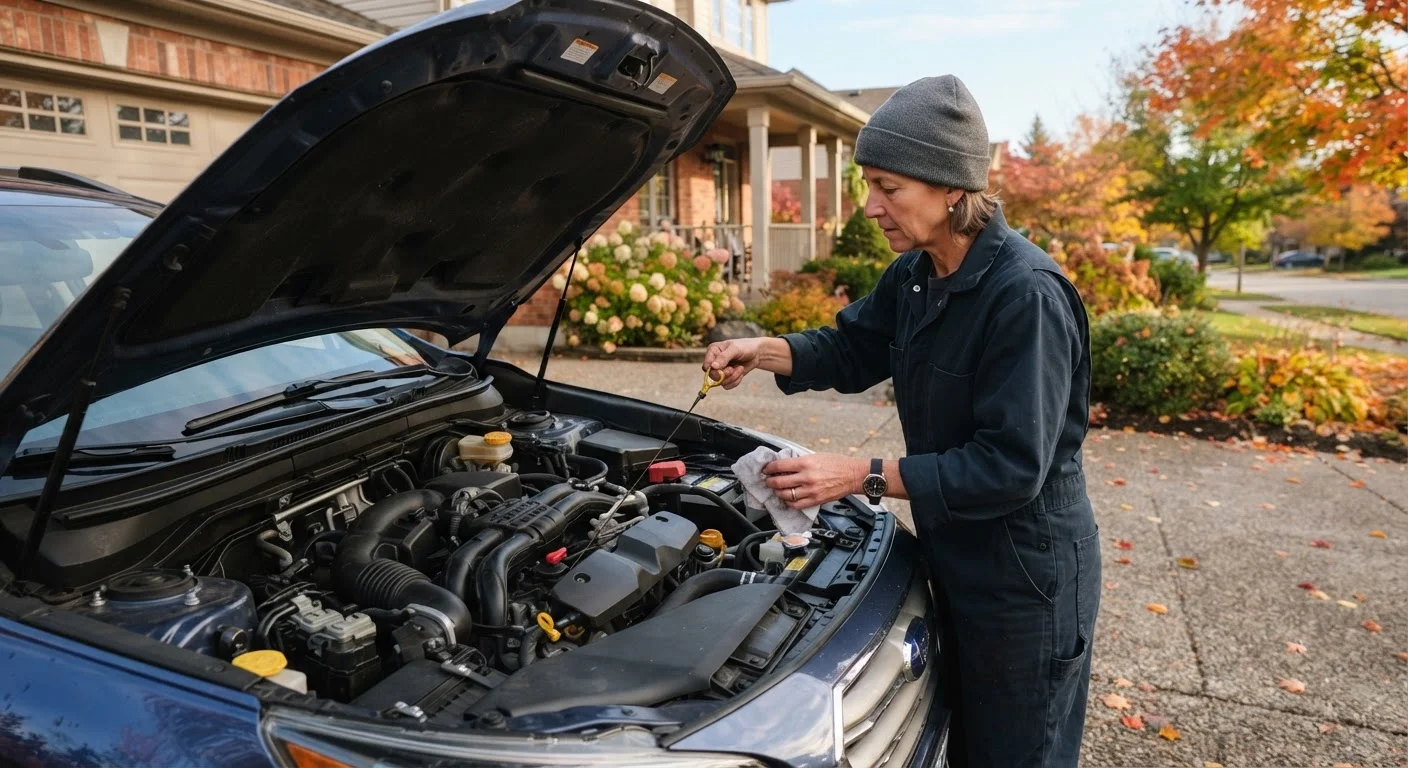

Why Heat Is Hard on Your Car
Most drivers think of winter as the dangerous season for vehicles, but summer heat is just as punishing - and in some ways harder to detect because the damage builds quietly. Temperatures above 90°F raise under-hood temperatures well past 200°F, stressing fluids, rubber components, and electrical systems simultaneously.
Unlike cold weather, which mainly slows chemical reactions, heat accelerates them. That means fluids break down faster, rubber seals dry out more quickly, and batteries lose capacity at an accelerated rate. The good news is that targeted, consistent attention to a few key areas is usually enough to keep things running reliably.
See our seasonal check-up guide for a broader checklist that covers warm-weather readiness alongside the other seasons.
Best Practices for Summer Vehicle Care
The following practices address the systems most vulnerable to high temperatures. None of them require special tools or mechanical expertise - they're habits any driver can build.
Check your coolant level and condition before extended summer driving.
Coolant (antifreeze mixed with water) absorbs engine heat and carries it to the radiator. Low or degraded coolant dramatically increases the risk of overheating, which can warp engine components and lead to costly repairs. Most manufacturers recommend a coolant flush every two to five years, but heat accelerates breakdown.
Monitor tire pressure at least once a week during heat waves.
Air expands when heated, so tire pressure rises roughly 1 PSI for every 10°F increase in temperature. Overinflated tires wear unevenly and have a smaller contact patch with the road, reducing grip. Underinflated tires build up even more heat from flexing, increasing blowout risk.
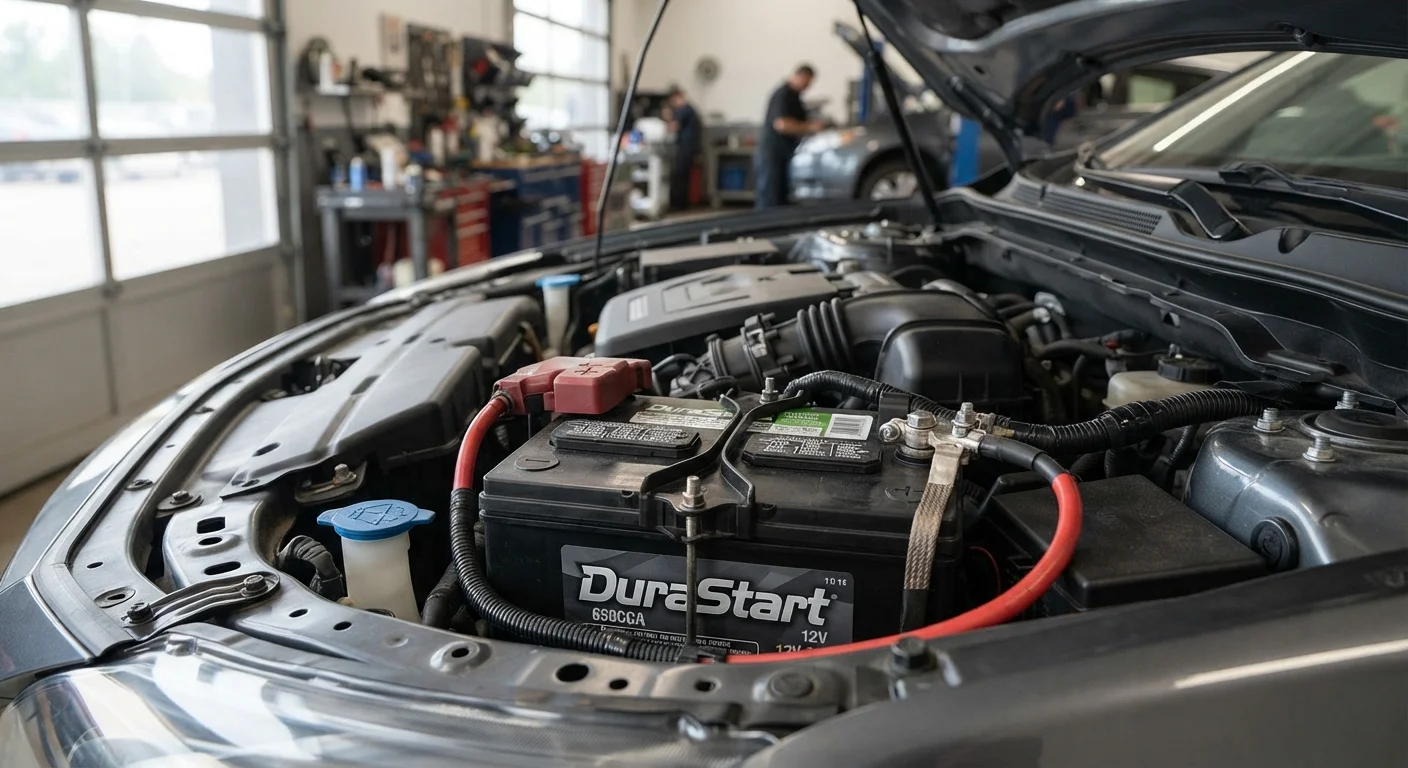
Have your battery tested if it's three or more years old.
Heat degrades the internal chemistry of a lead-acid battery faster than cold does. A battery that starts your car without complaint in spring may not have enough reserve capacity to handle the added electrical load of air conditioning through a hot summer.
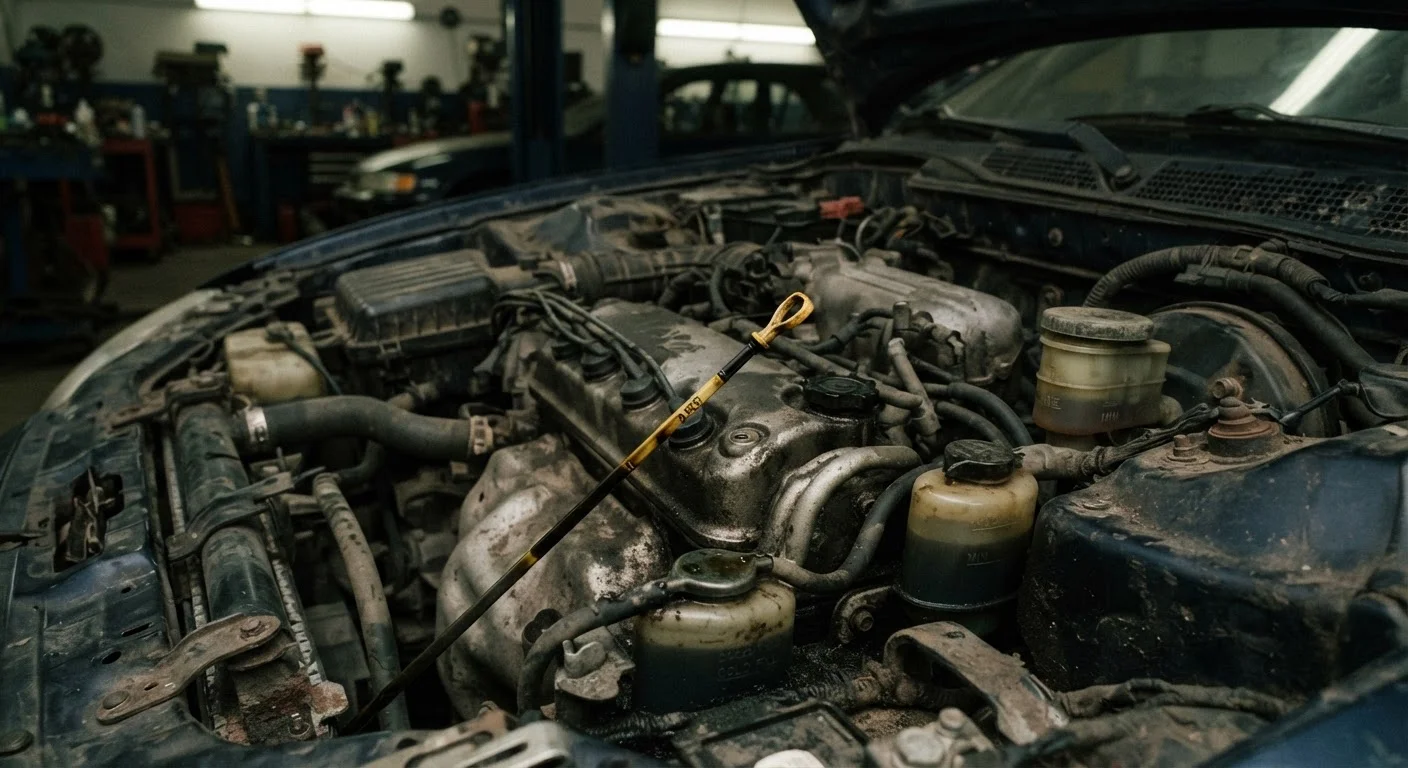
Inspect belts and hoses visually for cracking or softness.
Rubber deteriorates faster in sustained heat. The serpentine belt (which drives the alternator, power steering pump, and AC compressor) and radiator hoses are under constant tension and temperature stress. A cracked hose or fraying belt that fails can leave you stranded.
Keep your engine air filter clean.
A clogged air filter forces the engine to work harder, generating more heat at a time when the cooling system is already under strain. Replacement intervals vary, but dusty summer driving - especially in dry or rural areas - accelerates clogging.
Quick Actions You Can Take Right Now
You don't have to wait for a service appointment to protect your car from heat. Several of the most effective steps cost nothing and take less than five minutes.
Never Open a Hot Radiator Cap
Coolant in an overheated engine is under high pressure and can spray scalding fluid instantly when the cap is removed. Always wait until the engine has cooled completely - at least an hour after shutting it off - before inspecting the radiator or coolant reservoir. If your temperature gauge is in the red, pull over safely, turn off the engine, and let it cool before investigating.
Keeping an Eye on the Dashboard
Your car's instrument cluster is your first line of defense in hot weather. The temperature gauge - usually a dial or bar graph between a blue (cold) and red (hot) zone - should sit in the middle range during normal operation. If it climbs toward the red, pull over safely as soon as possible, turn off the air conditioning, and call for roadside assistance if it doesn't come back down within a minute or two.
Warning lights for low coolant or battery problems deserve immediate attention. Ignoring them in high heat can turn a minor issue into an expensive repair or a breakdown. For more on what battery warning signs look like before they become emergencies, see Car Batteries 101.
2-3×
Battery failure rate in extreme heat vs. moderate climates
Studies from battery manufacturers and AAA roadside data suggest battery failure rates are significantly higher in hot climates like the Southwest compared to temperate regions.
20-30°F
Interior temperature reduction from a windshield sunshade
Testing by automotive consumer organizations has found that reflective sunshades can meaningfully reduce cabin temperatures when a car is parked in direct sun.
Small habits matter too. Avoiding unnecessary idling in traffic with the AC running at maximum, keeping your gas tank above a quarter full (fuel helps cool the fuel pump), and parking in shade whenever possible all reduce strain on your vehicle. For a deeper look at how everyday habits affect long-term reliability, read about the habits that quietly shorten a car's lifespan.