Why Small Habits Add Up to Big Repair Bills
Most cars don't fail dramatically all at once. They wear down gradually - one overlooked fluid, one skipped rotation, one too many short cold-start trips. By the time a symptom is obvious enough to act on, the damage is often already done.
The habits below aren't unusual or reckless. They're common, understandable patterns that feel harmless in the moment. Understanding why each one causes problems is the first step to breaking them. A seasonal check-up routine can also help catch these issues before they compound.
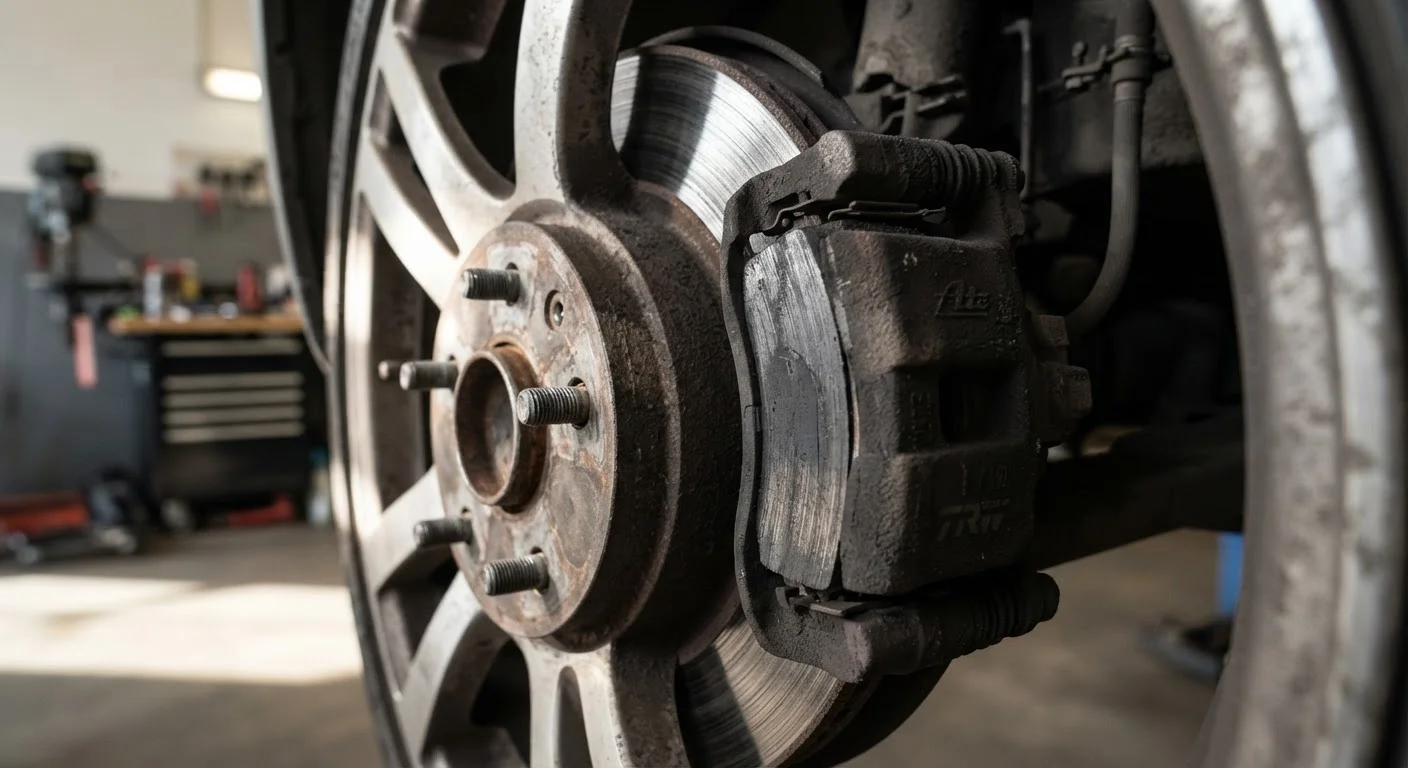
Riding the brakes on long downhill stretches instead of engine braking.
Why it happens: Keeping a foot lightly on the brake pedal feels like the safe, controlled choice on steep descents, especially for drivers unfamiliar with using lower gears to slow the car.
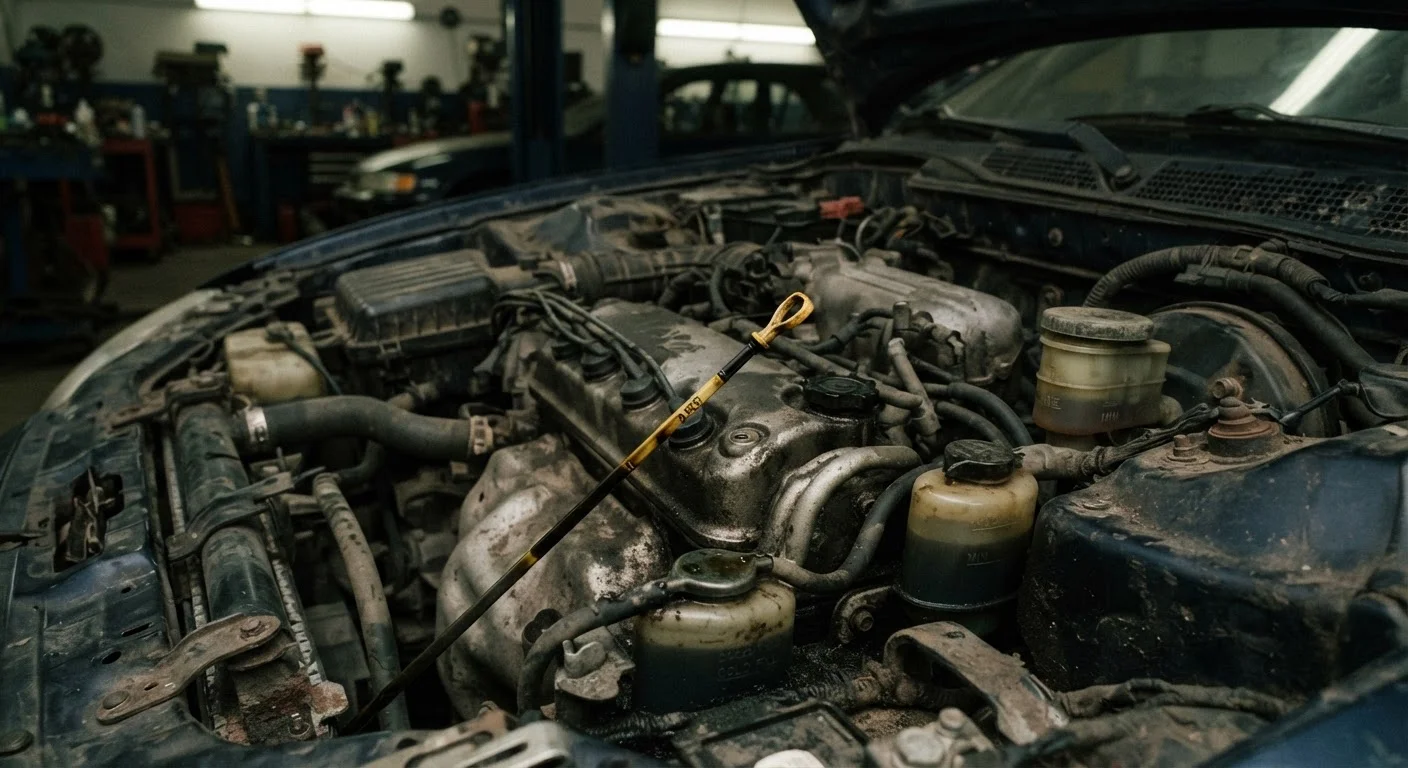
Ignoring a slow coolant leak because the engine hasn't overheated yet.
Why it happens: If the temperature gauge looks normal most of the time, a gradual leak feels like a non-urgent problem - something to deal with later.
Skipping tire rotations because the tires look fine.
Why it happens: Tire wear is gradual and easy to miss until one position is significantly more worn than others. Rotations feel optional when nothing looks obviously wrong.
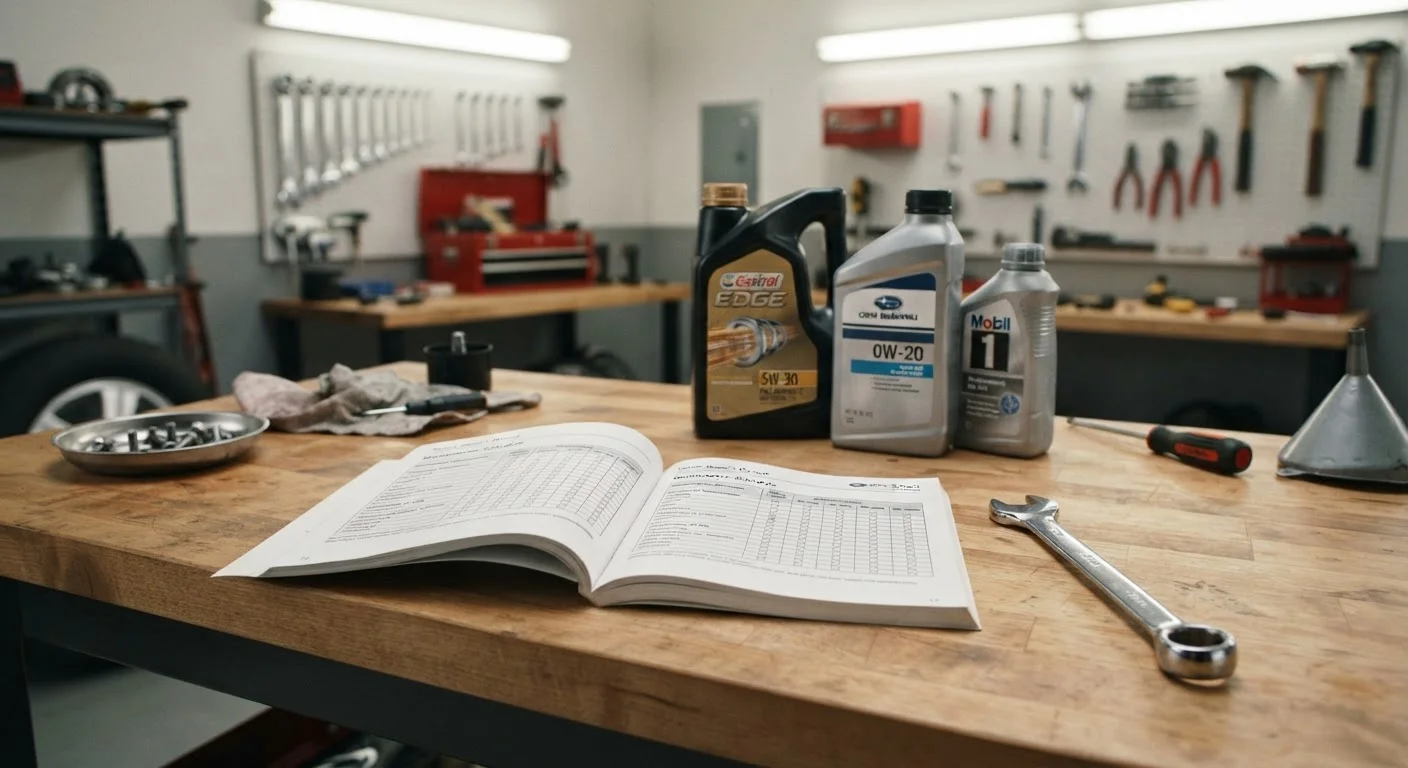
Stretching oil changes well past the recommended interval to save money.
Why it happens: Modern synthetic oils last longer than older conventional formulas, which leads some drivers to assume intervals are flexible. The savings feel real; the internal engine wear is invisible.
Only taking short trips that never fully warm the engine.
Why it happens: Drivers with short daily commutes have no choice, and it doesn't feel like driving behavior that could cause harm.
Neglecting the air filter until there's a noticeable performance drop.
Why it happens: Air filters are out of sight and rarely mentioned outside of scheduled service reminders, so they're easy to forget.
Building Better Habits Without Overhauling Your Routine
None of the fixes above require mechanical expertise. Most come down to paying attention at regular intervals - glancing at fluid levels once a month, following the rotation schedule in your owner's manual, and not deferring the easy stuff until something feels wrong.
~$1,200
Average cost of a head gasket repair
Head gasket failure - often triggered by overheating - is one of the most expensive common engine repairs, with costs varying widely by vehicle and labor market.
5,000-7,500 mi
Typical tire rotation interval
Most vehicle manufacturers recommend rotating tires within this range; exact intervals vary by drivetrain and tire type, so checking the owner's manual is the reliable starting point.
Think of it the same way you'd think about any long-term maintenance: small, consistent actions prevent the expensive surprises. The Car Ownership Basics hub covers the broader picture of keeping a vehicle in good standing, from registration to routine upkeep. And if you're curious about which maintenance tasks cross into risky territory, DIY Car Maintenance: Knowing Which Tasks Are Safe to Tackle Yourself lays out a clear framework.
Short Trips Are Harder on Engines Than Long Ones
It seems counterintuitive, but frequent short trips - where the engine never fully warms up - can be more damaging over time than highway driving. Moisture and unburned fuel accumulate in the oil, and the engine never reaches the temperature needed to clear them out. If your driving is mostly short urban hops, consider extending at least one drive per week and sticking closely to your oil change schedule.