Why Seasonal Check-Ups Make Sense
Most drivers wait for a warning light or an obvious problem before looking under the hood. The trouble is, many vehicle issues build gradually - a slow tire leak, a battery weakening through summer heat, brake fluid absorbing moisture over months. By the time something fails, you're often already dealing with a breakdown or a repair bill that a routine check could have prevented.
A seasonal routine works because it matches your car's inspection schedule to real-world conditions. Winter demands different preparation than summer. Spring is when winter damage reveals itself. Fall is when you need to get ready for the cold. Thinking in seasons gives you four natural checkpoints each year without requiring you to become a mechanic.
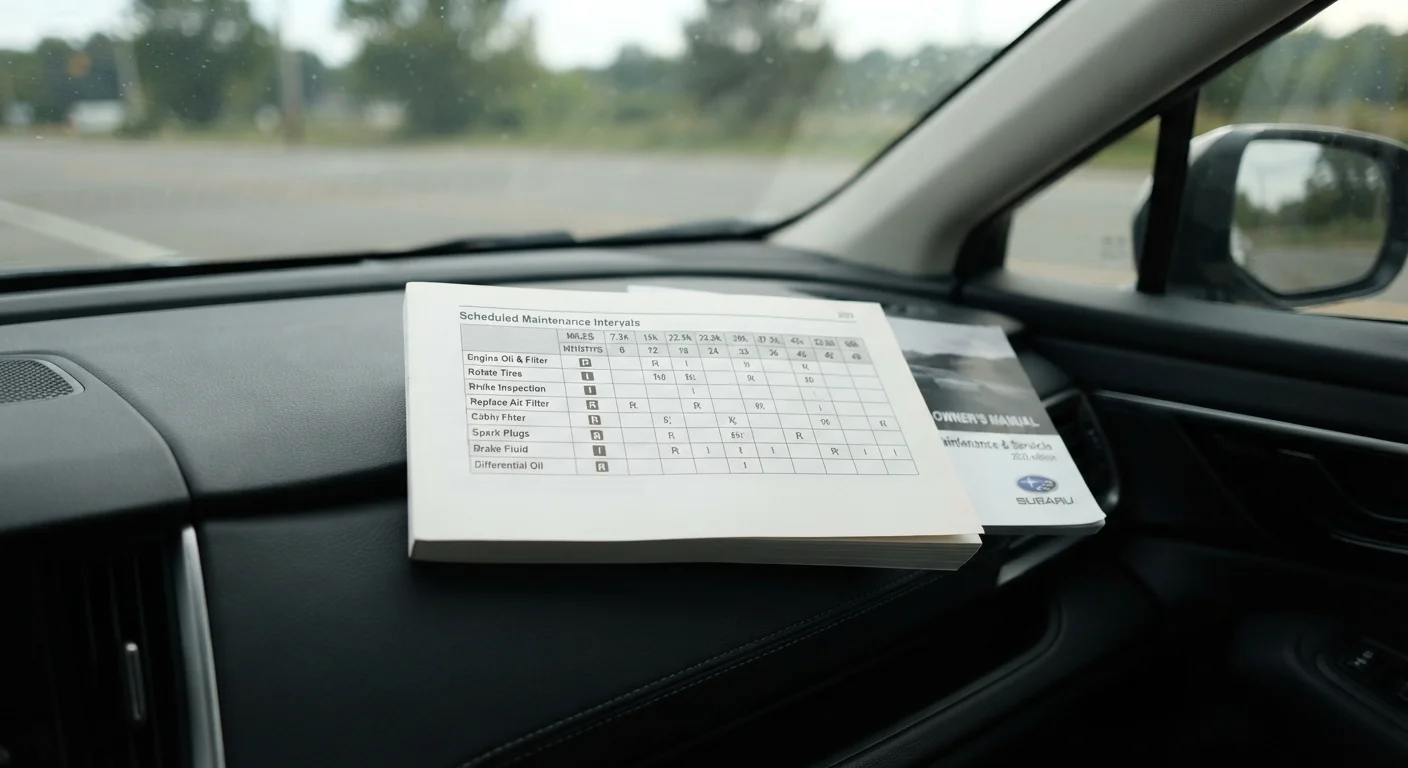
This checklist covers the checks every driver can realistically do at home, with notes on what's worth taking to a qualified mechanic. For a deeper look at what your car's manufacturer actually recommends, the owner's manual maintenance schedule is always the most reliable starting point for your specific vehicle.
Tires
Fluids
Battery and Electrical
Belts, Filters, and Wipers
Brakes and Safety Systems
What You'll Need Before You Start
Most seasonal checks are visual and require little more than a flashlight, a tire pressure gauge, and a clean rag. Having the right basics on hand makes the process faster and more accurate.
Tire pressure gauge
Measures tire PSI accurately so you can adjust to the correct inflation level.
Flashlight or work light
Illuminates engine bay components, tire sidewalls, and undercarriage areas during inspection.
Clean lint-free rags
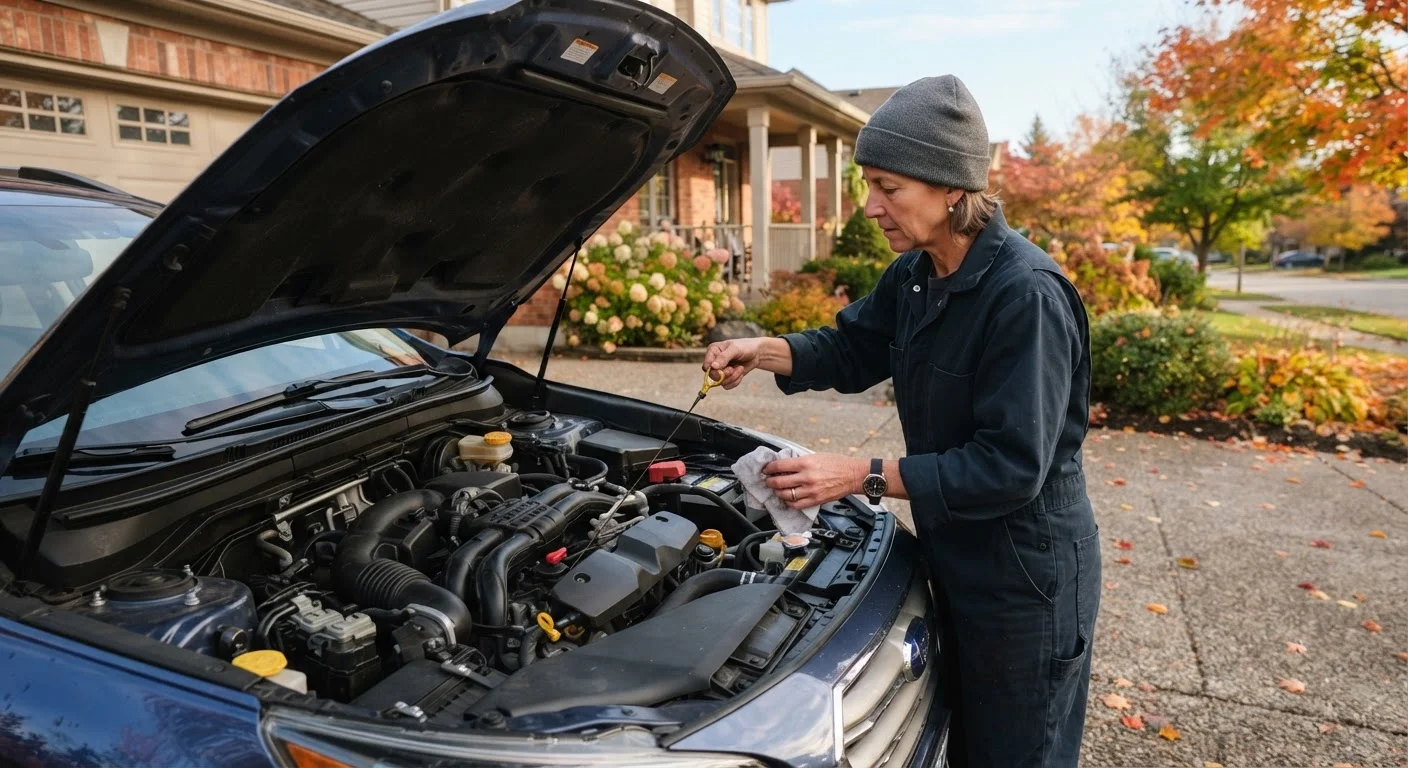
Used to wipe the dipstick clean before checking oil level and to clean up any spills.
Penny (coin)
A quick, no-tool method for checking tire tread depth at home.
Owner's manual
Provides the correct fluid specs, filter part numbers, and service intervals for your specific vehicle.
Funnel
Helps add fluids - washer fluid, coolant - cleanly without spills.
Never Check Coolant on a Hot Engine
Opening the coolant reservoir or radiator cap while the engine is hot can cause pressurized steam or fluid to release suddenly, causing burns. Always let the engine cool completely - typically at least 30 minutes after shutting off - before inspecting or topping off coolant. If you're unsure about any fluid check, a mechanic can walk you through it safely.
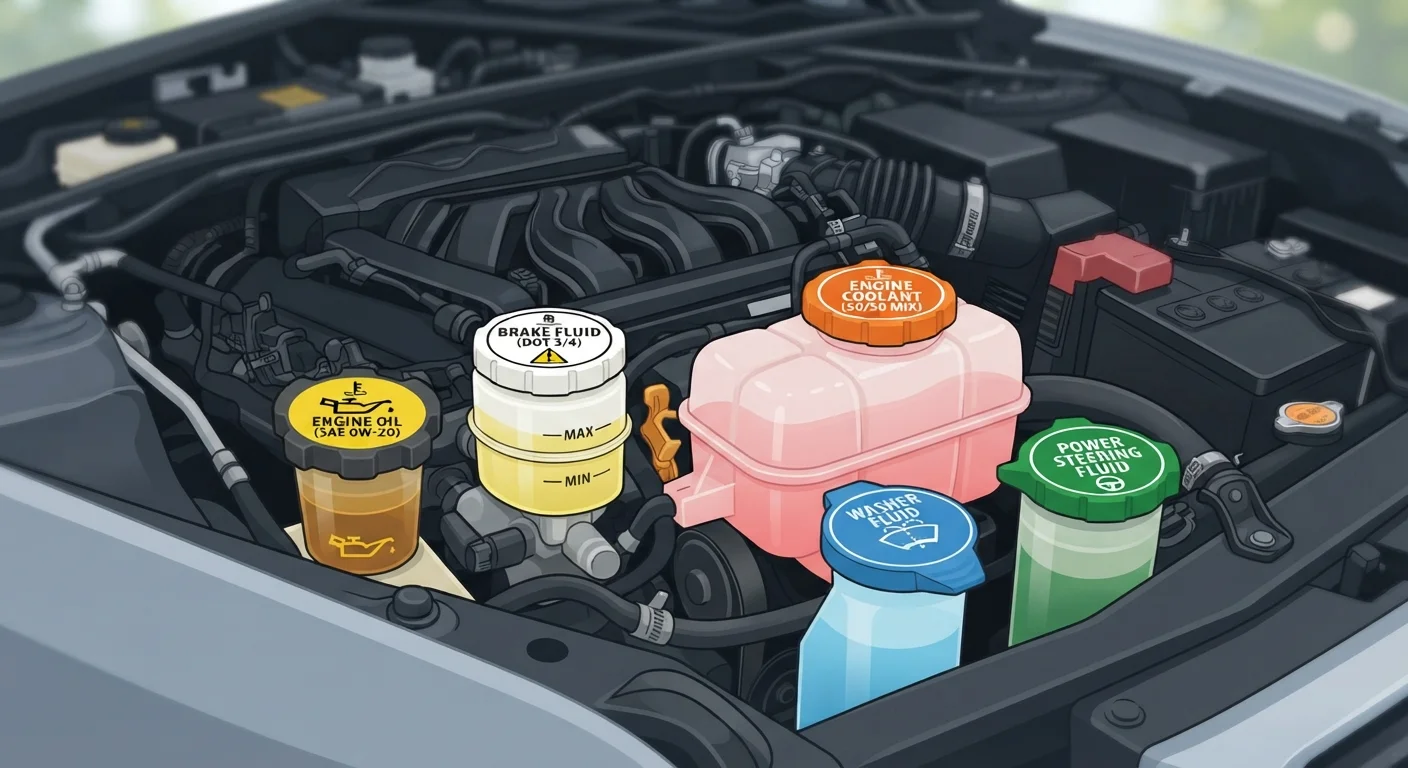
Once you're ready, work through each group below at a transition between seasons - ideally before the first cold snap in fall, right after the last freeze in spring, before a long summer road trip, and following any winter with heavy snow or road salt exposure. For a full picture of your car's fluid reservoirs - what each does and where to find them - the plain-language fluid guide walks through each one clearly.
Staying Road-Ready All Year
Running through 22 checks four times a year sounds like a lot until you realize many take under a minute each. The bigger time investment is usually the first time, when you're locating reservoirs, understanding your tire placard, or figuring out which cabin air filter your car uses. After that first pass, the routine gets noticeably faster.
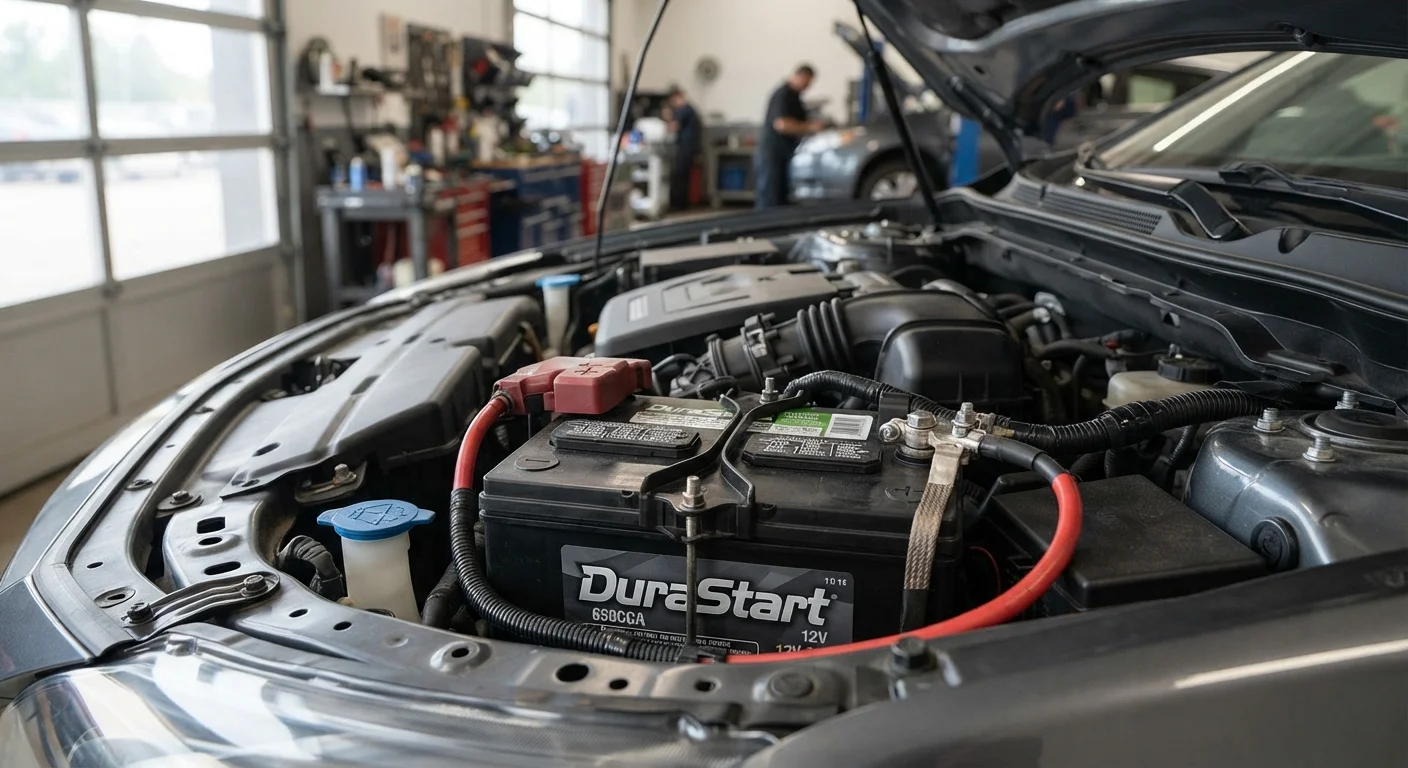
One area that catches many drivers off guard is the battery. Heat - not cold - is actually the leading cause of battery damage, meaning summer can quietly shorten a battery's life before winter makes it obvious. The battery lifespan guide explains how long batteries typically last and which warning signs to watch for before you're stuck.
If any seasonal check reveals an issue - a warning light, fluid that's dark and gritty, or tires worn past the wear bars - don't delay. Some of those items directly affect how your car handles in rain or low visibility. See driving techniques for hazardous conditions for context on how equipment condition ties into real road safety. And if a dashboard warning light comes on during any check, the dashboard warning light guide can help you understand what it's telling you and whether you need to act immediately.
For anything beyond a visual check - brake system work, timing belt replacement, or suspension components - bring your car to a qualified mechanic. If you're unsure whether a task is within your comfort zone, the DIY car maintenance guide helps you draw that line sensibly.
Brake Concerns Warrant a Mechanic, Not a Wait
Brake system issues - low fluid, grinding sounds, or a soft pedal - should never be deferred to the next seasonal check. Brakes are a primary safety system, and any sign of trouble warrants a prompt inspection by a qualified mechanic. Do not attempt brake component replacement unless you have confirmed training and appropriate tools.