Why Warning Lights Exist (and Why You Shouldn't Ignore Them)
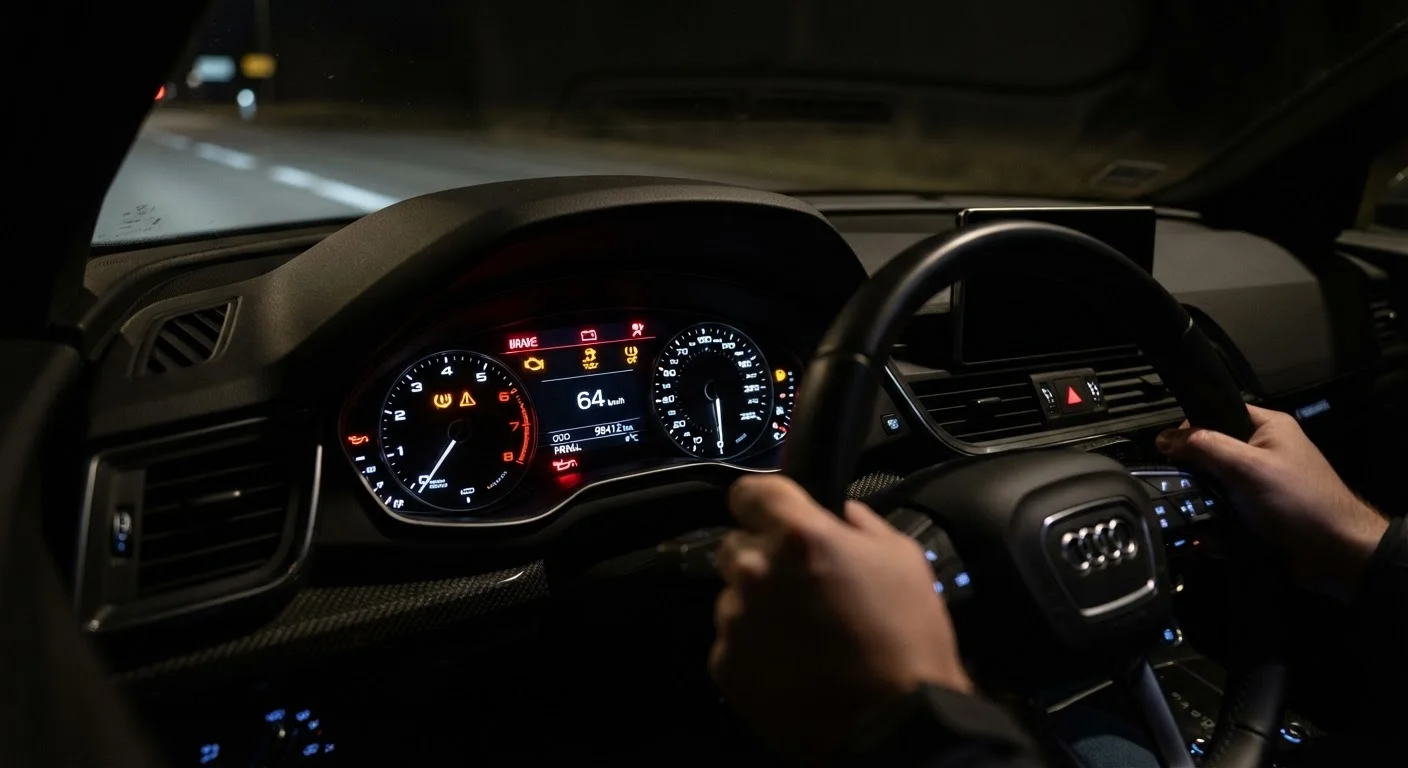
Modern vehicles are packed with sensors that continuously monitor everything from engine temperature to tire pressure. When something falls outside the normal range, the car flags it on your dashboard. These aren't suggestions - they're the vehicle's built-in communication system, and learning to read them is one of the most practical things any driver can do.
The good news: not every warning light demands an immediate roadside stop. The frustrating truth: some absolutely do. Knowing the difference keeps you safe and can prevent a minor issue from turning into a major repair bill. This guide covers the most common dashboard symbols in plain terms, including when to pull over now and when you have a little breathing room.
For a broader look at how visual symbols communicate on the road, see our guide to US road signs and their meanings.
| Number of sensors in modern vehicles | Dozens to hundreds, depending on the model |
| Most common cause of check engine light | Loose or faulty gas cap (evaporative emissions leak) |
| TPMS required in US vehicles since | 2008 (mandated by federal law for all new passenger cars) |
| Oil pressure warning response time | Pull over immediately - engine damage can occur within minutes |
| Correct tire pressure location | Driver's door jamb sticker, not the tire sidewall |
The Most Common Warning Lights, Explained
Check Engine Light
This is the one that makes most drivers anxious - and for good reason. It covers an enormous range of issues, from a loose gas cap to a failing catalytic converter. If it's solid (not flashing), you can typically drive to a mechanic soon. If it's flashing, that usually indicates an active engine misfire that can damage the catalytic converter - pull over safely and get the car checked promptly. A mechanic can read the stored diagnostic code to pinpoint the cause.
Oil Pressure Warning
This light - often shaped like an old oil can - means your engine isn't getting adequate oil pressure. This is a stop now situation. Running an engine with low oil pressure can cause severe internal damage within minutes. Pull over safely, shut off the engine, and check your oil level before proceeding.
Battery / Charging System
A battery symbol usually means the electrical system isn't charging properly. The alternator (the component that recharges the battery while you drive) is the most common culprit. You may have limited driving time before the car loses power entirely, so head to a shop without delay.
Tire Pressure (TPMS)
The TPMS light - a cross-section of a tire with an exclamation point - lights up when one or more tires is significantly under- or over-inflated. Check all four tires with a gauge and inflate to the pressure listed on the sticker inside your driver's door jamb, not the number on the tire sidewall.
Temperature Warning
If this light (a thermometer in liquid) turns red, your engine is overheating. Turn off the air conditioning, and if the temperature doesn't drop quickly, pull over and let the engine cool. Never open a hot radiator cap - steam and coolant under pressure can cause serious burns.
Brake Warning Light
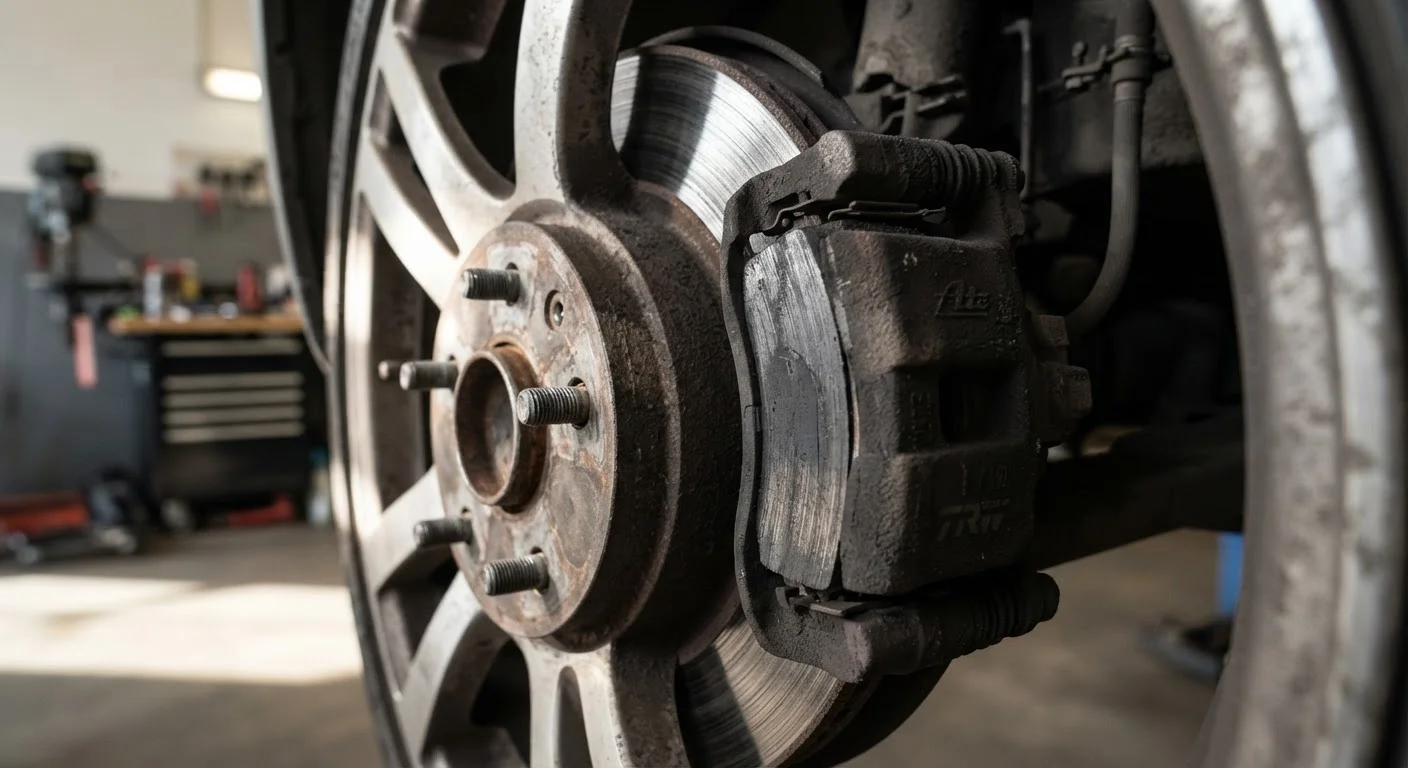
This can mean several things: the parking brake is still engaged, brake fluid is low, or there's a fault in the brake system itself. Release the parking brake first. If the light stays on, have the brakes inspected - this isn't something to delay. For more detail on brake symptoms, see our article on reading brake wear signs before something goes wrong.
Diagnostic Trouble Code (DTC)
A standardized code stored by a vehicle's onboard computer when a sensor detects a problem. Mechanics use a scan tool to read these codes and identify the source of a warning light.
TPMS
Tire Pressure Monitoring System. A sensor-based system that alerts the driver when tire pressure drops significantly below the recommended level.
Alternator
A generator driven by the engine that keeps the battery charged while the car is running. A failing alternator is a common cause of battery warning lights.
Catalytic Converter
An emissions control device in the exhaust system that converts harmful gases into less harmful ones. Engine misfires can damage it, which is why a flashing check engine light is treated as urgent.
Oil Pressure
The force that pushes motor oil through an engine's internal passages to lubricate moving parts. Low oil pressure can cause catastrophic engine damage very quickly.
Color Coding: What the Light Color Tells You
Dashboard lights follow a loose traffic-light logic that's worth understanding at a glance:
- Red: Urgent - stop or act immediately. These typically involve safety-critical systems like brakes, oil pressure, or engine temperature.
- Amber/Yellow/Orange: Attention needed - not an emergency, but don't ignore it. TPMS and check engine lights often fall here.
- Green or Blue: Informational - a system is active (e.g., high beams on, turn signal engaged). No action needed.
This color system isn't universal across every manufacturer, but it's a reliable starting point for most vehicles sold in the US. Always consult your owner's manual for your specific vehicle - it's the definitive reference for your car's exact symbols and what they mean.
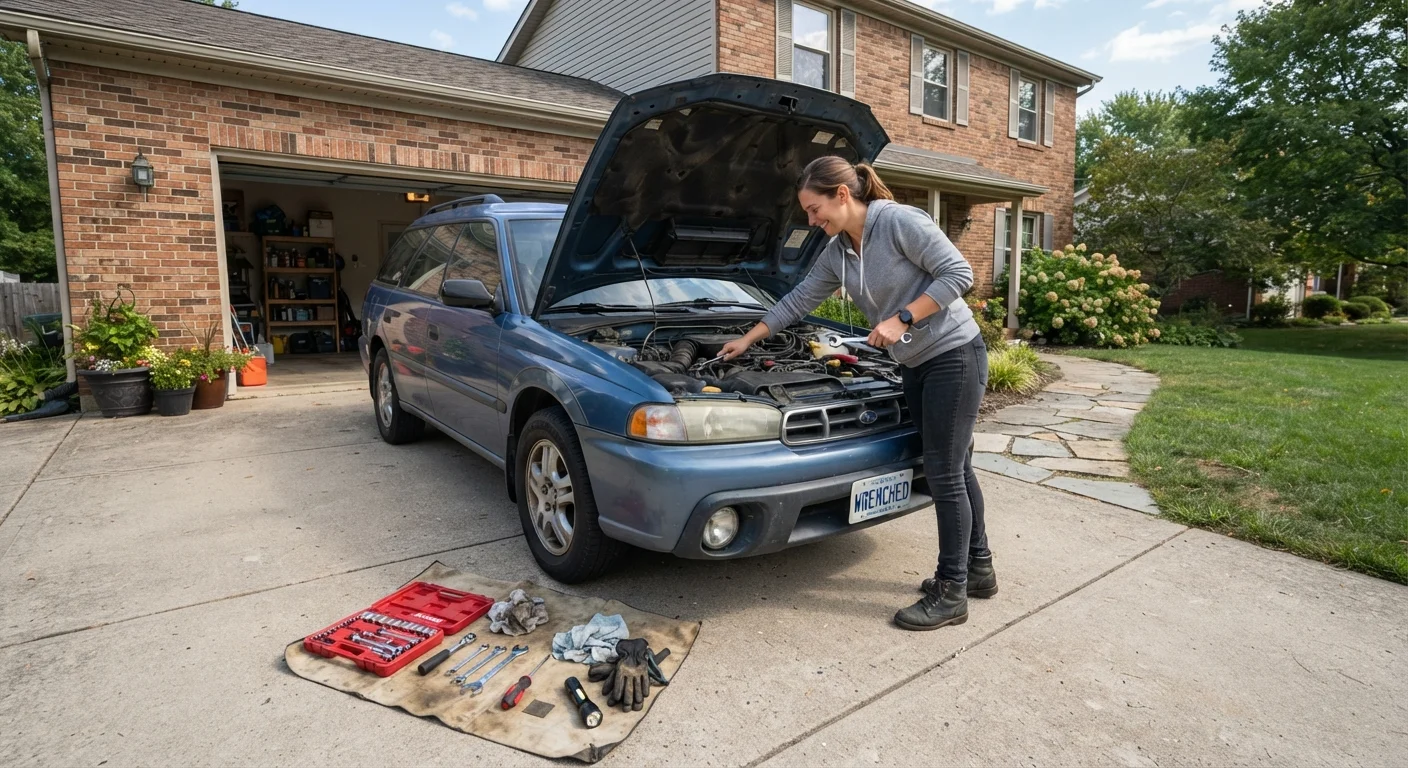
Once you understand what your warning lights are signaling, you may want to know which follow-up tasks are safe to handle yourself. Our guide to DIY car maintenance can help you decide when to roll up your sleeves and when to call a pro. For more on navigating vehicle ownership, visit our Car Ownership Basics hub.