Why the Law Requires Insurance
Auto insurance mandates aren't just bureaucratic red tape - they exist because car accidents cause real harm to real people. Liability insurance ensures that when a driver causes an injury or damages someone's property, there's a financial backstop available to the victim. Without it, injured parties would have to sue individual drivers personally, often with little hope of collecting anything.
Most states require at minimum what's known as liability coverage: a policy that pays out to other people when you're at fault. To understand exactly what those coverage types mean, see our full breakdown of what auto insurance actually covers. The minimums are set by each state, which is why requirements differ depending on where you live.
State Rules Vary Significantly
Minimum insurance requirements, fine amounts, and enforcement mechanisms differ from state to state. A few states have historically allowed alternatives to traditional insurance, though this is changing. Always check your specific state's DMV website for current requirements rather than relying on general guidelines.
Immediate Legal Consequences
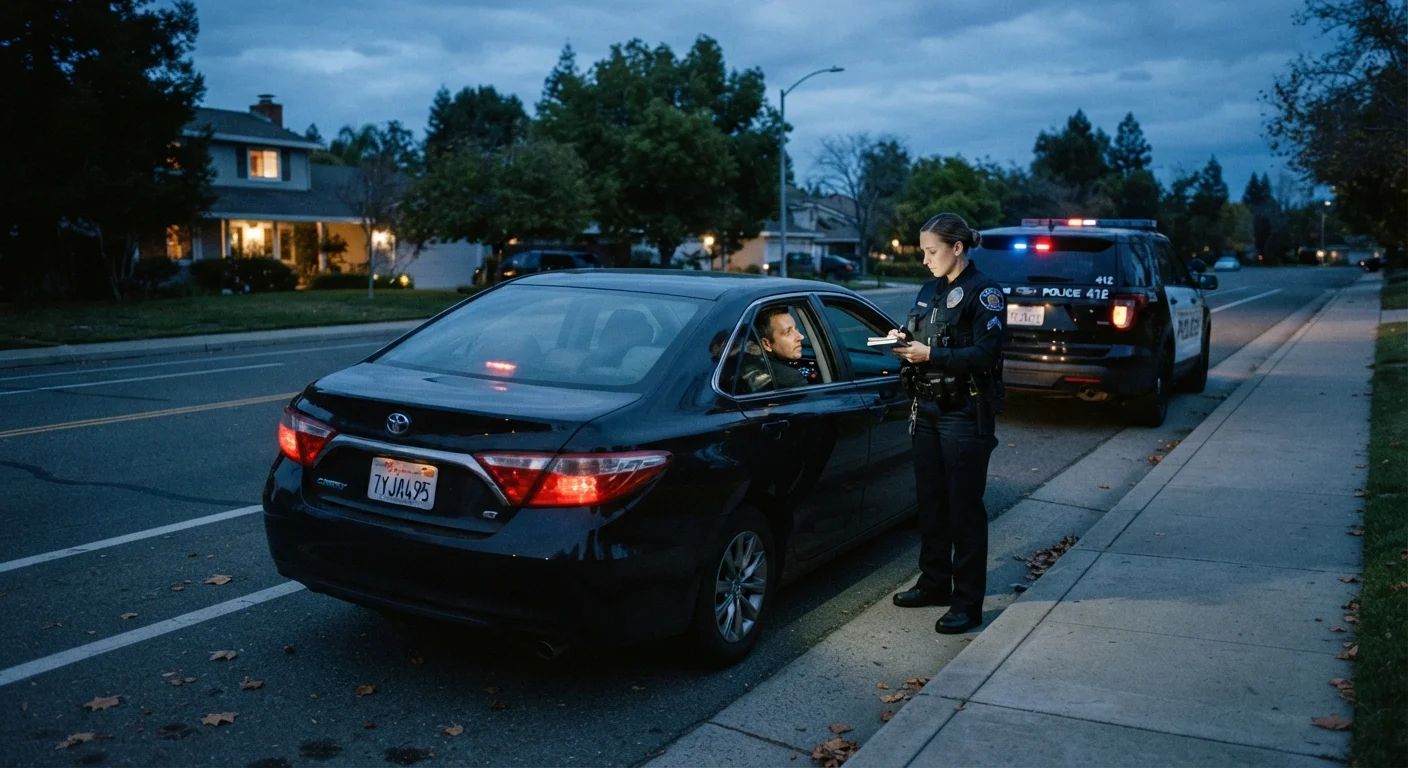
If you're caught driving without insurance - whether at a traffic stop, a checkpoint, or following an accident - the consequences start immediately. Common penalties include:
- Fines: These vary by state but often start around $100-$200 for a first offense and can climb into the thousands for repeat violations.
- License suspension: Many states automatically suspend your driving privileges until you prove you have coverage.
- Vehicle impoundment: Some states allow or require police to impound your car on the spot.
- SR-22 requirement: After a violation, many states require you to file an SR-22 - a certificate your insurer files with the state to confirm you're covered. This typically triggers higher premiums for several years.
These aren't theoretical outcomes. States increasingly use electronic databases to cross-check registration records against active insurance policies, meaning lapses can be flagged without a traffic stop. This is related to why keeping your registration current matters - the two are often monitored together.
Don't Let Coverage Lapse - Even Briefly
If you're between vehicles or temporarily not driving, ask your insurer about a non-owner policy or a coverage suspension option. A clean, continuous insurance history costs less in the long run than restarting after a gap. Even a short lapse can be flagged by state monitoring systems.
Financial Exposure If You Cause an Accident
The legal penalties are costly enough, but the bigger financial danger comes if you're uninsured and cause an accident. Without liability coverage, you are personally responsible for the other party's medical bills, vehicle repairs, lost wages, and potentially pain and suffering damages.
A serious accident involving injuries can easily generate six figures in medical expenses alone. If the other party sues and wins a judgment against you, they may be able to garnish wages or place liens on property to collect what they're owed. There's no insurance company to negotiate on your behalf or absorb the payout.
~14%
U.S. drivers estimated to be uninsured
According to the Insurance Research Council, roughly one in seven drivers on U.S. roads carries no auto insurance.
$1,000+
Typical fine range for repeat uninsured driving
State penalty schedules vary, but repeat uninsured driving offenses commonly result in fines exceeding $1,000, not counting court costs or reinstatement fees.
Even if the accident is minor, handling it without insurance means negotiating directly with the other driver and paying out of pocket - a stressful and uncertain process. For context on how insurers calculate risk and pricing, including how your record affects what you pay, it helps to understand the full picture before letting coverage lapse.
Long-Term Effects on Future Coverage
Once you're ready to get insured again - or if you're applying with a new insurer - an uninsured driving record follows you. Insurers view a gap in coverage or a prior uninsured violation as evidence of elevated risk, and they price policies accordingly. Rates can be noticeably higher for years after such an incident.
Some drivers assume that going without insurance for a short period saves money. In practice, the higher premiums that follow - combined with any fines paid - typically outweigh whatever was saved. Our article on common auto insurance myths addresses this and other misconceptions that lead drivers to make costly decisions.
It's also worth knowing that standard policies have gaps even when you do have coverage. Reviewing what's actually included - and what isn't - can help you avoid surprises. See coverage gaps that catch drivers off guard for a plain-language rundown.
This article provides general information about the legal and financial consequences of driving without insurance and is not legal or financial advice. Laws vary by state; consult your state's DMV or a licensed professional for guidance specific to your situation.