Why Registration Isn't Just a Formality
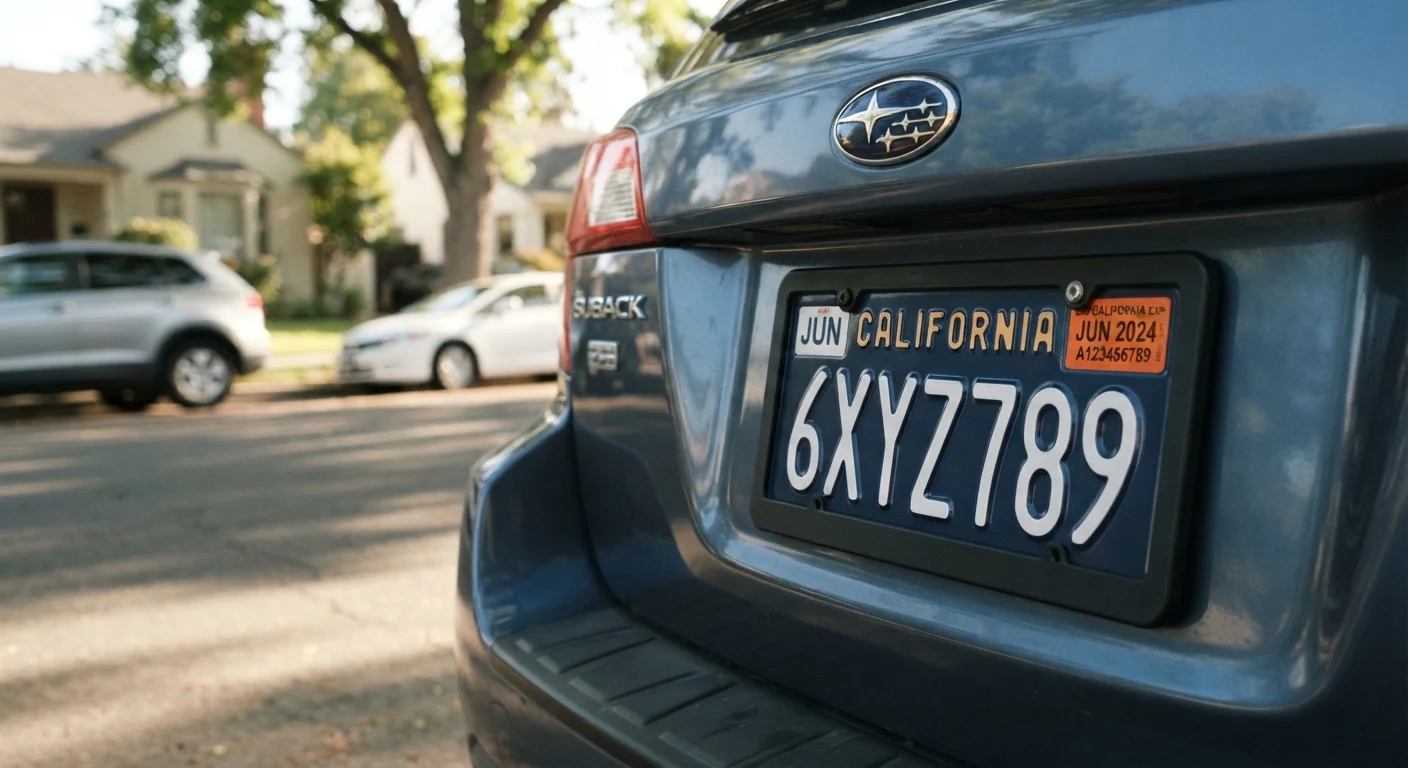
Vehicle registration is the government's official record that your car is legally authorized to operate on public roads. It ties your vehicle's identification number, ownership details, and tax or fee payments to a verifiable state record. Without a current registration, that chain breaks - and law enforcement has both the authority and the tools to notice.
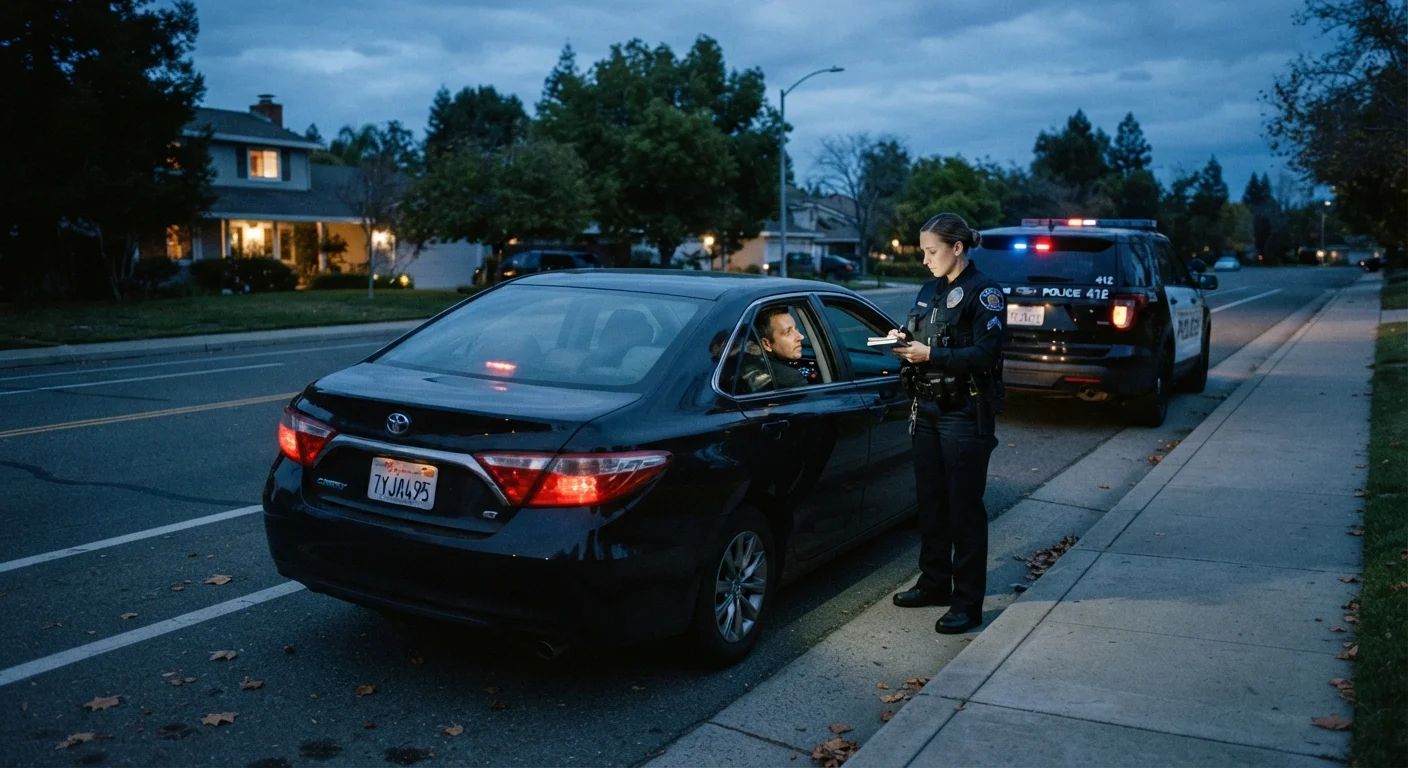
Officers can run plates in seconds. An expired registration shows up immediately, and the resulting stop can escalate quickly depending on your state's rules. Beyond the legal exposure, registration fees often fund road maintenance and local infrastructure, so the system is designed with real consequences for non-compliance. For a broader look at the full scope of ownership responsibilities, see the complete car ownership guide.
What Can Actually Happen If You Let It Lapse
The consequences of expired registration range from inconvenient to genuinely serious, depending on how long the lapse runs and your state's enforcement posture.
Renew before the expiration date, not after it.
Even a single day past expiration makes your vehicle technically non-compliant. Many states impose late fees that increase the longer you wait, and there's no grace period in some jurisdictions.
Understand your state's specific requirements before renewal.
Renewal requirements vary widely - some states require emissions testing, others require proof of insurance, and fee structures differ significantly. Going in unprepared can delay the process.
Keep your registration document in the vehicle at all times.
Officers can ask to see your registration during any traffic stop. Not having it on hand - even if it's technically current - can result in additional citations in some states.
Update your address with the DMV whenever you move.
Renewal notices go to the address on file. If yours is outdated, you may miss your renewal window entirely and only discover the lapse during a traffic stop.
Set a personal reminder at least 30 days before your renewal date.
State notices can be delayed, lost in the mail, or filtered into a spam folder. A personal reminder acts as a backup that doesn't depend on the system working perfectly.
It's also worth knowing that an expired registration can intersect with your insurance situation in unexpected ways. While registration status alone typically doesn't void a policy, some insurers may scrutinize a claim more closely if your vehicle wasn't legally registered at the time of an accident. For related context, see what happens if you drive without insurance.
How the Renewal Process Works
Most states send a renewal notice by mail - or increasingly by email - a few weeks before your registration expires. That notice typically includes the fee amount, due date, and instructions for renewing online, by mail, or in person at a DMV or tag office.
Fees and Timelines Vary by State
There is no single national standard for vehicle registration fees or renewal timelines. Costs can range from under $30 to well over $100 depending on the state, vehicle weight, and local surcharges. Always check your state's official DMV or motor vehicle agency website for accurate, current information before assuming what you'll owe.
Some states require a passing emissions test or a vehicle safety inspection before they'll issue a renewed registration. If your car needs repairs to pass, factor in that extra time. Scheduling the inspection well before your expiration date gives you a buffer to address any issues without scrambling.
Staying on top of registration is a lot like staying on top of routine maintenance. Both are easy to delay, and both carry real costs when you do. The seasonal car check-up routine is a good companion habit - pairing your renewal with a seasonal vehicle review keeps everything on one schedule.