Why Credit Score Myths Are Costly
Credit scores shape access to mortgages, car loans, rental apartments, and in some cases even job applications. Despite this, a surprising number of Americans operate on outdated or simply wrong assumptions about how these scores work - and those assumptions can translate directly into higher interest costs, unnecessary anxiety, or missed opportunities to improve their financial standing.
The misconceptions below are among the most persistent. Each one has a clear, evidence-based correction. Understanding them won't just satisfy curiosity - it may change how you manage credit going forward.
This article is for general informational purposes only and does not constitute personalized financial advice. Consult a qualified financial professional for guidance specific to your situation.
The Myths - And What's Actually True
Work through each myth-and-fact pair below. Some of these may confirm what you already suspected; others might genuinely surprise you.
Myth
Checking your own credit score will lower it.
Fact
Checking your own score is a 'soft inquiry' and has absolutely no impact on your credit score.
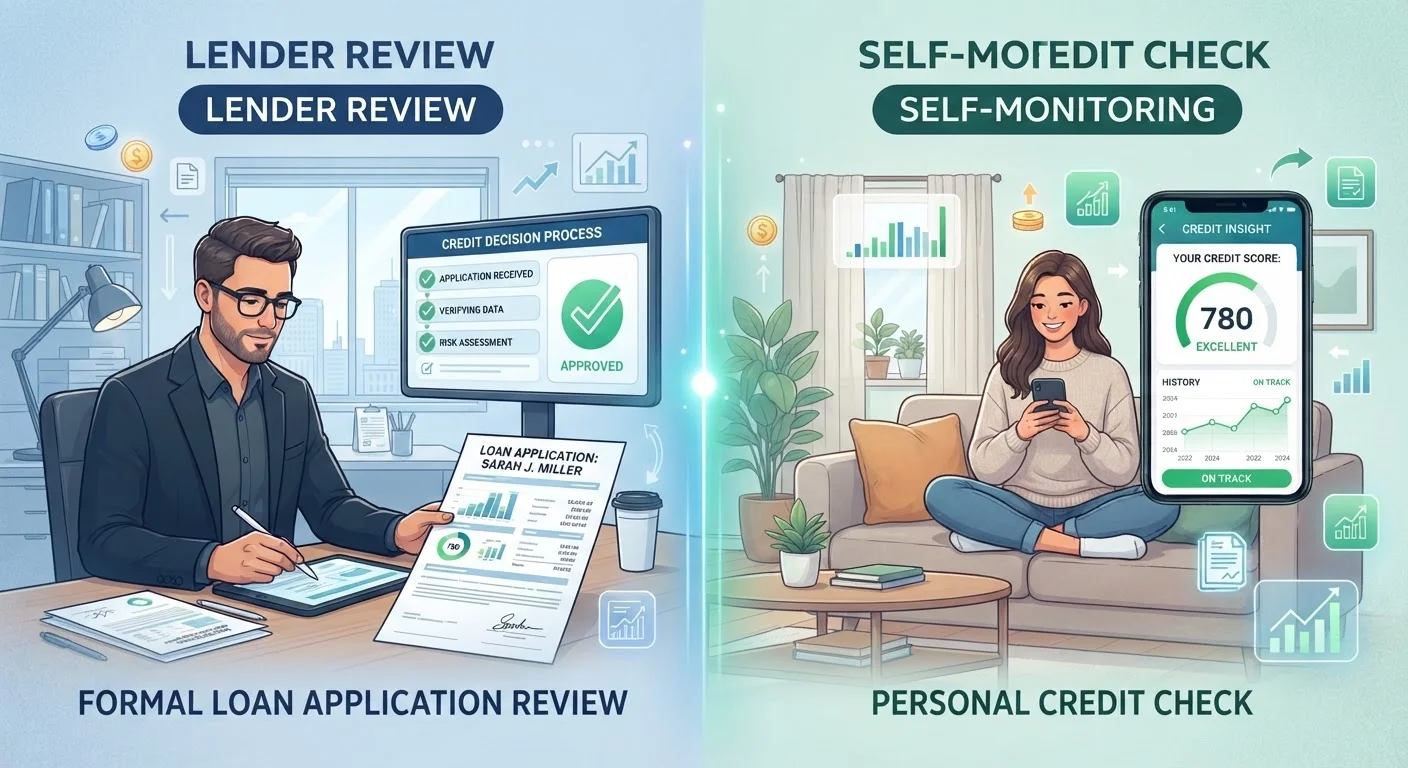
This myth stops many people from monitoring their own credit - which is exactly the opposite of what they should do. When you check your score through a credit bureau, a bank app, or a monitoring service, it registers as a soft inquiry. Soft inquiries are invisible to lenders and carry zero scoring weight. Only hard inquiries - typically triggered when you apply for a new loan or credit card - can temporarily affect your score, usually by a small amount. See how hard and soft inquiries differ for a fuller breakdown.
Myth
You need to carry a balance on your credit card to build credit.
Fact
Paying your balance in full each month builds credit just as effectively - and costs you nothing in interest.
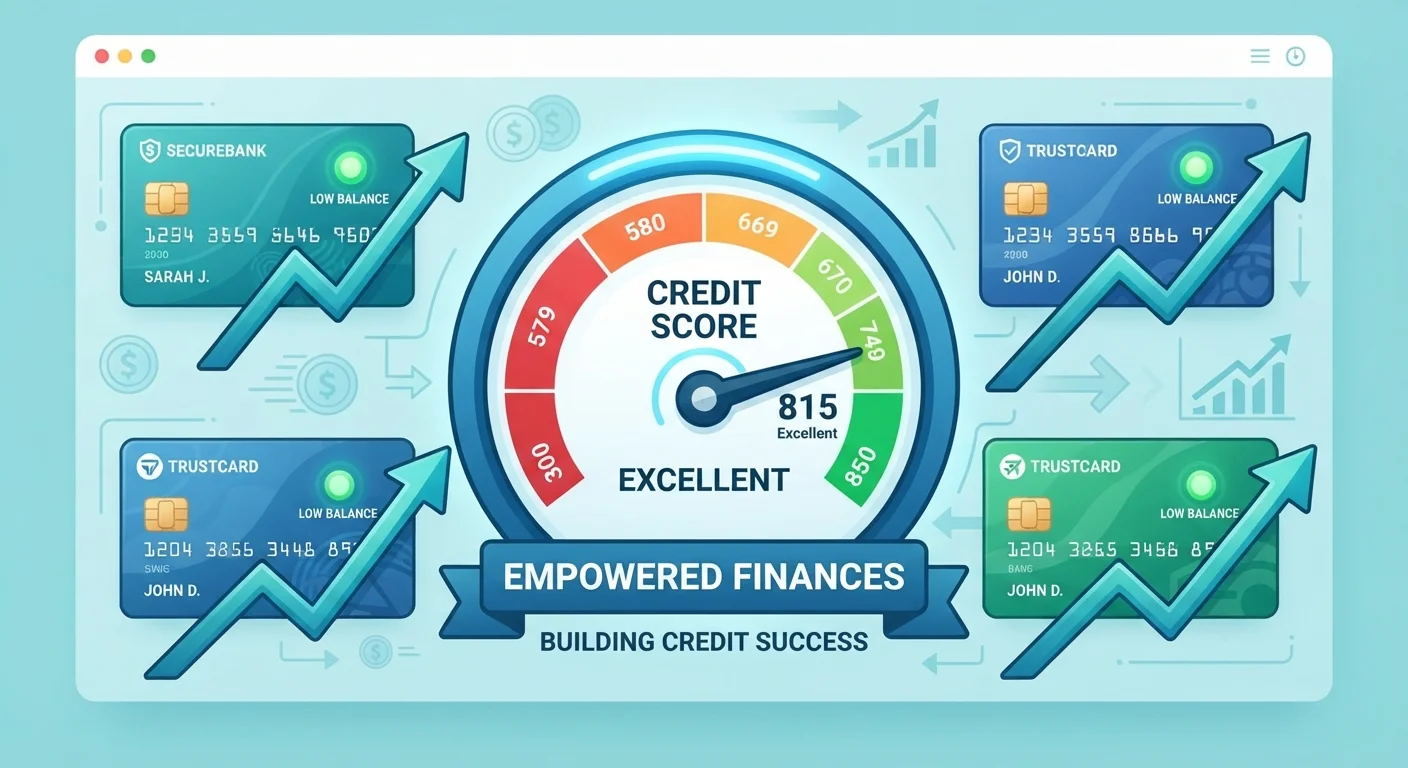
Lenders report your account activity to credit bureaus regardless of whether you pay in full or carry a balance. What matters to your score is that you use the card and pay on time - not that you let interest accrue. Carrying a balance month-to-month means paying unnecessary interest charges. Worse, a higher carried balance increases your credit utilization ratio, which can actually lower your score. Understanding credit utilization is key to avoiding this common mistake.
Myth
Your income directly affects your credit score.
Fact
Credit scoring models do not factor in your salary, employment status, or net worth.
This surprises many people, but credit scores are built entirely around how you manage debt - not how much money you make. A high earner who misses payments will score lower than a moderate earner who pays consistently on time. Lenders may consider income separately when evaluating a loan application, but that assessment is independent of the credit score itself. What your credit score actually measures explains the five specific factors that do count.
Myth
Closing old or unused credit cards improves your score.
Fact
Closing old accounts often reduces your available credit and can shorten your credit history - both of which may lower your score.
It seems logical that fewer open accounts would look cleaner to lenders, but credit scoring models reward a long, well-managed history. Closing an old account can reduce your total available credit, which pushes up your utilization ratio even if your balances stay the same. It may also lower the average age of your accounts, another factor that influences your score. Unless an account carries fees you can't justify, keeping older accounts open and occasionally using them is generally the lower-risk approach.
Myth
Paying off a debt removes it from your credit report immediately.
Fact
Paid-off debts - including accounts with negative history - typically remain on your report for up to seven years.
Paying off a debt is always a sound financial move, but it doesn't erase the record of how that debt was managed. If an account had late payments or went to collections before you settled it, that history remains on your credit report for up to seven years from the date of first delinquency. The good news: the scoring impact of older negative marks generally diminishes over time, especially when more recent accounts show responsible behavior.
Myth
You only have one credit score.
Fact
There are multiple credit scoring models, and your score can vary depending on which bureau and model is used.
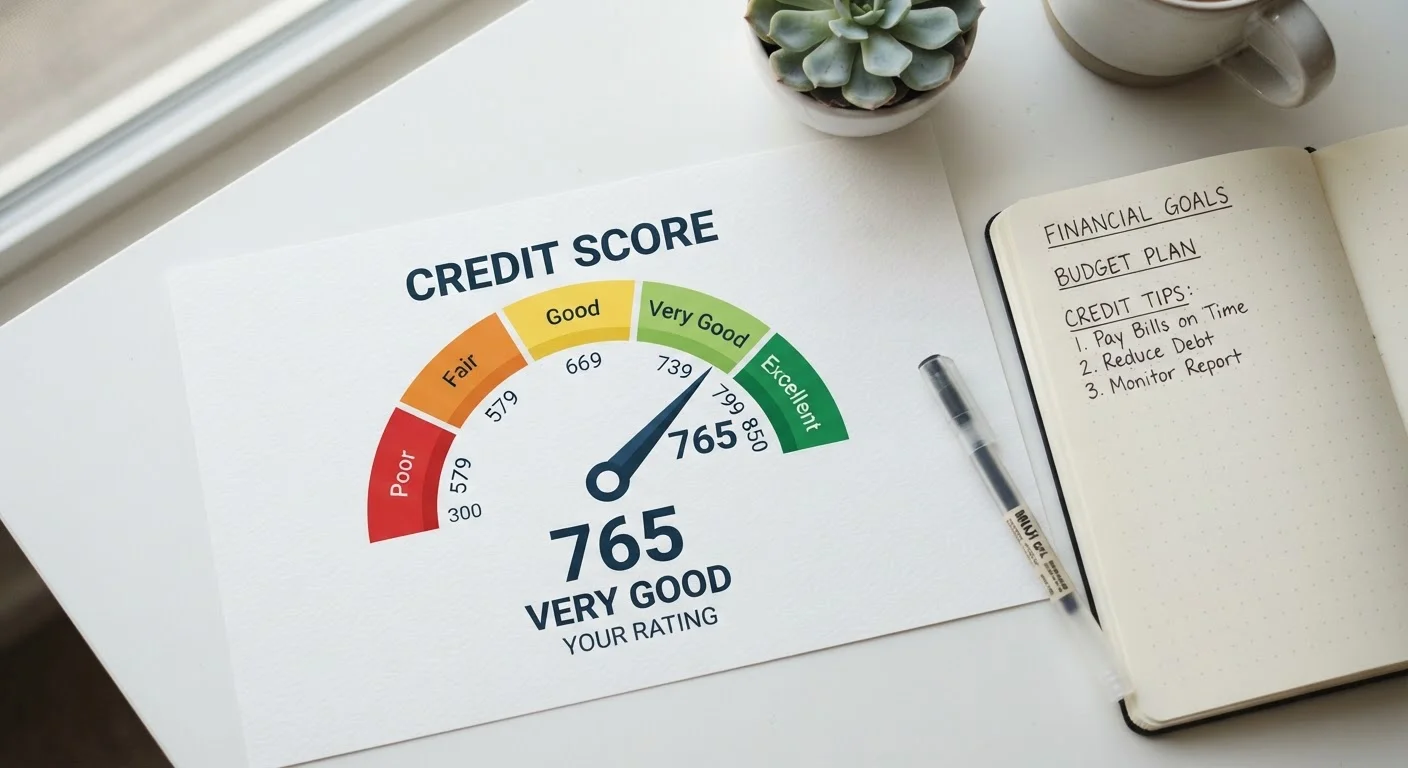
The three major credit bureaus - Equifax, Experian, and TransUnion - each maintain their own file on you, and lenders may report to one, two, or all three. Different scoring models (such as various versions of FICO and VantageScore) weight factors slightly differently, and each bureau may have slightly different information. This is why the score you see through a free monitoring tool may not match what a mortgage lender pulls. Understanding credit score ranges can help you interpret whatever number you're looking at.
For a closer look at the borrowing habits that quietly damage credit over time, that companion piece is worth reading alongside this one.
What Actually Moves the Needle
35%
Weight of payment history in FICO scores
According to FICO's published score factor breakdown, on-time payment history is the single largest contributor to your credit score.
30%
Weight of amounts owed (utilization)
FICO's model attributes roughly 30% of your score to how much of your available credit you're currently using across all accounts.
7 years
How long most negative items stay on your report
Under the Fair Credit Reporting Act (FCRA), most negative information - including late payments and collections - can remain on your credit report for up to seven years.
Credit scores are calculated from five broad categories: payment history (the most heavily weighted), amounts owed relative to available credit, length of credit history, credit mix, and recent new credit applications. Consistent on-time payments and keeping utilization low are the two factors most within your immediate control - and the two that matter most.
If any part of how scores are built still feels opaque, what your credit score actually measures offers a plain-language walkthrough of each component.
Don't Ignore Errors on Your Credit Report
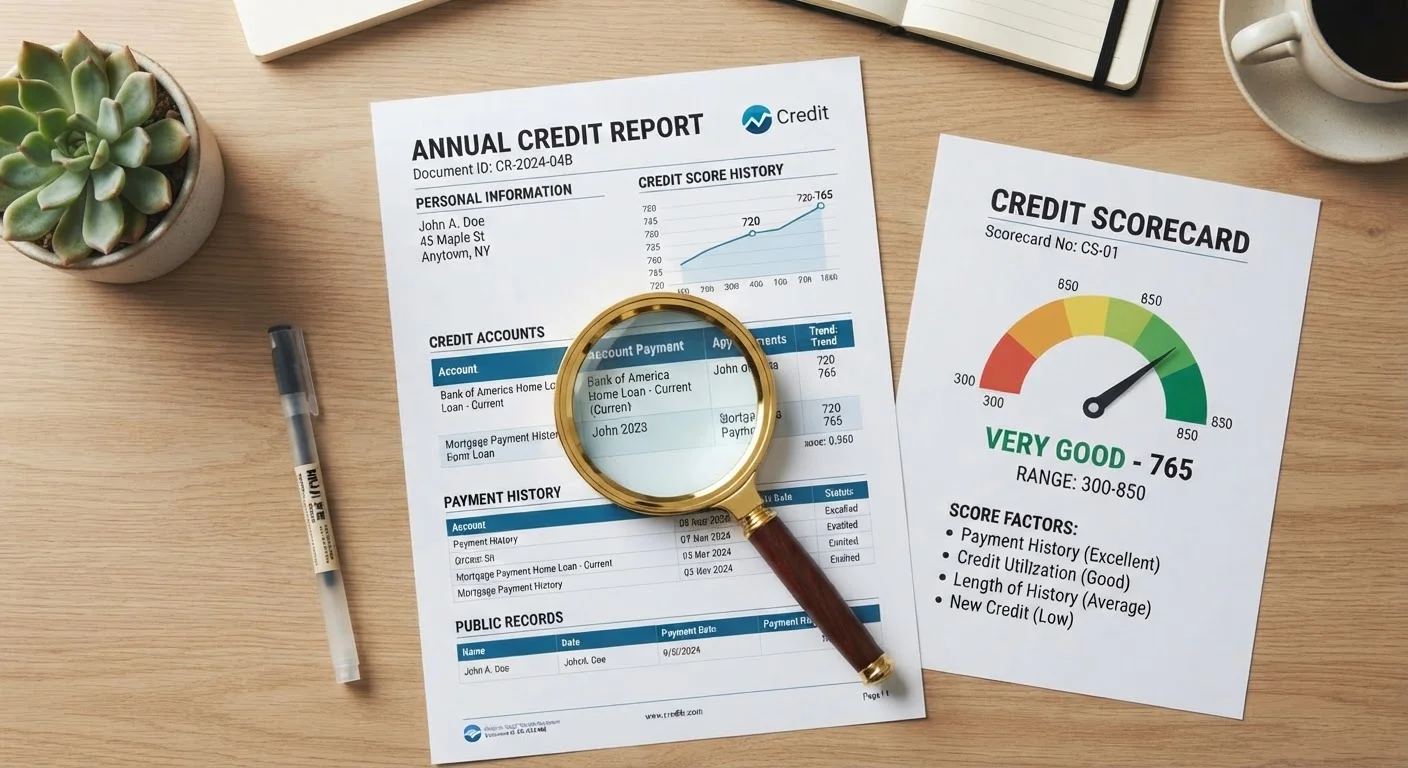
Inaccurate information on your credit report can drag your score down without your knowledge. You're entitled to a free report from each of the three major bureaus periodically through AnnualCreditReport.com. Review each report carefully and dispute any errors directly with the reporting bureau. Unresolved errors can affect loan approvals and interest rates.