
What a Credit Report Actually Is
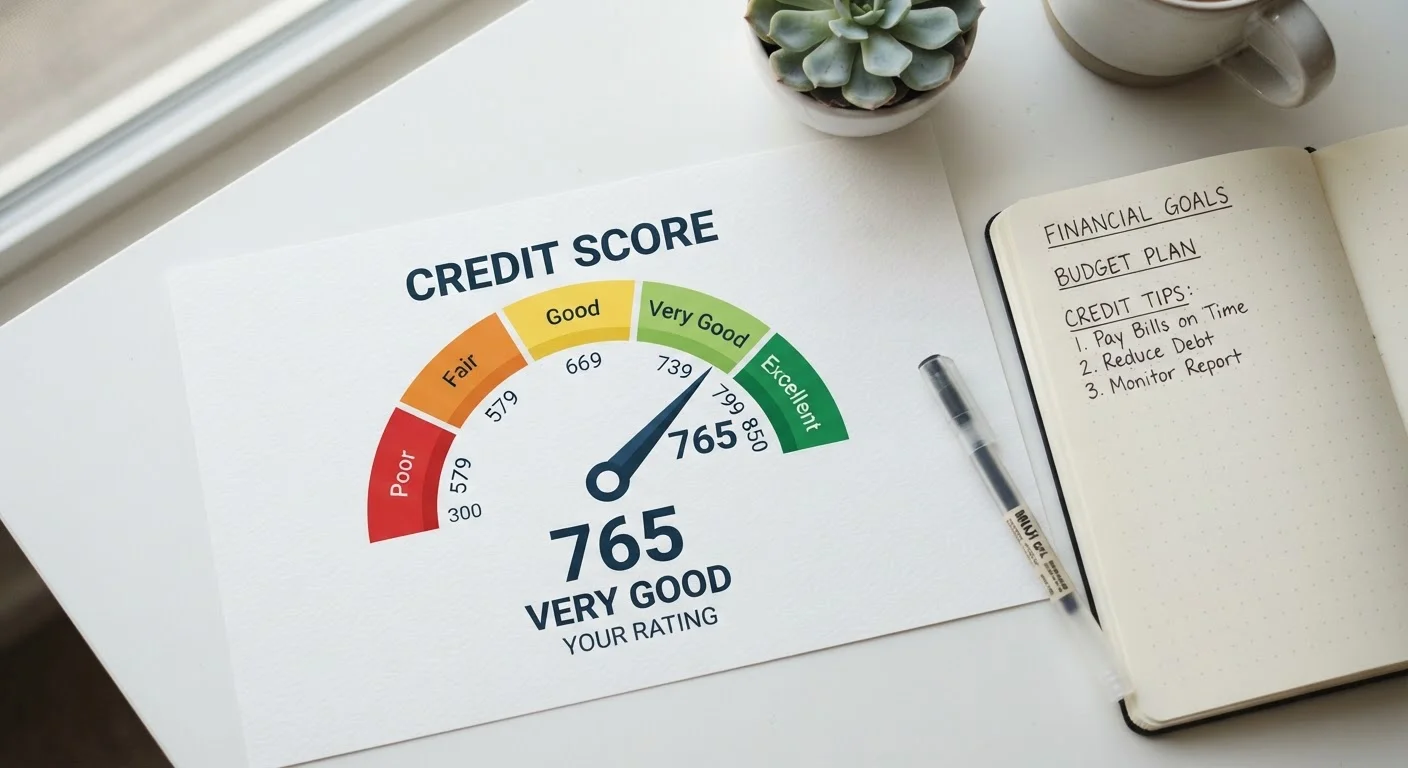
A credit report is a detailed record of how you've managed borrowed money over time. It's compiled by the three major credit bureaus - Equifax, Experian, and TransUnion - based on information reported by lenders, credit card issuers, and other creditors. Importantly, your credit report and your credit score are different things: the report is the raw data; the score is a number calculated from that data. To understand what your credit score actually measures, you first need to be comfortable reading the underlying report.
Under federal law, you're entitled to one free report from each bureau every 12 months through AnnualCreditReport.com - the only federally authorized source. Because each bureau may hold slightly different information, it's worth pulling all three periodically.
What you will need
The Five Sections of a Credit Report
Most credit reports follow a consistent structure with five core sections. Here's what each one contains and why it matters.
1. Personal Information
This section lists your name, current and past addresses, date of birth, Social Security number (partially masked), and employment history as reported by creditors. This data doesn't affect your credit score, but errors here - like a wrong address or misspelled name - can sometimes indicate mixed files or early signs of identity theft.
2. Account Information (Trade Lines)
This is the largest and most important section. Each credit account you've opened - credit cards, mortgages, auto loans, student loans - appears as a trade line showing the lender's name, account type, opening date, credit limit or loan amount, current balance, and payment history. Payment history is the single biggest factor in your score, so scan this section carefully for any accounts that show late or missed payments you don't recognize. For more context on how balances relative to limits factor in, see our explainer on the credit utilization ratio.
3. Public Records
This section records legally filed financial events such as bankruptcies. Judgments and tax liens were removed from consumer credit reports following a policy change by the bureaus, but bankruptcies still appear - a Chapter 7 bankruptcy can remain for up to 10 years.
4. Inquiries
Every time someone accesses your credit file, an inquiry is logged. Hard inquiries occur when you apply for new credit and can temporarily affect your score; soft inquiries - such as checking your own report or pre-approval checks - do not. If you see hard inquiries you don't recognize, that's a potential red flag for fraud. Our companion article on hard and soft credit inquiries explains the distinction in detail.
5. Collections
Accounts that have been sold to third-party debt collectors appear here, separate from the original trade line. A collection entry can significantly drag down your score and remains for seven years from the original delinquency date.
Stagger Your Bureau Requests Throughout the Year
Instead of pulling all three reports at once, consider requesting one bureau's report every four months. This gives you a rolling view of your credit file and makes it easier to spot new errors or unfamiliar accounts as they appear, rather than reviewing everything once a year.
How to Spot and Dispute Errors
Studies have found that a meaningful share of credit reports contain at least one error, and some of those errors are significant enough to affect loan approvals or interest rates. Common mistakes include accounts that don't belong to you, incorrect balances, payments marked late that were actually on time, and duplicate accounts.
Errors Can Affect Real Financial Decisions
An inaccurate late payment or an account that doesn't belong to you can lower your score enough to affect loan approval odds or interest rates. Don't assume errors are too small to matter - even a modest score impact can translate to meaningful cost differences over the life of a mortgage or auto loan. Disputing errors is free and your legal right under the Fair Credit Reporting Act.
To dispute an error, you have the right to contact either the bureau reporting it or the creditor that furnished the information - or both. Each bureau accepts disputes online, by mail, or by phone. Under the Fair Credit Reporting Act (FCRA), the bureau generally has 30 days to investigate your claim. If the furnisher can't verify the information, it must be corrected or removed.
Keep documentation of everything: screenshots, written correspondence, and confirmation numbers. If an error involves a pattern of suspicious accounts you didn't open, consider placing a fraud alert or credit freeze with all three bureaus.
Once you've reviewed the structure and accuracy of your report, you'll be better positioned to understand habits that may be working against you over time - something worth examining in our article on borrowing habits that quietly damage credit.
This article is for general informational and educational purposes only and does not constitute personalized financial or legal advice. For guidance specific to your situation, consult a qualified financial adviser or credit counselor.