The Core Idea: Interest on Interest
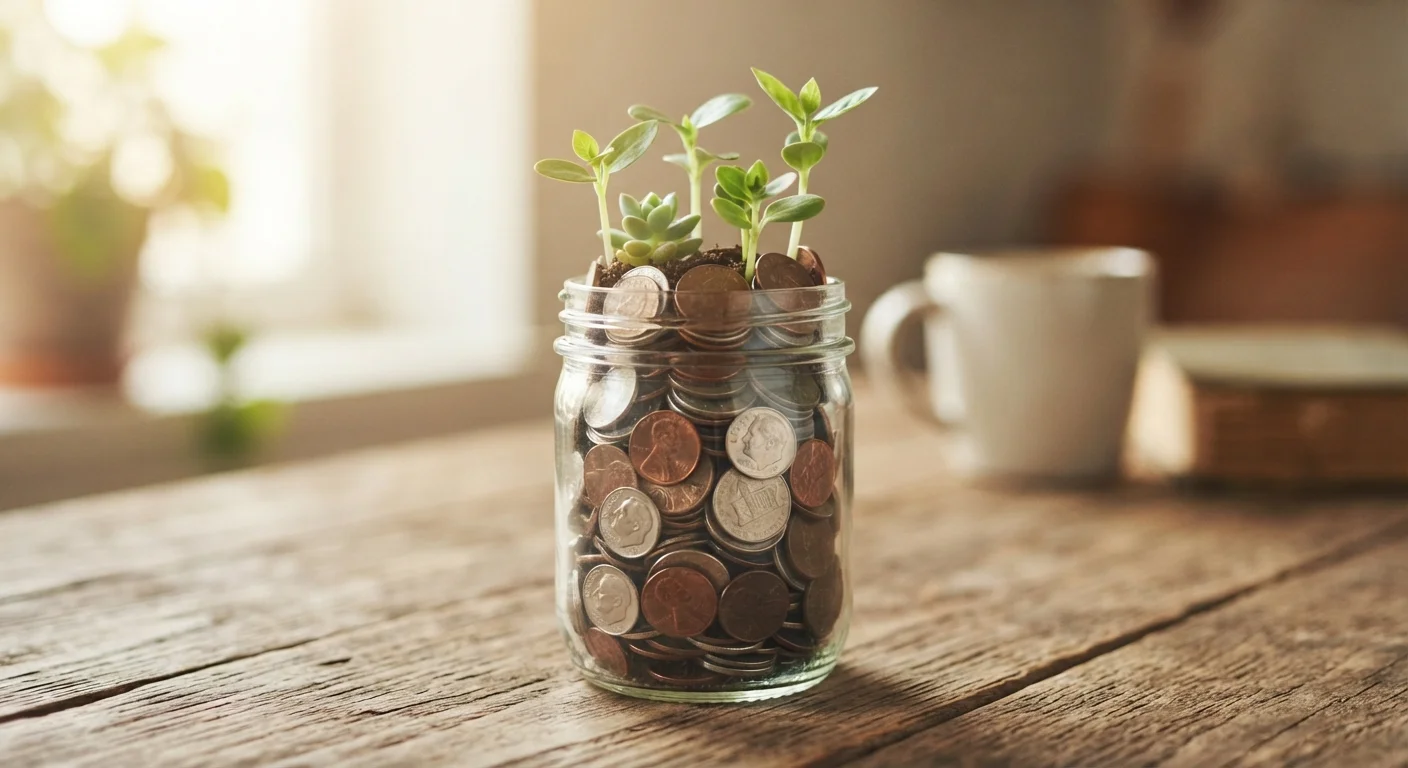
The classic way to explain compound interest is with a snowball rolling downhill - it picks up more snow as it grows, and the bigger it gets, the faster it accumulates. That analogy holds up because compounding follows the same logic: your earnings become part of the base that generates future earnings.
Here's a simplified illustration. Say you deposit $1,000 into a savings account earning 5% annually. After year one, you've earned $50, bringing your balance to $1,050. In year two, that 5% applies to $1,050 - not just the original $1,000 - so you earn $52.50. By year three, the balance is $1,157.63. The gains are modest early on, but given enough time, they become substantial.
This is why financial educators emphasize starting early above almost everything else. The math isn't complicated - what's striking is how much time matters more than the amount you start with.
APY vs. Interest Rate: Know the Difference
The stated interest rate on a savings account doesn't account for compounding frequency. APY (Annual Percentage Yield) does. Two accounts with the same interest rate but different compounding schedules will produce different outcomes - APY makes them directly comparable. Always use APY when evaluating savings products.
The Two Sides of Compounding
Compound interest is a tool, and like most tools, it can work for you or against you depending on how it's applied.
On the saving side, compounding is the engine behind retirement accounts, high-yield savings accounts, and long-term investment growth. The money you set aside today earns returns, those returns earn returns, and the cycle continues. For savers and investors, this is exactly what you want working in your favor.
On the debt side, compounding is what makes high-interest debt so difficult to escape. Credit card issuers typically compound interest daily. If you carry a balance, the unpaid interest gets folded back into what you owe, and next month's interest is charged on that higher figure. This is how a manageable-seeming balance can quietly grow even when you're making payments. For a deeper look at how debt works from the ground up, see our introduction to borrowing and credit.
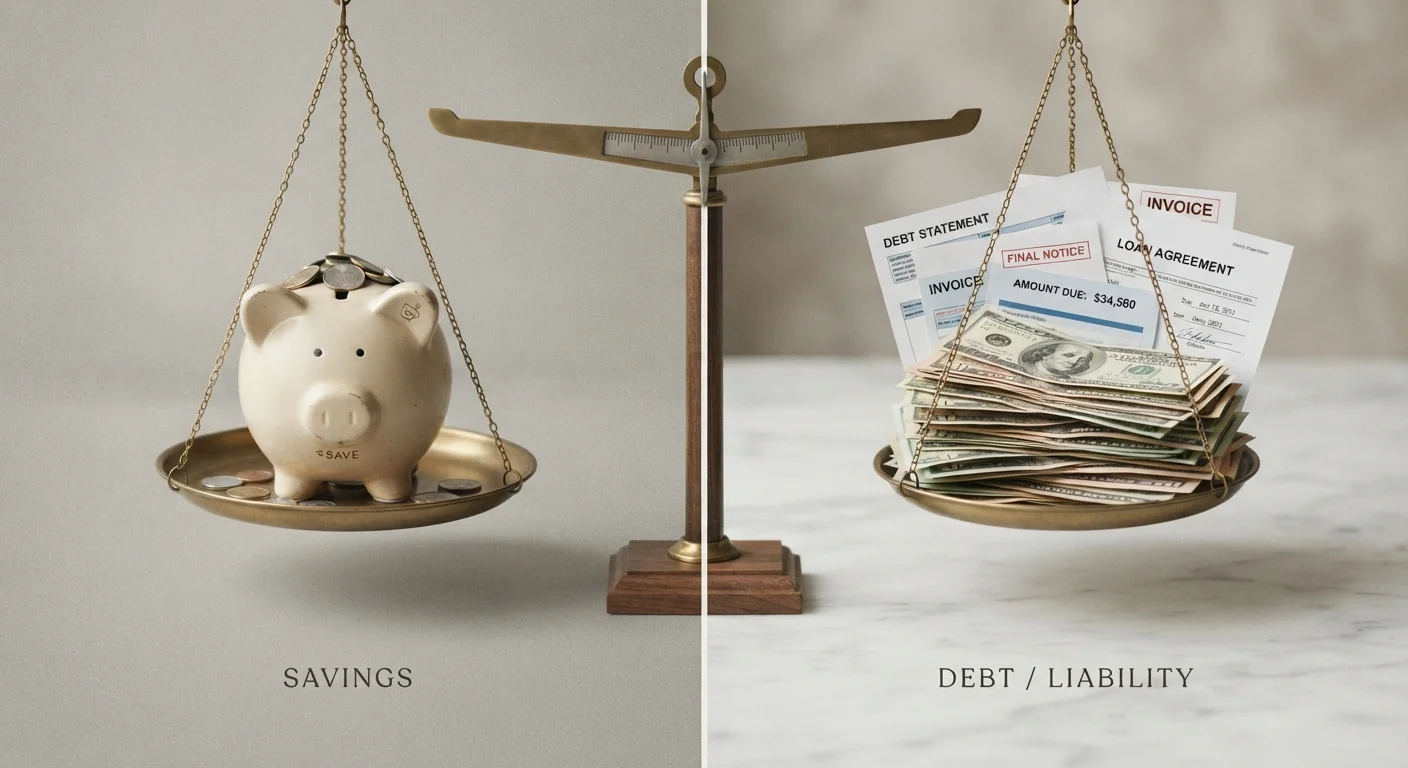
Understanding both sides helps explain why financial guidance so often comes back to the question of interest rates. When your savings rate is higher than your debt rate, the math tips in your favor. When it isn't, paying down debt first may be the better move - a trade-off explored in depth in our guide to debt versus savings decisions.
72
The "Rule of 72" doubling estimate
Dividing 72 by an annual interest rate gives an approximate number of years for a balance to double - a widely used mental shortcut in personal finance education.
20%+
Average credit card APR in recent years
According to Federal Reserve consumer credit data, average credit card interest rates have reached historically high levels, making compound interest a significant cost for cardholders carrying balances.
Daily
How often many credit cards compound interest
Most major credit card issuers compound interest daily based on your daily periodic rate, meaning unpaid balances grow faster than they would with monthly compounding.
What Actually Affects How Fast Your Money Grows
Four variables drive compounding outcomes: the principal (starting amount), the interest rate, how frequently interest compounds, and time. Of these, time is the variable most people underestimate.
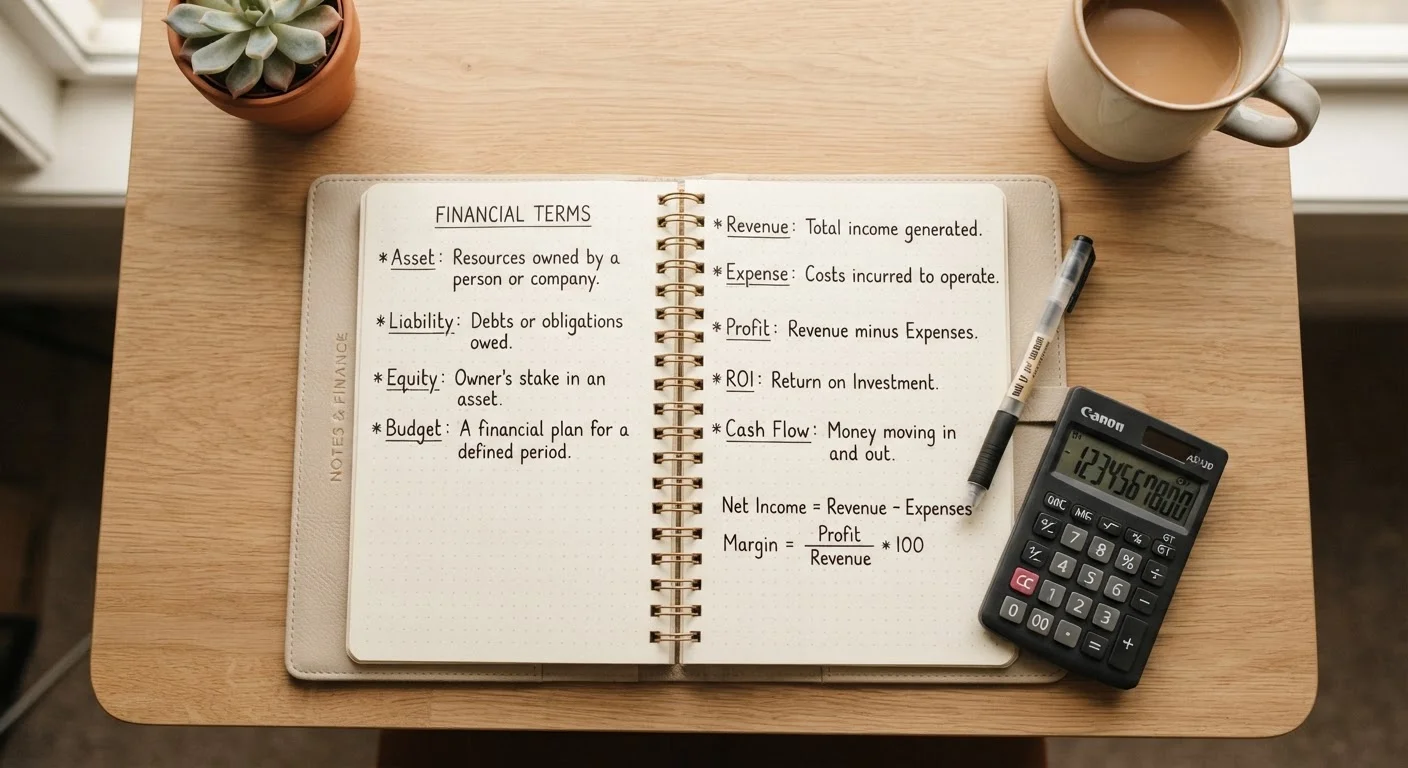
Compounding frequency is worth understanding even if it doesn't feel dramatic day to day. A savings account that compounds daily will deliver more than one that compounds monthly at the same stated rate. The difference is captured in the APY - the figure that reflects actual annual growth after compounding is factored in. When comparing savings accounts, APY is the number to focus on, not the base rate. Our personal finance terms reference has a plain-language breakdown of APY and related vocabulary.
Consistent contributions amplify compounding further. Even modest regular deposits into a compounding account can produce substantially larger balances over time than a single lump sum sitting untouched, because each new deposit starts its own compounding clock.
Start Small, Start Now
You don't need a large sum to benefit from compounding. Even modest, regular contributions to a savings or retirement account put time on your side. Waiting for the 'right moment' or a bigger starting balance costs you compounding time you can't get back.
One practical shortcut for estimating growth is the Rule of 72: divide 72 by your annual interest rate to get a rough estimate of how many years it takes your balance to double. At 4%, that's 18 years. At 8%, closer to 9. It won't replace real calculations, but it makes the concept tangible.
This article is for general informational purposes only and does not constitute personalized financial advice. Consider consulting a qualified financial professional for guidance specific to your situation.