
Why Fiber Deserves Attention
In the crowded world of nutrition advice, fiber rarely generates the buzz that protein or omega-3s do. Yet research consistently identifies low fiber intake as one of the most widespread dietary shortfalls in the United States. The average American adult consumes around 15 grams of fiber daily - roughly half of what most guidelines recommend. That gap has real consequences for digestive health, cardiovascular risk, blood sugar regulation, and the composition of the gut microbiome.
If you're just beginning to think critically about what you eat, a foundational resource like this grounded nutrition introduction can help establish context before diving into specific nutrients.
~15g
Average daily fiber intake for US adults
According to USDA dietary data, the average American adult consumes approximately 15 grams of fiber per day - well below the recommended 25-38 grams.
95%
Americans falling short of fiber recommendations
Research published in the American Journal of Lifestyle Medicine estimated that approximately 95% of Americans do not meet daily fiber intake recommendations.
7-8g
Fiber in a half-cup of cooked lentils
Legumes are among the most fiber-dense foods; a single half-cup serving of cooked lentils can deliver nearly a third of many adults' daily fiber target.
Soluble vs. Insoluble Fiber: A Practical Distinction
Not all fiber behaves the same way in the body. The two primary categories - soluble and insoluble - have distinct mechanisms and health associations.
Soluble fiber dissolves in water and forms a viscous gel in the digestive tract. This slows the movement of food through the stomach and small intestine, blunting post-meal blood sugar spikes and reducing the absorption of dietary cholesterol. Oats, barley, apples, citrus fruits, beans, and flaxseeds are particularly rich in soluble fiber. The specific type found in oats, called beta-glucan, has been studied extensively for its effect on LDL cholesterol levels.
Insoluble fiber doesn't dissolve in water. Instead, it adds physical bulk to stool and accelerates transit time through the colon - which is why it's often associated with preventing constipation. Wheat bran, whole wheat products, and the skins of many vegetables and fruits are primary sources.
Most whole plant foods contain both types in varying proportions, which is one reason a diverse, plant-forward diet is more practical - and evidence-supported - than focusing on isolated fiber types.
Aim for Variety, Not Just Volume
Different fiber types feed different bacterial strains in the gut. A diet that cycles through beans, oats, vegetables, fruits, and whole grains delivers a broader spectrum of fiber types than one that relies on the same high-fiber foods daily. Dietary diversity appears to be independently associated with a healthier gut microbiome composition.
Fiber and Long-Term Health: What the Evidence Shows
The body of research linking dietary fiber to health outcomes is substantial and consistently positive, though it's important to distinguish between well-established associations and areas where research is still developing.
Cardiovascular health: Soluble fiber's ability to reduce LDL cholesterol is one of the more robustly supported findings in nutrition research. Large prospective studies have associated higher fiber intake with lower rates of coronary heart disease.
Blood sugar regulation: Fiber slows carbohydrate digestion and absorption, which moderates the glycemic response to meals. This mechanism is relevant to both blood sugar management and longer-term risk reduction for type 2 diabetes.
Gut microbiome: Fermentable fibers - often called prebiotics - feed beneficial bacteria in the colon. The short-chain fatty acids produced during this fermentation appear to support intestinal lining integrity and have been studied in the context of inflammation and immune function.
Colorectal health: Higher fiber intake has been consistently associated with reduced colorectal cancer risk in observational research, a finding supported by major health organizations. The mechanisms likely involve both accelerated transit time and the effects of microbial fermentation.
For a wider lens on how individual nutrients interact, our micronutrients overview provides useful context.
“Dietary fiber is not a single substance but a family of compounds with diverse physiological effects - and the evidence for its broad health benefits is among the most consistent in nutrition science.”
— David Katz, Physician and nutrition researcher, founding director of the Yale-Griffin Prevention Research Center
Practical Ways to Increase Fiber Intake
Closing the fiber gap doesn't require a dramatic dietary overhaul. Small, consistent changes tend to be more sustainable than wholesale restructuring of eating habits.
- Choose whole over refined grains: Swap white bread, white rice, and standard pasta for whole grain versions. The refining process strips the bran - and with it, most of the fiber.
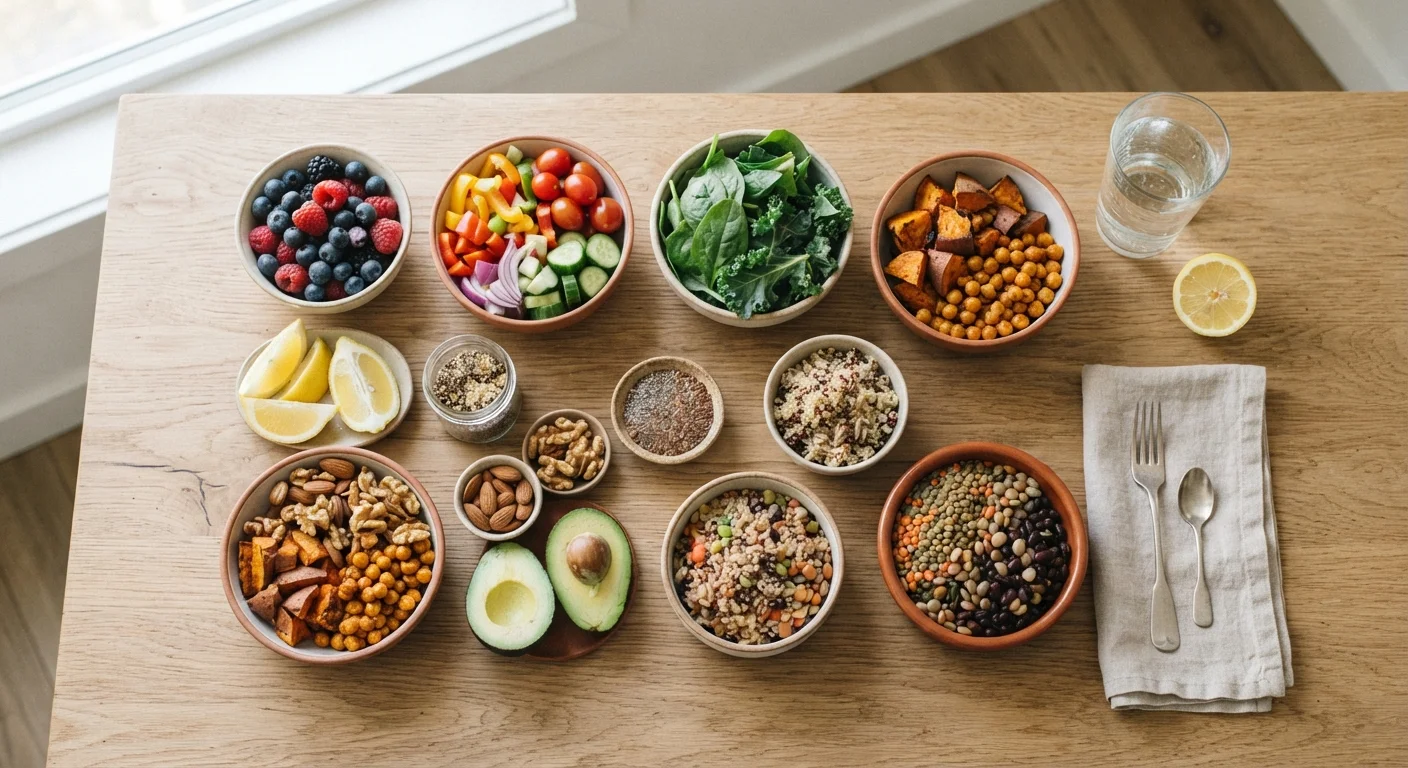
- Add legumes regularly: Lentils, black beans, chickpeas, and kidney beans are among the most fiber-dense foods available. A half-cup serving of cooked lentils delivers roughly 8 grams of fiber.
- Keep fruit and vegetable skins on: Peeling removes a meaningful portion of insoluble fiber in many produce items.
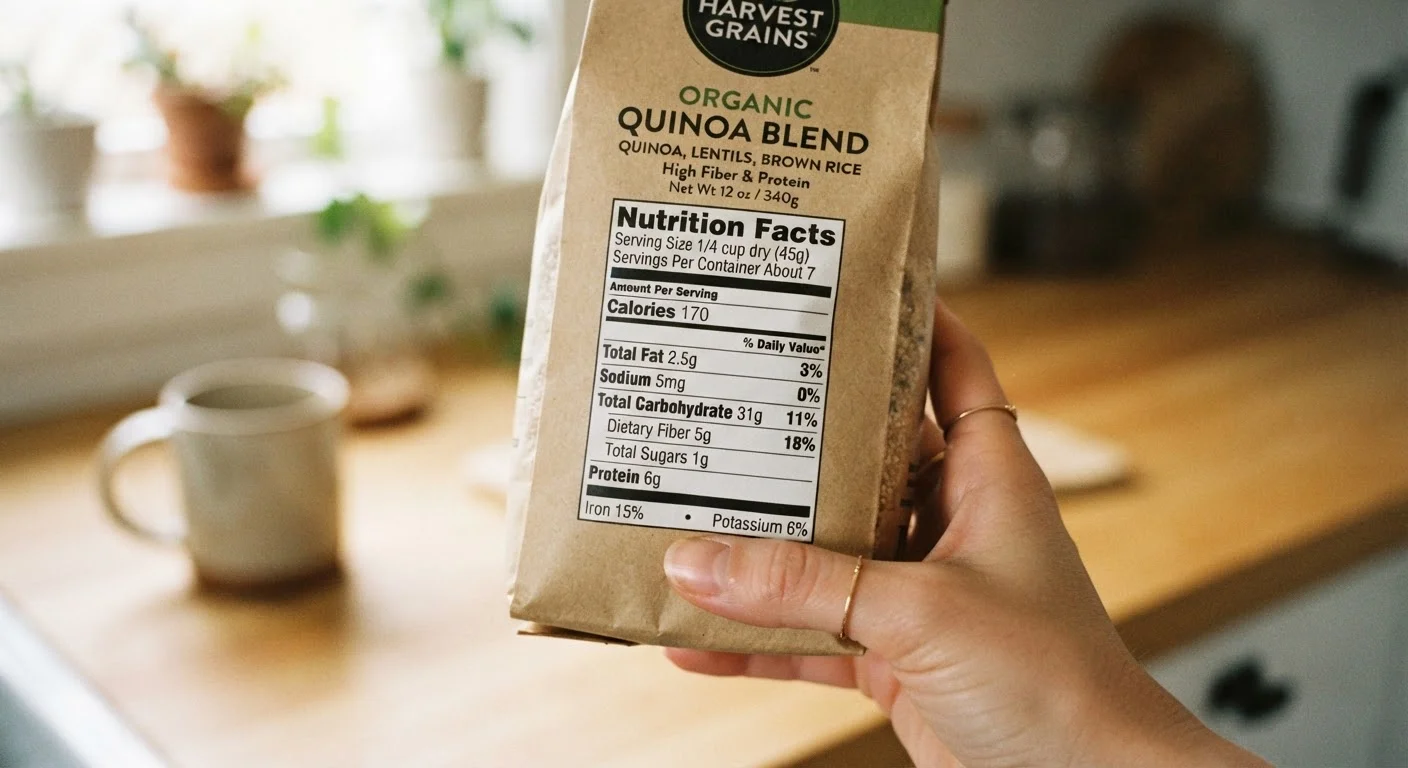
- Read labels: The Daily Value (DV) percentage for fiber on nutrition panels helps identify high-fiber packaged foods at a glance. Our guide to reading nutrition labels explains exactly how to use those numbers.
One important note: increase fiber intake gradually - over two to three weeks - rather than all at once. Sudden large increases can cause gas, bloating, and discomfort as the gut microbiome adjusts. Adequate water intake matters here; fiber absorbs fluid, and insufficient hydration can actually worsen constipation rather than relieve it. Hydration and fiber work together more than most people realize.
This article is for general informational and educational purposes only and is not a substitute for professional medical or nutritional advice. Consult a qualified healthcare provider for guidance specific to your health needs.