
What Are Micronutrients - and Why Do They Matter?
Unlike macronutrients such as carbohydrates, proteins, and fats, micronutrients - vitamins and minerals - do not supply calories. Instead, they drive the chemical reactions that keep every system in your body functioning: regulating metabolism, supporting immune defense, enabling nerve signaling, and building tissues. Your body requires them in relatively small amounts, but the consequences of consistent shortfalls can be significant.
Micronutrients fall into two broad categories. Vitamins are organic compounds, meaning they contain carbon and can be broken down by heat, air, or acid. Minerals are inorganic elements - iron, calcium, zinc, and others - that retain their chemical structure regardless of cooking or storage conditions. Both groups are considered essential because the body either cannot synthesize them at all or cannot produce them in adequate quantities on its own.
Micronutrient
A vitamin or mineral required by the body in small amounts to support essential biological functions. Unlike macronutrients, micronutrients do not provide energy (calories).
Fat-Soluble Vitamin
Vitamins (A, D, E, K) that dissolve in fat and are stored in the body's fatty tissue and liver. Because they accumulate, excessive intake over time can lead to toxicity.
Water-Soluble Vitamin
Vitamins (C and the B-complex group) that dissolve in water and are not stored in significant amounts. Excess amounts are generally excreted in urine, but regular dietary intake is necessary.
Trace Mineral
A mineral - such as iron, zinc, or selenium - required by the body in very small quantities. Despite the tiny amounts needed, deficiencies in trace minerals can have notable health consequences.
Daily Value (%DV)
A reference amount set by the FDA used on food labels to indicate how much a nutrient in a serving contributes to an average daily diet, based on a 2,000-calorie reference intake.
Bioavailability
The proportion of a nutrient that is actually absorbed and used by the body. Bioavailability varies by food source, preparation method, and other nutrients consumed at the same time.
For a broader foundation, see our grounded introduction to nutrition.
This article is for general informational and educational purposes only. It is not a substitute for professional medical or dietary advice. Consult a qualified healthcare provider for guidance specific to your health situation.
Key Vitamins: Functions and Food Sources
Vitamins divide into two groups based on how they are stored and absorbed.
Fat-Soluble Vitamins (A, D, E, K)
Vitamin A supports vision - particularly in low-light conditions - as well as immune function and skin integrity. It is found in liver, dairy, eggs, and as provitamin A carotenoids in orange and dark-green vegetables such as carrots and spinach.
Vitamin D is uniquely produced by the skin in response to sunlight. It regulates calcium and phosphorus absorption, supporting bone density and immune health. Dietary sources include fatty fish, egg yolks, and fortified foods. Deficiency is widespread in northern latitudes and in people with limited sun exposure.
Vitamin E acts primarily as an antioxidant, protecting cell membranes from oxidative damage. Nuts, seeds, and vegetable oils are reliable sources.
Vitamin K is essential for blood clotting and plays a role in bone metabolism. Leafy greens - kale, collards, spinach - are among the richest sources.
Water-Soluble Vitamins (B-Complex and C)
The eight B vitamins collectively support energy metabolism, red blood cell production, and neurological function. Notable members include B12 (found almost exclusively in animal products, making it a key consideration for those following plant-based diets), folate (critical during early pregnancy for neural tube development), and niacin (important for DNA repair and energy conversion). Vitamin C supports collagen synthesis, immune function, and enhances iron absorption from plant foods. Citrus fruits, bell peppers, and strawberries are excellent sources.
| Total vitamins classified as essential | 13 (National Institutes of Health, Office of Dietary Supplements) |
| Essential dietary minerals | ~16 (Dietary Reference Intakes framework, National Academies) |
| Fat-soluble vitamins | A, D, E, K |
| Most common micronutrient deficiency globally | Iron deficiency (World Health Organization) |
| Vitamin D deficiency prevalence (US adults) | Approx. 35% (National Health and Nutrition Examination Survey (NHANES) data) |
| B12 absorption concern | Plant-based diets require supplementation or fortified foods (Academy of Nutrition and Dietetics) |
Essential Minerals and Where to Find Them
Minerals are classified as either macrominerals - needed in larger amounts - or trace minerals, required in smaller quantities but no less important.
Macrominerals
Calcium is the most abundant mineral in the body, essential for bone structure, muscle contraction, and nerve transmission. Dairy products, fortified plant milks, and calcium-set tofu are common sources. Magnesium participates in over 300 enzymatic reactions, including protein synthesis and blood glucose regulation; whole grains, legumes, and dark leafy greens supply it well. Potassium helps maintain fluid balance and supports healthy blood pressure. Bananas, potatoes, beans, and avocados are among the richest sources.
Trace Minerals
Iron is a core component of hemoglobin, the protein that carries oxygen in the blood. Heme iron (from red meat, poultry, seafood) is absorbed more efficiently than non-heme iron from plant sources; pairing plant-based iron with vitamin C improves uptake. Zinc is vital for wound healing, immune response, and taste perception; oysters, beef, pumpkin seeds, and legumes are solid sources. Iodine is needed for thyroid hormone synthesis, with iodized salt and seafood as primary dietary contributors in the US. Selenium functions as an antioxidant cofactor and supports thyroid health; Brazil nuts and fish contain notable amounts.
Nutritional needs shift meaningfully across life stages. See our overview of how dietary needs evolve with age for context on when certain micronutrients become especially critical.
~35%
US adults with low vitamin D status
Estimates drawn from NHANES survey data consistently show vitamin D insufficiency affects a substantial share of the adult population.
300+
Enzymatic reactions requiring magnesium
According to the NIH Office of Dietary Supplements, magnesium acts as a cofactor in more than 300 enzyme systems in the human body.
90%
US adults not meeting potassium recommendations
The Dietary Guidelines for Americans identifies potassium as a nutrient of public health concern due to widespread underconsumption.
Getting Enough Through Diet - and When Supplements Are Discussed
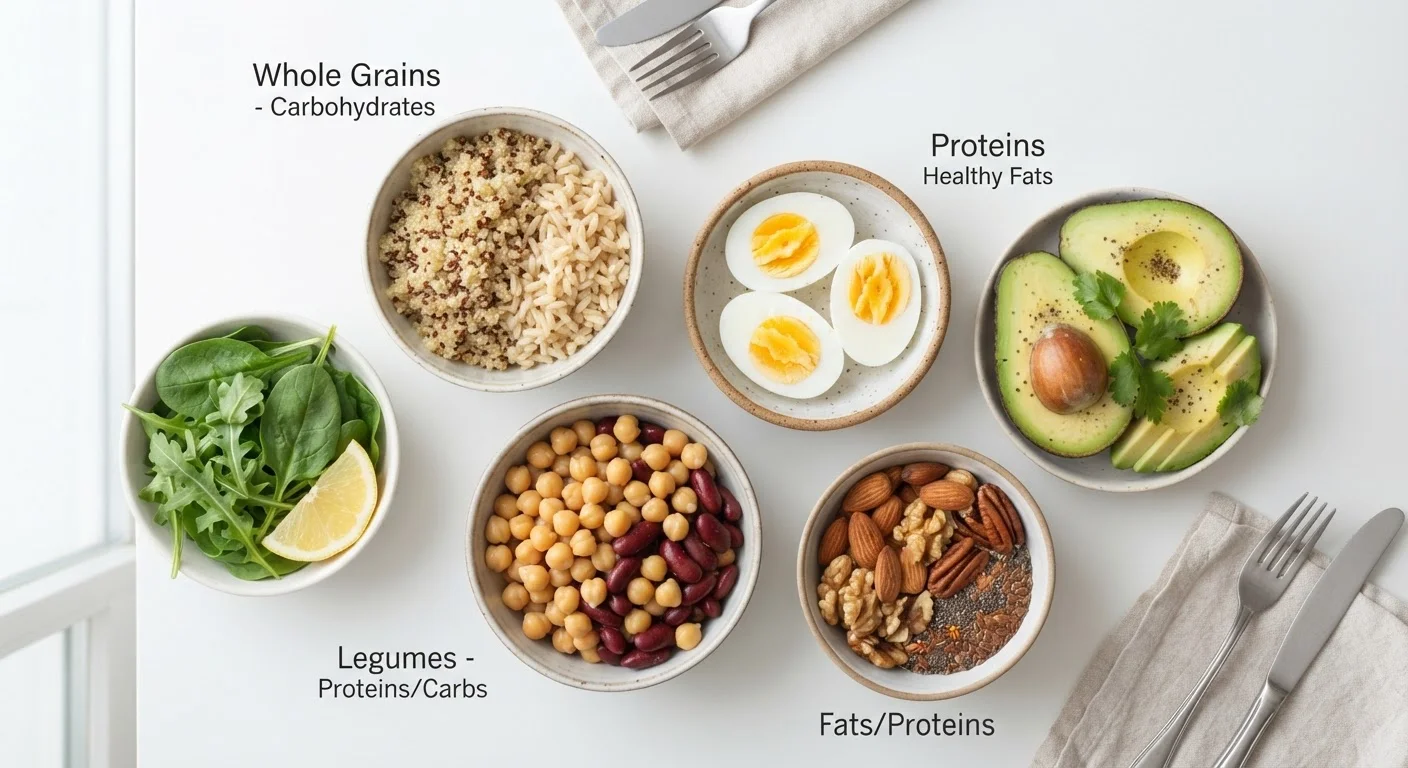
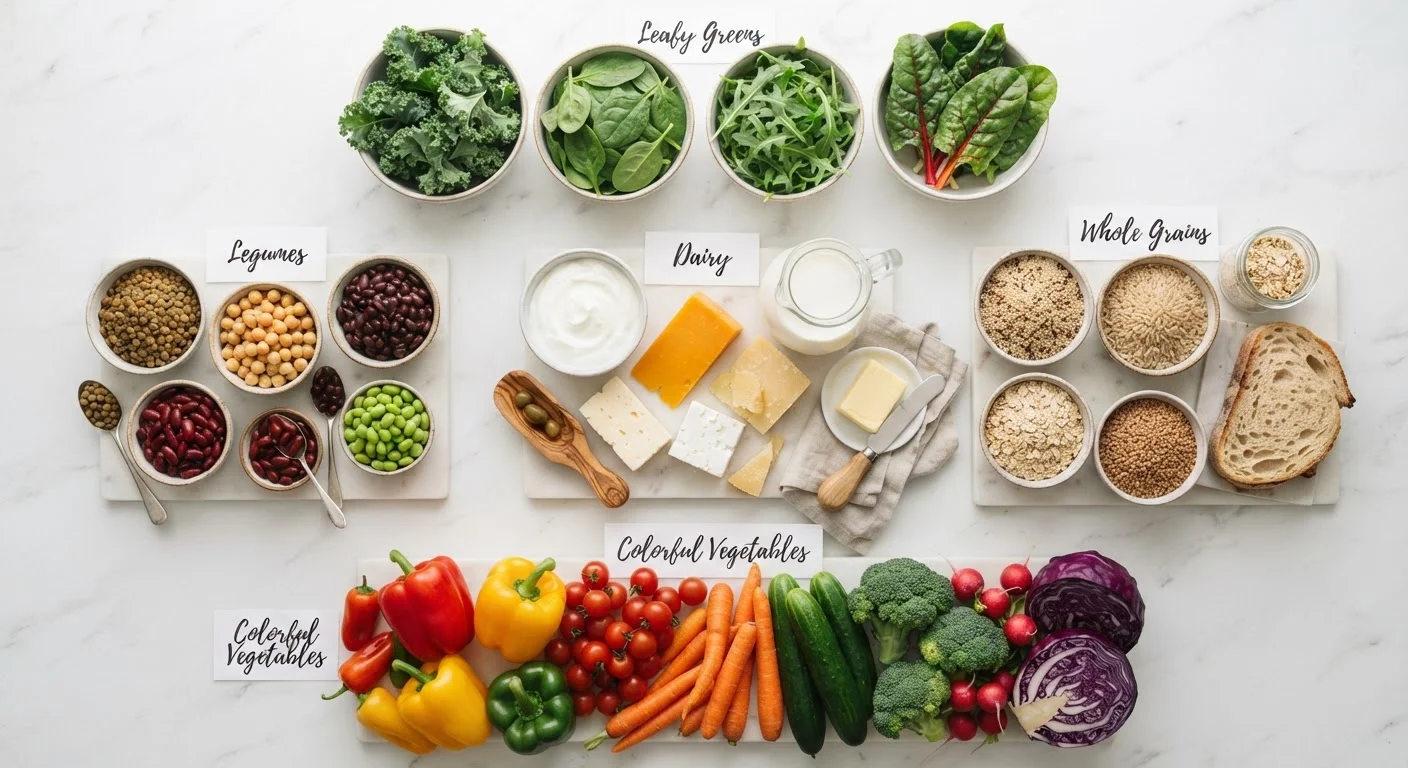
For most healthy adults, a varied diet that includes vegetables, fruits, whole grains, legumes, nuts, and protein-rich foods supplies the majority of micronutrients in adequate amounts. Reading nutrition labels can help you identify how foods contribute to your daily micronutrient intake using the percent Daily Value (%DV) system.
Supplements are commonly discussed in the context of documented shortfalls - vitamin D in populations with low sun exposure, B12 for those avoiding animal products, folate during pregnancy planning, and iron in cases of diagnosed deficiency. However, more is not always better: fat-soluble vitamins accumulate in the body, and excessive intake from high-dose supplements can cause toxicity. The appropriate response to a suspected deficiency is evaluation by a healthcare provider, not self-supplementation based on symptoms alone.
Hydration also intersects with micronutrient status in ways often overlooked - water affects how minerals are transported and how certain vitamins are absorbed. Our piece on hydration as part of nutrition explores this connection further.
Whole Foods First - Supplements Are Not a Direct Substitute
Food delivers micronutrients alongside fiber, phytochemicals, and other compounds that interact beneficially in ways isolated supplements cannot fully replicate. Supplements may have a role in specific, clinically identified shortfalls, but they are not equivalent to dietary variety. Speak with a healthcare provider or registered dietitian before starting any supplement regimen.
This article provides general health information and is not a substitute for personalized medical or dietary advice. Always consult a qualified healthcare professional before making changes to your diet or supplement routine.