Defining the Terms: It's Not Binary
The phrase "processed food" tends to conjure images of fast food and neon-colored snacks, while "whole food" evokes farmers' markets and pristine produce. Reality is considerably more layered. Processing describes any deliberate change made to a food before it reaches your plate - a definition broad enough to include washing, freezing, fermenting, milling, and adding preservatives alike.
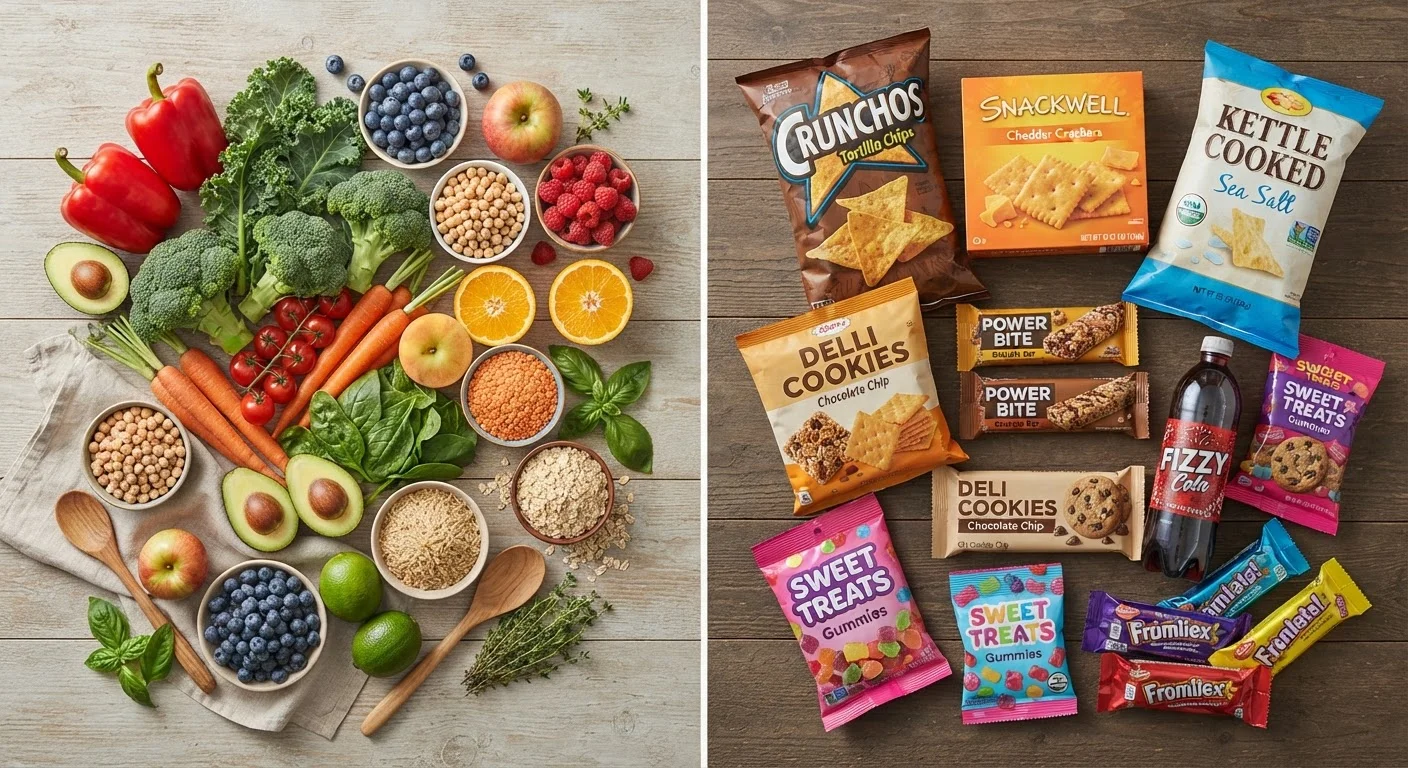
Public health researchers commonly use the NOVA classification system, developed by researchers at the University of São Paulo, which groups foods into four categories based on the extent and purpose of processing: unprocessed or minimally processed foods, processed culinary ingredients, processed foods, and ultra-processed foods. This framework is useful because it highlights that a bag of frozen peas and a fluorescent cheese puff are not in the same category - even though both technically qualify as "processed."
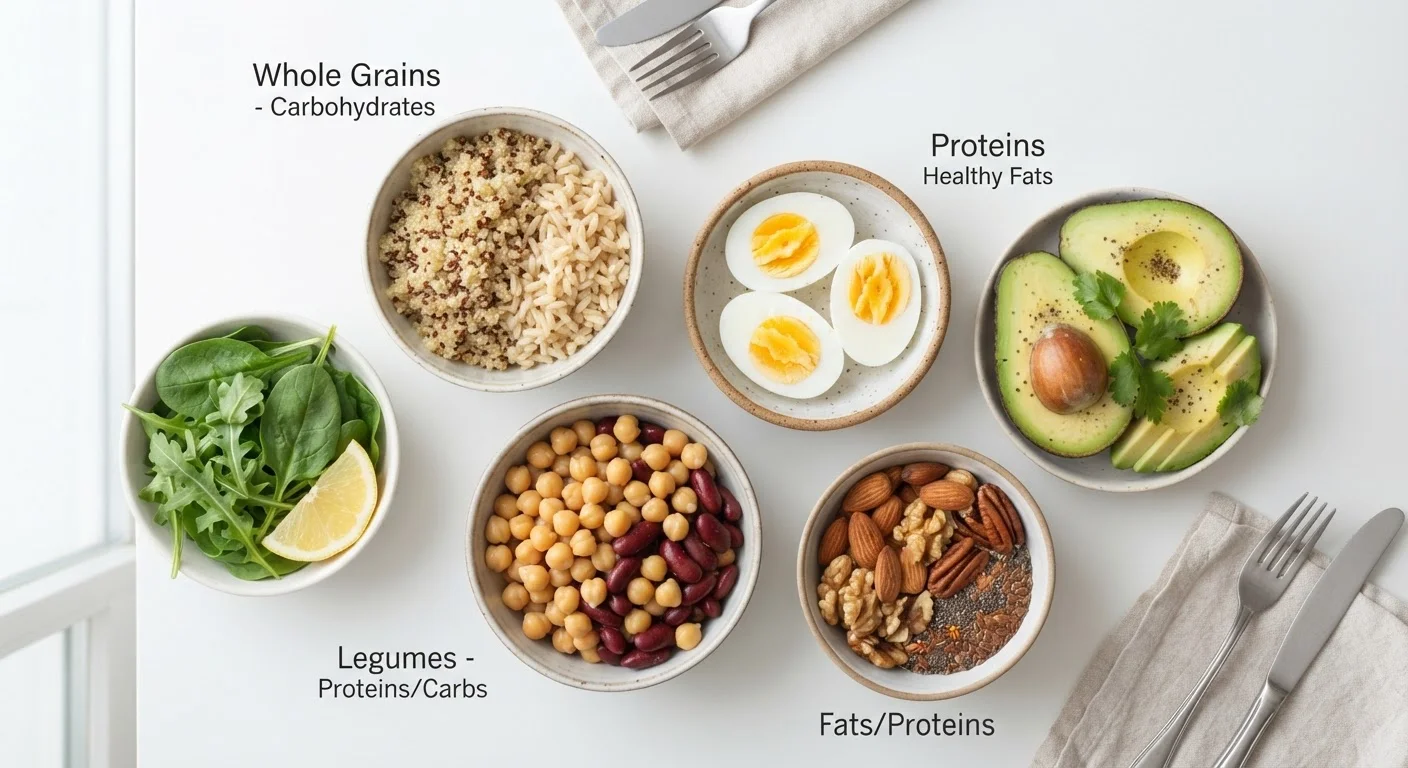
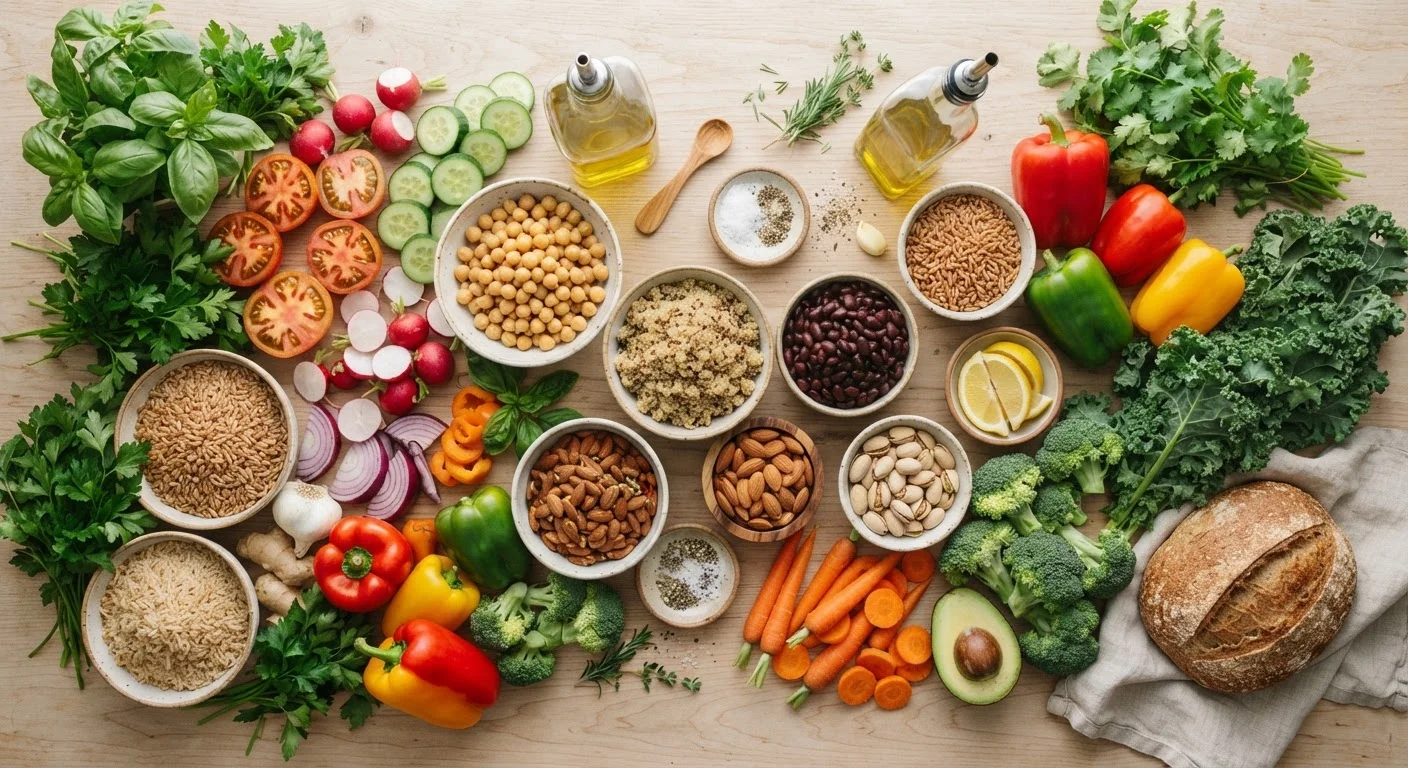
Whole foods, by contrast, are generally understood as foods eaten close to their natural, unrefined state: fruits, vegetables, legumes, whole grains, nuts, seeds, eggs, and plain meats or fish. They may still be cooked or prepared, but they haven't undergone significant industrial transformation or had their nutritional profile substantially altered. To learn how to spot the difference on a package, see what product labels are actually telling you.
How Processing Changes Nutritional Value
Processing affects food in multiple ways - some beneficial, some not. Canning tomatoes preserves lycopene (a carotenoid antioxidant) and makes it more bioavailable. Fermenting cabbage into sauerkraut adds probiotic bacteria. Freezing vegetables shortly after harvest can preserve micronutrients that degrade in fresh produce sitting in transit for days.
On the other end of the spectrum, refining whole wheat into white flour strips away the bran and germ, removing significant fiber, B vitamins, and minerals. Heavily processed snacks are often engineered to be highly palatable - through calibrated combinations of fat, sugar, and salt - which some researchers suggest can make moderate consumption harder to sustain.
| Criterion | Whole Foods | Ultra-Processed Foods |
|---|---|---|
| Fiber content | Naturally high | Typically low or absent |
| Added sugars | None added | Often significant |
| Sodium levels | Naturally low | Frequently elevated |
| Micronutrient retention | Generally intact | Often diminished by refining |
| Ingredient list length | Single ingredient or very few | Long, with additives and flavorings |
| Shelf life | Shorter; requires fresh handling | Extended via preservatives |
| Cost per serving | Variable; fresh can be costly | Often lower; widely accessible |
The loss most commonly associated with heavy processing is dietary fiber. Fiber supports digestive health, slows glucose absorption, and contributes to satiety. Ultra-processed diets tend to be low in fiber almost by design. Understanding how macronutrients work in tandem is also worth exploring - see macronutrients explained for a thorough breakdown.
What the Research Generally Shows
A growing body of observational research associates high consumption of ultra-processed foods with elevated risks of cardiovascular disease, type 2 diabetes, and certain cancers. Large prospective studies - including the NutriNet-Santé cohort in France - have found associations between ultra-processed food intake and several adverse health outcomes, though causality is difficult to establish definitively in nutrition research, given confounding lifestyle variables.
57%
Share of US caloric intake from ultra-processed foods
A 2016 analysis published in BMJ Open estimated that ultra-processed foods accounted for approximately 57% of daily energy intake among US adults.
+500 kcal/day
Extra calories consumed on ultra-processed diet
In Hall et al.'s 2019 controlled trial in Cell Metabolism, participants on an ultra-processed diet ate roughly 500 more calories per day than on an unprocessed diet.
10%
Increase in ultra-processed food intake linked to cancer risk
A 2018 study in the BMJ (Fiolet et al.) found a 10% increase in ultra-processed food intake was associated with a statistically significant increase in overall cancer risk.
A landmark randomized controlled trial published in Cell Metabolism (Hall et al., 2019) compared ad libitum eating from ultra-processed versus unprocessed diets and found participants on the ultra-processed diet consumed significantly more calories and gained more weight over two weeks. This was notable precisely because it was a controlled experimental design, not just an observational association.
It's important to note that most research focuses on ultra-processed foods specifically, not on all processed foods. Minimally processed staples - plain yogurt, canned legumes, frozen fish - remain nutritionally valuable and feature prominently in dietary patterns with strong evidence bases. See eating patterns worth knowing about for context on how these foods fit into well-studied diets.
Correlation vs. Causation in Nutrition Research
Most nutrition studies are observational, meaning they identify associations rather than proving direct cause and effect. People who eat more ultra-processed foods may also differ in other lifestyle factors - activity level, sleep, income, stress - that independently affect health. This doesn't invalidate the findings, but it does mean they should be interpreted with appropriate nuance. Randomized controlled trials like Hall et al. (2019) help strengthen causal inference, though they are harder to conduct at scale in nutrition science.
Practical Framing: Shifting the Balance
No single food determines health outcomes. What matters is the overall pattern of eating over time - the composition of what you eat regularly, not an occasional divergence. Framing the goal as "eat more whole and minimally processed foods" rather than "eliminate all processed food" is both more achievable and more aligned with the evidence.
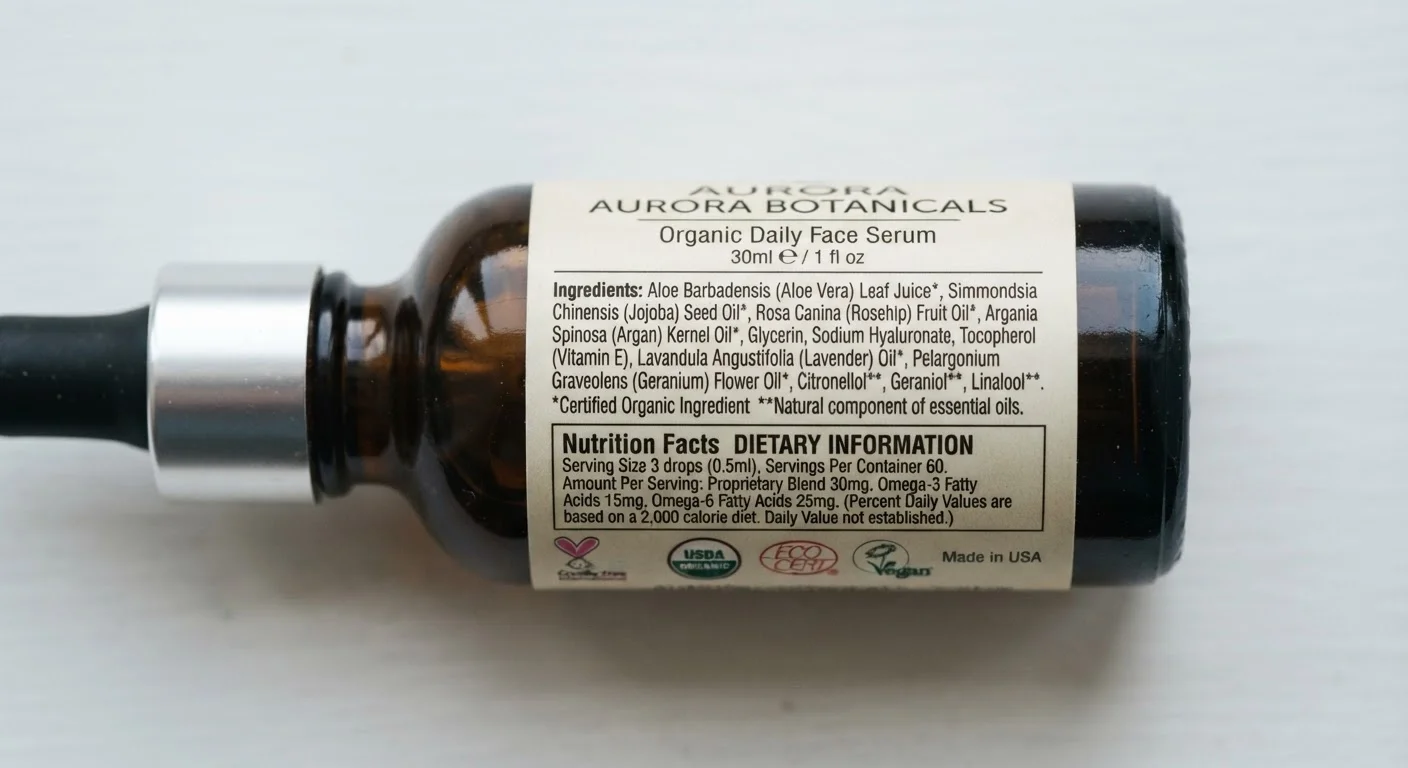
A useful habit is checking ingredient lists rather than relying only on nutrition panels. A product with five recognizable ingredients is likely less processed than one with twenty, regardless of what the front of the package claims. For a step-by-step guide to decoding what you're looking at, how to read a Nutrition Facts panel is a helpful resource.
It's also worth noting that restrictive elimination approaches carry their own risks. Cutting out entire food categories - even in pursuit of "cleaner" eating - can create nutritional gaps. The pitfalls of eliminating entire food groups covers what commonly goes wrong and what to consider before restricting your diet significantly.
This article is for general informational and educational purposes only and is not a substitute for professional medical or dietary advice. Consult a qualified healthcare provider or registered dietitian for guidance tailored to your individual health needs.