Why Labels Exist and Who Regulates Them
Product labels serve two distinct purposes: they fulfill legal disclosure requirements, and they carry the manufacturer's marketing message. Understanding which is which is the foundation of reading any label intelligently.
In the United States, labeling oversight is divided among multiple federal agencies. The FDA regulates food, dietary supplements, cosmetics, and over-the-counter drugs. The USDA oversees meat, poultry, and egg products. The FTC governs environmental and origin claims. The CPSC handles safety labeling on consumer products. This fragmented structure means that standards vary considerably depending on what you're holding.
The practical implication: a claim on a food label may be regulated where the same phrasing on a cleaning product is not. Reading labels effectively requires knowing which rules apply to the category you're shopping in.
Different Products, Different Rules
Labeling standards are not uniform across consumer goods categories. A claim that is regulated on a food label may be entirely unregulated on a household cleaning product or personal care item. When assessing what a label means, the product category determines which agency's rules - if any - govern what's written there.
The Anatomy of a Label: Regulated vs. Unregulated Elements
Labels contain a mix of required disclosures and optional marketing language. Distinguishing the two tells you immediately where to focus your attention.
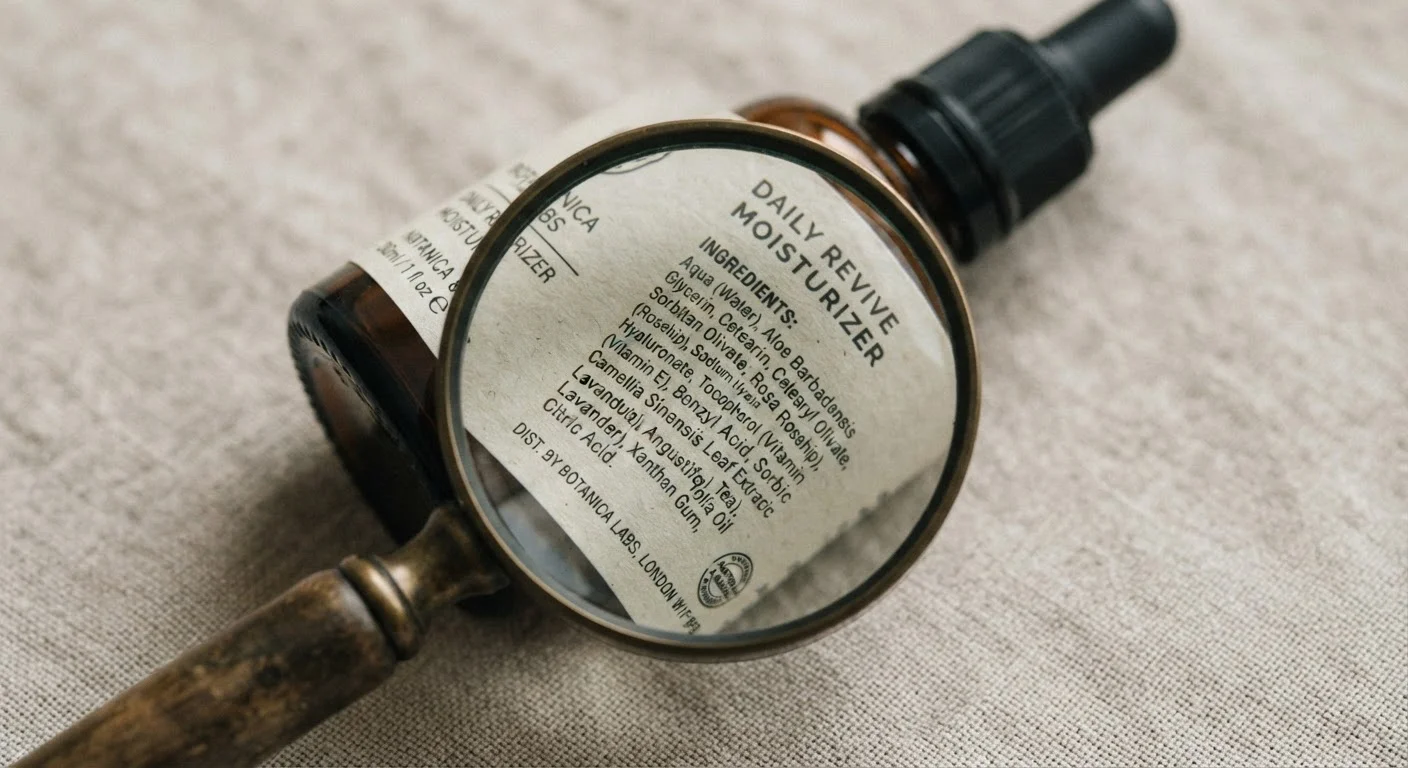
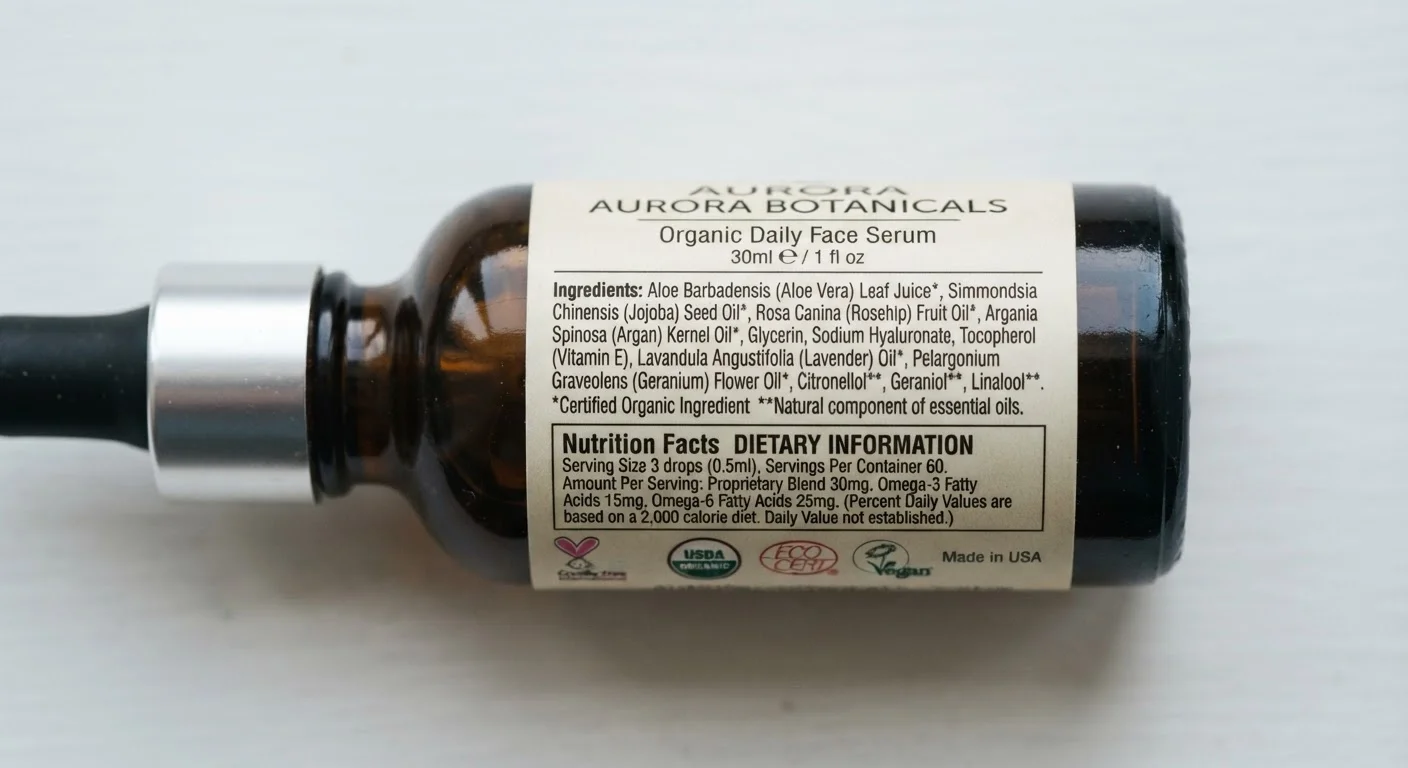
Regulated elements on food products include the Nutrition Facts panel, the ingredient list, net weight, the manufacturer's name and address, and any allergen disclosures. These follow standardized formatting rules set by federal law. The ingredient list, for example, must list every ingredient in descending order by weight - the first ingredient is the most abundant.
For more on what the structure of an ingredient list actually reveals, see our deep-dive into ingredient list formatting.
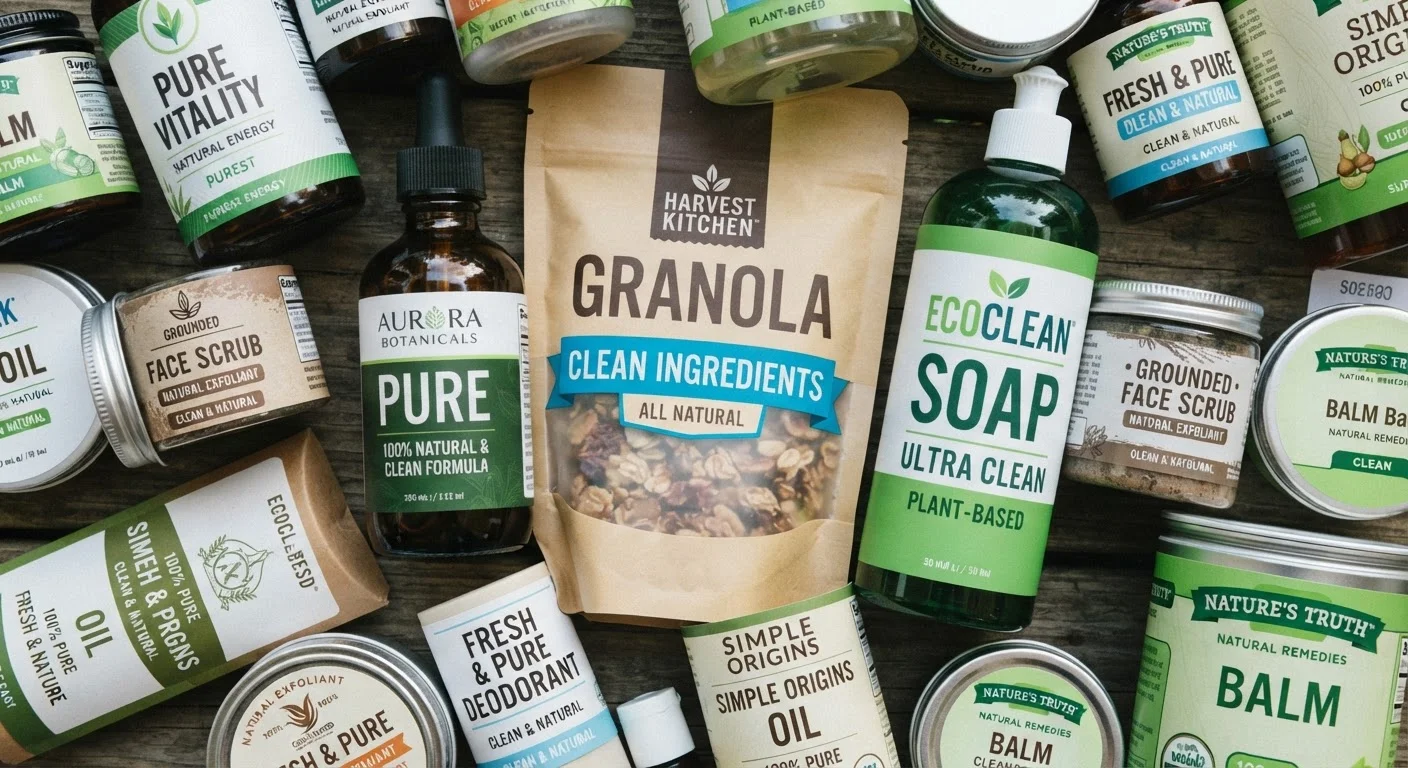
Unregulated elements include most front-of-package claims. Terms like 'natural,' 'clean,' 'pure,' or 'wholesome' have no legally binding definitions for most product categories. They appear by the manufacturer's choice and are generally not subject to pre-market approval or verification. Our article on marketing terms without legal definitions breaks down which terms carry weight and which do not.
~80%
Shoppers who read labels before buying
According to a Food Marketing Institute survey, roughly 8 in 10 U.S. shoppers report reading product labels at least sometimes before making a purchase decision.
Over 350
Eco-label programs worldwide
The Ecolabel Index, a global tracking database, has catalogued more than 350 eco-label programs across countries - illustrating the wide variation in standards behind environmental certification claims.
Certifications: What the Seals and Logos Actually Represent
Certification marks sit in a middle zone between regulated claims and pure marketing. Some are government-administered; others are operated by independent nonprofit organizations; still others are proprietary programs with varying levels of rigor.
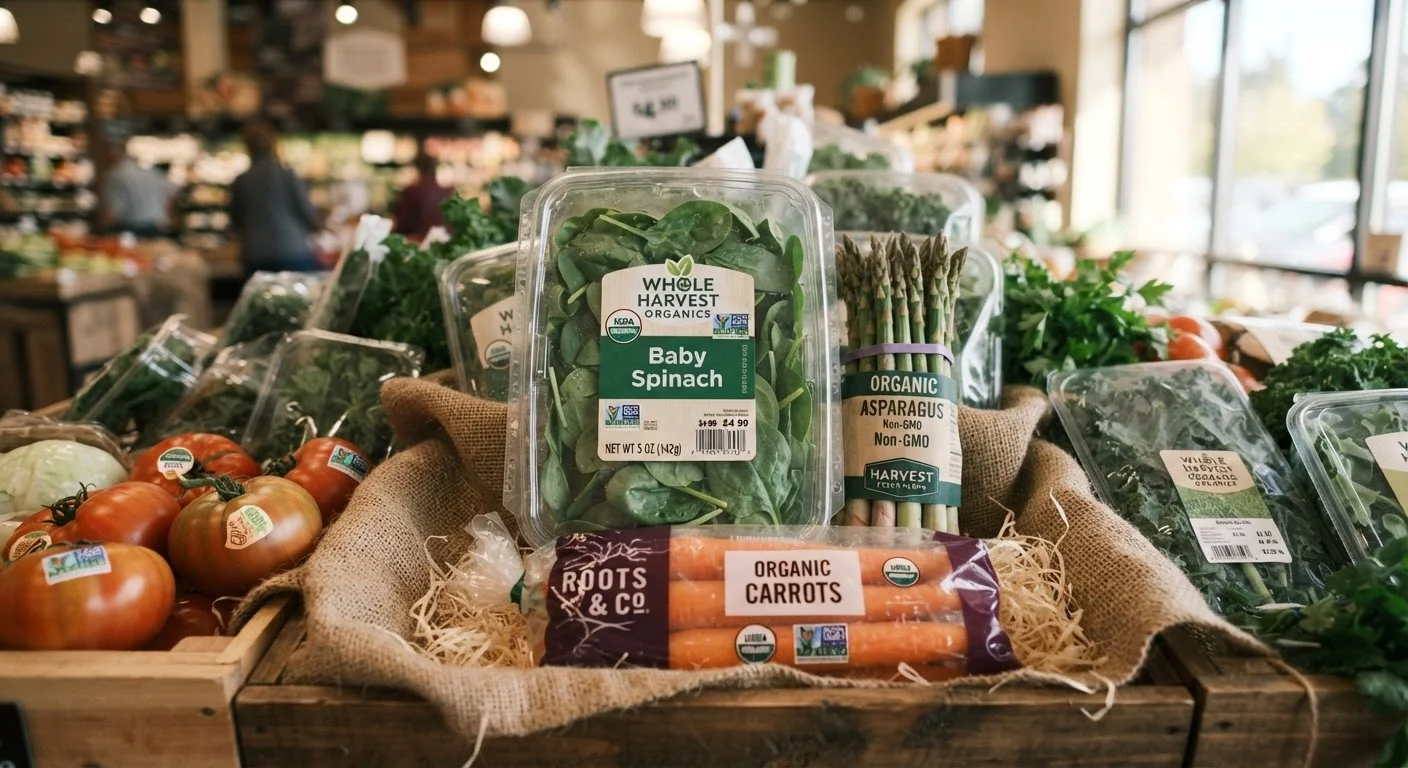
USDA Organic certification is a federal program with defined standards and required third-party verification. Non-GMO Project Verified is a private nonprofit program with its own testing protocol. A generic 'eco-friendly' badge with no named certifying body carries no verifiable standard at all.
When evaluating a certification seal, the key questions are: Who administers the standard? Is verification conducted by an independent third party? Are the criteria publicly available? If a seal doesn't answer those questions clearly, its value as a signal is limited.
For a closer look at how 'Organic,' 'Natural,' and 'Non-GMO' differ in legal standing, see Organic, Natural, and Non-GMO: The Differences That Actually Matter.
Origin, Dates, and Other Details That Shape Your Decision
Country-of-origin labels tell part of a product's story - but not always the whole one. The FTC's 'all or virtually all' standard for an unqualified 'Made in USA' claim permits minor foreign components. For many other consumer goods, partial assembly abroad may still qualify for a domestic origin label under certain rules. Our article Why 'Made In' Doesn't Always Mean What You Think covers how these designations work in practice.
Date labels present a different complication. Except for infant formula, U.S. federal law does not mandate expiration dates on food. 'Best by,' 'sell by,' and 'use by' dates are manufacturer quality estimates, not federal safety thresholds, and they are not standardized across products or retailers.
Labels on processed and packaged foods also interact with nutritional context. Understanding ingredient composition alongside a product's processing level can help round out your picture; our article on whole foods vs. processed foods provides useful background.
Flip the Package Before You Decide
Front-of-package claims are designed to attract attention; the back panel contains the legally required disclosures. Developing the habit of checking the ingredient list and nutrition facts before relying on front claims gives you a more accurate picture of what you're actually purchasing.