What Companion Planting Actually Means
Companion planting is the practice of growing different plant species near each other with the intention of mutual benefit - whether that's pest deterrence, pollinator attraction, better use of space, or improved soil health. It's a concept with genuine roots in traditional agriculture, but it has also accumulated a significant amount of garden folklore that isn't well supported by controlled research.
The honest reality is this: some pairings have solid observational and scientific backing, while others have been repeated so often they're assumed to be true. Understanding which is which helps you garden more effectively - and avoid placing plants in combinations that could quietly undermine your yields or ornamental goals.
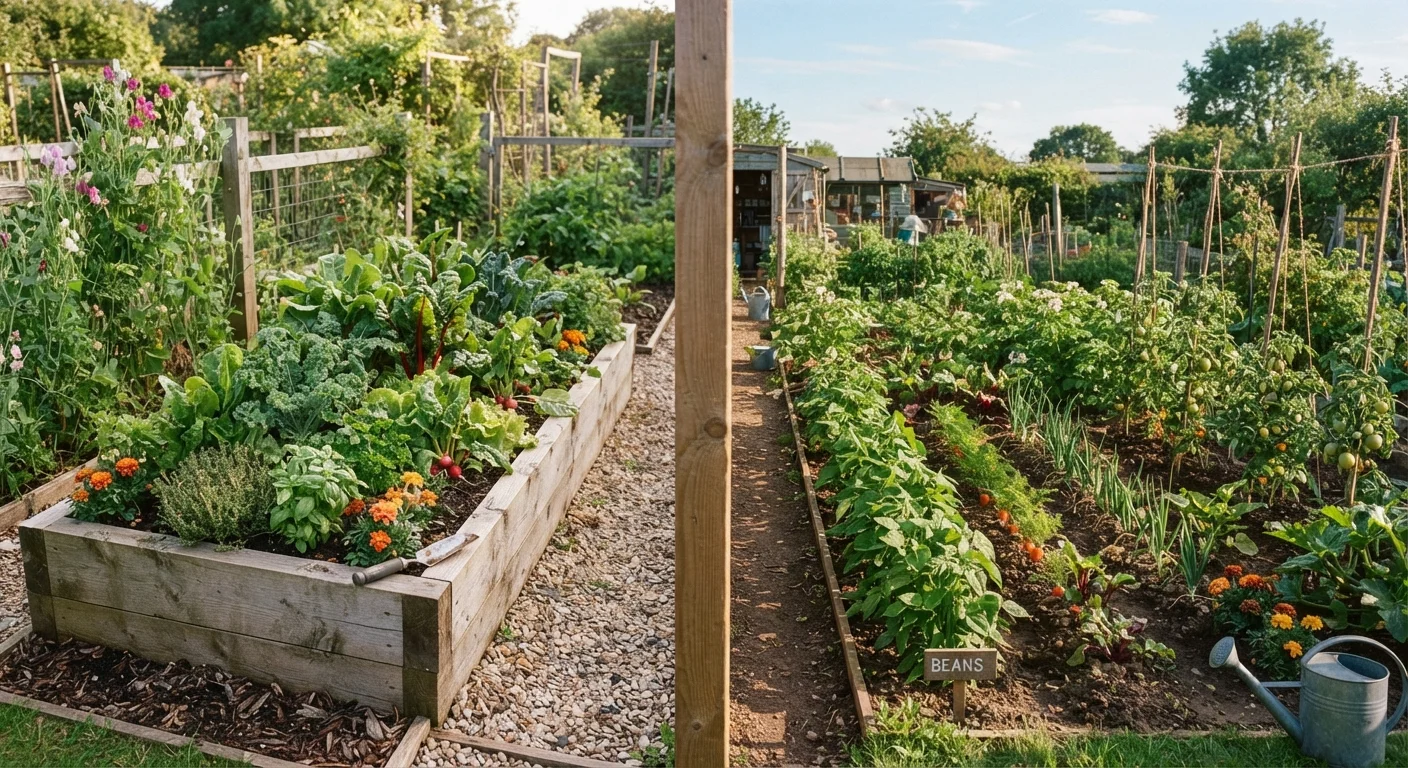
If you're deciding where to plant these combinations, raised beds vs. in-ground planting is worth thinking through first, since bed structure affects how plant roots interact and how nutrients move through the soil.
Tomatoes and Basil (Supported, with Caveats)
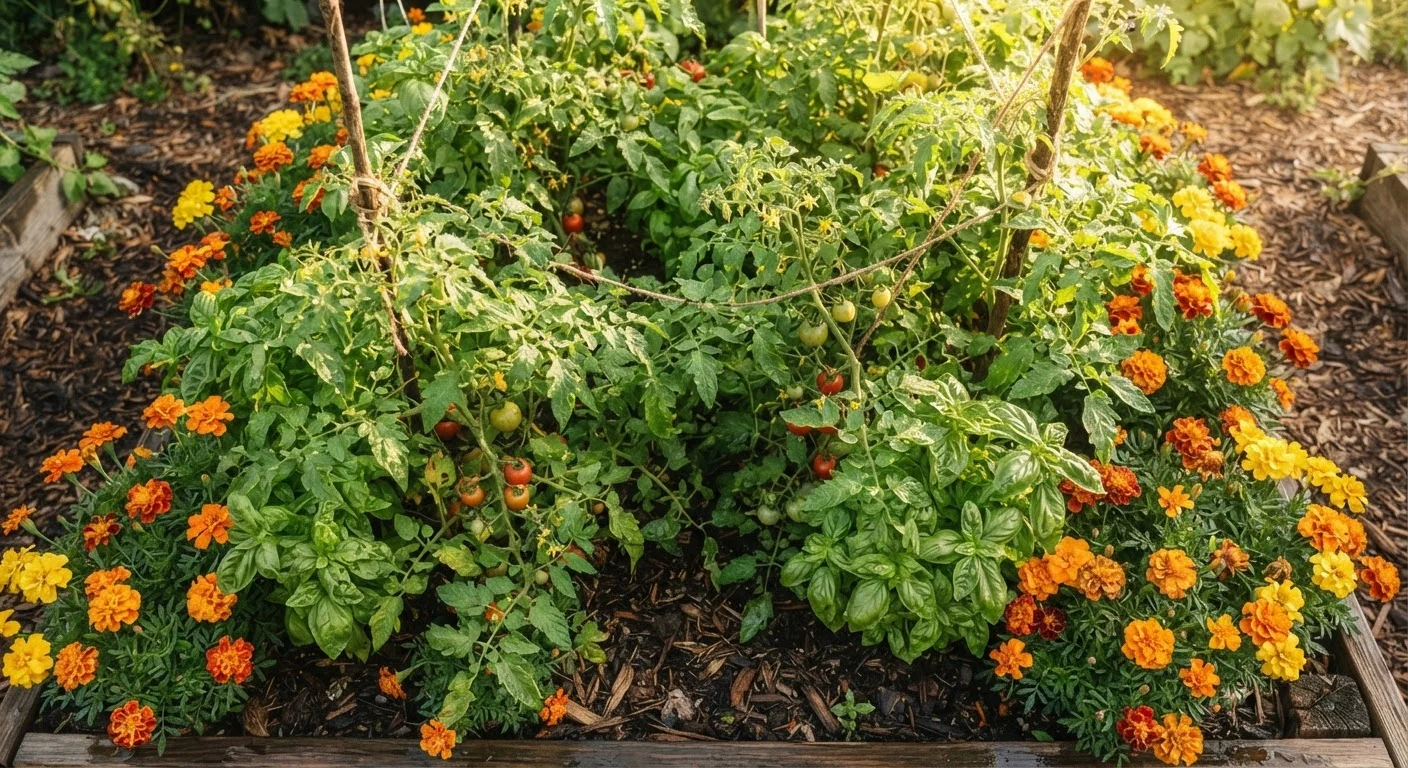
This is one of the most cited pairings in home gardening, and there is some evidence that basil may help repel certain insects, including thrips and aphids, through volatile compounds. However, the effect in garden settings - rather than controlled laboratory conditions - tends to be modest. What's consistently true is that tomatoes and basil share similar needs: full sun, warm temperatures, and consistent moisture. That compatibility alone makes them practical neighbors.
The caveat: basil won't substitute for proper pest management if your tomato plants are under significant insect pressure. Think of it as a mild, pleasant bonus rather than a protective shield.
Basil's pest-deterrent effect is real but modest - compatible growing conditions are the stronger argument for this pairing.
Corn, Beans, and Squash - The Three Sisters
This Indigenous North American polyculture system is one of the most evidence-backed companion planting strategies available to home gardeners. Corn provides a trellis for pole beans to climb. Beans fix atmospheric nitrogen into the soil, benefiting the heavy-feeding corn. Squash spreads along the ground, shading the soil to retain moisture and suppress weeds, while its prickly leaves discourage some ground-level pests.
Each plant performs a distinct functional role. The combination has been refined over centuries and continues to be studied by agricultural researchers. It's also a productive use of vertical and horizontal space - relevant whether you're working in a large garden or a dedicated raised bed.
The Three Sisters is one of the best-documented, functionally sound companion planting systems available to home gardeners.
Marigolds Near Vegetable Beds (Genuinely Useful, Specific Species Matter)
French marigolds (Tagetes patula) have been shown in some studies to reduce populations of root-knot nematodes - microscopic soil pests that damage the roots of tomatoes, peppers, and other vegetables. The effect is most pronounced when marigolds are planted densely and allowed to grow through a full season, not just used as a border decoration.
African marigolds are often lumped in, but the evidence for nematode suppression is more associated with the French variety. Marigolds also attract beneficial insects, which can help with pollination and natural pest control. They're a sound, low-effort addition to most vegetable gardens - but again, species selection matters.
French marigolds specifically have research support for nematode suppression - species choice matters more than marigolds in general.
Fennel Near Almost Anything (Avoid This Pairing)
Fennel is one of the most reliably problematic plants in a mixed garden. It produces allelopathic compounds - chemicals that inhibit the growth of nearby plants - and has been found to suppress germination and growth in a wide range of vegetables and herbs, including tomatoes, peppers, and dill. Planting fennel in a shared bed with edible crops is generally not recommended.
If you want to grow fennel, keep it isolated in its own container or a separate section of the garden at a meaningful distance from other crops. Container planting is actually a practical solution here - fennel can thrive in a large pot where its root chemistry stays contained.
Fennel releases growth-suppressing compounds and should be kept well away from most vegetables and herbs.
Roses and Garlic (Popular Belief, Limited Evidence)
You'll frequently read that garlic planted near roses deters aphids through its sulfur compounds. This idea is widespread in gardening circles, but the scientific evidence supporting it in field conditions is thin. Laboratory tests of garlic extracts have shown some insecticidal properties, but companion-planted garlic in the soil doesn't reliably create the same effect at meaningful concentrations in the surrounding air or soil.
That said, garlic is a productive plant on its own, and planting it near roses doesn't appear to cause harm. If you enjoy the combination and observe positive results in your own garden, that's worth paying attention to - local soil, climate, and pest populations vary considerably. Observational data from your own plot has genuine value.
Garlic near roses is popular garden advice, but field evidence for meaningful aphid deterrence is not well established.
Tall Plants Shading Shorter Ones (A Practical Structural Pairing)
Not all beneficial plant combinations work through chemistry. Strategic placement of tall plants - like sunflowers, corn, or trellised cucumbers - on the north side of shorter, shade-tolerant crops like lettuce or spinach can extend the useful growing season of cool-season greens into warmer months by providing afternoon shade.
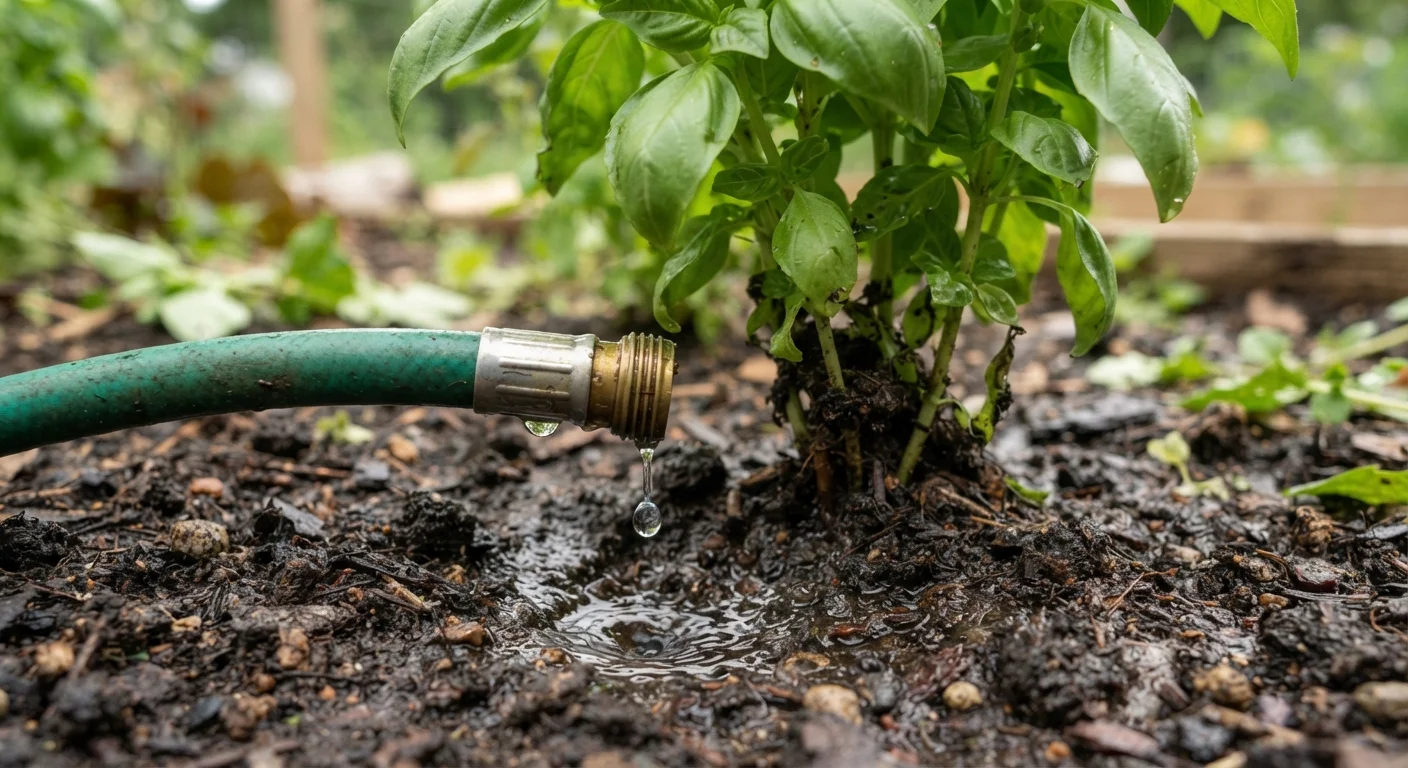
This is a spatial and environmental relationship rather than a biological one, but it's no less useful. It also demonstrates the broader principle: understanding each plant's light, water, and root space requirements tells you more about which combinations will work than most published companion planting charts. For more on managing plant-specific water needs in mixed plantings, see our overview of watering strategies.
Tall plants providing strategic shade for heat-sensitive crops is a structural pairing with straightforward, reliable benefits.
How to Apply This in Your Garden
Companion planting works best when treated as one tool among many, not a complete growing strategy. Matching plants that share similar water and light requirements is often more impactful than any documented chemical interaction between species. Our guide to watering depth and frequency is a useful starting point for ensuring grouped plants have compatible needs.
Test Pairings Before Going All In
If you want to evaluate whether a companion pairing works in your garden, try it in one section while keeping a control bed with solo plantings. Track pest pressure, yield, and plant health across a full season. Your local soil microbiome, climate, and pest species will influence outcomes more than generalized charts suggest.
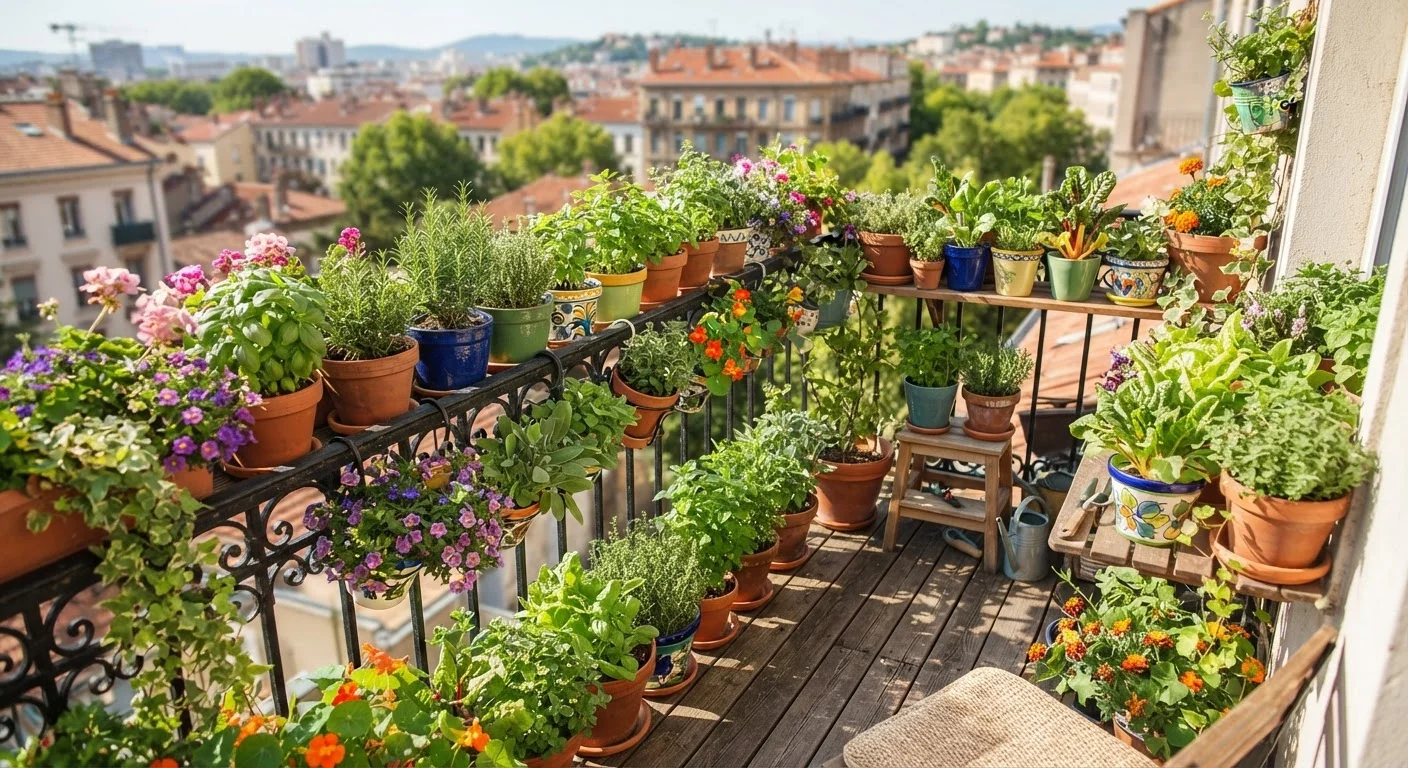
If you're working with limited outdoor space, container gardening on a patio or balcony can still accommodate several companion planting principles - particularly pairing herbs with vegetables in the same large pot. Start small, observe what works in your specific conditions, and adjust from there.