Why Container Gardening Works for Small Outdoor Spaces
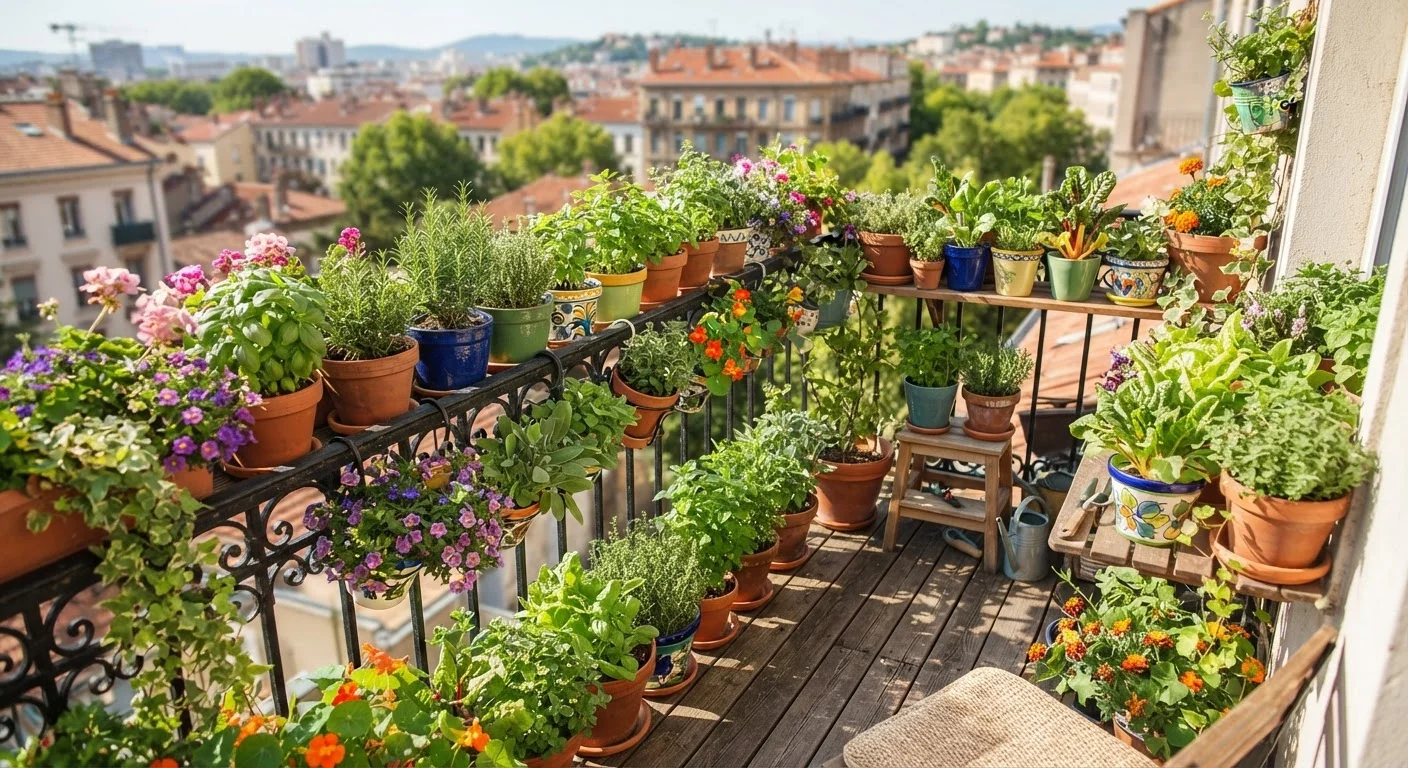
A patio or balcony doesn't need square footage to function as a genuine garden - it needs thoughtful setup. Container gardening lets you control soil quality, reposition plants to chase sunlight, and grow a surprising variety of edibles and ornamentals in spaces measured in feet rather than yards. It's also a natural complement to the broader challenge of making compact spaces work harder, which connects to strategies explored in our guide to small-space living.
Unlike raised bed or in-ground gardening, containers offer complete portability and require no modification to the underlying surface - an important consideration for renters. The tradeoffs are real, though: containers dry out faster, require more frequent feeding, and limit root depth. Understanding these dynamics upfront is what separates a thriving balcony garden from a frustrating one.
Check Balcony Load Capacity First
Balconies have structural weight limits, and large pots filled with wet soil are surprisingly heavy - a 15-gallon container with moist mix can weigh 80 pounds or more. Before setting up multiple large containers, check your lease agreement or building management guidelines for load restrictions. Spreading weight across the entire balcony floor - rather than clustering pots along the railing edge - is a sound general practice.
Setting Up Your Container Garden: Tools and Materials
Getting the foundation right - containers, potting mix, and drainage setup - makes everything else easier. Refer to the checklist below before purchasing plants.
Containers with drainage holes
Hold soil and plants while allowing excess water to escape, preventing root rot.
Quality potting mix
Provides well-aerated, nutrient-appropriate growing medium specifically designed for container use.
Saucers or drip trays
Catch water runoff beneath containers to protect floors and surfaces.
Slow-release granular fertilizer
Supplements nutrients that leach out of containers with regular watering over the growing season.
Watering can or hose with gentle nozzle
Delivers water evenly at the soil surface without disturbing roots or washing out potting mix.
Plant caddies or pot risers
Elevate containers for better airflow, easier drainage, and simpler repositioning.
Moisture meter
Takes guesswork out of watering by accurately measuring soil moisture at root depth.
Avoid Garden Soil in Containers
Standard garden soil compacts tightly in pots, restricts root oxygen, and drains poorly - often leading to root rot within a single growing season. Always use a dedicated potting mix formulated for containers. If you want to reduce costs over time, finished compost can be blended in at modest proportions to add nutrients.
Place saucers under each container to protect your patio or balcony floor surface, but empty standing water from saucers within a day or two to prevent mosquito breeding and root rot from prolonged saturation. Plant caddies with wheels make repositioning large, heavy pots significantly easier without risk of surface damage.
If you're working in a particularly exposed or windy spot, the structural context of your outdoor surface matters - our article on hardscaping and drainage realities covers what to expect from different patio surface types.
Group Pots to Reduce Moisture Loss
Clustering containers together creates a slightly more humid microclimate around the plants, slowing evaporation from individual pots. This is especially useful on exposed, wind-prone balconies where containers can dry out within a day during summer. It also makes watering rounds faster and keeps the space looking intentionally designed.
Step-by-Step: Building Your Container Garden
Follow these steps in order for the most straightforward setup experience, especially if this is your first season with containers.
What you will need
Assess your space and light conditions
Walk your patio or balcony at different times of day and note how many hours of direct sunlight each area receives. Most vegetables and flowering plants need 6 or more hours of direct sun; many herbs manage with 4-6 hours; shade-tolerant plants like ferns and impatiens can get by with less. This assessment directly dictates which plant categories will work in your space.
Also note wind exposure - high balconies can be surprisingly windy, which accelerates moisture loss and can damage tall or top-heavy plants. A railing, trellis screen, or strategic pot placement can reduce wind impact.
Choose containers appropriate to what you want to grow
Match container size to mature plant size, not seedling size. Most culinary herbs do well in 6-8 inch pots; tomatoes, peppers, and eggplants need containers of at least 5 gallons (roughly 12 inches deep); leafy greens like lettuce and spinach thrive in wide, shallow troughs at least 6-8 inches deep.
Material matters for weight and water retention: terracotta is breathable and attractive but dries quickly; plastic and resin are lightweight and hold moisture longer; glazed ceramic is heavy but durable. For a compact space, lighter materials give you more flexibility to rearrange. Every container must have at least one drainage hole - non-negotiable for healthy roots.
Fill containers with quality potting mix
Fill containers to about an inch below the rim to allow room for watering without overflow. For deep containers (12 inches or more), you can use lightweight filler - like plastic bottles or packing peanuts - in the bottom quarter to reduce weight, provided your plants don't have very deep taproots.
Mix in a slow-release granular fertilizer per the product label at planting time. Nutrients leach out with every watering, so this baseline feeding helps carry plants through the first several weeks. See our guide on using finished compost in your garden if you want to incorporate homemade organic matter as a soil amendment.
Select plants suited to container life
Compact and dwarf cultivars of almost any plant tend to outperform standard varieties in containers. For edibles, look for varieties specifically described as 'patio,' 'bush,' or 'dwarf' on seed packets and plant tags. Reliable container performers include: basil, chives, mint (in its own pot - it spreads aggressively), parsley, cherry tomatoes, peppers, Swiss chard, lettuce, and green onions.
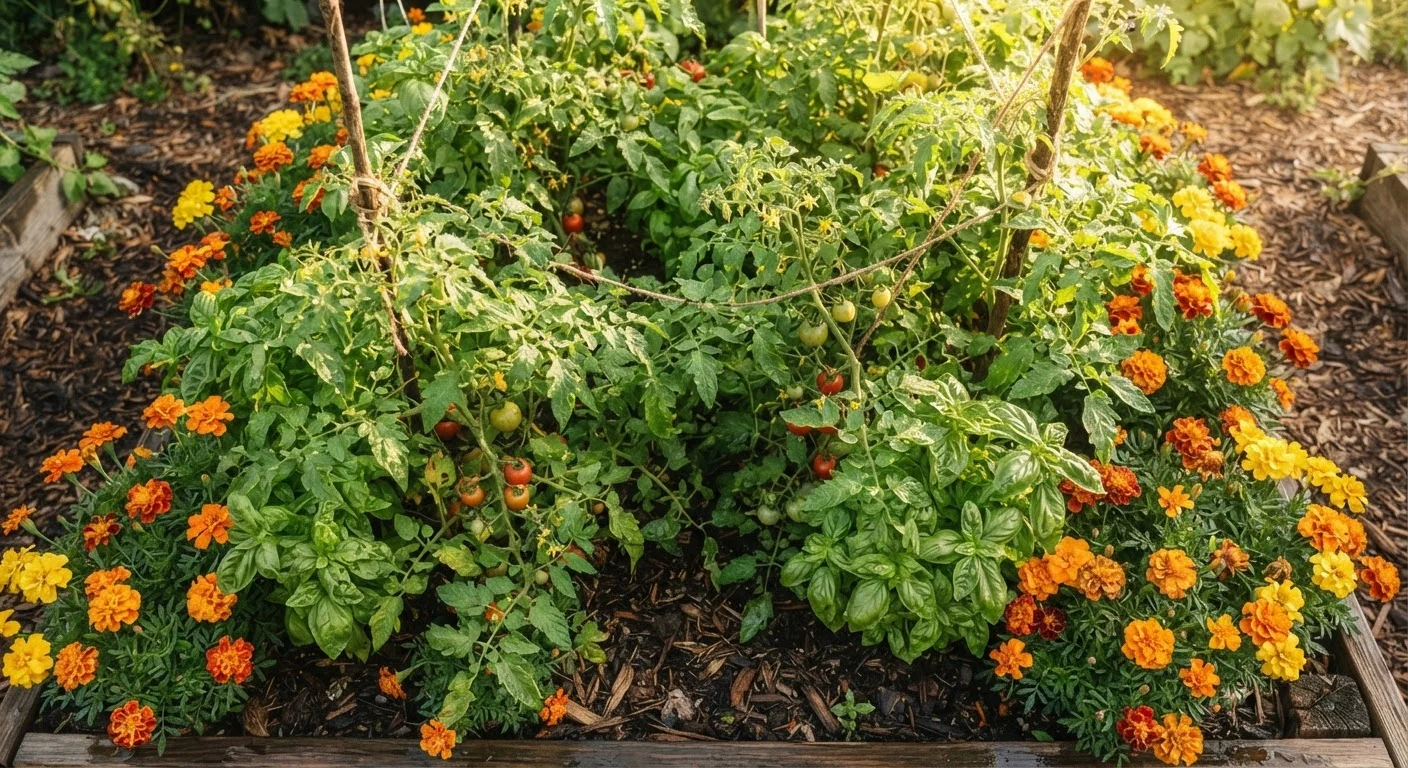
For ornamentals, trailing petunias, calibrachoa, lantana, and marigolds add color with minimal fuss. If you're thinking about mixing plants in a single large container, companion planting pairings can guide which combinations tend to support each other.
Water consistently and monitor soil moisture
Containers dry out significantly faster than in-ground soil, especially during warm weather or on sunny, exposed balconies. Check soil moisture daily during summer by pressing a finger about an inch into the potting mix - if it feels dry at that depth, water thoroughly until it flows from the drainage holes.
Avoid light, frequent watering that only wets the surface; deep, thorough watering encourages roots to grow downward. Early morning is the ideal time - leaves dry quickly, reducing fungal disease risk, and plants are hydrated heading into the hottest part of the day.
Feed regularly and maintain plants throughout the season
Even with an initial slow-release fertilizer, most actively growing container plants benefit from supplemental liquid feeding every two to four weeks during the growing season. A balanced, water-soluble fertilizer applied at the recommended dilution is a straightforward approach for mixed containers.
Remove dead flower heads (deadheading) on flowering plants to encourage continued blooming. Trim herbs before they flower to keep foliage productive. At the end of the season, empty and clean containers before storing - this removes overwintering pests and prevents soil-borne disease from carrying over.
Once your garden is established, regular observation is your best maintenance tool. Yellowing leaves, wilting at midday despite moist soil, or stunted growth each point to specific, diagnosable problems - usually watering, feeding, or light-related - that are straightforward to address when caught early. For readers interested in eventually scaling up beyond containers, starting a first vegetable garden covers the path from pots to a full growing setup.