Soil Quality and Control
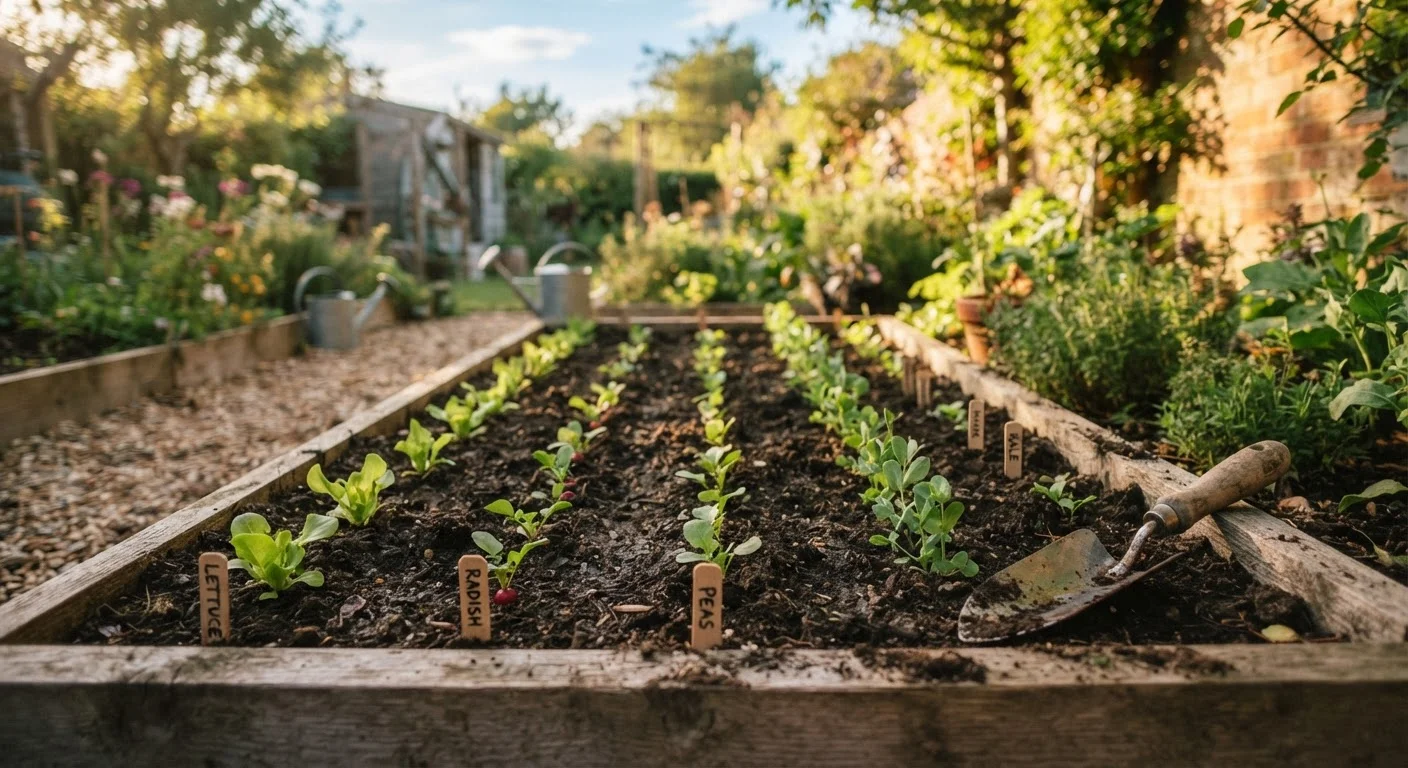
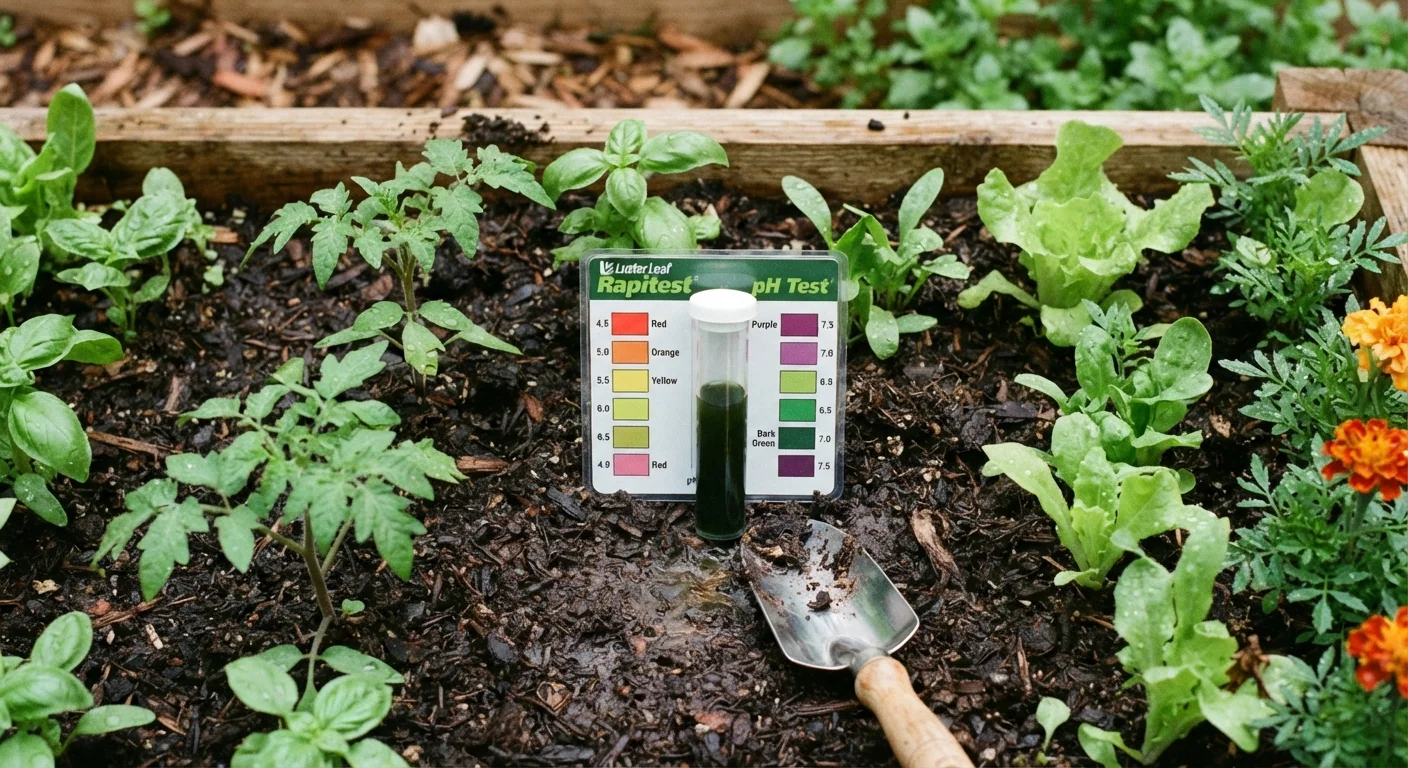
The single biggest practical difference between raised beds and in-ground planting is control over your growing medium. With raised beds, you fill the structure with a mix you choose - typically a blend of topsoil, compost, and an aerating material like perlite or aged wood chips. That means you can dial in drainage, organic matter content, and even soil pH before the first seed goes in.
In-ground gardens require you to work with what's already there. If your native soil is sandy, clay-heavy, or compacted, you'll need to amend it over time - often across multiple growing seasons before the results become consistent. That process isn't a dealbreaker, but it does demand patience and ongoing effort that raised beds mostly sidestep.
One thing in-ground soil has working in its favor: depth. Native soil allows roots to travel as far down as the plant needs, which matters for crops like carrots, parsnips, or established berry bushes. Most standard raised beds sit at 10-12 inches, which suits annual vegetables well but can constrain deeper-rooting plants.
| Criterion | Raised Beds | In-Ground Planting |
|---|---|---|
| Startup cost | Higher (materials + fill soil) | Lower (tools + amendments only) |
| Soil control | Full - you choose the mix | Limited by native soil quality |
| Drainage | Excellent; dries out faster | Varies with native soil type |
| Root depth | Limited by bed depth (usually 10-12 in.) | Unlimited |
| Weed pressure | Generally lower at the start | Higher; native weed seeds present |
| Spring warm-up | Earlier; extends growing season | Slower to warm in spring |
| Scalability | Costly to expand | Easy and inexpensive to expand |
| Accessibility | Ergonomic at appropriate height | Requires bending and kneeling |
Cost, Setup, and Long-Term Maintenance
In-ground planting has almost no startup cost beyond tools and seeds. You dig, amend if needed, and plant. Raised beds, by contrast, require materials for the frame - wood, galvanized steel, composite lumber - plus enough quality soil to fill the bed. A single 4×8-foot bed can run anywhere from modest to substantial depending on material choices and fill volume.
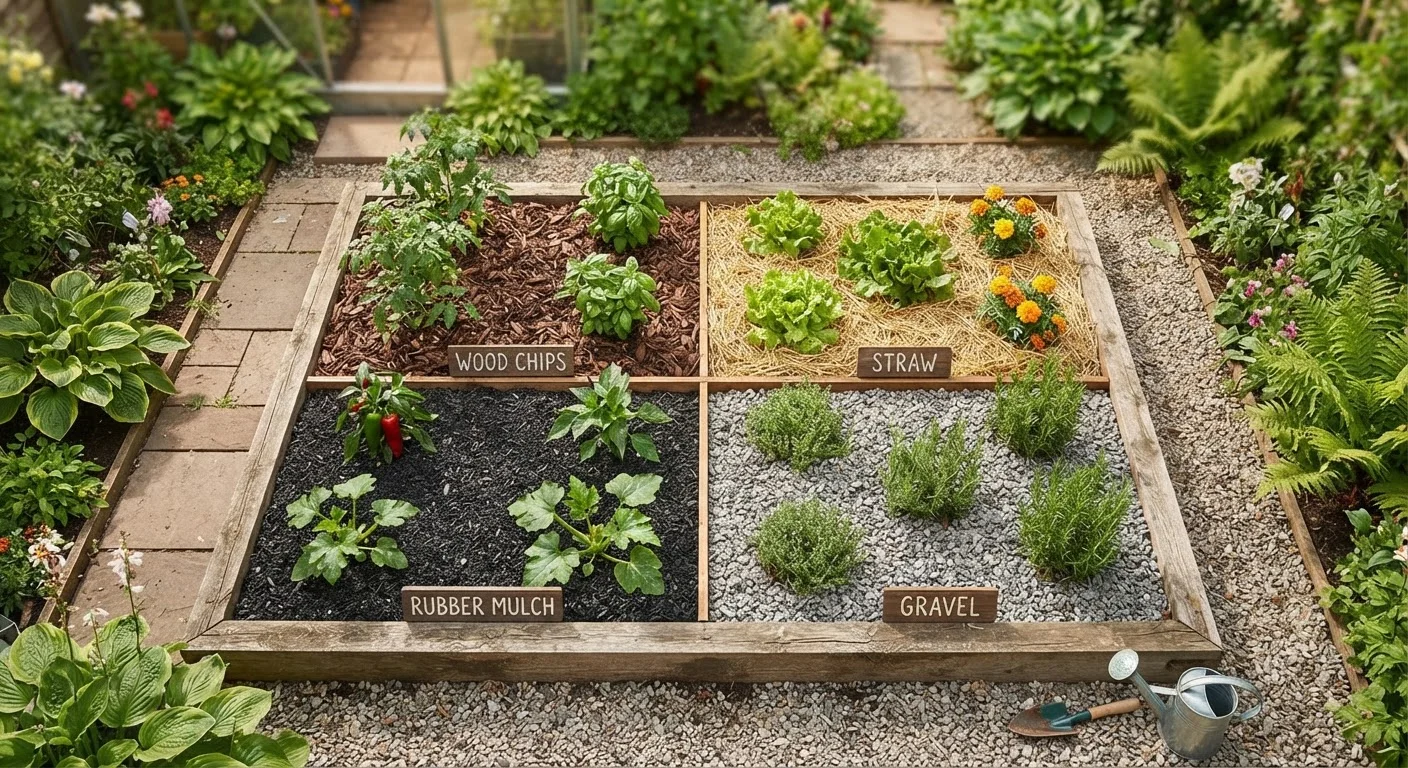
Over time, raised beds do reward that investment. They tend to require less weeding because you're not working with weed-seed-laden native soil, and their contained edges make it easier to apply mulch effectively. In-ground beds may need more frequent weed management and soil reconditioning, especially if foot traffic compacts the surrounding area.
Watering is another maintenance variable. Raised beds drain faster - a genuine advantage in soggy climates but a liability in hot, dry ones where the soil dries out quickly. Understanding how deeply versus how often to water matters for both setups, but raised bed gardeners often need to water more frequently during dry spells.
10-12 in.
Typical raised bed soil depth
Most standard raised bed frames provide 10 to 12 inches of growing depth, which suits the majority of annual vegetables but limits deep-rooting crops.
2-4 weeks
Earlier planting window in raised beds
Because raised bed soil is surrounded by air, it warms faster in spring - commonly allowing planting two to four weeks earlier than in-ground plots in the same location.
30-50%
Estimated water loss increase in raised beds
Raised beds can lose moisture to evaporation and drainage more rapidly than in-ground plots, often requiring more frequent irrigation during dry periods, according to general horticultural guidance.
Season Length, Pests, and Plant Selection
Raised beds warm up earlier in spring because the soil mass is surrounded by air on three or four sides. This can push your planting window earlier by two to four weeks in colder climates - a meaningful advantage for shorter growing seasons. In-ground soil stays cooler longer in spring but also retains warmth deeper into fall.
Pest and disease dynamics differ too. Raised beds can be fitted with hardware cloth on the bottom to block burrowing rodents, and their contained structure makes row covers and insect netting easier to deploy. In-ground plots are harder to fully exclude from ground-level pests but may benefit from a more diverse underground ecosystem over time.
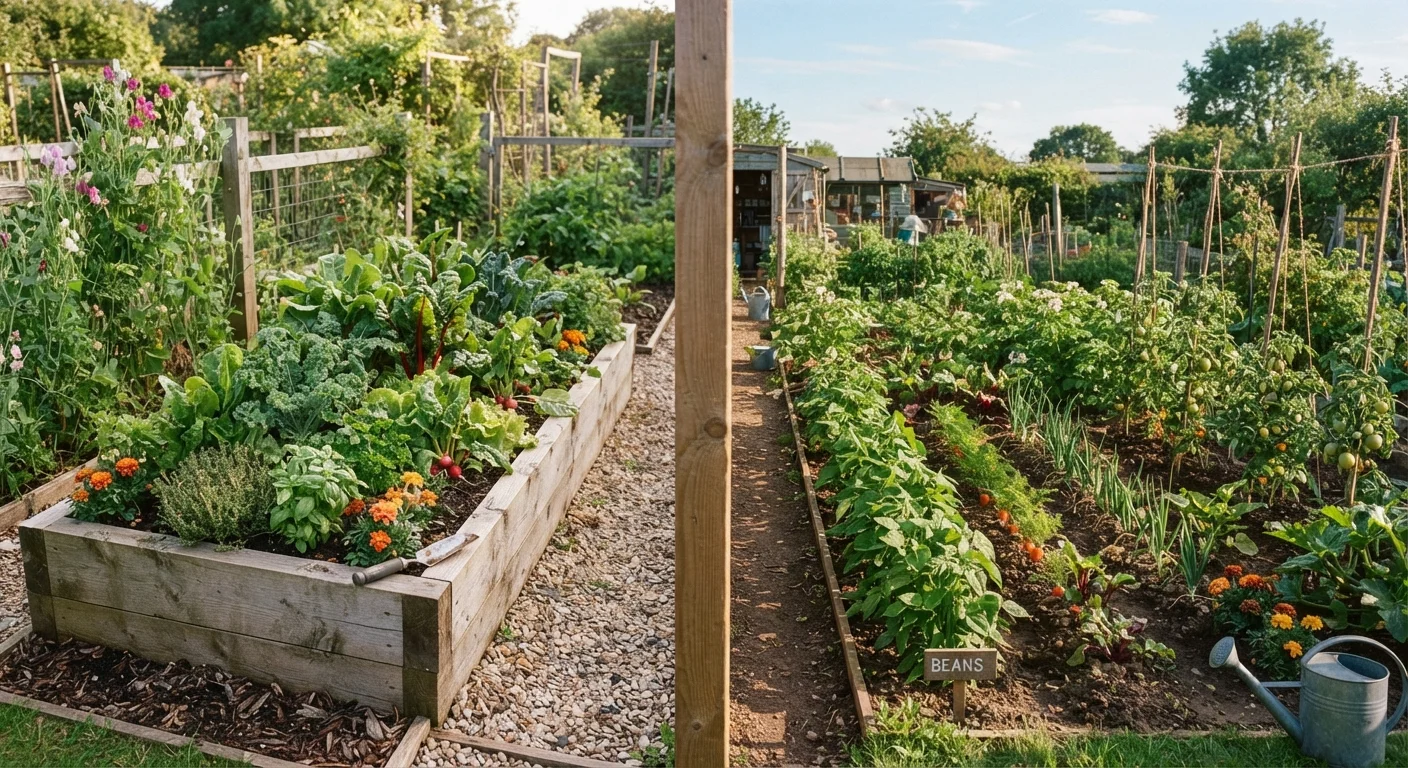
Plant selection should guide your setup choice as much as anything else. Annual vegetables - tomatoes, lettuce, beans, herbs - thrive in raised beds. Perennials like asparagus, rhubarb, and fruit trees generally prefer in-ground planting where roots can establish without structural limits. Many gardeners run both systems in parallel, dedicating raised beds to annuals and in-ground space to perennials and larger crops. You can also explore companion planting strategies - see which plant pairings actually work - in either setup.