Why Watering Technique Shapes Root Health
Most gardening advice focuses on how often to water, but the more consequential question is how deeply. The way water moves through soil directly determines where roots grow - and roots that grow deep are roots that can sustain a plant through heat, dry spells, and environmental stress.
When water only moistens the top layer of soil, roots cluster near the surface to access it. This produces plants that look fine day-to-day but struggle the moment conditions change. Deep watering changes that equation by encouraging roots to follow moisture downward, anchoring the plant and broadening its access to nutrients. The principle applies to lawns, vegetable beds, perennials, and shrubs alike - though the specifics vary by plant and setting.
Myth
Watering a little every day keeps plants consistently hydrated and healthy.
Fact
Daily shallow watering trains roots to stay near the surface, making plants less resilient and more dependent on you.
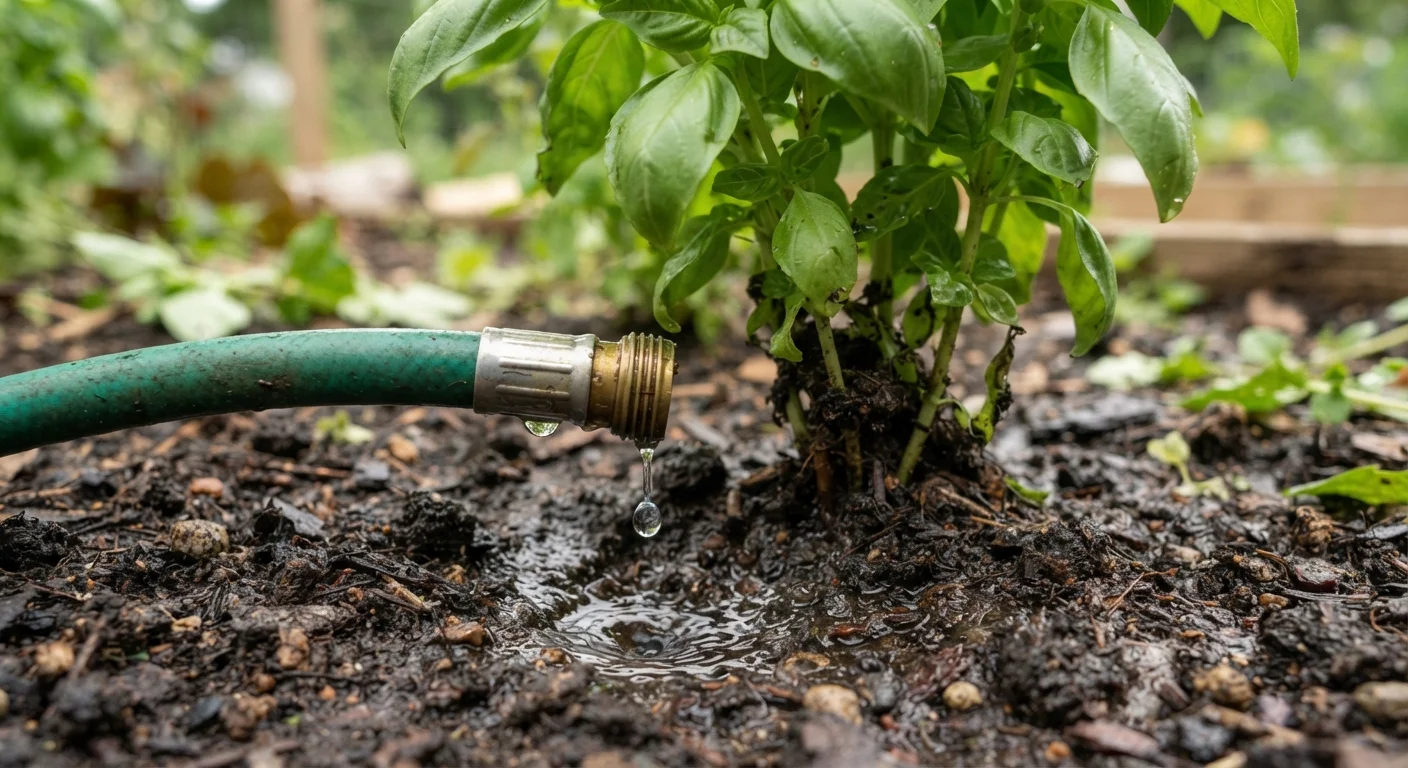
When water only penetrates the top inch or two of soil, roots follow it upward rather than growing deeper into the ground. Shallow root systems dry out faster, stress more easily in heat, and are vulnerable to surface-level soil disturbances. Deep watering - soaking the soil to a depth of 6-12 inches depending on the plant - encourages roots to reach further down where moisture is more stable. Most established garden plants do better with thorough watering every few days than with a light sprinkle daily.
Myth
If soil looks dry on top, the plant desperately needs water right away.
Fact
Surface soil dries out quickly and is a poor indicator of moisture deeper in the root zone.
The top inch of soil can dry out within hours on a warm day even when the root zone beneath is still adequately moist. A more reliable method is to push a finger or a wooden dowel 2-3 inches into the soil. If it comes out moist, the plant likely does not need water yet. For a more precise read, inexpensive soil moisture meters can measure moisture at root depth - a useful tool if you tend to second-guess yourself.
Myth
All plants need the same watering schedule once established.
Fact
Watering needs vary widely by plant type, soil composition, climate, and season.
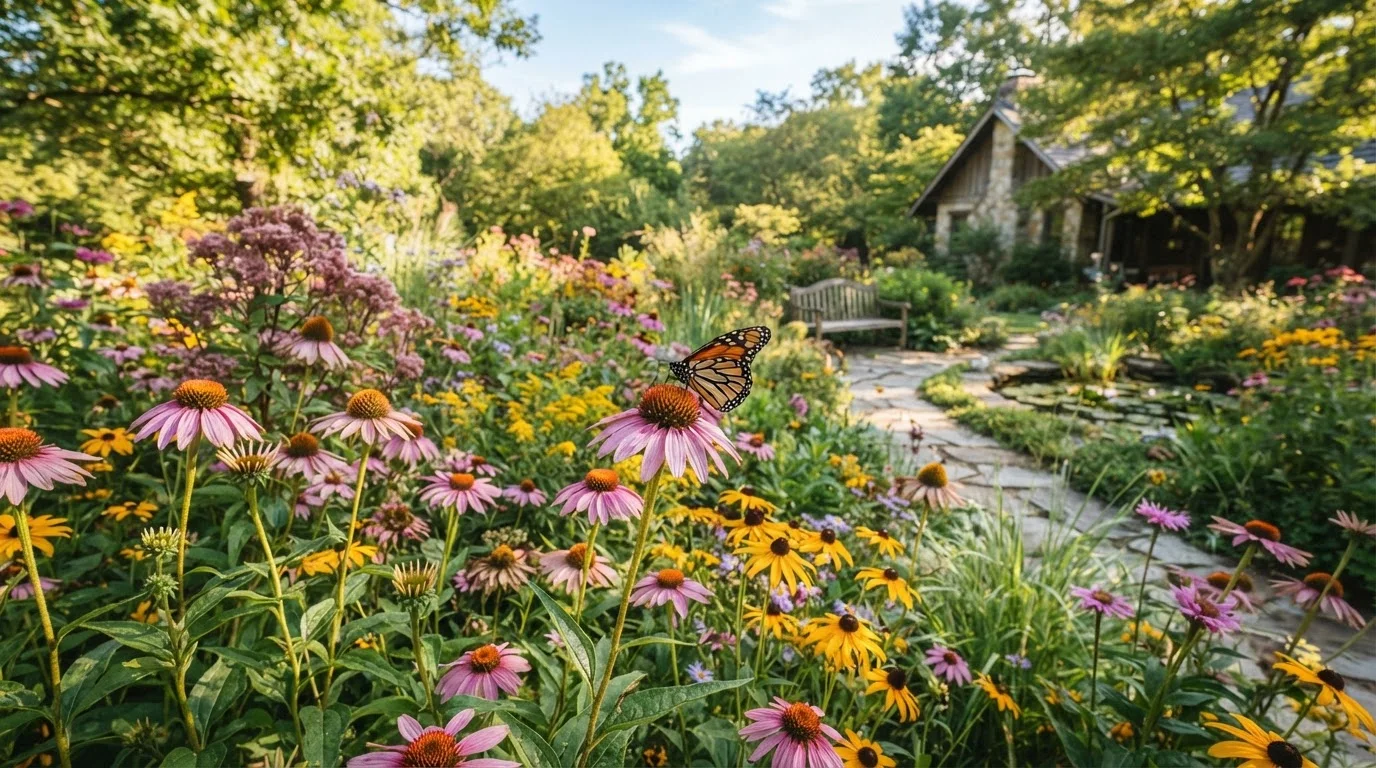
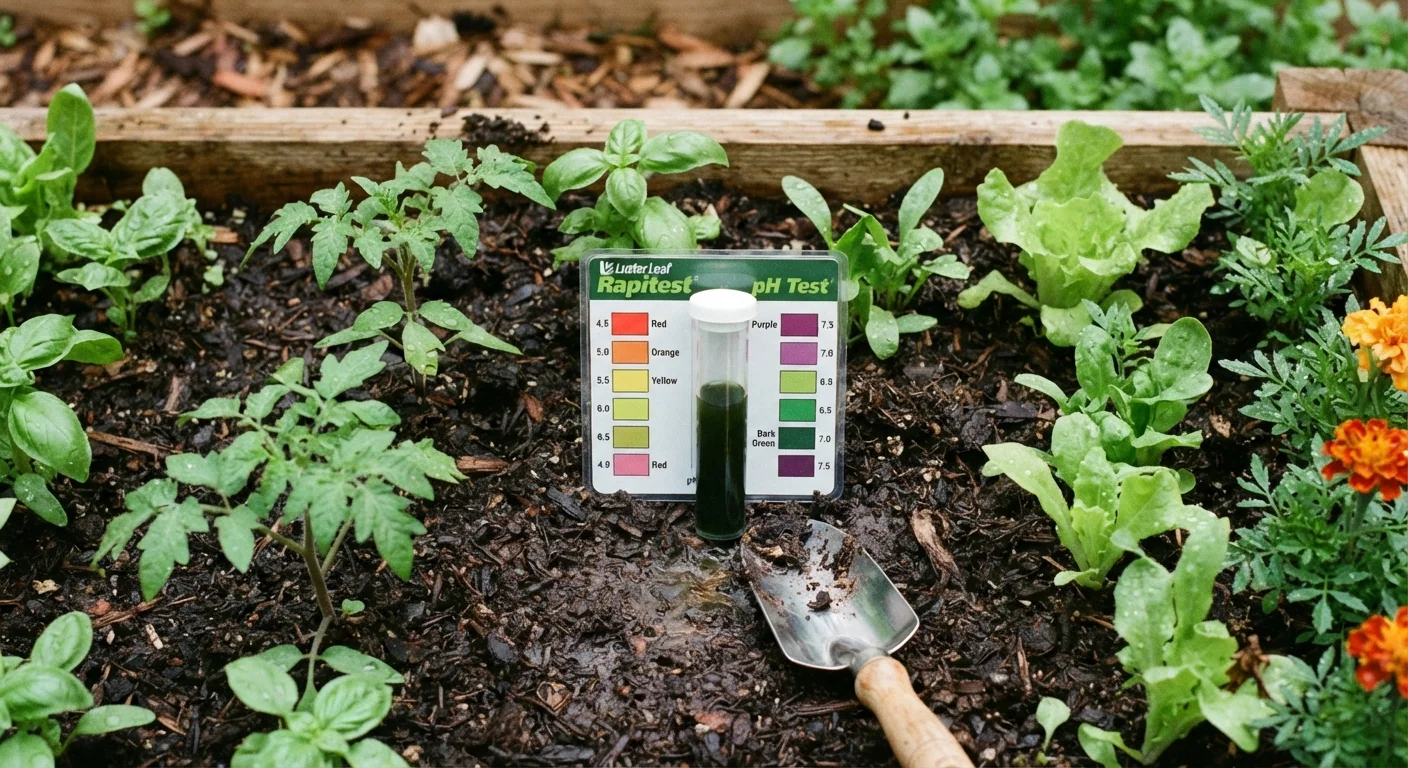
A drought-tolerant native prairie plant and a vegetable garden bed have very different moisture requirements. Native plants, for example, are typically adapted to local rainfall patterns and often need little supplemental watering once established. Vegetables and annuals generally need more consistent moisture. Sandy soils drain quickly and may need more frequent attention, while clay soils retain water longer and can become waterlogged if over-irrigated. Understanding your soil is foundational - see our piece on soil pH and its effect on your garden for broader context.
Myth
Container plants can be watered on the same schedule as in-ground plants.
Fact
Containers dry out significantly faster than garden beds and often require more frequent watering.
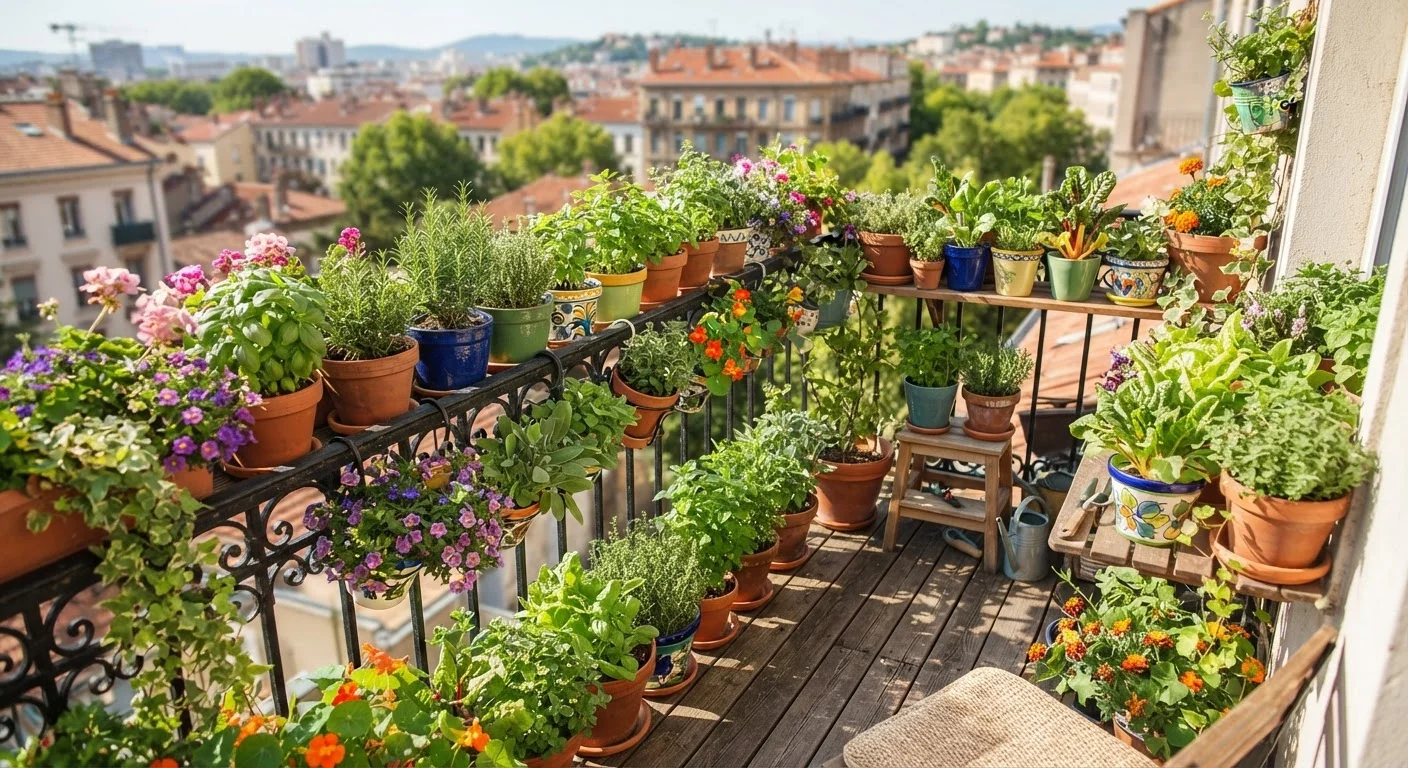
Pots have limited soil volume and drain more rapidly, meaning they can go from adequately moist to bone dry within a day during summer heat. This is one of the most important distinctions for container gardeners - the deep-and-infrequent rule applies less strictly here. Container gardening requires checking moisture daily in warm weather and watering when the top inch feels dry. Grouping containers together can also reduce moisture loss by creating a slightly more humid microclimate around plants.
Myth
Watering in the morning and evening is equally effective.
Fact
Morning watering is generally preferable because foliage dries before nightfall, reducing disease risk.
Evening watering leaves moisture sitting on leaves overnight, creating ideal conditions for fungal diseases like powdery mildew and leaf blight. Morning watering gives foliage time to dry during the day while still allowing water to reach roots before midday heat. If morning watering isn't feasible, watering at the base of plants rather than overhead significantly reduces the risk of prolonged leaf wetness at any time of day. Drip systems, which deliver water directly to the soil, are well suited to this approach - see our overview of how drip irrigation works for more detail.
Practical Adjustments for Different Planting Situations
Applying the deep-watering principle looks different depending on where and what you're growing. In traditional in-ground beds, a slow soak with a soaker hose or low-flow sprinkler for 20-45 minutes typically achieves adequate depth, though you should verify with the finger-test method. Those weighing garden setup options may find our comparison of raised beds versus in-ground planting useful, since raised beds drain more quickly and may need slightly more frequent attention than ground-level beds.
Wilting Doesn't Always Mean Thirsty
A wilting plant is one of the most misread signals in gardening. Both underwatering and overwatering can cause wilting, as can heat stress during peak afternoon sun. Water without checking soil moisture first and you risk compounding the problem, especially in poorly draining soil.
For new transplants and seedlings, consistent light moisture at shallower depths is appropriate until the root system establishes - then gradually shift toward deeper, less frequent watering as the plant matures. The goal across all situations is the same: water to meet the plant's actual need, not to follow a rigid calendar schedule. Adjusting for rainfall, season, and plant stage will serve your garden better than any fixed routine.
Overwatering Is a Leading Cause of Plant Death
More plants are harmed by too much water than too little. Waterlogged soil deprives roots of oxygen, creating conditions where root rot thrives. Before reaching for the hose, check soil moisture 2-3 inches below the surface - if it still feels damp, hold off.