Why pH Is the Foundation of Soil Health
You can add compost, water consistently, and choose the right sun exposure - and still struggle with plants that look pale, stunted, or unproductive. Often, soil pH is the hidden factor. It determines whether nutrients already present in your soil are chemically available to plant roots, or locked up in forms plants cannot absorb.
Think of pH as a gate controlling nutrient flow. Iron, manganese, and phosphorus behave very differently in acidic versus alkaline conditions. In highly acidic soil (below pH 5.5), aluminum and manganese can become concentrated enough to be toxic to sensitive plants. In overly alkaline soil (above pH 7.5), iron and zinc become largely unavailable even if those elements are present in the ground.
This is why understanding pH matters before you fertilize, amend, or plant anything new.
6.0-7.0
Ideal pH range for most vegetables
According to university extension guidelines, this range supports optimal availability of the major nutrients plants require.
10×
Change per pH unit on the scale
Each whole-number step on the pH scale represents a tenfold difference in hydrogen ion concentration, making even small shifts meaningful.
4.5-5.0
pH needed for blueberries to fruit
Most state cooperative extension services note that blueberries grown outside this narrow acidic range typically show poor yields and yellowing leaves.
What Different Plants Actually Need
There is no single ideal pH for every garden. Different plant families have evolved for different soil chemistries:
- Vegetables and herbs (tomatoes, peppers, basil, carrots): generally prefer 6.0-7.0
- Acid-loving ornamentals (azaleas, rhododendrons, gardenias): thrive at 4.5-5.5
- Blueberries: require a strongly acidic 4.5-5.0 to fruit well
- Turf grasses: most perform best at 6.0-7.0
- Asparagus and brassicas (cabbage, broccoli): tolerate a slightly broader range, up to 7.5
If you are balancing perennials and annuals in the same bed, it helps to group plants with similar pH preferences. For broader context on how plant types affect your planning, see our article on perennial vs. annual plant selection.
How to Test and Adjust Your Soil
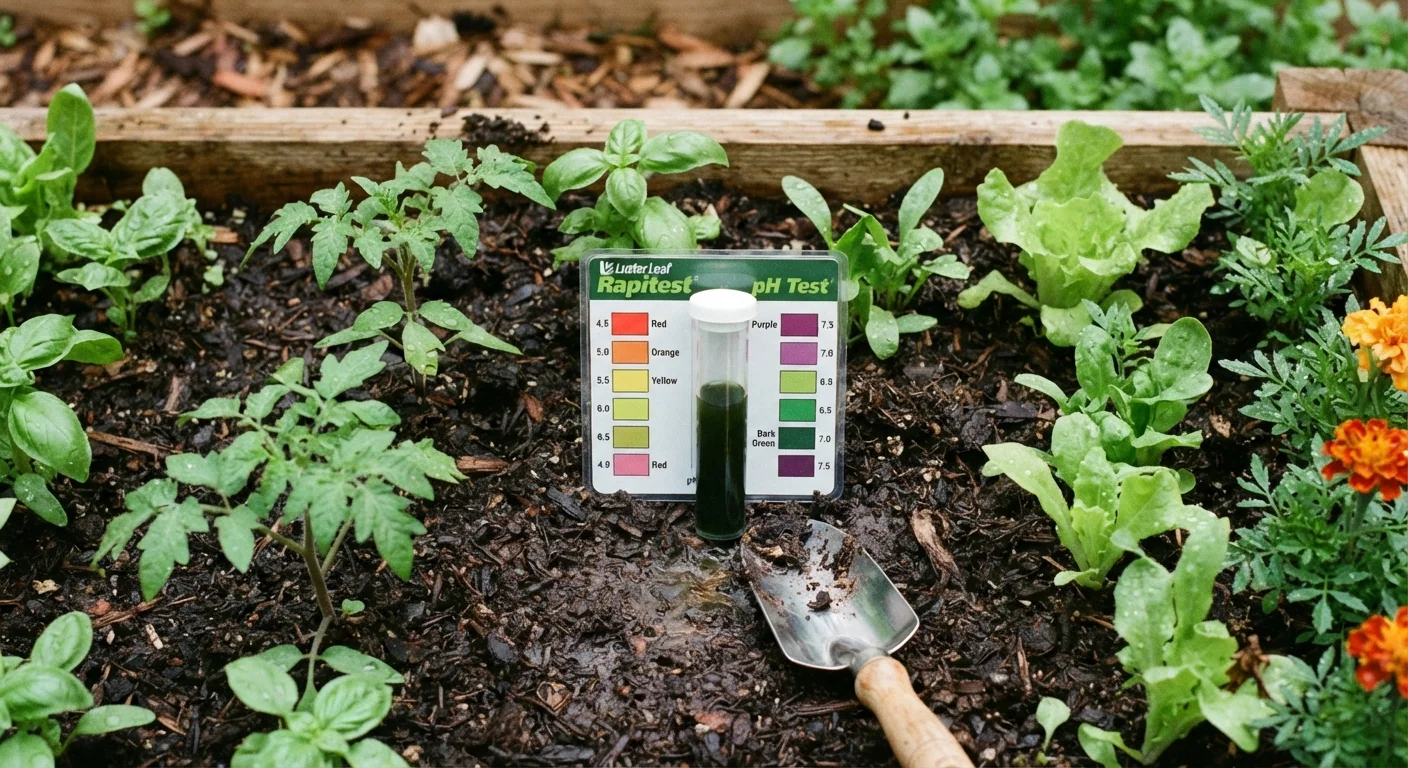
Testing is straightforward. At-home kits compare a soil-and-water mixture to a color chart, while digital meters insert directly into moist soil. For a more detailed analysis that includes nutrient levels and amendment recommendations, your state's cooperative extension service often offers low-cost laboratory testing.
To raise pH (make soil less acidic): Apply ground agricultural limestone - either calcitic or dolomitic lime. Dolomitic lime also adds magnesium, which can be useful in deficient soils. Work it into the top several inches of soil and water well. Retest after a few months.
To lower pH (make soil more acidic): Elemental sulfur is the most effective option; soil bacteria convert it to sulfuric acid over time. Acidifying fertilizers and peat moss can contribute to modest, gradual reductions as well.
Test Before You Amend
Always test your current pH before adding lime or sulfur - amending without knowing your baseline can overcorrect and create new problems. Collect soil samples from several spots in your garden and mix them together for a representative reading. Your local cooperative extension office is a reliable source for guidance on testing and interpreting results.
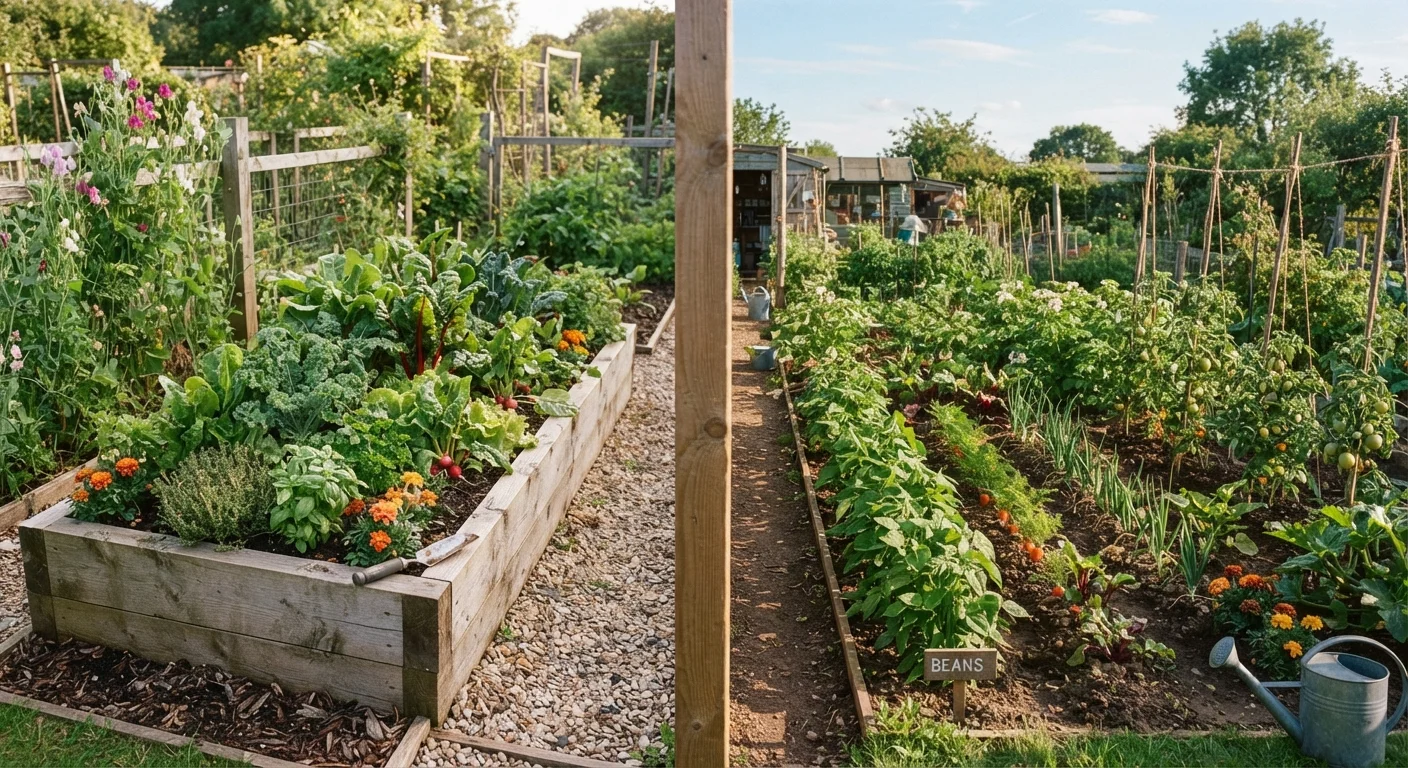
If you are starting a new planting area, a raised bed gives you the advantage of building custom soil from scratch. Learn more about how that approach compares in our guide on raised beds vs. in-ground planting.
Keeping pH Stable Over Time
pH is not a one-time fix. Rainfall, organic matter decomposition, fertilizer use, and plant uptake all shift soil chemistry gradually. Acidic rainfall is common in many parts of the eastern United States and can slowly lower pH year over year. Nitrogen-based fertilizers, particularly ammonium-based forms, also tend to acidify soil over time.
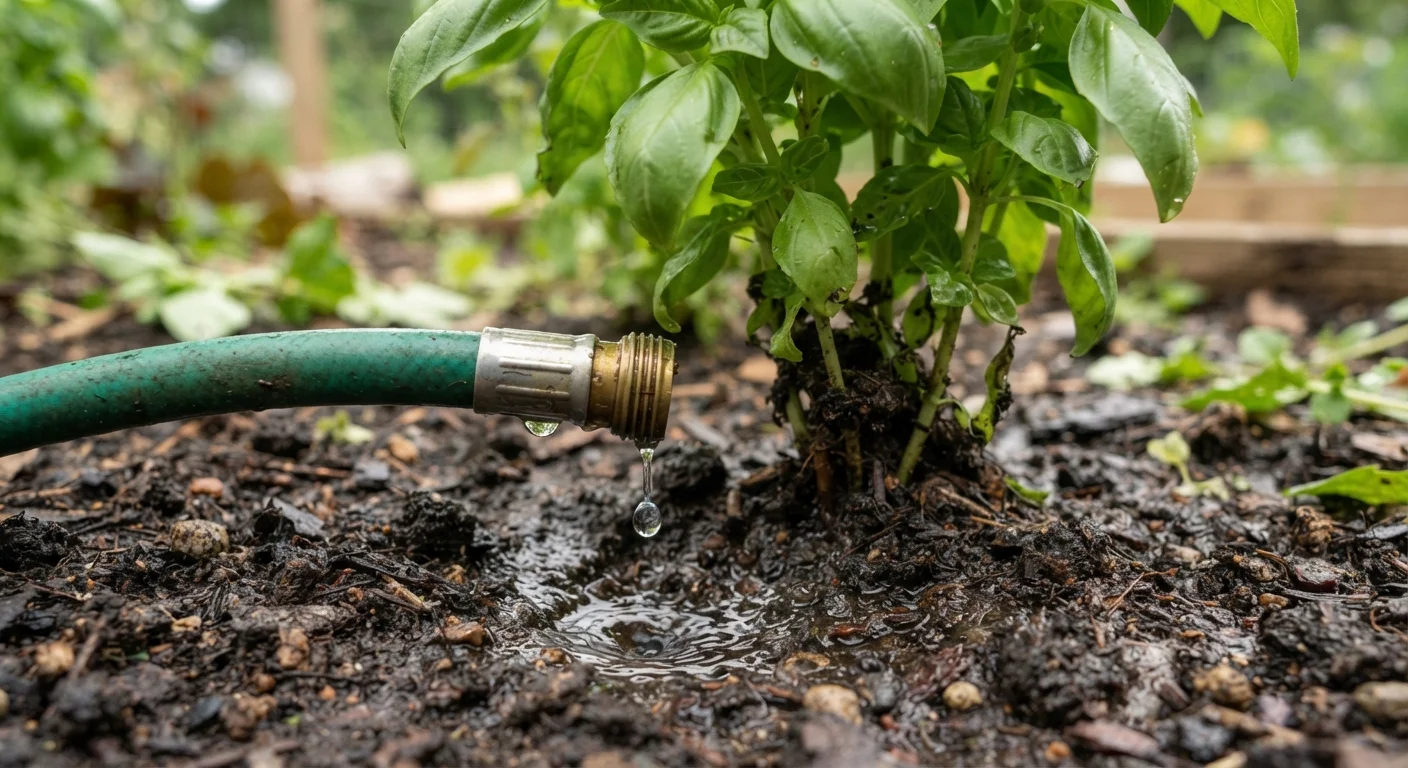
Testing every one to two years gives you a clear picture of any drift and lets you make minor corrections before they become significant problems. Good watering habits also play a role - consistent moisture supports healthy microbial activity that helps maintain stable soil chemistry. For more on how watering practices affect plant health, see our article on watering deeply vs. watering often.
pH Varies Across Your Yard
Soil pH is rarely uniform across an entire property. Areas near concrete foundations or sidewalks tend to be more alkaline due to lime leaching from the concrete. Spots under pine trees or where leaves accumulate over years often become more acidic. Testing different zones separately gives you a more accurate picture than a single sample.