What Each Term Actually Means
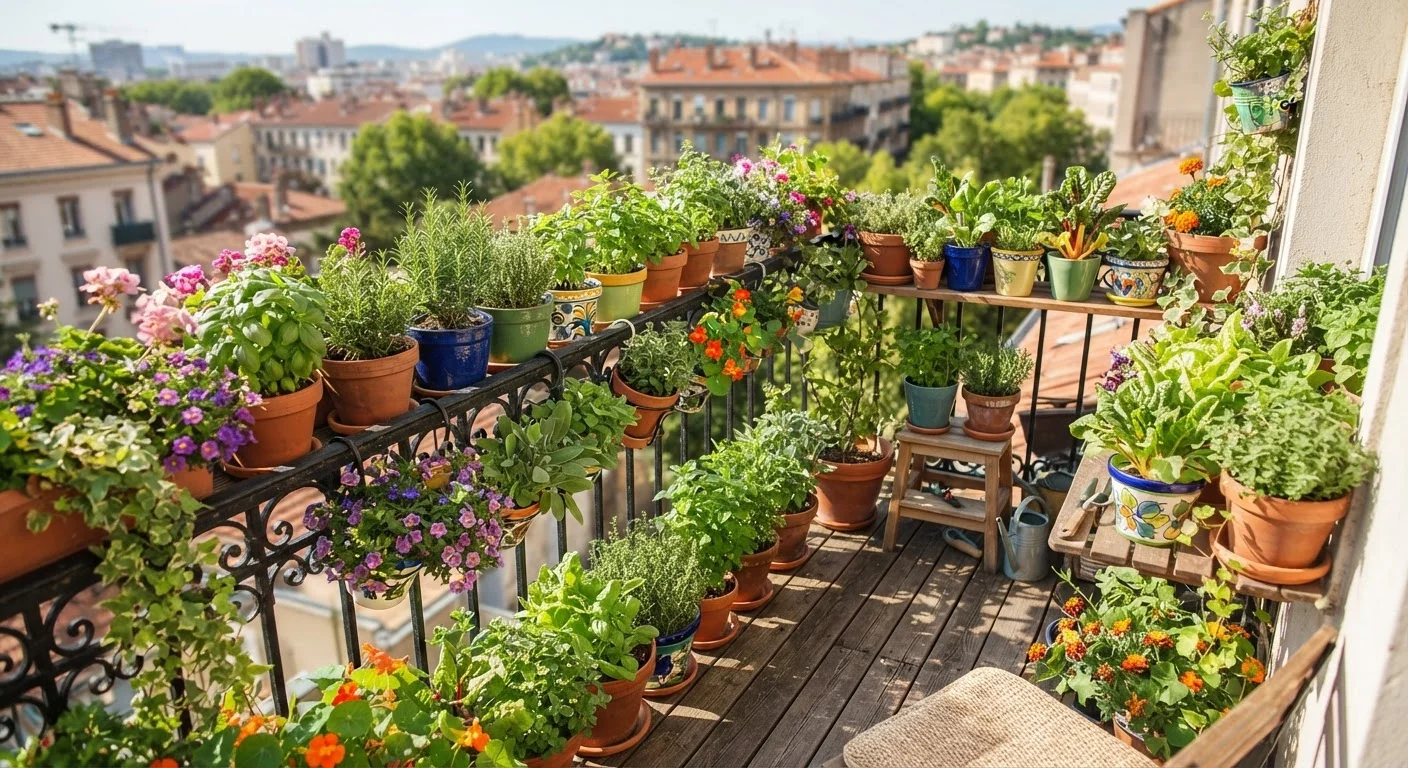
The words annual and perennial describe a plant's natural lifespan, not its desirability or difficulty to grow. Annuals - think petunias, impatiens, and basil - sprout, flower, produce seed, and die all within one season. Because they're racing to reproduce, they often pour energy into prolonged, showy blooms, which is why they're popular for containers and seasonal color displays. See our container gardening guide for tips on selecting plants that thrive in pots.
Perennials - such as coneflowers, daylilies, and hostas - invest energy differently. They build robust root systems that survive winter dormancy and fuel new growth each spring. Above-ground foliage may die back entirely, but the plant itself persists. Some perennials live for decades; others have a natural lifespan of four to seven years before tapering off.
A quick rule: if a plant's label says "grow as annual" in a cold climate, it's likely a tropical perennial that can't survive frost. Many tender perennials - like dahlias and cannas - are grown as annuals in northern states but can be overwintered indoors with some effort.
How the Distinction Shapes Garden Planning
Understanding plant lifespans changes how you approach the garden calendar. Annuals give you flexibility - you can swap colors, try new varieties, or fill gaps on a season-by-season basis. That flexibility comes at a cost: you'll spend more time and money replanting each spring. Perennials, by contrast, anchor the garden. Once established, they require less hands-on intervention, though they may need dividing every few years to stay vigorous.
3+ years
Minimum lifespan defining a perennial plant
By botanical convention, a perennial is any plant that lives for three or more growing seasons under appropriate conditions.
~2-6 weeks
Typical bloom window for most perennials
Unlike many annuals that flower continuously, individual perennial varieties usually have a concentrated bloom period, making staggered planting important for extended color.
1 season
Full life cycle length of a true annual
Annuals germinate, flower, set seed, and die within a single growing season, regardless of climate conditions.
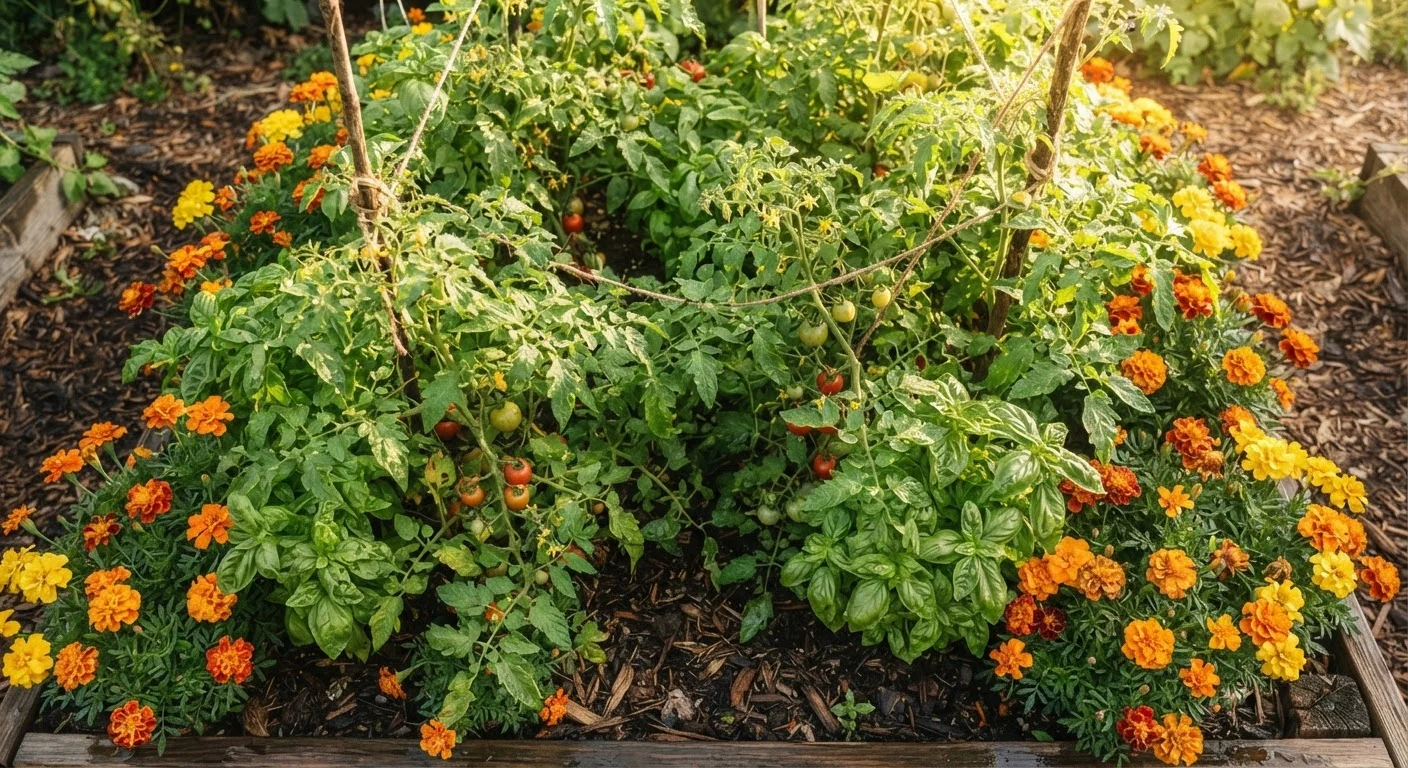
A practical planning approach is to treat perennials as the garden's skeleton - placing them first to establish height, texture, and structural interest - then layering annuals into open spots to add continuous color where perennials may not be blooming. This pairs well with thoughtful companion planting; see which plant combinations tend to work well for more on that.
Budget also factors in. Perennials typically cost more per plant at the outset, but spreading your investment over several years often makes them the more economical choice. Annuals are inexpensive individually but require annual repurchase and replanting labor.
Seasonal Coverage and Bloom Timing
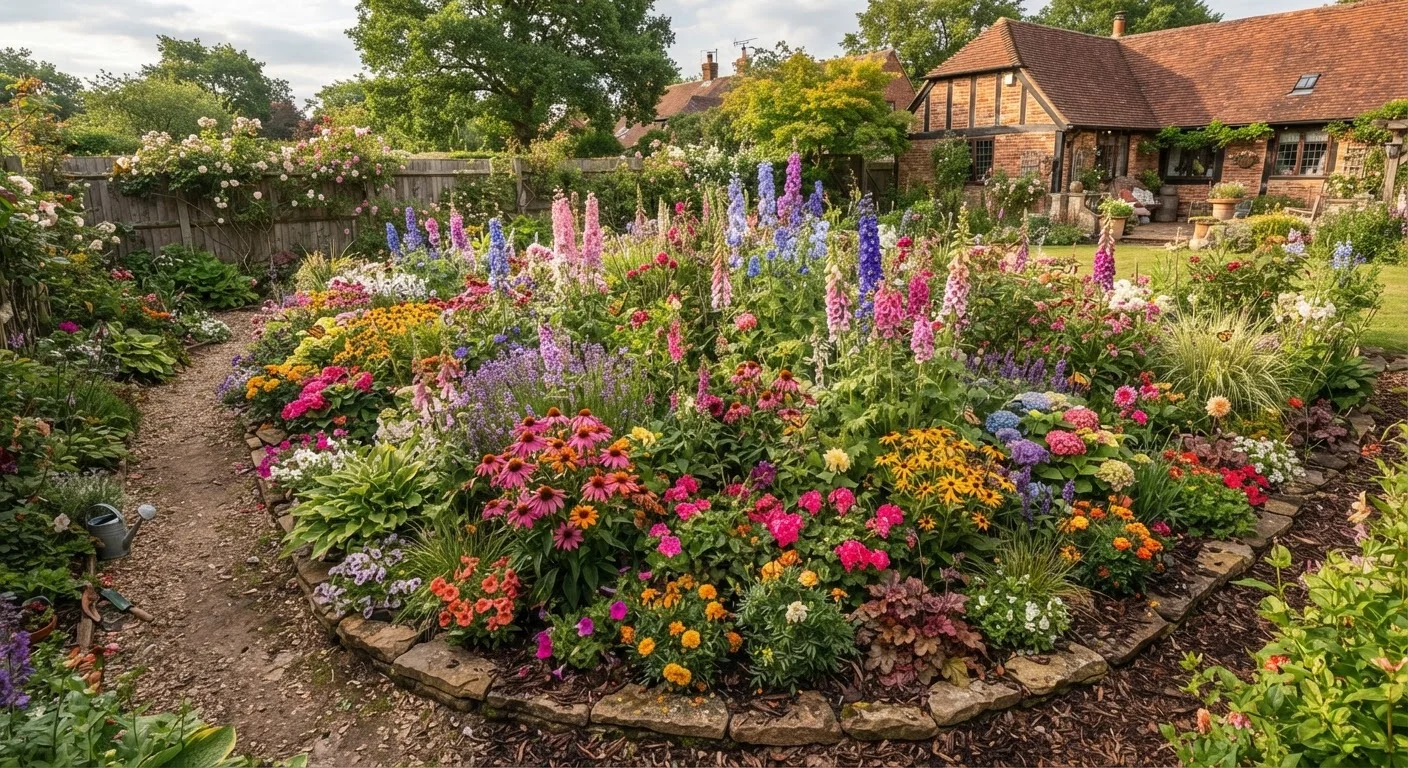
One of the most common frustrations gardeners encounter is a "peak week" garden - everything blooms at once in June, then the beds look sparse for the rest of the summer. Strategic mixing of annuals and perennials directly addresses this.
Plan Bloom Times Before You Plant
Before purchasing plants, sketch out which months you want color in each bed and check the bloom period listed on plant tags or seed packets. Aim to have at least one perennial or annual in bloom in each area from early spring through fall frost. This simple step prevents the common "everything blooms at once" problem that leaves beds bare for months.
Map out bloom times before planting. Early-season perennials like bleeding hearts and tulips (technically bulbs but perennial) carry spring interest. Mid-season perennials such as black-eyed Susans and salvia take over into summer. Late-season players - asters, sedums, and ornamental grasses - carry color into fall. Annuals like zinnias and marigolds fill whatever gaps remain and bloom continuously until frost.
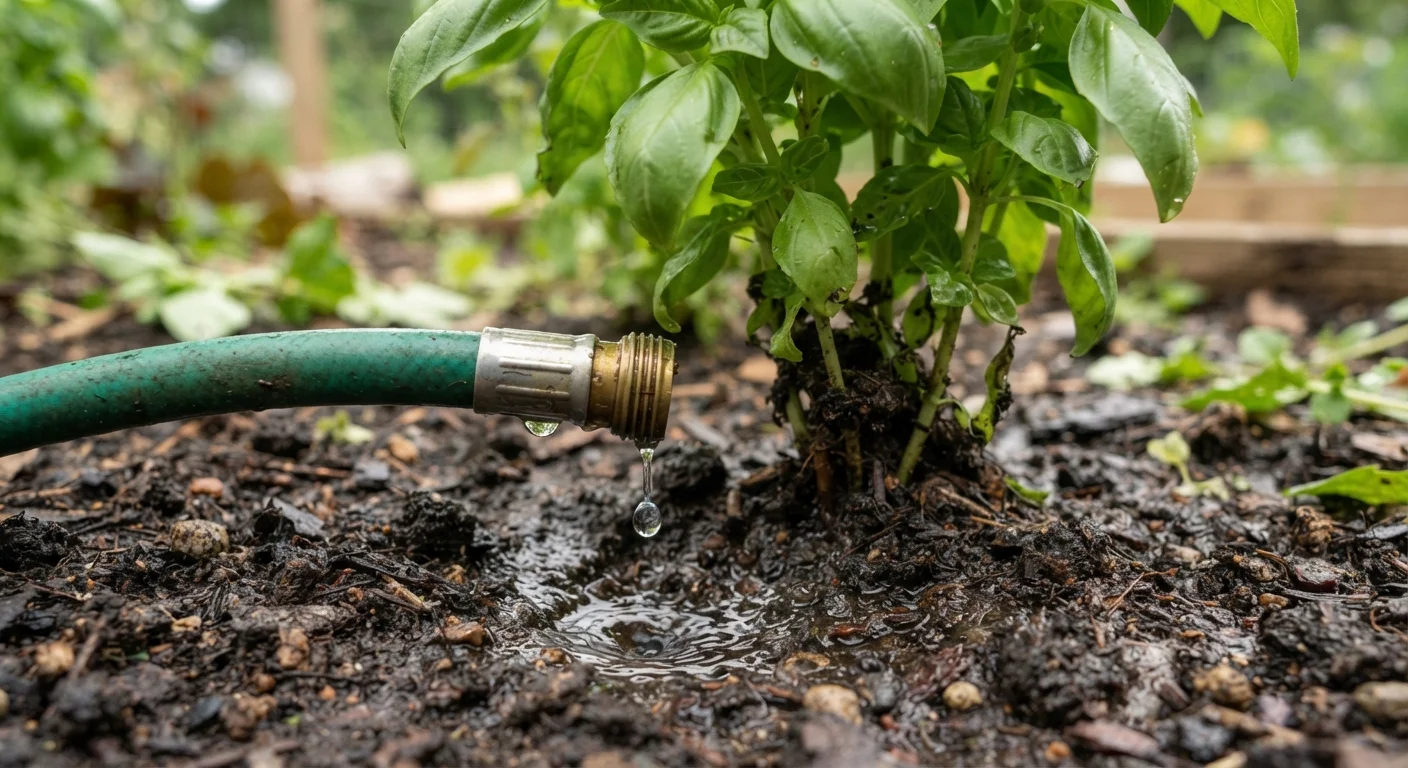
Watering needs can also shift across the season depending on what's growing. Newly planted perennials need consistent moisture to establish their roots, while mature ones are often more drought-tolerant. How you water matters as much as how often, especially for root development in first-year perennials.
Native Plants and Long-Term Garden Health
Many native plants are perennials, which makes them especially valuable for low-maintenance garden design. They're adapted to local soil conditions, rainfall patterns, and temperature swings - meaning they often establish more readily and require less supplemental watering than non-native alternatives. Native plants also support local pollinators and wildlife in ways that many ornamental annuals do not.
Incorporating native perennials into your beds can reduce the ongoing labor associated with seasonal replanting while building a garden that strengthens its own ecosystem over time. That said, not every native plant suits every garden design - sunlight, soil drainage, and aesthetic goals all still apply. Consider pairing native perennials with a few well-chosen annuals for color variety without sacrificing ecological benefits.
If you're deciding how to set up your planting area in the first place, raised beds vs. in-ground planting is worth thinking through, since the setup affects soil quality, drainage, and how well perennials establish over multiple seasons.