Choosing the Right Spot
Sunlight is non-negotiable. Vegetables need a minimum of six hours of direct sun each day - eight is better for fruiting crops like tomatoes and peppers. Before you dig a single inch, observe your yard at different times of day to identify where shade falls and for how long.
Beyond light, consider these factors:
- Level ground: A relatively flat surface prevents water from running off before it soaks in.
- Access to water: Position your plot within reach of a hose or irrigation source - daily trips with a watering can get exhausting fast.
- Distance from large trees: Tree roots compete aggressively for moisture and nutrients, and overhead canopy blocks sunlight.
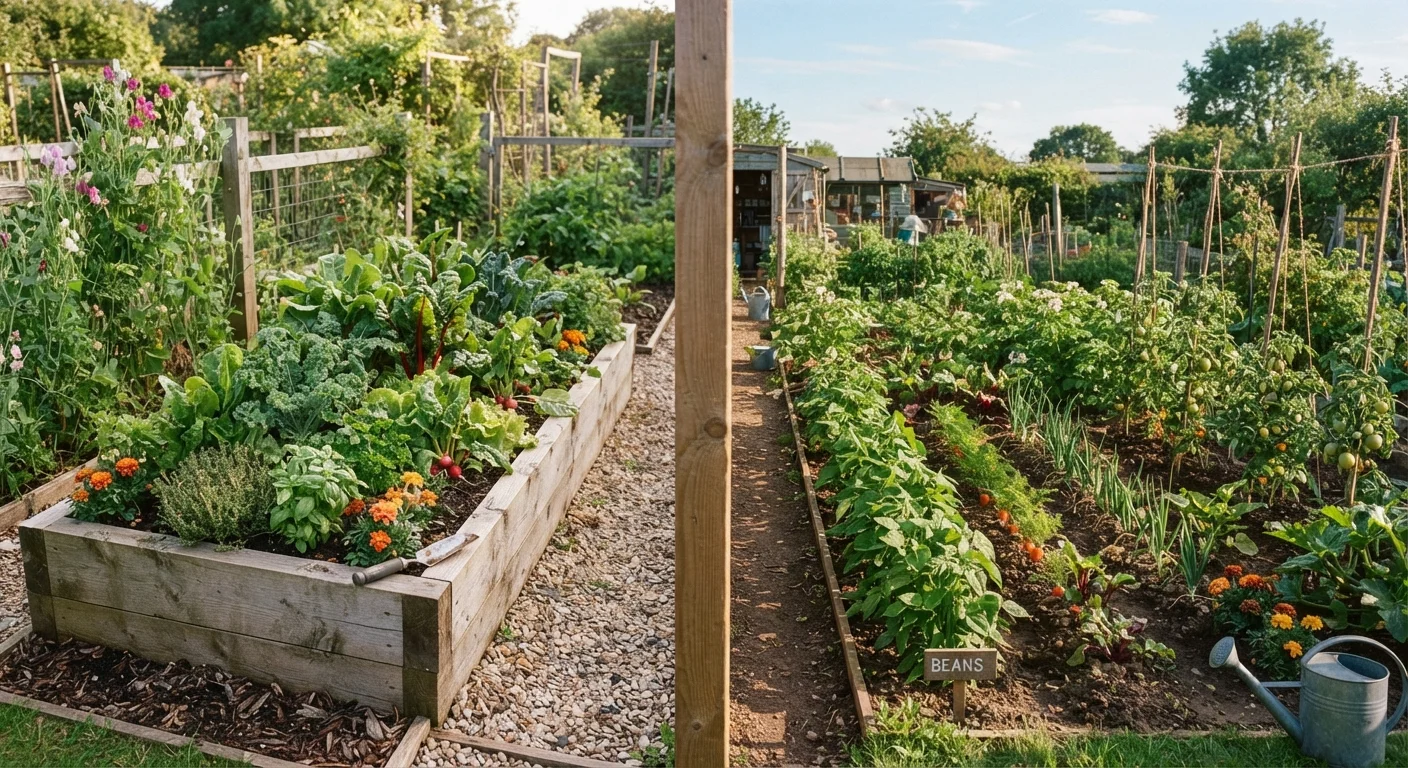
If you're weighing whether to build raised beds or work directly with your existing soil, our guide on raised beds vs. in-ground planting walks through the trade-offs in detail.
Start Smaller Than You Think
New gardeners consistently underestimate how much time even a modest plot requires. A 4×8 foot bed gives you meaningful results without becoming a burden. You can always add more space next season once you know what you're taking on.
Understanding Your Soil
Good soil is the foundation of a productive garden. Vegetables grow best in loamy soil - a balanced mix of sand, silt, and clay - that drains well but retains enough moisture to support roots. Overly sandy soil drains too quickly; dense clay stays waterlogged and suffocates roots.
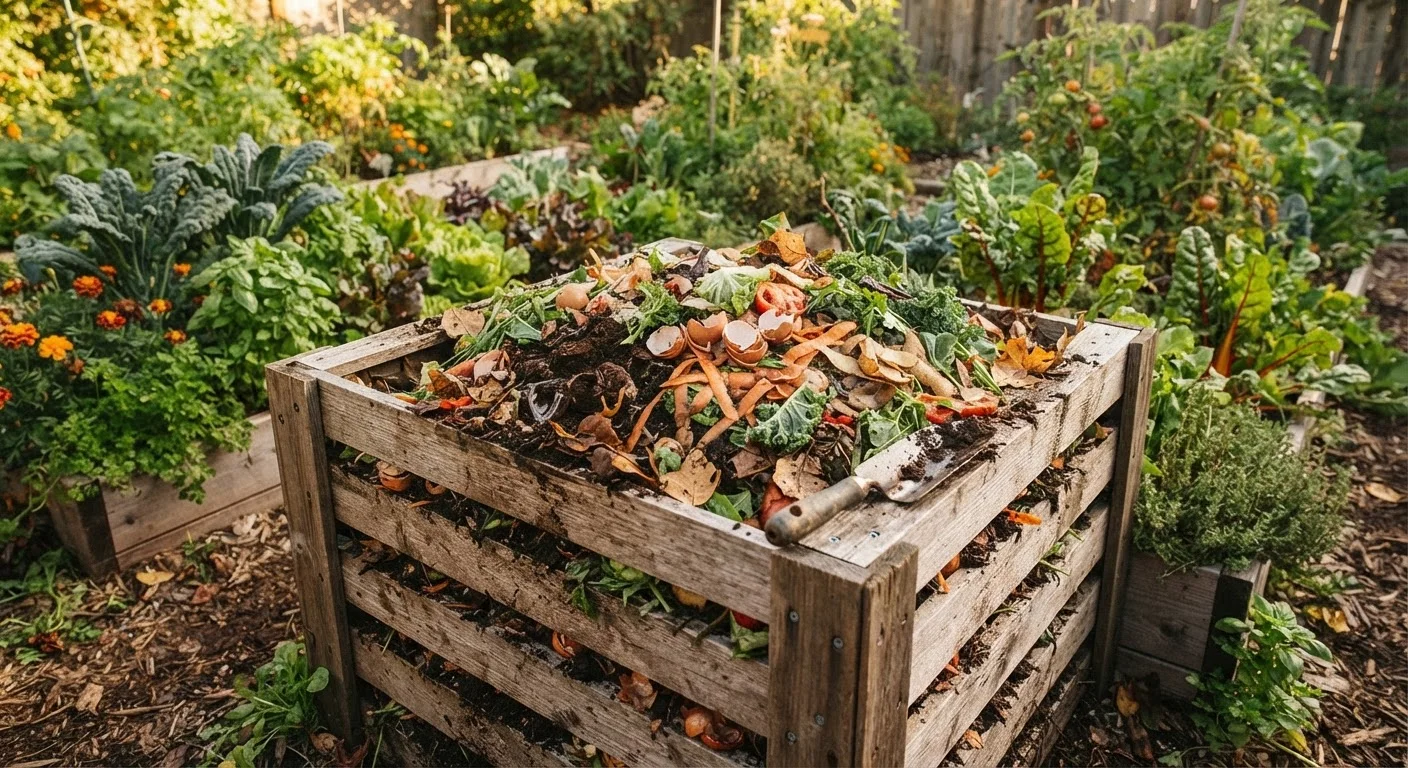
Before planting, improve whatever soil you have by working in two to three inches of compost. Compost adds organic matter, feeds soil microorganisms, and improves both drainage and moisture retention simultaneously. Building your own compost is a cost-effective option; our article on composting at home covers the full process from kitchen scraps to finished amendment.
A simple soil test - pH strips or an inexpensive kit from a garden center - tells you whether your soil is too acidic or too alkaline. Most vegetables thrive in a pH range of 6.0 to 7.0. Your local cooperative extension service often provides free or low-cost testing with detailed recommendations.
Loamy soil
A balanced soil type containing roughly equal parts sand, silt, and clay. It drains well while holding enough moisture and nutrients for healthy root growth.
pH (soil)
A measure of how acidic or alkaline your soil is, on a scale from 0 to 14. Most vegetables prefer a slightly acidic range of 6.0 to 7.0.
Compost
Decomposed organic matter - food scraps, leaves, grass clippings - that improves soil structure and feeds plants naturally when mixed into garden beds.
Last frost date
The average calendar date after which freezing temperatures are unlikely in your area. Warm-season vegetables should not be planted outdoors before this date.
Transplant
A young plant that has been started from seed elsewhere - typically in a greenhouse - and is ready to be moved into your garden bed.
Direct seeding
Planting seeds directly into the ground where they will grow to maturity, rather than starting them indoors or buying transplants.
Picking Vegetables to Grow
Start with crops that match your climate and your patience level. A useful framework is dividing vegetables into cool-season and warm-season types:
- Cool-season crops
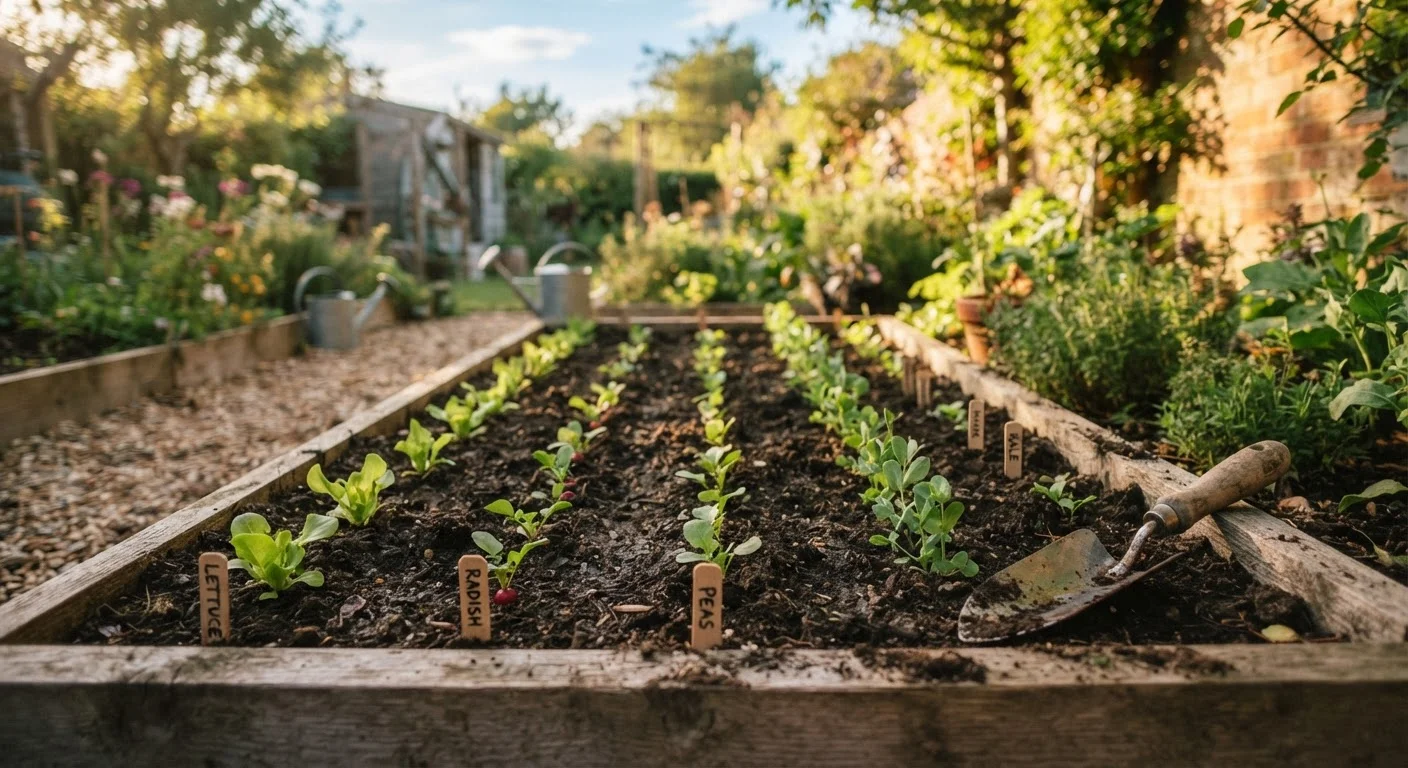
- Lettuce, spinach, peas, radishes, and carrots. These tolerate light frost and are planted in early spring or fall.
- Warm-season crops
- Tomatoes, cucumbers, zucchini, green beans, and peppers. These need frost-free conditions and are planted after your last frost date.
For a first garden, aim for three to five varieties. A practical starter combination might include cherry tomatoes (high yield, forgiving), bush beans (no staking required), and a cut-and-come-again lettuce blend (fast, rewarding). Avoid sprawling crops like pumpkins or corn until you have more space and experience.
Check Your USDA Hardiness Zone
The USDA Plant Hardiness Zone Map divides the US into zones based on average minimum winter temperatures. Your zone helps you identify which crops are suited to your climate and when to plant them. Your local cooperative extension service website is one of the most reliable free resources for zone-specific planting calendars and guidance.
Planting and Early Care
You can start from seed or transplants - young plants sold at garden centers. Seeds are less expensive and offer more variety, but transplants save four to eight weeks of growing time for slow-starting crops like tomatoes and peppers. For fast-germinating crops like beans and radishes, direct seeding into the ground is standard.
Once planted, consistent care makes the difference:
- Water at the root zone: Aim water at the base of plants, not the leaves. Wet foliage promotes fungal diseases.
- Mulch the soil surface: A two-inch layer of straw or shredded leaves conserves moisture, moderates soil temperature, and suppresses weeds.
- Weed early and often: Young weeds pull out easily; mature ones compete fiercely for nutrients. Spend five minutes weeding every few days rather than an hour once a month.
- Watch for pests: Check the undersides of leaves regularly. Many common pests - aphids, caterpillars - can be removed by hand or with a strong spray of water before populations explode.
From Garden to Table
One of the most common beginner mistakes is waiting too long to harvest. Many vegetables - zucchini, green beans, lettuce - are actually best picked young and small, before they become tough or bitter. Regular harvesting also signals the plant to keep producing, extending your yield throughout the season.
Check your crops every two to three days during peak summer growth. Learn what the mature size and color for each vegetable looks like before the season starts; most seed packets and plant tags include this information.
At the end of the season, don't discard spent plant material - add disease-free foliage and stems to your compost pile to cycle nutrients back into the soil for next year. Over time, this closed loop of growing and composting builds progressively richer soil with each passing season.
Starting small, staying consistent, and resisting the urge to over-complicate things are the real secrets to a successful first vegetable garden. Each season teaches you something new, and next year's garden will be better for what you learn this one.