What Voluntourism Actually Means
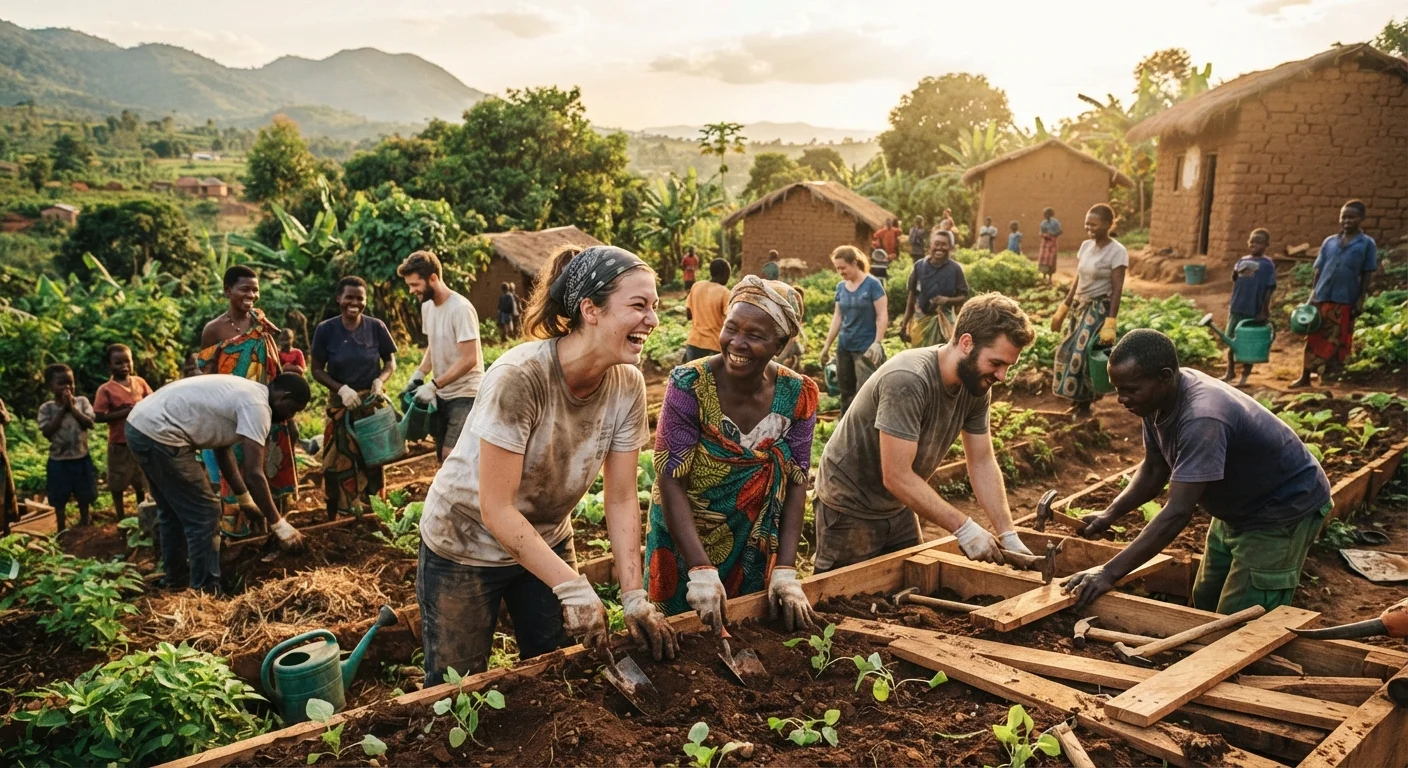
Voluntourism - the blending of volunteer work with international or domestic travel - has grown into a multi-billion-dollar industry. At its core, it promises something compelling: the chance to travel purposefully, contribute meaningfully, and return home changed. For many US travelers seeking something beyond resort pools and guided bus tours, it represents a more immersive, ethically grounded way to see the world.
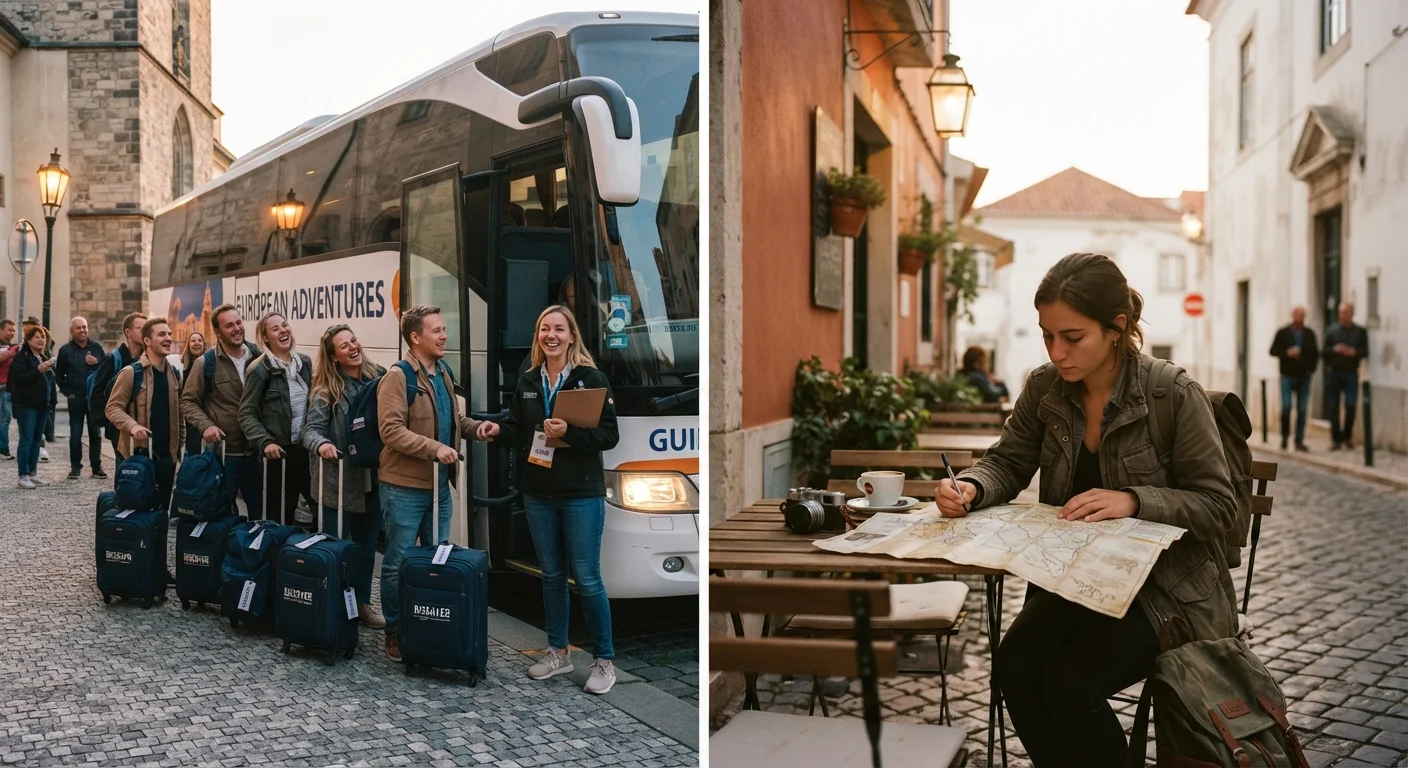
But the term covers an enormous range of experiences. A licensed nurse spending three weeks at an under-resourced clinic in rural Guatemala is doing something fundamentally different from a gap-year student spending a weekend painting a school in Thailand. Understanding that spectrum is the first step toward making a genuinely informed decision. For context on how organized group structures shape travel experiences more broadly, see our guide to group vs. independent travel.
A Note on Terminology
"Voluntourism" is sometimes used interchangeably with terms like "service travel," "volunteer abroad," or "impact travel." The label matters less than the substance: who designed the program, who benefits financially, and whether community consent and leadership are genuinely central to how it operates. Always look past the branding to the structure.
The Real Advantages - When It Works
Done right, voluntourism creates value that flows in multiple directions. Skilled volunteers - engineers, medical professionals, educators, agronomists - can genuinely address gaps that communities themselves identify as priorities. Long-term placements allow relationships to deepen and knowledge to transfer in ways that outlast the volunteer's departure.
Skilled volunteers fill genuine capacity gaps
Medical, engineering, and educational professionals can address needs that underfunded local institutions genuinely lack resources to meet, provided the placement is skill-matched and community-requested.
Deep cultural exchange beyond tourist surfaces
Extended community living exposes volunteers to daily realities, relationships, and perspectives that conventional tourism entirely bypasses, often producing lasting shifts in worldview.
Can strengthen local civil society and organizations
Well-structured programs that build local organizational capacity - rather than doing tasks for communities - can leave behind stronger institutions and trained local leaders.
Generates cross-cultural empathy at scale
Volunteers who return home with firsthand experience of development challenges often become informed advocates, donors, and educators within their own communities.
Provides economic input to host communities
When programs are locally owned and volunteers spend money in host communities rather than with foreign intermediaries, voluntourism can meaningfully support local livelihoods.
For the volunteer, the experience can be transformative in ways that neighborhood immersion travel rarely matches - living inside community rhythms, navigating language and cultural barriers daily, and confronting assumptions about development, poverty, and agency. That lived complexity tends to stick.
Where It Goes Wrong - The Uncomfortable Cons
Critics of voluntourism - and there are many, including within the international development community - point to patterns that repeat regardless of individual volunteer intentions. The structural problems are worth sitting with honestly.
Unskilled labor displaces local workers
When volunteers without relevant skills perform tasks - construction, painting, childcare - that local workers could do, they effectively take jobs and wages out of the community economy.
Short stays rarely produce lasting impact
Development practitioners widely note that meaningful community change requires sustained presence and trust-building; volunteers who leave after days or weeks often complete work that simply doesn't hold.
Orphanage and child-focused tourism raises serious safeguarding concerns
Research, including from UNICEF, has documented cases where demand for child-focused voluntourism creates perverse incentives - including family separation - that harm the very children programs claim to help.
Can reinforce harmful power dynamics and dependency
Programs that position foreign volunteers as rescuers and communities as passive recipients reproduce colonial frameworks, undermining local agency and self-determination.
Organizations may prioritize volunteer satisfaction over community needs
Commercial voluntourism providers face market pressure to give paying volunteers emotionally rewarding experiences, which can lead to project designs optimized for volunteer feelings rather than community outcomes.
Environmental and social costs of travel aren't offset
The carbon footprint of international flights and the resource consumption of foreign volunteers aren't automatically justified by program outcomes, particularly for short, low-skilled placements.
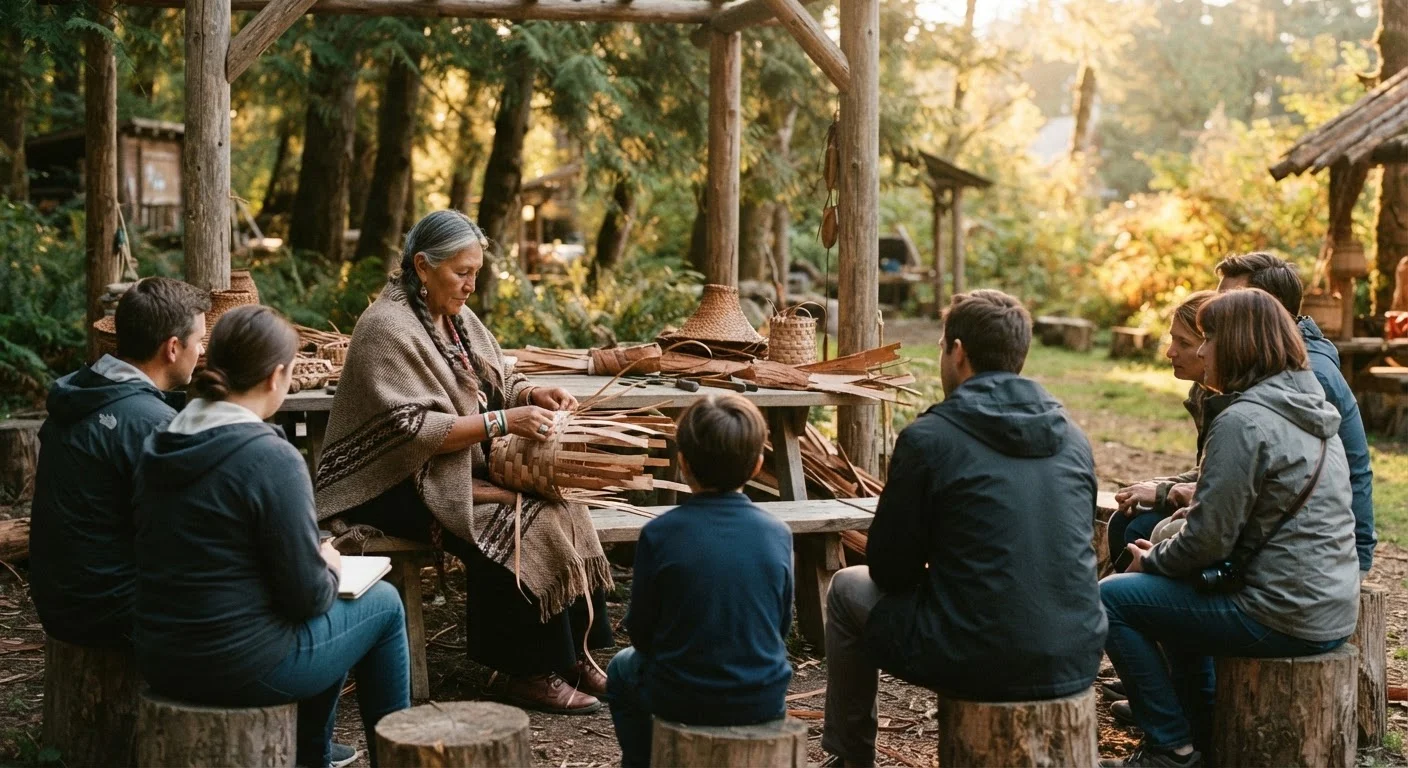
The concept of "voluntourism washing" - organizations that frame poverty tourism as humanitarian work - is real and documented. Before committing time and money, the same scrutiny you'd bring to booking an indigenous cultural experience applies here: who profits, who leads, and who genuinely benefits?
$173B+
Estimated global voluntourism industry value
Industry analysts have estimated the voluntourism market at well over $100 billion annually, raising questions about who the primary economic beneficiary actually is.
1.6M
Volunteers traveling internationally per year
Researchers estimate roughly 1.6 million people travel internationally to volunteer each year, with the majority coming from wealthy nations in the Global North.
~2 weeks
Average voluntourism program duration
Most commercial voluntourism placements last two weeks or less - a duration that development researchers generally consider too short for meaningful community impact.
What Separates Ethical Programs From Harmful Ones
Researchers and practitioners in international development have identified several markers that distinguish high-integrity voluntourism from its problematic counterpart. The most consistent finding: community ownership of the project is the single strongest predictor of positive outcomes. When local organizations define the need, design the project, and supervise execution, volunteers become useful contributors rather than well-meaning outsiders imposing a vision.
Other indicators worth investigating before signing up include whether the organization publishes transparent financial reporting, whether local staff are paid fairly and hold leadership roles, whether the program would function just as well - or better - without foreign volunteers, and whether volunteers are matched to roles that actually require their specific skills. This kind of ethical due diligence mirrors the mindset explored in our piece on homestay travel trade-offs - honest expectations protect both traveler and host.
Making a More Honest Decision
Before booking a voluntourism program, a few questions are worth sitting with seriously. What skills are you bringing, and do they match what the community has said it needs? Are you prepared for a commitment long enough to actually be useful - typically months, not days? Are you comfortable deferring entirely to local leadership even when it conflicts with your assumptions about what "helping" looks like?
If the honest answers reveal gaps, there are other ways to act on the impulse toward meaningful contribution. Supporting locally run organizations financially, engaging with communities mobilizing around real-world causes, or investing in community-led travel experiences that circulate money directly in local economies can all create genuine value without the risks that poorly designed voluntourism carries.
The desire to travel with purpose is admirable. The key is ensuring that purpose is defined by the people you're hoping to serve - not the other way around.