What Defensive Driving Actually Means
Most drivers think of defensive driving as something you learn once in a safety course and then forget. In practice, it's a set of habits you apply on every single trip - habits that keep you out of situations where you'd need to react in a split second to avoid a crash.
The core idea is simple: anticipate what might go wrong before it does. That means watching other drivers, reading road conditions, managing your speed and space, and staying mentally present. It's less about extraordinary skill and more about consistent attention.
According to the National Highway Traffic Safety Administration (NHTSA), human error - including distraction, poor judgment, and inattention - is a contributing factor in the vast majority of traffic crashes in the United States. Defensive driving directly addresses those factors.
Scan well ahead - not just the car in front of you
Most drivers focus on the vehicle immediately ahead, which gives them almost no warning time. Scanning 10-15 seconds down the road lets you spot brake lights, merging vehicles, or road debris early enough to respond calmly rather than jerk the wheel.
Maintain a consistent following distance - at least three seconds in normal conditions
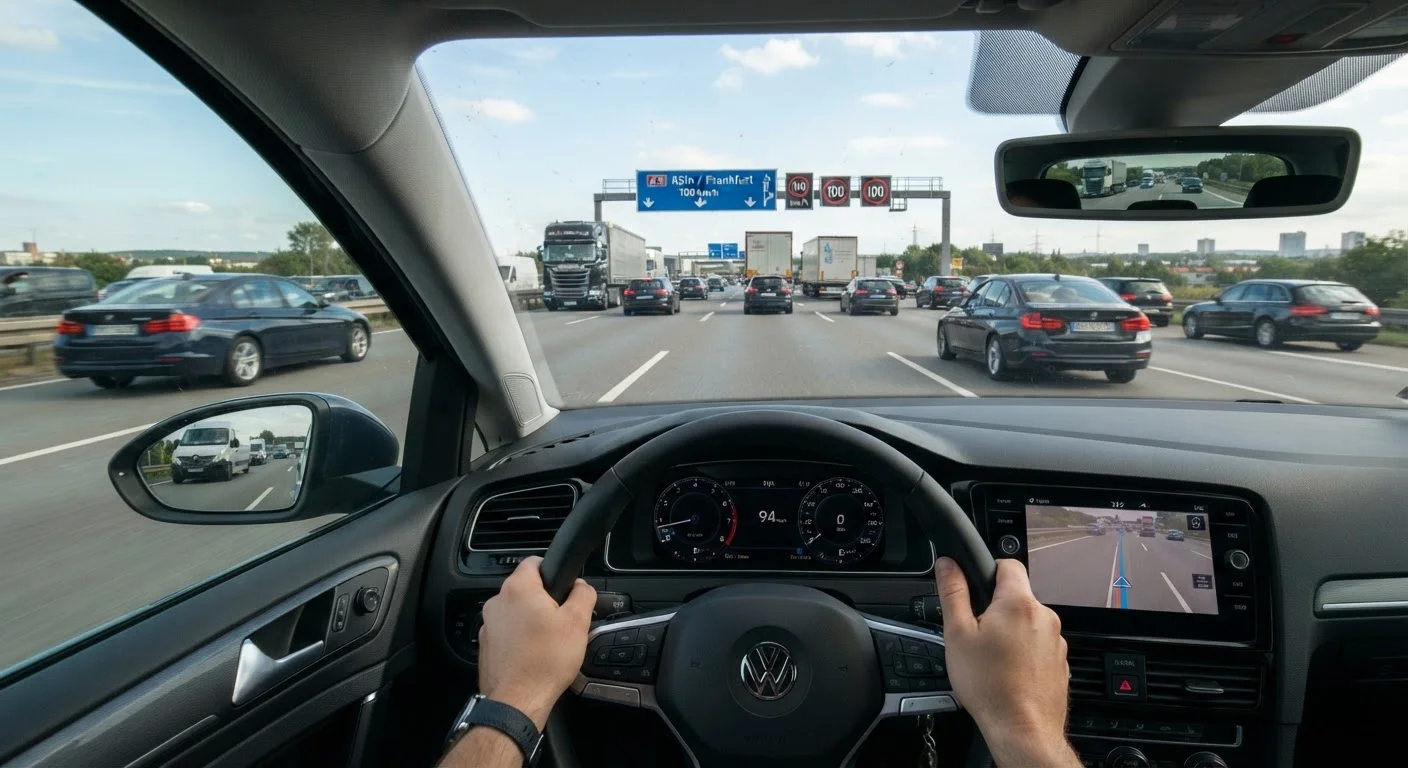
Stopping distance is longer than most drivers intuitively feel. A three-second gap at highway speeds gives you room to react if the car ahead stops suddenly. In rain, at night, or when fatigued, that gap should grow. Closing it creates the conditions for rear-end collisions.
Check your mirrors every five to eight seconds
Traffic behind you changes constantly. Drivers who don't monitor their mirrors are often surprised by fast-approaching vehicles or motorcycles in adjacent lanes. Regular mirror checks help you understand the full traffic picture, not just what's in front.
Avoid blind spots - yours and other drivers'
Every vehicle has areas the driver simply cannot see in mirrors. Lingering in another driver's blind spot means they may not know you're there when they change lanes. Moving through blind spots quickly - rather than cruising in them - reduces the chance of a sideswipe.
Reduce speed in conditions that reduce visibility or traction
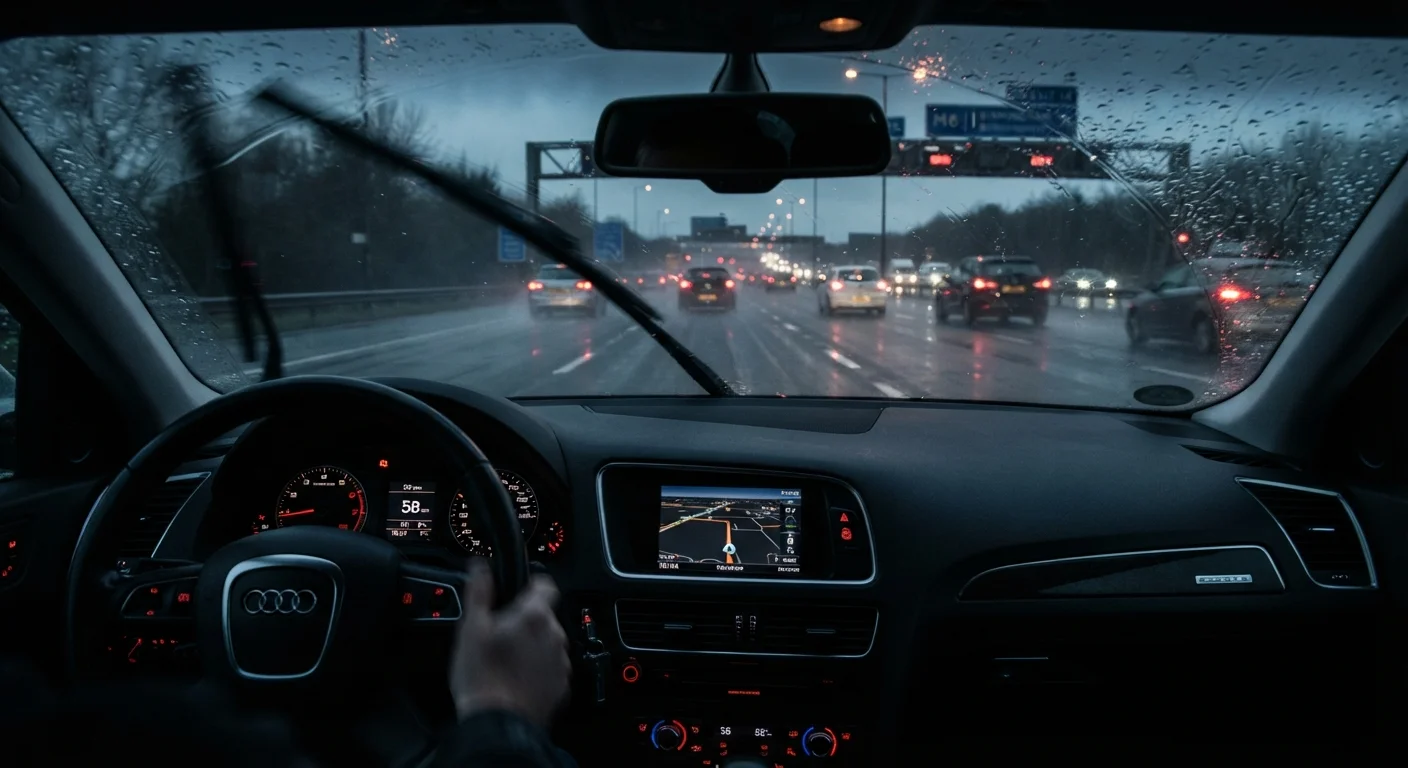
Posted speed limits reflect ideal conditions. When it's raining, foggy, or dark, stopping distances increase and hazards are harder to see. Adjusting speed to match actual conditions - not just the sign - is one of the most basic defensive habits.
Expect the unexpected - assume other drivers may make mistakes
Defensive driving means not assuming that other drivers will signal, yield, or stop when they're supposed to. Building in mental and physical space for others' errors means you have options when someone does something unpredictable.
The Core Habits That Make the Difference
Defensive driving isn't one technique - it's a cluster of habits that work together. When any one of them slips, your margin for error shrinks. The practices below cover the most impactful behaviors, grounded in what driving safety research and professional instruction consistently emphasize.
“The goal of defensive driving is not to make you a timid driver - it's to make you a thinking driver. Anticipation is a skill, and like any skill, it improves with deliberate practice.”
— Smith System Driver Improvement Institute, Professional driver training organization with decades of commercial driver instruction
If you find that aggressive or erratic drivers trigger frustration behind the wheel, see our guide to responding to road rage - staying calm is itself a defensive skill.
Quick Actions You Can Take Starting Today
You don't need a course or special equipment to start driving more defensively. Most improvements come from deliberate attention and a willingness to slow things down mentally. The quick wins below are things any driver can put into practice immediately.
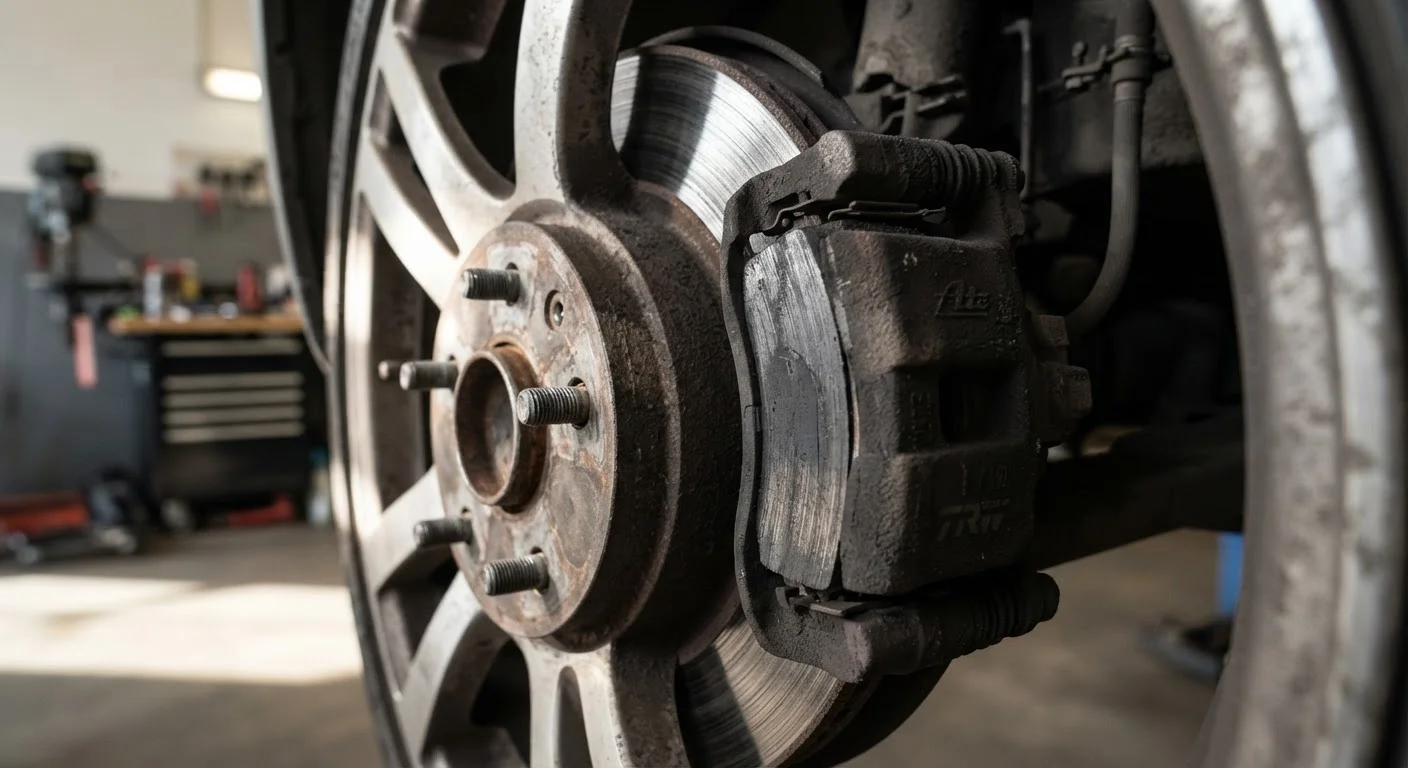
Weather adds another layer of complexity to defensive driving. Our article on driving in rain, snow, and fog covers how to adjust your technique when conditions change. And because your vehicle's safety depends partly on its mechanical condition, it's worth reviewing common signs of brake wear before they become urgent.
New Drivers Benefit from Early Habits
The habits formed in the first few years of driving tend to stick. If you have a teen learning to drive, building defensive techniques into their early practice - not just their test preparation - pays dividends for years. See our overview of graduated licensing and safe driving for new drivers for more guidance.
For a deeper look at one of the most overlooked risks on the road, see why tailgating is more dangerous than most drivers realize.