
The Legal Basics: Insurance and Registration
Before you turn the key for the first time, two legal requirements need to be in place: auto insurance and vehicle registration.
Every US state requires drivers to carry at minimum a basic level of liability insurance. This covers damage or injury you cause to others in an accident - it does not cover your own vehicle. Many lenders also require more comprehensive coverage if you're financing the car. Policies vary significantly in what they cover and what they cost, so it's worth understanding your options before you're on the road. Whether you're leasing or buying also affects your insurance obligations.
Registration is the legal process of titling the vehicle in your name and getting license plates issued by your state. Requirements, fees, and renewal schedules differ by state. For a full walkthrough of what documents you'll need and what to expect, our registration guide covers the process step by step.
Insurance Requirements Vary by State
Minimum coverage requirements are set at the state level, so what's legally required in one state may differ significantly from another. If you move to a new state, check that your existing policy meets the new state's minimums. Your insurance provider can walk you through any adjustments needed.
Understanding Routine Maintenance
A car is a machine with dozens of systems that wear down over time. Routine maintenance is how you slow that wear and catch small problems before they become big ones.
The most common tasks include:
- Oil and filter changes - keeps the engine lubricated and running cleanly
- Tire rotations - evens out tread wear so tires last longer
- Brake inspections - brake pads wear gradually and need periodic checking
- Fluid level checks - coolant, brake fluid, transmission fluid, and windshield washer fluid all need monitoring
- Air filter replacement - affects engine efficiency and cabin air quality
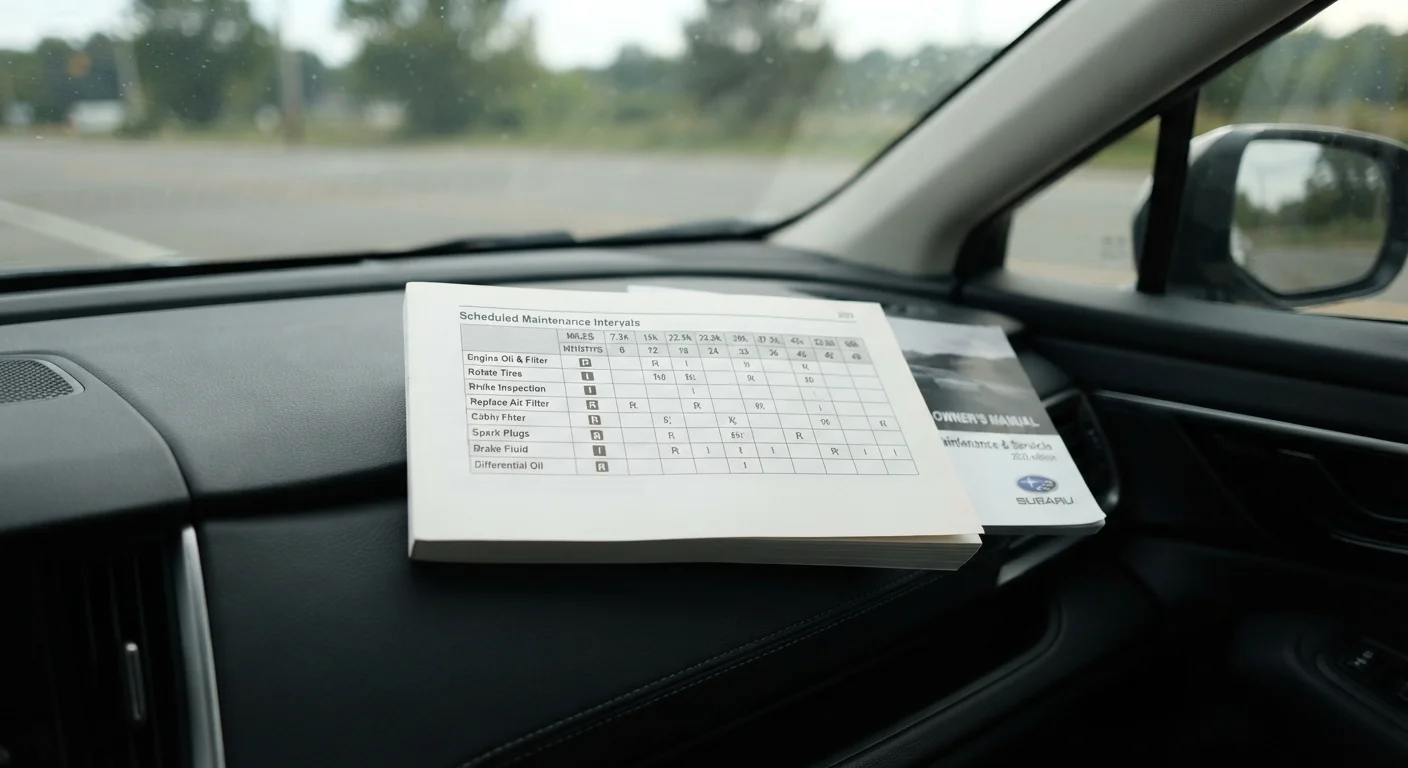
The best guide to your specific vehicle is your owner's manual, which contains a maintenance schedule tailored to how your car was built. Here's how to read your owner's manual maintenance schedule and put it to practical use.
For a broader look at every system in your car and what caring for it involves, our beginner's overview of car maintenance is a solid starting point.
Your Owner's Manual Is Your Best Tool
Many new owners never open the owner's manual, but it contains the maintenance schedule built specifically for their vehicle - not a generic one from a quick-lube shop. The manufacturer's recommended intervals are the most reliable guide you have. It's usually in the glove compartment or available as a PDF on the automaker's website.
The Costs That Catch New Owners Off Guard
The purchase price - or the monthly loan payment - is only part of what a car costs. First-time owners are often surprised by how much adds up beyond the sticker price.
Ongoing expenses typically include:
- Fuel - varies with driving habits, fuel type, and local prices
- Insurance premiums - paid monthly or semi-annually
- Registration renewal fees - annual in most states
- Maintenance - routine service adds up over the year
- Unexpected repairs - even well-maintained vehicles can need unplanned work
- Depreciation - your car loses value over time, which matters when you eventually sell or trade it in
A realistic breakdown of the true cost of car ownership can help you plan your budget with eyes open. And if you want to understand how your vehicle's value erodes over time, this guide to depreciation explains why it matters more than most owners expect.
Don't Underestimate Ongoing Costs
New car owners sometimes calculate affordability based only on the loan payment, then feel financial strain when insurance premiums, registration fees, fuel, and maintenance pile on. Before committing to a vehicle, estimate all recurring costs together - not just the monthly payment - to get an honest picture of what you're taking on.
Building Good Habits Early
The owners who experience the fewest headaches tend to be the ones who build consistent habits early. None of it requires mechanical knowledge - it mostly takes attention and follow-through.
A few practical starting points:
- Read at least the maintenance section of your owner's manual
- Set calendar reminders for registration renewal and scheduled service
- Keep an emergency kit in the trunk (jumper cables, a flashlight, a basic first-aid kit, and a reflective triangle or flares)
- Check tire pressure monthly - underinflated tires affect fuel economy and handling
- Know how to check your oil level and recognize what low or dirty oil looks like
If you've just picked up a vehicle and want a structured checklist for your first month, the first 30 days of new car ownership checklist walks through everything worth doing early. For a comprehensive view of ownership responsibilities from purchase through eventual sale, our end-to-end car ownership guide is the most thorough resource on the site.
Car ownership rewards people who pay attention. The learning curve is shorter than most new owners expect, and the payoff - in reliability, lower repair costs, and confidence behind the wheel - is real.