Why Following Distance Matters More Than You Think
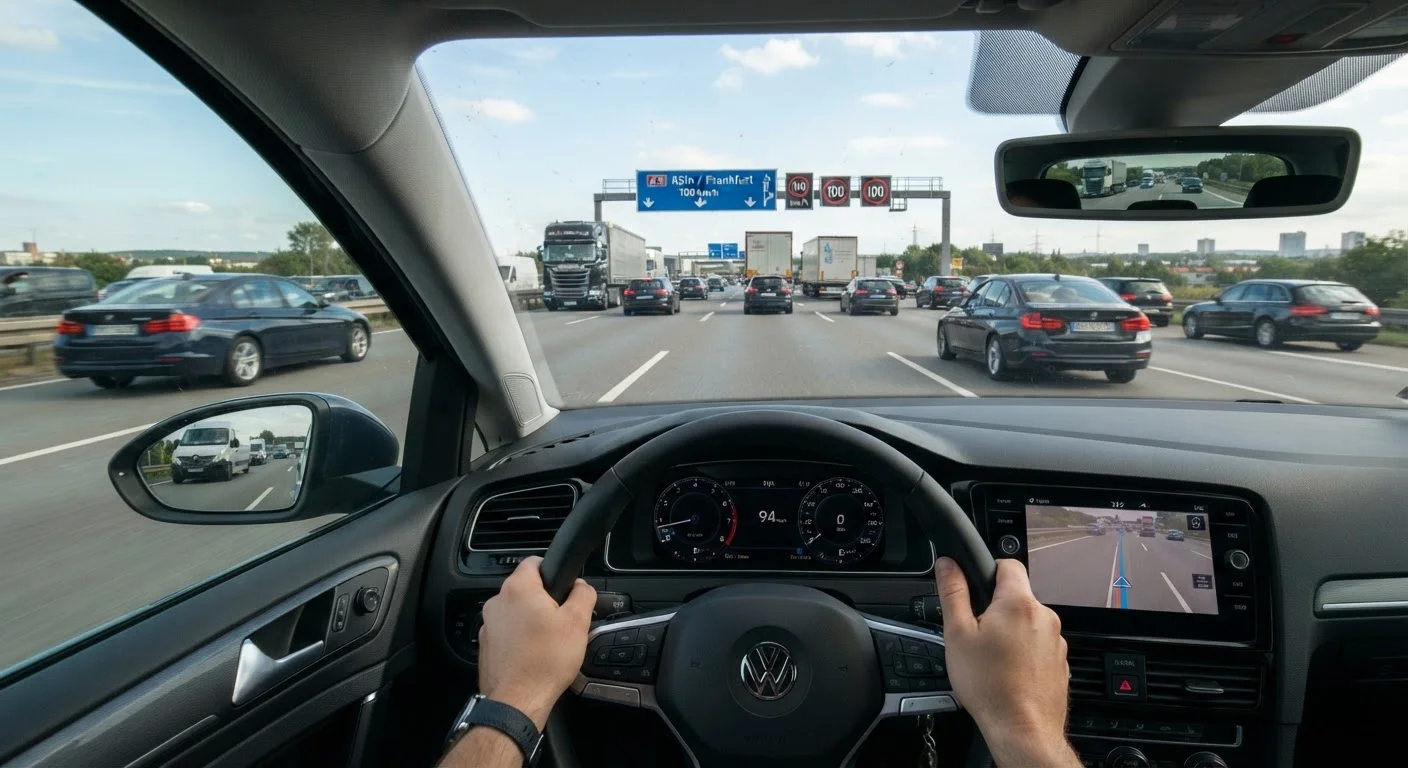
Tailgating - driving too close to the vehicle in front of you - is one of the most normalized dangerous habits on American roads. Because it's so common, many drivers don't register it as a real risk. But rear-end collisions are consistently among the most frequent crash types in the US, and following too closely is a leading contributing factor.
The core problem is physics. Stopping a vehicle isn't instant. When you see a brake light, your brain has to process it, your foot has to move, and then your vehicle needs physical distance to come to a complete stop. At 60 mph, a car covers about 88 feet per second. A typical human reaction time of 1.5 seconds alone means you've already traveled over 130 feet before your brakes even engage - and that's before accounting for actual braking distance.
For drivers who want a broader picture of road risk, defensive driving habits address exactly this kind of anticipation gap.
~29%
Share of all crashes that are rear-end collisions
According to the National Highway Traffic Safety Administration (NHTSA), rear-end crashes represent a substantial portion of all reported US traffic crashes annually.
1.5 sec
Average driver reaction time before braking begins
Research on driver response times consistently places average perception-reaction time between 1.5 and 2.5 seconds, meaning significant ground is covered before brakes engage.
Common Mistakes Drivers Make With Following Distance
Tailgating isn't always intentional aggression. Many of the most dangerous following-distance habits come from misunderstanding, habit, or distraction. Below are the most frequent errors and what actually drives them.
Using visual proximity instead of time-based spacing to judge following distance.
Why it happens: Drivers estimate gap by how many car lengths they can see, which varies wildly with vehicle size, speed, and perception. A gap that looks large at 30 mph is dangerously small at 65 mph.
Treating the three-second rule as adequate in all conditions.
Why it happens: Drivers learn the three-second rule as a general standard and apply it universally, not realizing it assumes dry pavement, alert reactions, and moderate speed.
Closing the gap after being cut off rather than simply accepting the new spacing.
Why it happens: When another driver merges into your buffer zone, it can feel like your space was taken. An instinctive response is to re-close that gap, which recreates the same risk.
Following large vehicles - trucks, SUVs, buses - at the same distance as smaller cars.
Why it happens: Drivers don't account for the fact that large vehicles block more of the road ahead, reducing visibility and effectively compressing reaction time even further.
Assuming modern braking technology makes tailgating safer.
Why it happens: Vehicles with automatic emergency braking (AEB) and forward collision warning give some drivers a false sense of security, leading them to follow more closely than they should.
How Conditions Multiply the Risk
Even drivers who maintain an adequate gap in dry conditions often don't adjust when circumstances change. Wet or icy pavement can dramatically extend stopping distance - in some cases doubling or tripling it. Braking on snow or ice depends heavily on tire condition and road surface, neither of which drivers can fully control in the moment.
Wet Roads Can Double Your Stopping Distance
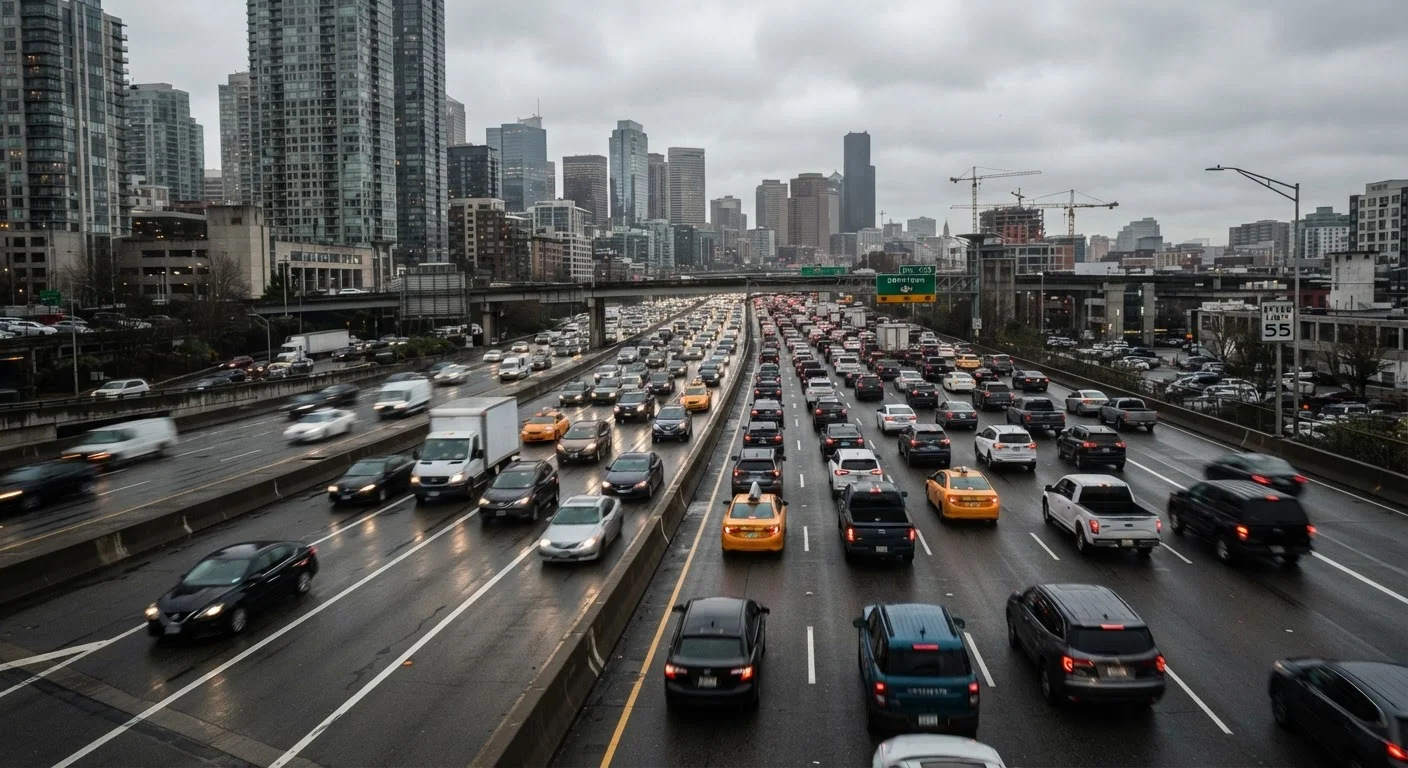
On wet pavement, tires lose grip and braking distances increase substantially - sometimes by 50% or more compared to dry conditions. If you're using the three-second rule in rain, it may not be enough. Slow down and widen your gap before you need to stop, not after.
Speed also compounds the math. The relationship between speed and stopping distance isn't linear - it's exponential. Doubling your speed roughly quadruples the distance needed to stop. A gap that's barely adequate at 40 mph becomes dangerously inadequate at 65 mph.
Fatigue is another underappreciated factor. A tired driver's reaction time is slower, which means the math gets worse at both ends - more time lost before braking begins, and potentially less controlled braking pressure applied. Highway hypnosis and drowsy driving can compound tailgating risk significantly, especially on long highway stretches where maintaining awareness feels easier than it actually is.
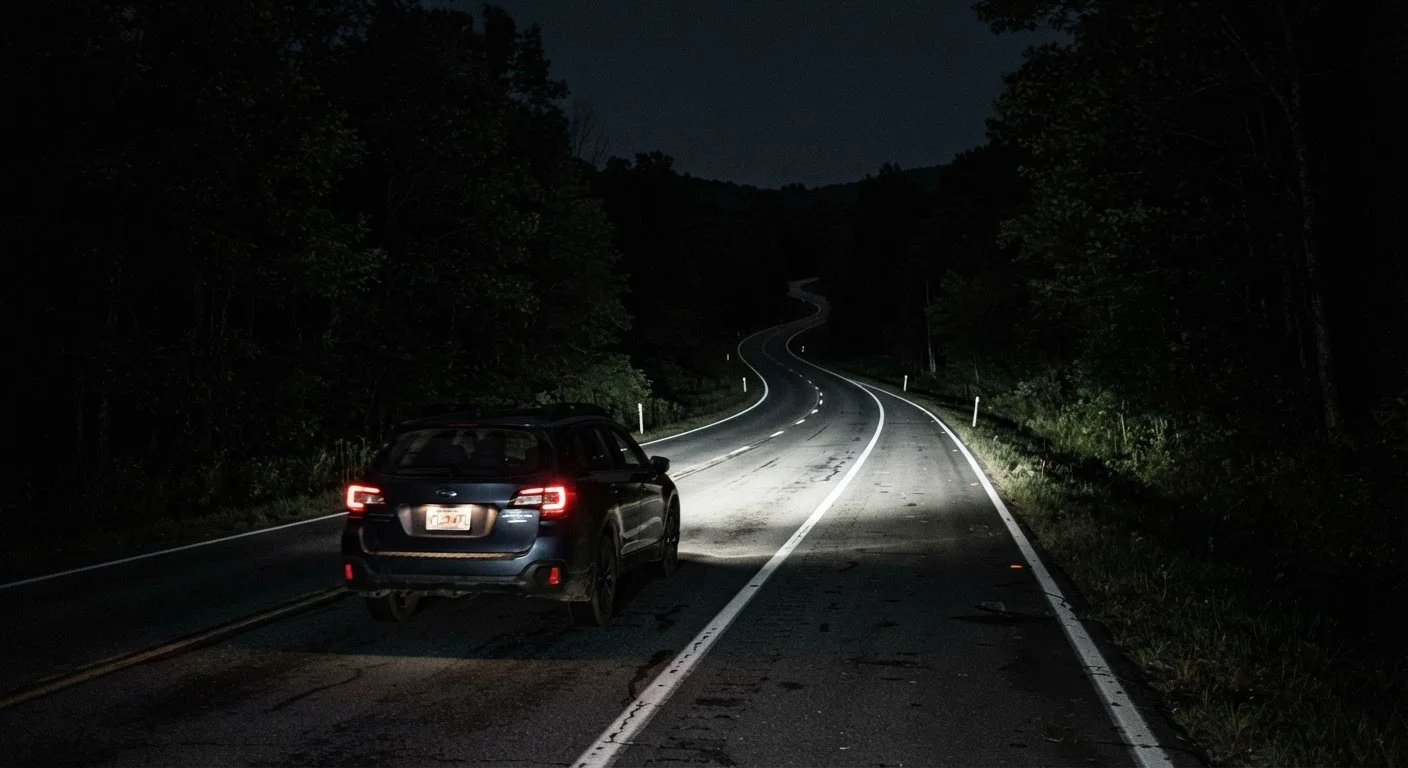
Nighttime adds yet another layer. Reduced visibility means hazards appear later, giving drivers even less time to react. Night driving amplifies every stopping-distance problem that already exists during daylight hours.
Tailgating Is a Legal Issue, Not Just a Safety One
Every US state has laws against following too closely, though the specific language varies. In most jurisdictions, the trailing driver is presumed at fault in a rear-end collision. Beyond the safety risk, tailgating can result in traffic citations, increased insurance costs, and legal liability if a crash occurs. Maintaining proper following distance is both a legal requirement and a basic road responsibility.