Why Road Rage Happens: The Psychology Behind the Wheel
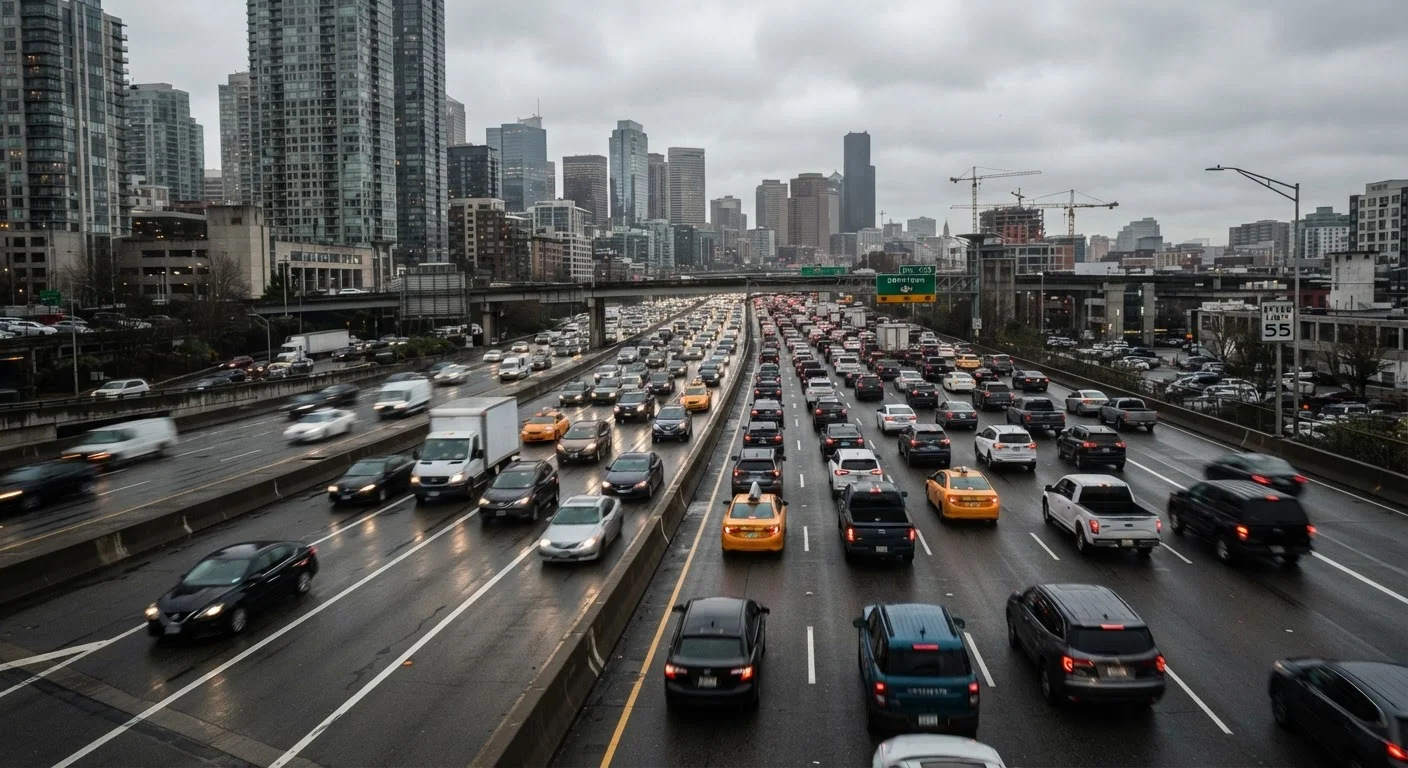
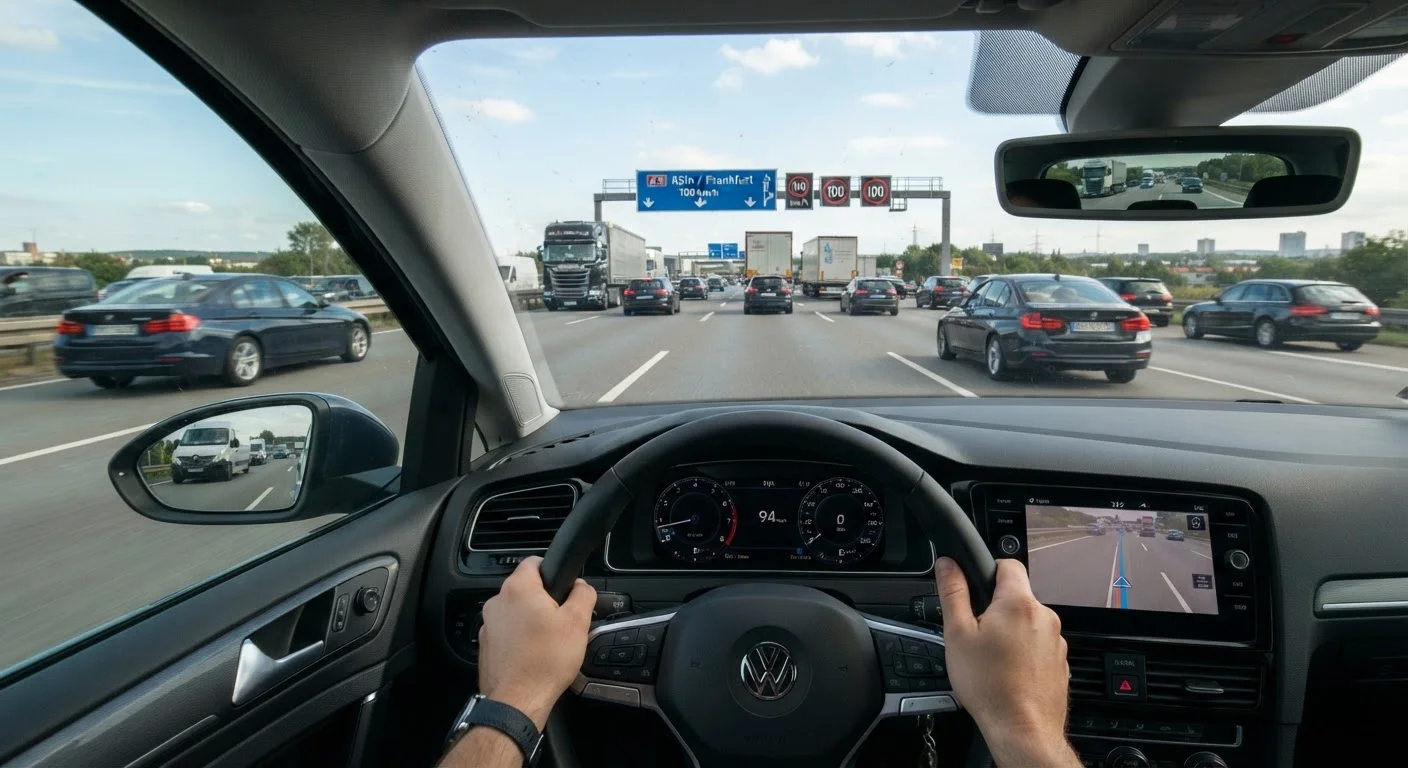
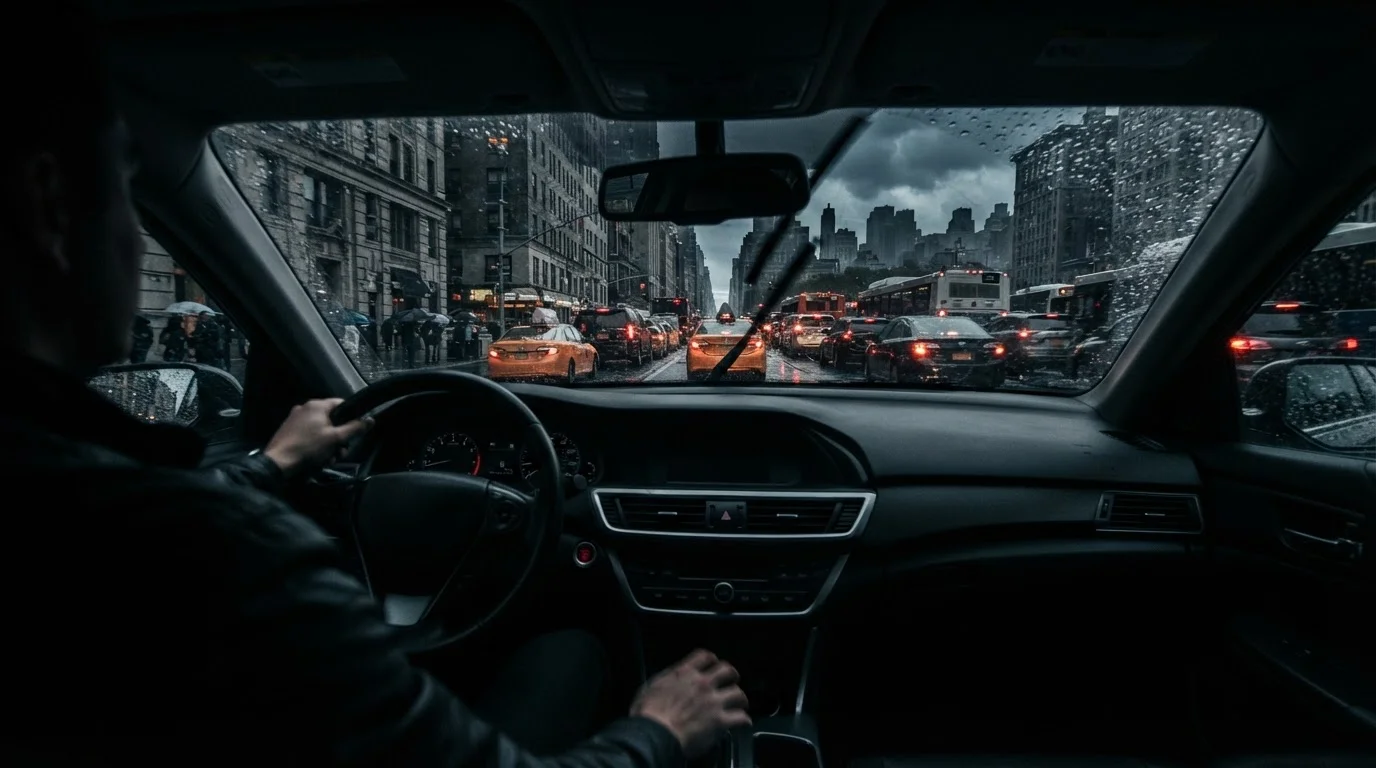
The car is a uniquely frustrating environment. Drivers are physically enclosed, often running late, and surrounded by strangers making decisions that directly affect them - all with no real way to communicate beyond a horn or hand signal. That combination creates a pressure cooker effect that researchers in traffic psychology have studied for decades.
One key factor is anonymity. Inside a vehicle, people feel insulated from normal social consequences. The same person who would never shout at a stranger in a grocery store may honk aggressively, tailgate, or make obscene gestures on the highway. The perceived barrier of the car reduces the usual social feedback that keeps behavior in check.
Another driver is cognitive load and stress. When people are already overwhelmed - by work pressure, a difficult morning, or simply not enough sleep - their capacity for patience shrinks. Traffic delays and minor driving errors by others can feel disproportionately threatening or disrespectful in that mental state.
“Aggressive driving is a major factor in U.S. traffic crashes. Drivers need to understand that their behavior behind the wheel can have deadly consequences - not just for themselves, but for everyone sharing the road.”
— AAA Foundation for Traffic Safety, Nonprofit traffic safety research organization
There's also a phenomenon sometimes called the attribution error: when we make a driving mistake, we tend to blame circumstances. When someone else makes the same mistake, we blame their character. That mental shortcut feeds resentment and makes road rage feel justified in the moment, even when the other driver simply didn't see us or misjudged a gap.
What Road Rage Actually Looks Like - and When It Turns Dangerous
Road rage exists on a spectrum. At the milder end, it looks like excessive honking, aggressive tailgating, or flashing headlights at another driver. These behaviors are disruptive and can be intimidating, but they don't always escalate further. The more serious end involves deliberately cutting off another driver, blocking them from changing lanes, following them after the initial incident, or - in the most extreme cases - physical confrontation.
According to data from the AAA Foundation for Traffic Safety, a significant share of US drivers report being the target of aggressive driving behaviors in a given year, and a smaller but meaningful percentage report incidents that involved a weapon or physical contact. Road rage doesn't stay inside the car as often as people assume.
80%
Drivers who experienced road rage
AAA Foundation for Traffic Safety research found approximately 80% of drivers reported significant anger, aggression, or road rage behind the wheel at least once over a recent one-year period.
~30
Annual US deaths linked to road rage
The National Highway Traffic Safety Administration has noted that dozens of fatalities each year are connected to road rage or aggressive driving incidents, though tracking is complicated by reporting variation.
Behaviors that tend to escalate incidents include prolonged eye contact, returning gestures, honking repeatedly in response, or brake-checking an aggressive driver. Each of those signals continued engagement, which is what most road rage incidents require to continue building.
For context on how dangerous following behavior specifically can become, see our article on why tailgating is more hazardous than most drivers realize - the stopping distances involved make this one of the most underestimated risks on the road.
How to Respond Without Making Things Worse
The most effective response to road rage - whether you're the target of it or feeling it yourself - is disengagement. That runs counter to instinct, which often pushes toward defending yourself or signaling that the other driver was wrong. But engagement is what allows incidents to escalate.
Give Yourself Extra Time Before You Drive
One of the most effective ways to reduce road rage - in yourself - is building buffer time into your commute. When you're not running late, small delays and minor driver errors feel far less threatening. Leaving even 10 extra minutes can meaningfully lower your frustration baseline before you've merged onto the first road.
If another driver is behaving aggressively toward you, the practical steps are straightforward:
- Don't make eye contact. Eye contact signals ongoing engagement.
- Avoid gesturing. Even a shrug or open-palmed gesture can read as provocative.
- Create distance. Slow down, change lanes, or take an alternate route if needed.
- Don't pull over in an isolated spot if someone is following you. Drive to a gas station, police station, or another busy public location.
- Call 911 if the situation feels genuinely threatening. Give your location and a vehicle description.
For your own frustration, recognizing early warning signs - clenching the wheel, breathing faster, feeling the urge to speed up - gives you a moment to reset. The goal isn't suppressing emotions, it's not letting them make decisions for you behind the wheel.
Building defensive driving habits into your everyday routine helps too. Anticipating where conflict is likely - merging zones, congested interchanges, poorly timed lights - lets you approach those moments with patience already primed rather than frustration already building.
Habits That Unintentionally Provoke Other Drivers
It's worth being honest about the other side of this: some driver behaviors routinely provoke aggression, even when completely unintentional. Slow driving in the left lane, sudden lane changes without signaling, merging late and aggressively, and yes, tailgating - these are among the most commonly cited triggers.
None of these errors justify the response they sometimes receive. But awareness matters. Driving with more spatial awareness and signaling your intentions clearly reduces the number of moments where another driver feels cut off, blocked, or disrespected - even if no slight was intended.
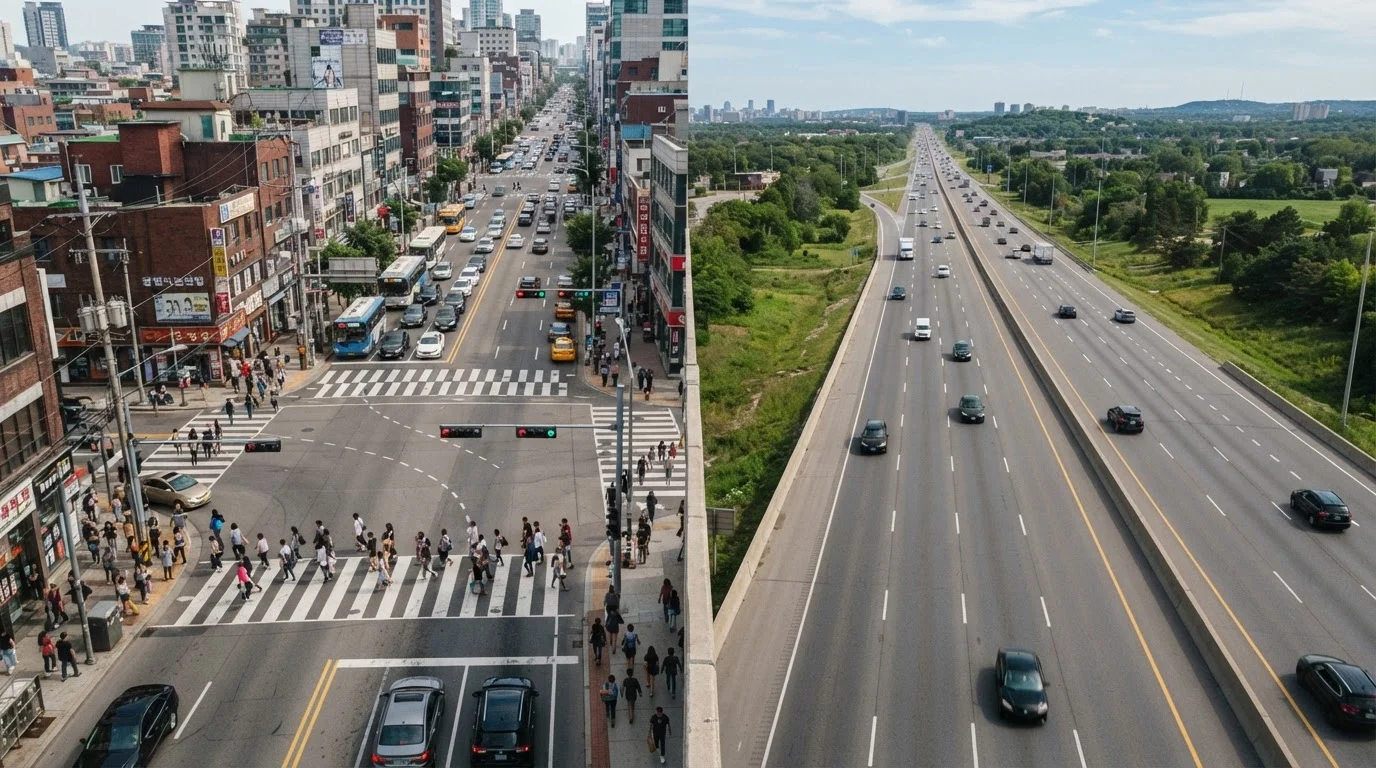
The same adjustments that make you a safer driver in heavy traffic also tend to generate fewer friction points with other drivers. Skills that help in high-stress conditions - like adapting your technique between city and highway driving - reduce the kind of unpredictability that frustrates other road users most.
Road rage is ultimately a shared road problem. The more drivers understand where it comes from - and commit to not feeding it - the safer the environment gets for everyone.