Why Weather Demands Different Driving
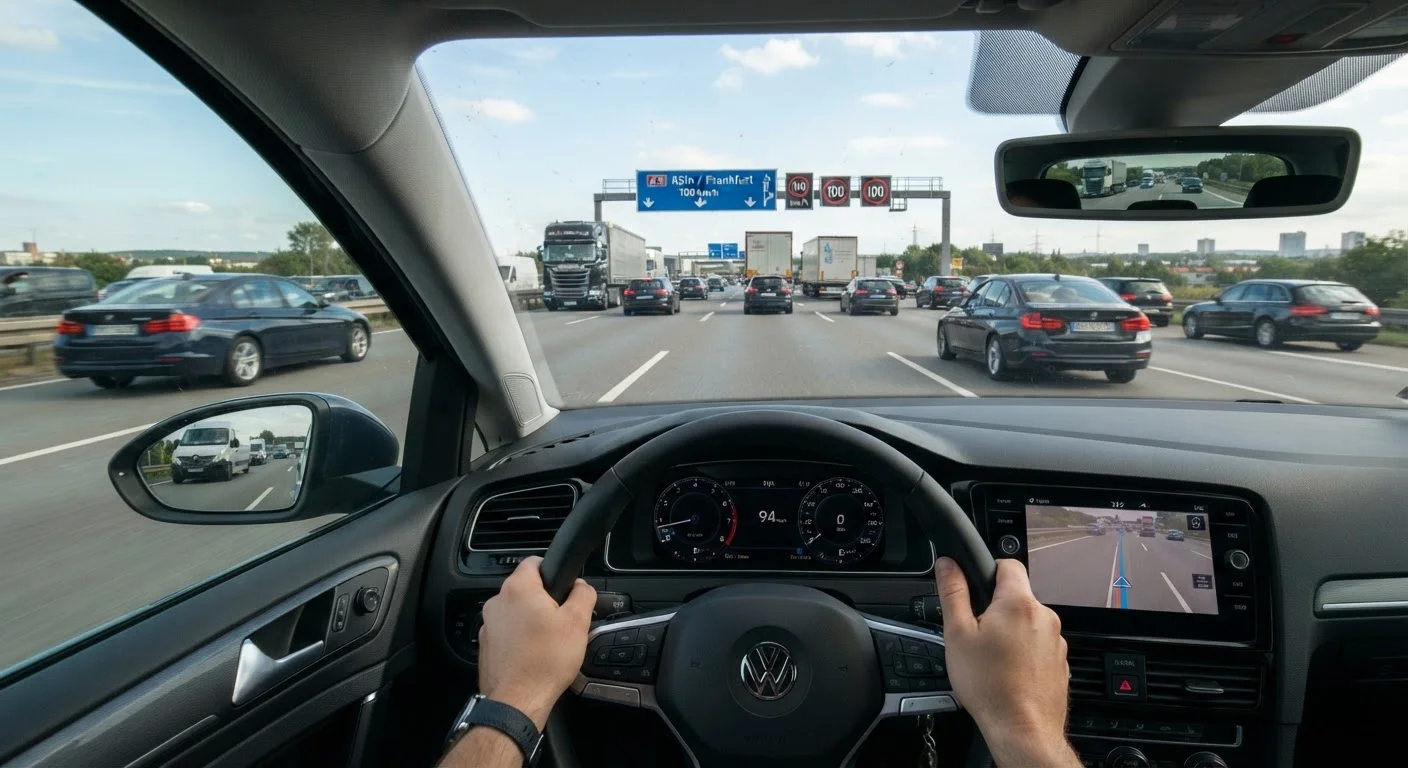
Rain, snow, and fog are among the most common causes of weather-related crashes in the US. According to the Federal Highway Administration, weather contributes to roughly 21% of all vehicle crashes annually. But what makes these conditions tricky isn't just reduced visibility - it's that each one changes the physics of your vehicle differently. Treating them the same way is a mistake that costs drivers their safety.
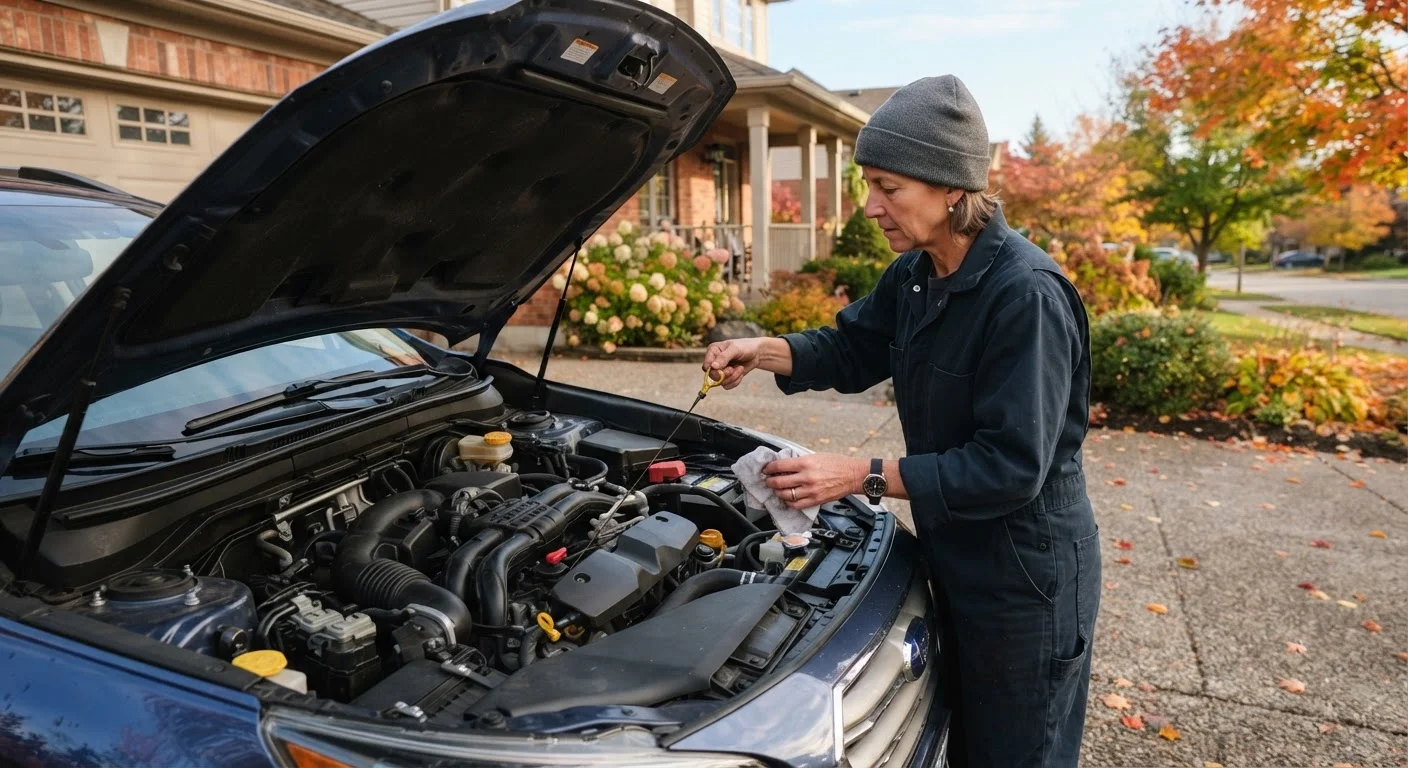
Before heading into any of these conditions, your vehicle needs to be in shape to handle them. A seasonal maintenance routine covering tires, lights, and wipers goes a long way before bad weather ever arrives. Good technique in the seat still depends on good equipment under the hood.
~21%
Of all US crashes linked to weather
According to the Federal Highway Administration's data on weather-related road safety.
10x
Longer stopping distance on ice vs. dry road
Ice can increase stopping distances by up to ten times compared to dry pavement, depending on speed and tire condition.
Driving in Rain: Managing Reduced Grip
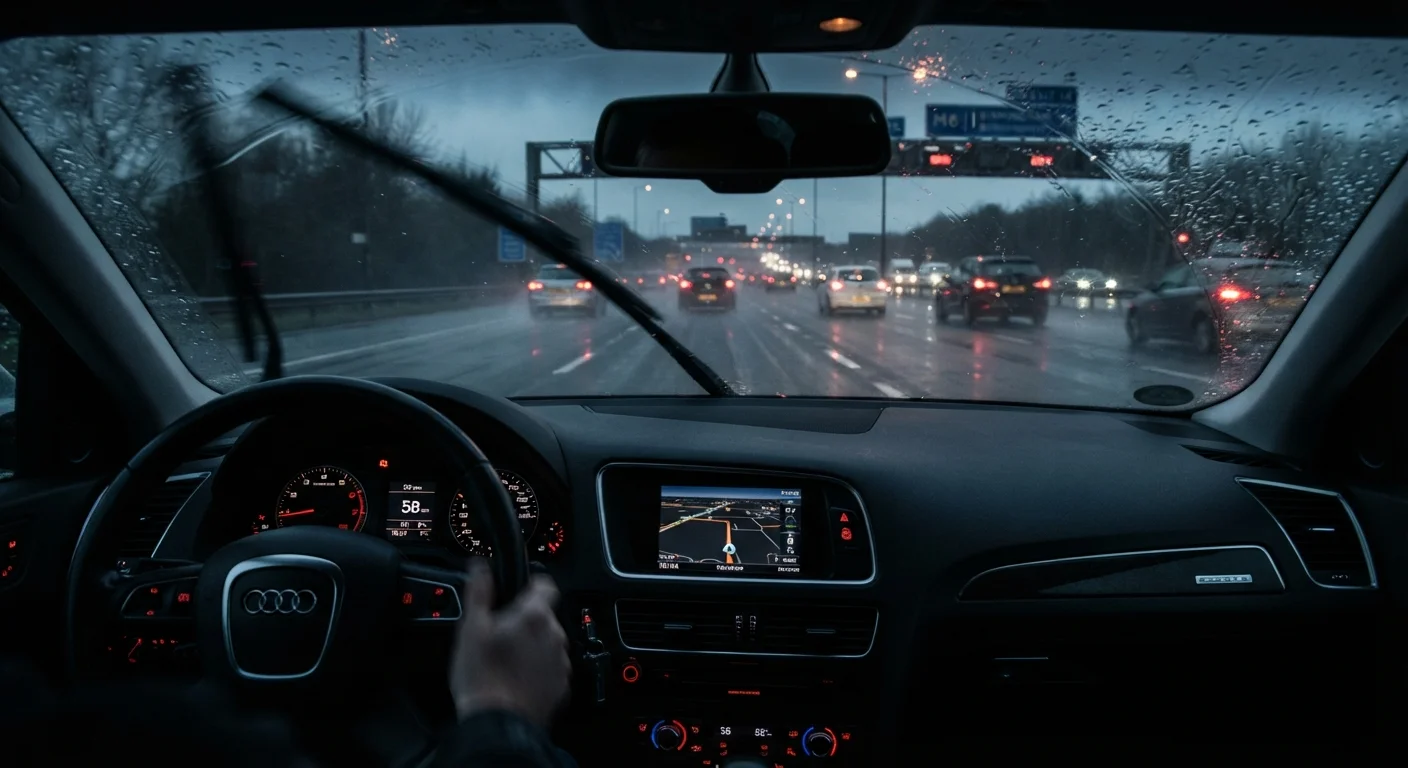
Water on the road doesn't just make it slippery - it creates the conditions for hydroplaning, where your tires lose contact with the pavement entirely and ride on a thin film of water. This can happen at speeds as low as 35 mph if tire tread is worn.
Slow down before entering wet roads, not after.
Reaction time and braking distance both increase on wet pavement. Entering a wet stretch at highway speed leaves almost no margin for error if something goes wrong ahead of you.
Increase your following distance to at least four seconds in rain.
The standard three-second rule is designed for dry pavement. Wet roads lengthen stopping distances by 50% or more, so the gap you'd normally keep isn't enough.
Avoid sudden steering or lane changes on wet pavement.
Quick, sharp inputs can break traction on a wet surface, causing the vehicle to slide or spin. Gradual, deliberate movements keep tires engaged with the road.
Turn off cruise control in wet conditions.
Cruise control is designed to maintain speed - if your tires hydroplane, it may actually apply throttle to hold that speed, worsening the loss of control.
For more on how to anticipate hazards before they develop, see our guide on defensive driving in practice.
Driving in Snow and Ice: Smooth Is Everything
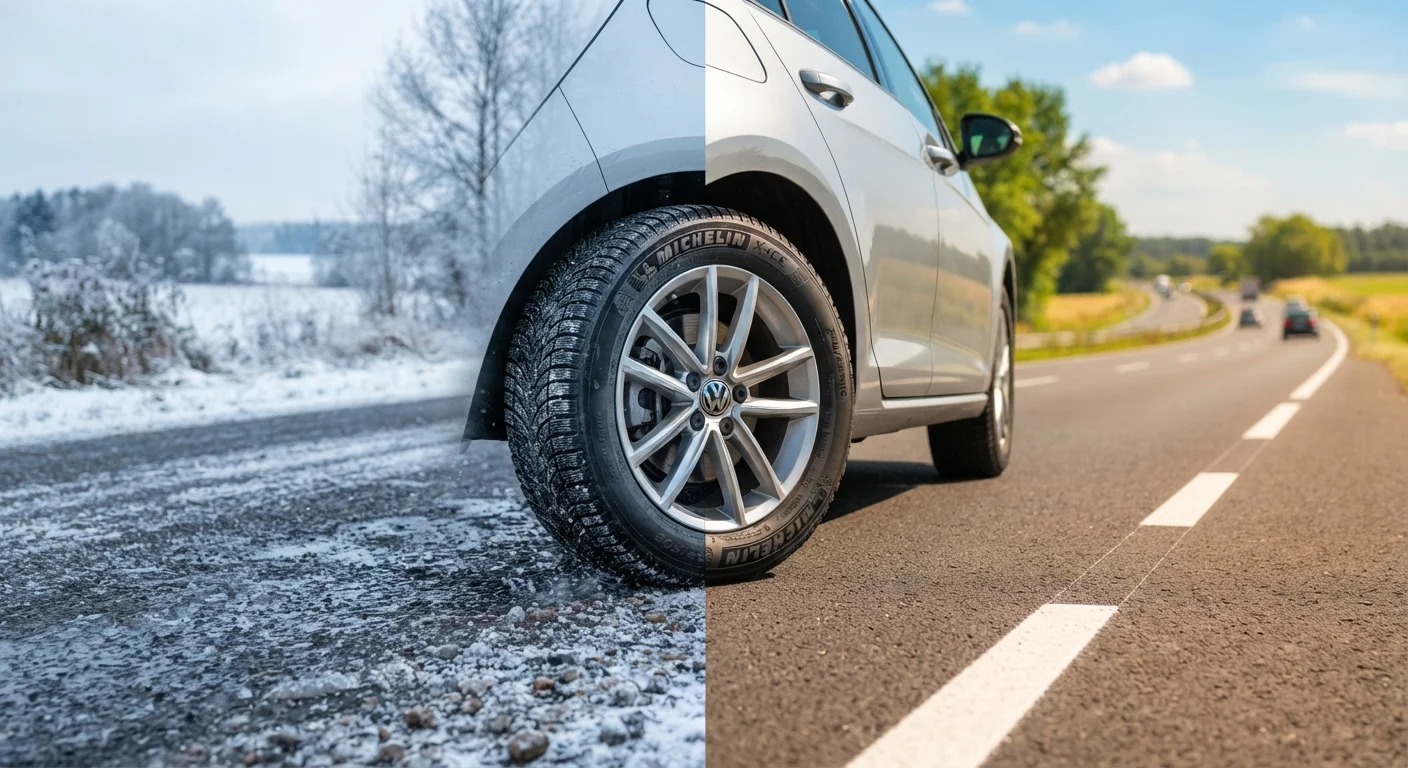
Snow and ice dramatically reduce friction between your tires and the road. On ice, stopping distances can be up to ten times longer than on dry pavement. The core principle here is smoothness - abrupt inputs to the steering wheel, gas pedal, or brakes are the most common triggers for skids.
Keep in mind that cold temperatures lower tire pressure, which further reduces traction. Check pressure before winter driving, not after.
Driving in Fog: Slowing Down and Seeing Smart
Fog is uniquely disorienting because it distorts depth perception and makes objects appear farther away than they are. It also makes other drivers' judgment unreliable - someone ahead of you may brake suddenly when visibility drops. The key is creating enough space and using your lights correctly.
Use Low Beams, Not High Beams, in Fog
High beams in fog create a phenomenon called backscatter - the light bounces off water droplets and reflects back toward you, making it harder to see, not easier. Always use low beams or, if your vehicle has them, dedicated front fog lights. Rear fog lights (if equipped) help drivers behind you see your vehicle in dense conditions.
Dense fog patches can appear without warning, especially near bodies of water, valleys, and bridges. If visibility drops below about 500 feet, consider pulling well off the road at a safe location - a rest area or lit parking lot - until conditions improve. Driving on the shoulder is dangerous; other drivers may mistake your taillights for the travel lane.
Fog shares some traits with night driving - both shrink your effective field of view. If you haven't read it yet, night driving and visibility risk is worth understanding alongside fog technique.
Hazard Lights in Rain or Fog: Know Your State's Rules
Some drivers instinctively turn on hazard lights in heavy rain or fog, but this practice is actually prohibited while driving in several US states. Hazard lights can mask your turn signals and confuse other drivers about your intentions. Check your state's rules - in many cases, your regular headlights (on low beam) are the correct choice.