The Core Difference: Attention Type, Not Just Speed
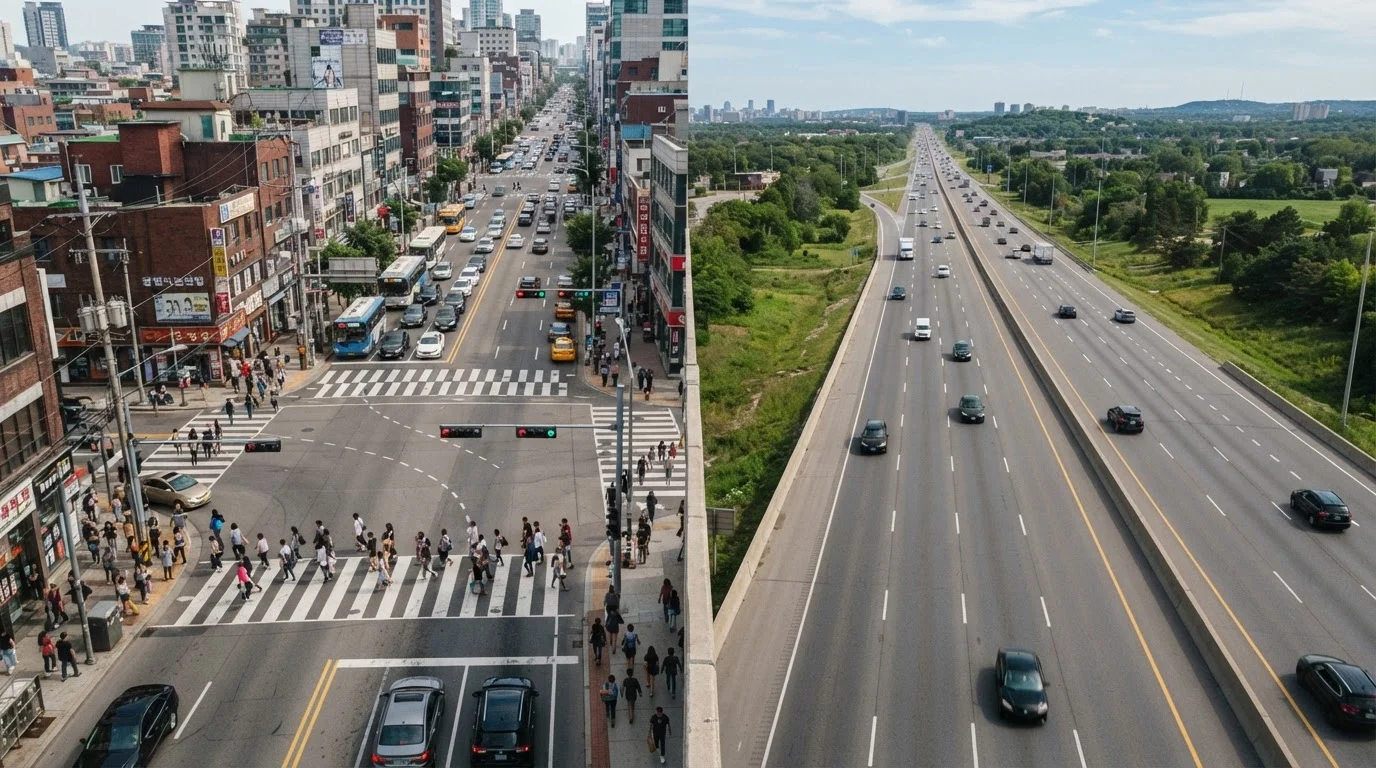
Most drivers assume the main difference between city and highway driving is speed. That's part of it - but the more meaningful difference is the type of attention each environment demands.
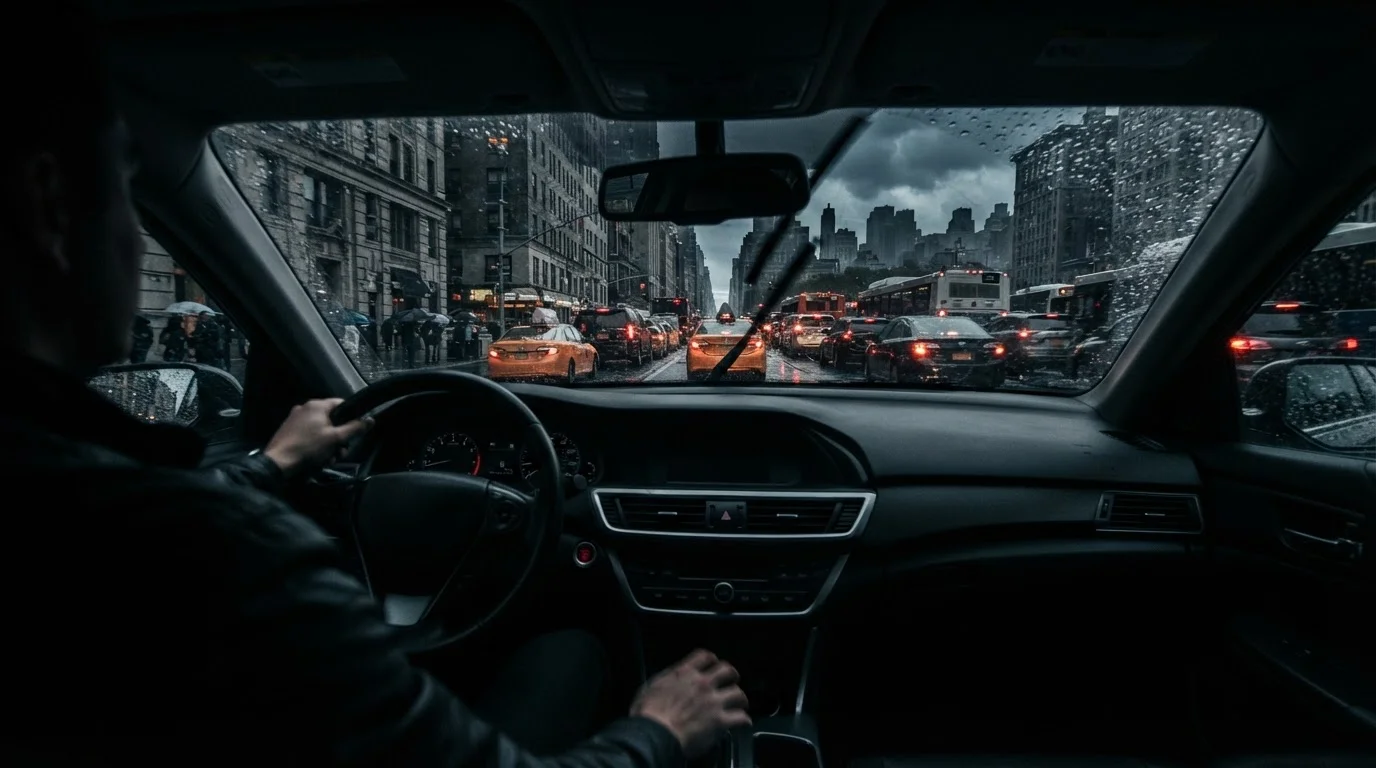
City driving is reactive and dense. You're processing stop lights, crosswalks, cyclists cutting across lanes, double-parked vehicles, and pedestrians stepping off curbs - often within a few car lengths of each other. The pace may be slow, but the cognitive load is high. You're making micro-decisions almost continuously.
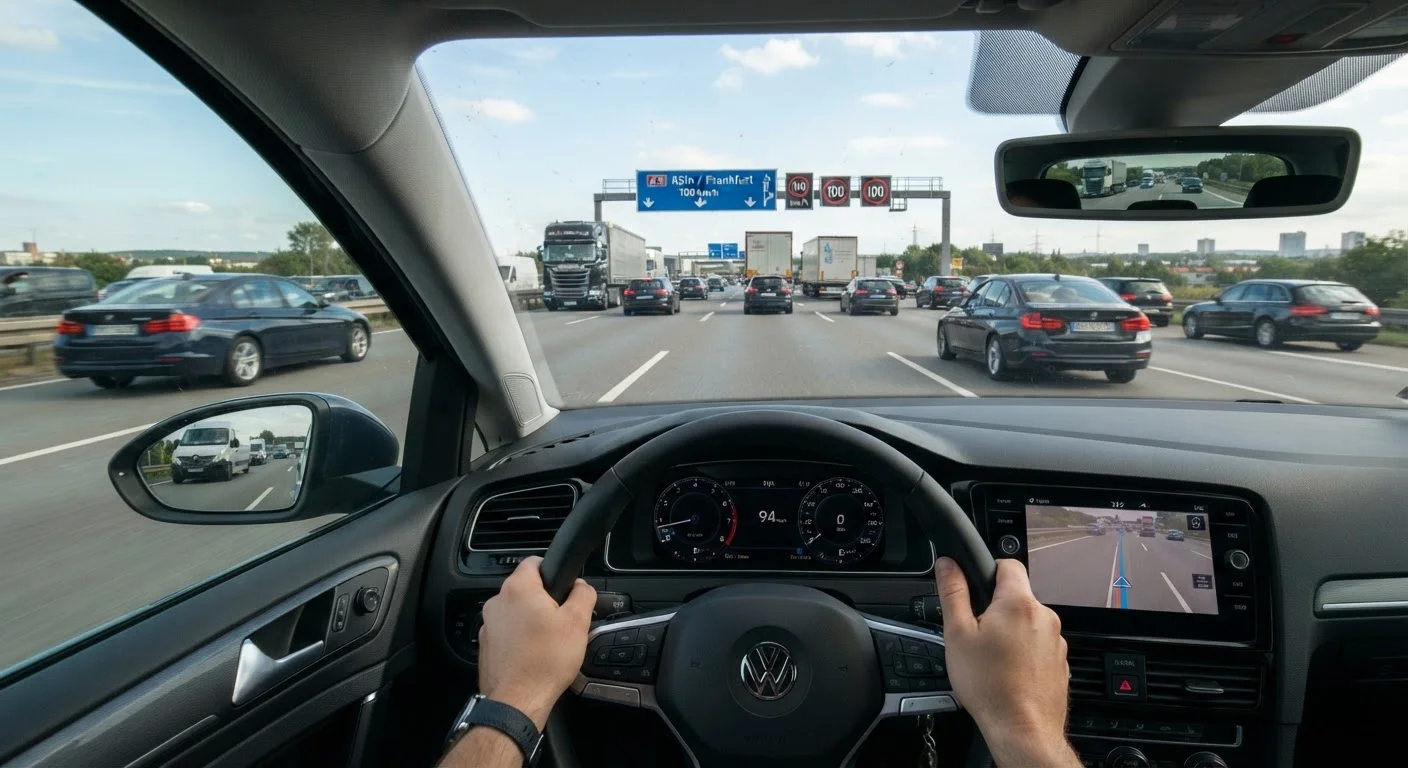
Highway driving is less cluttered but punishes lapses harder. At 65-75 mph, a two-second distraction covers roughly 200 feet of road. Fewer variables exist, but each one carries more weight. A lane change done poorly at city speeds may result in a fender scratch; the same error at highway speed can be catastrophic.
Defensive driving habits apply in both settings, but the techniques look different depending on which road you're on.
City Driving: What It Actually Requires
Urban environments stack risk factors on top of each other in ways that rural or highway roads don't. Here's what city driving specifically demands:
- Intersection management: Even with a green light, you need to scan cross-traffic before entering. Red-light runners are a significant cause of urban crashes.
- Pedestrian and cyclist awareness: In dense areas, both may appear suddenly from between parked vehicles, at mid-block crossings, or in bike lanes adjacent to your travel lane.
- Short following distances and quick stops: City traffic compresses the space between vehicles. Anticipating stops early - rather than reacting late - reduces rear-end risk.
- Parallel parking and tight maneuvering: Spatial awareness at low speed is its own skill, distinct from open-road driving.
- Road rage triggers: Congestion creates frustration. Understanding how stress escalates behind the wheel helps you stay calm. See our article on road rage and how to respond for context.
| Criterion | City Driving | Highway Driving |
|---|---|---|
| Typical speed range | 15-45 mph | 55-80 mph |
| Primary attention type | Reactive, short-range scanning | Sustained, long-range scanning |
| Main hazard sources | Pedestrians, cyclists, intersections | Fatigue, speed differentials, merging |
| Decision frequency | Very high - near constant | Lower, but higher-stakes |
| Following distance needed | 2-3 car lengths at low speed | 3-4 seconds at highway speed |
| Crash severity potential | Generally lower due to slower speeds | Higher - speed amplifies impact force |
| Fatigue risk | Low - frequent stimulation | High - monotony reduces alertness |
Highway Driving: What It Actually Requires
The open road feels simpler than a city grid, but highway driving has its own distinct set of demands that catch unprepared drivers off guard.
- Merging at speed: Entering a highway requires matching traffic speed before joining the flow - not stopping at the end of an on-ramp and waiting for a gap.
- Maintaining safe following distances: At 65 mph, most safety guidelines suggest at least a three-to-four second gap between you and the vehicle ahead. Many drivers use far less.
- Lane discipline: Staying predictable - signaling well in advance, not straddling lanes, keeping right except to pass - reduces conflict with surrounding traffic.
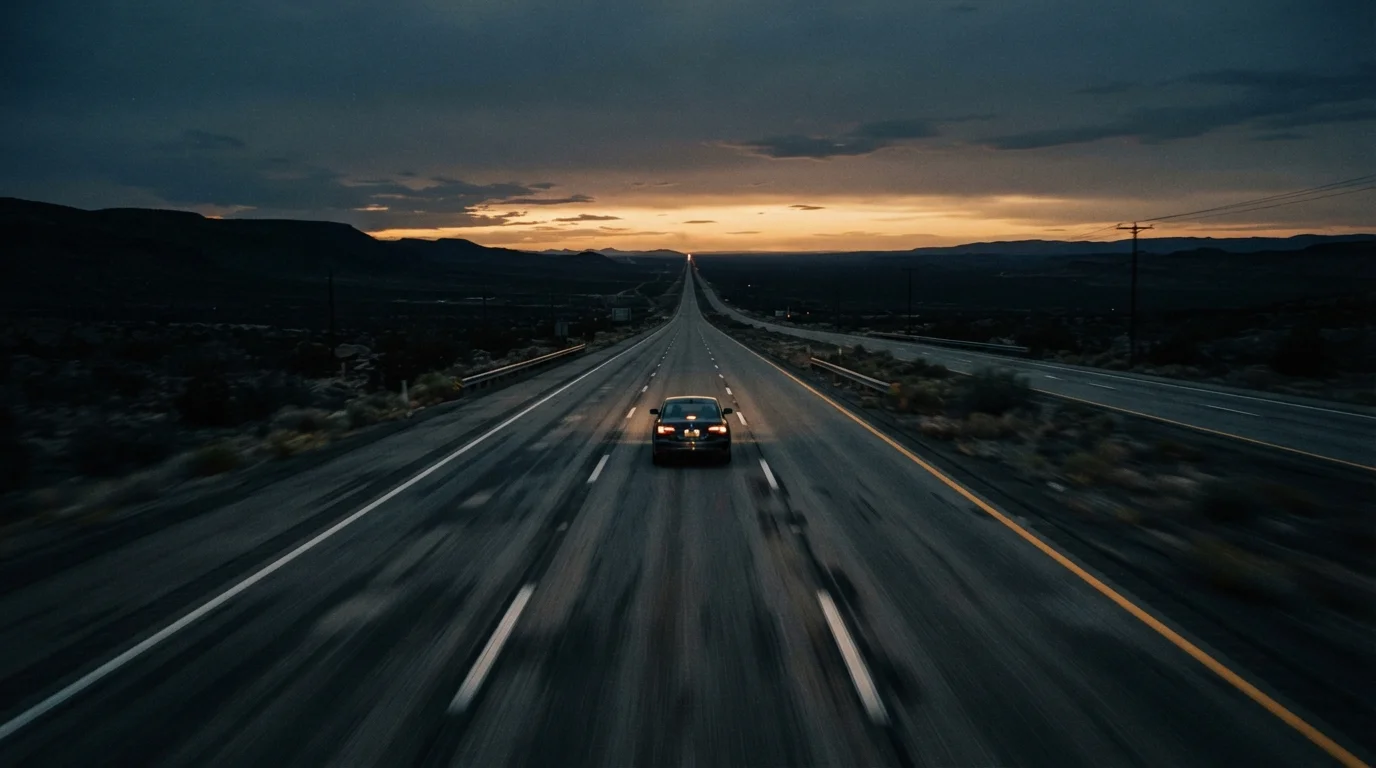
- Fatigue recognition: Long stretches of uniform scenery can trigger highway hypnosis, a state of reduced alertness where the brain essentially goes on autopilot. Highway hypnosis and drowsy driving are among the most underestimated highway risks.
- Weather response at speed: Rain or fog that might be manageable in slow city traffic becomes significantly more dangerous at highway speeds. Adjusting your technique for each condition is essential knowledge for any highway driver.
~26%
Fatal crashes occurring on urban roads
According to NHTSA data, a substantial share of traffic fatalities occur on urban roads despite generally lower speeds.
2 sec
Distraction window at 65 mph covers ~200 ft
A two-second distraction at highway speed covers the length of roughly two-thirds of a football field before a driver refocuses.
3-4 sec
Recommended following gap at highway speed
Safety guidelines commonly cite a three-to-four second following distance as a minimum buffer at freeway speeds.
Switching Environments: Why Drivers Underestimate the Transition
One underappreciated skill is the mental shift required when moving between environments - particularly from highway to city. After a long interstate drive, the brain is calibrated for high-speed, low-input conditions. Re-entering a city demands an immediate recalibration to high-input, reactive decision-making. Drivers who don't consciously make that shift may find themselves reacting more slowly to pedestrians, missing stop signs, or misjudging gaps.
The reverse transition - city to highway - carries its own trap. Drivers accustomed to city speeds sometimes underestimate how quickly they need to accelerate on an on-ramp, or how far ahead they need to be scanning to anticipate lane changes safely.
For new drivers especially, deliberately practicing both environments builds the adaptability that experienced drivers develop over time. Graduated licensing programs recognize this by sequencing exposure carefully - urban practice before highway, daylight before night driving.
If you're planning to take on a long highway trip after primarily city driving, our guide on interstate road trips covers what to expect and how to prepare. And night driving adds another layer of complexity worth understanding before mixing highway travel with low-visibility conditions.
Vehicle Condition Matters in Both Environments
Neither city nor highway driving is forgiving of neglected vehicle maintenance. Worn brake pads create longer stopping distances in stop-and-go traffic; underinflated tires are particularly risky at highway speeds where heat builds quickly. Keeping up with basic maintenance - brakes, tires, lights, and fluid levels - supports safe driving in any environment. For a broader look at keeping your vehicle road-ready, visit our car maintenance section.