The Numbers Behind Nighttime Danger
About 25% of driving happens after dark, yet according to the National Highway Traffic Safety Administration (NHTSA), roughly half of all traffic fatalities occur during nighttime hours. That imbalance tells a clear story: mile for mile, driving at night is significantly more dangerous than driving in daylight.
The elevated fatality rate isn't explained by one single factor. It's the result of several hazards converging at the same time - reduced visibility, driver fatigue, and a higher proportion of impaired drivers all peak together after sunset.
~50%
Of traffic fatalities occur at night
According to NHTSA data, approximately half of fatal crashes happen during nighttime hours despite representing only about a quarter of all driving.
3x
Higher fatal crash rate per mile at night
Mile for mile, fatal crash rates after dark are roughly three times those seen during daylight hours, according to road safety research.
250 ft
Typical low-beam headlight range
Standard low-beam headlights illuminate approximately 160-250 feet of road, which can be insufficient stopping distance at highway speeds.
What Darkness Actually Does to Your Vision
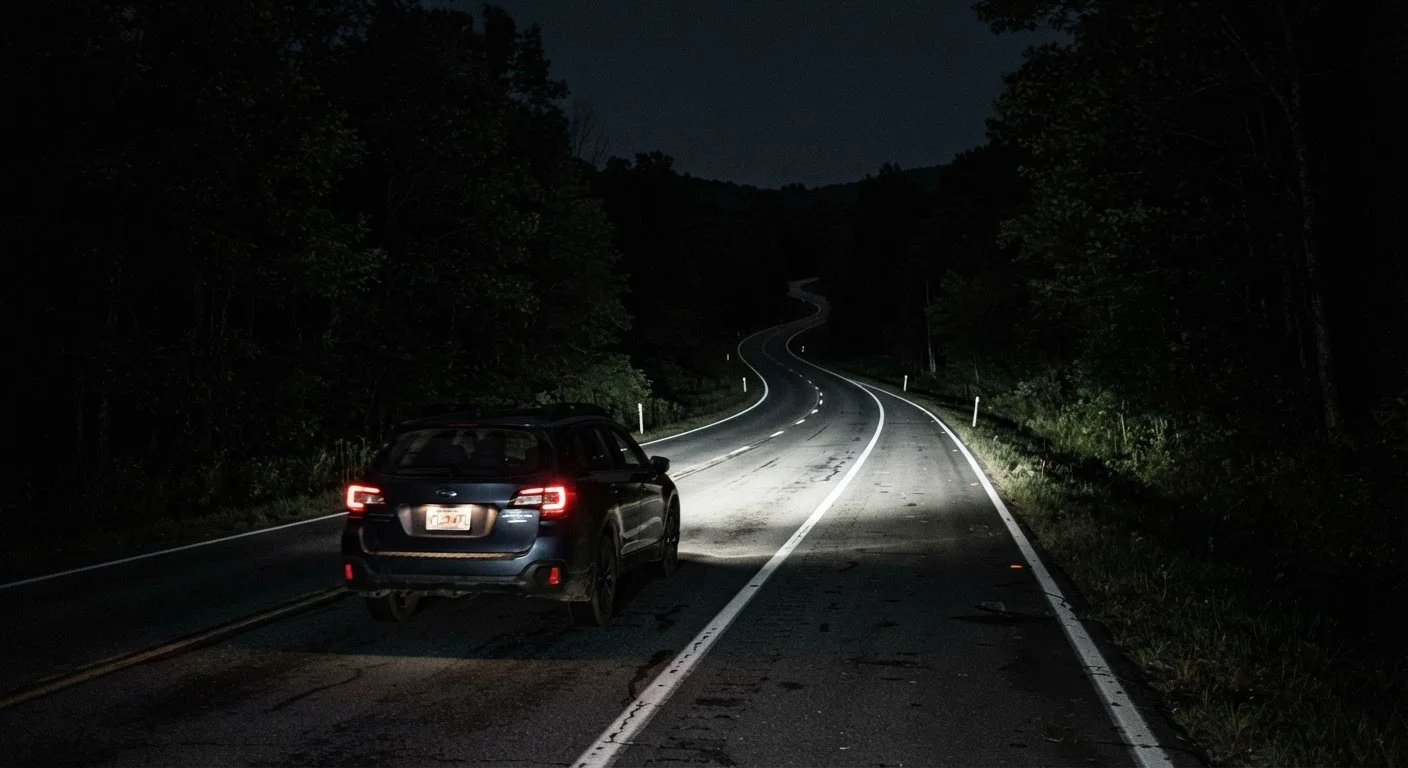
Headlights are often less capable than drivers assume. Standard low-beam headlights illuminate roughly 160-250 feet of road ahead. At 60 mph, a vehicle covers about 88 feet every second. That means a driver who spots a hazard at the edge of their headlight range has only two to three seconds to react and brake - and that's assuming alert, unimpaired reflexes.
Human vision compounds the problem. The eye's peripheral vision and depth perception both degrade in low light. Glare from oncoming headlights causes temporary vision reduction, and eyes take several seconds to readjust afterward. Dirty or foggy headlight lenses can cut effective light output dramatically - sometimes by 50% or more - without the driver realizing it.
Check Your Headlights Regularly
Headlight lenses yellow and haze over time, reducing the light reaching the road. A quick visual check - and professional cleaning or lens restoration if needed - can restore meaningful illumination. Also confirm your headlights are properly aimed; misaligned beams reduce forward visibility and can blind oncoming drivers.
For a deeper look at how visibility loss connects to crash patterns in other conditions, see our article on driving in rain, snow, and fog.
Who and What Is at Greatest Risk
Pedestrians bear a disproportionate share of nighttime crash fatalities. NHTSA data consistently shows that the large majority of pedestrian deaths occur in dark conditions, largely because pedestrians are far harder to see - especially those wearing dark clothing or crossing outside of lit intersections.
Wildlife is another nighttime-specific hazard. Deer and other animals are most active at dawn and dusk and move unpredictably across roadways, giving drivers little time to respond.
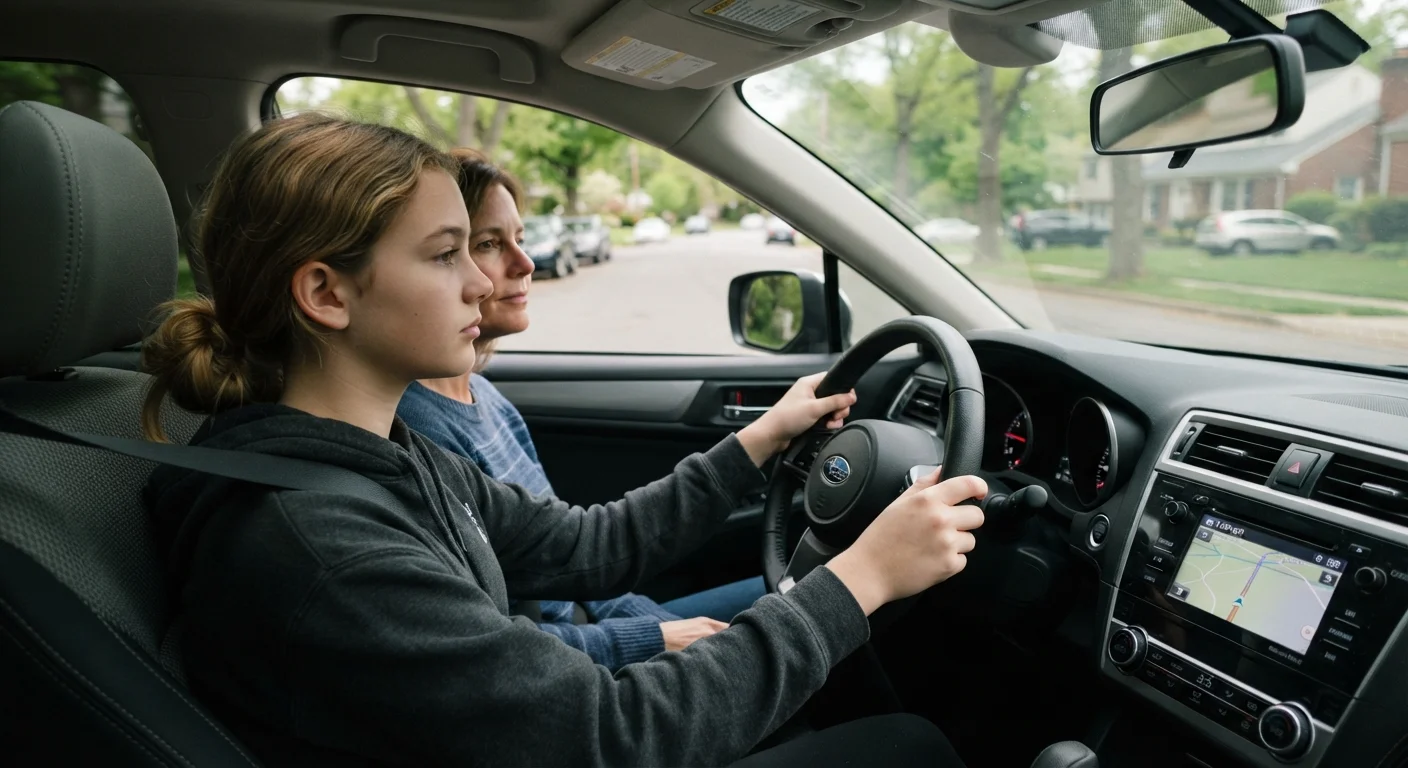
Younger and older drivers face heightened exposure on different ends. Teen drivers, who are still building experience and hazard recognition, are at elevated risk after dark - one reason many graduated licensing programs restrict nighttime driving. Older drivers contend with age-related changes in night vision and glare sensitivity.
Fatigue and Impairment: The Hidden Co-Pilots
Darkness and drowsiness are closely linked. The body's circadian rhythm naturally promotes sleepiness between midnight and 6 a.m. - precisely the hours when roads are darkest and least traveled. A fatigued driver's reaction time, lane-keeping, and hazard detection all suffer in ways that parallel alcohol impairment.
Alcohol-impaired driving is also far more concentrated after midnight. The combination of reduced visibility, slower reaction time from fatigue, and the presence of impaired drivers on the same road creates a risk environment substantially different from the daytime.
Our article on highway hypnosis and drowsy driving goes into more detail on how fatigue affects performance behind the wheel.
Practical Steps That Make a Real Difference
Adjusting for nighttime conditions doesn't require special equipment - it mainly requires deliberate habit changes.
- Reduce speed: Lower speed gives more time to react to what headlights reveal. Even dropping 5-10 mph on rural roads extends your reaction window meaningfully.
- Increase following distance: The risks of following too closely are amplified at night when visibility of brake lights and road hazards is delayed. Add extra space beyond the standard three-second rule.
- Clean your headlights and windshield: Oxidized headlight lenses and a dirty windshield scatter light and create glare. Both are inexpensive to address.
- Use high beams appropriately: On unlit rural roads, high beams provide substantially more visibility. Switch to low beams within 500 feet of oncoming traffic.
- Avoid driving while fatigued: If you're feeling drowsy, pulling over is always safer than pressing on.
Building these habits connects directly to the broader practices covered in defensive driving, where anticipating hazards before they arrive is the core skill.
“Nighttime driving demands a different mental posture. You're not just navigating the road in front of you - you're managing the limits of what you can see and react to before those limits catch up with you.”
— NHTSA Road Safety Communications, U.S. federal highway safety agency guidance