How the Warning Light System Works
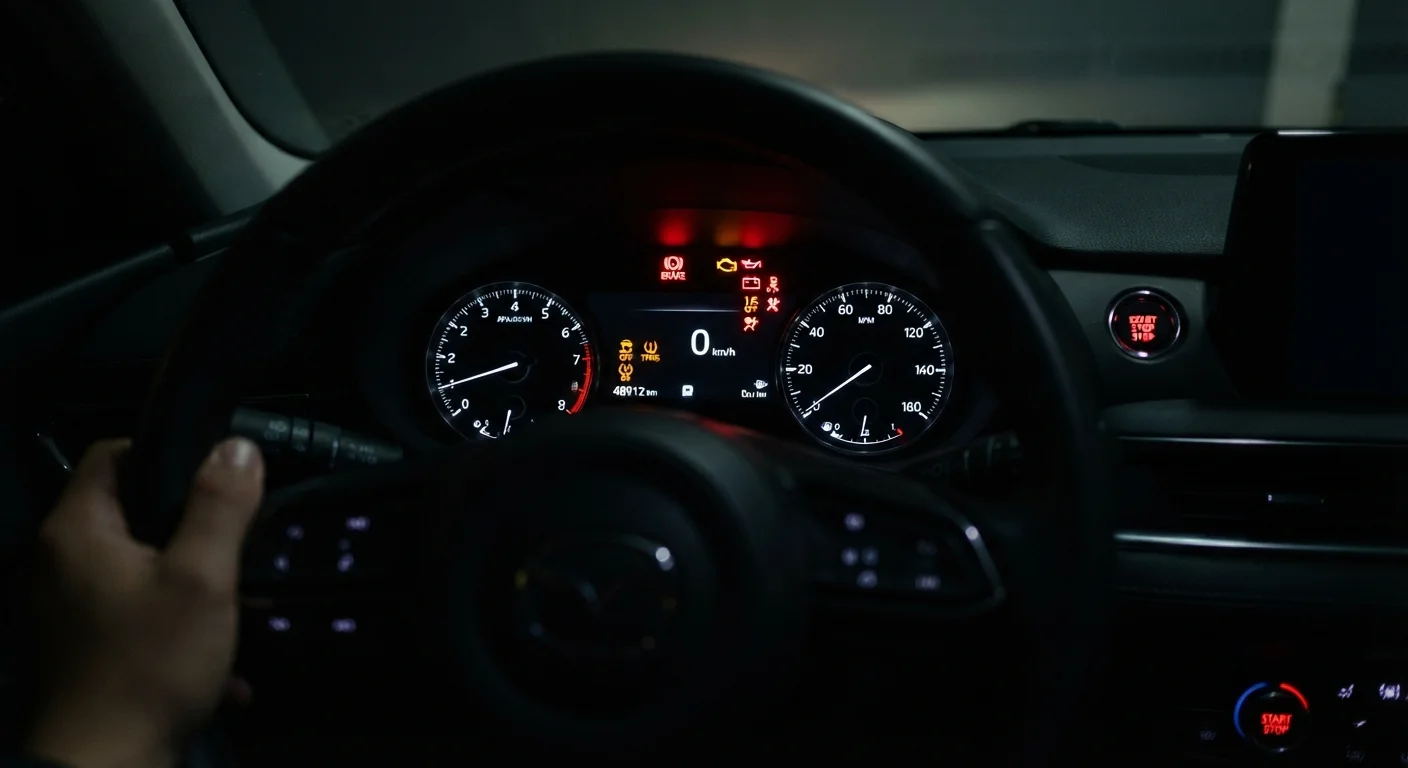
Your dashboard warning lights follow a color-coded priority system used across virtually all modern vehicles sold in the US. Red means act now - pull over or stop driving as soon as it's safe. Amber or yellow signals a condition that needs attention soon but usually isn't an immediate emergency. Blue and green are informational, telling you a feature is active. Understanding that framework first makes every individual light easier to interpret.
Most lights illuminate briefly when you start your car - that's the system running a self-check. A light that stays on after the engine settles, or one that comes on while driving, is what warrants attention. Always consult your owner's manual for symbols specific to your vehicle, since some vary by make and model.
| Red light urgency | Stop or pull over as soon as safe |
| Amber light urgency | Schedule service within days |
| Self-check at startup | Normal - lights should extinguish within seconds |
| Most misunderstood light | Check Engine - can range from minor to serious |
| TPMS trigger threshold | 25% below recommended tire pressure (US federal standard) (NHTSA TPMS regulation) |
| Owner's manual | Primary reference for vehicle-specific symbols |
The Lights You Should Never Ignore
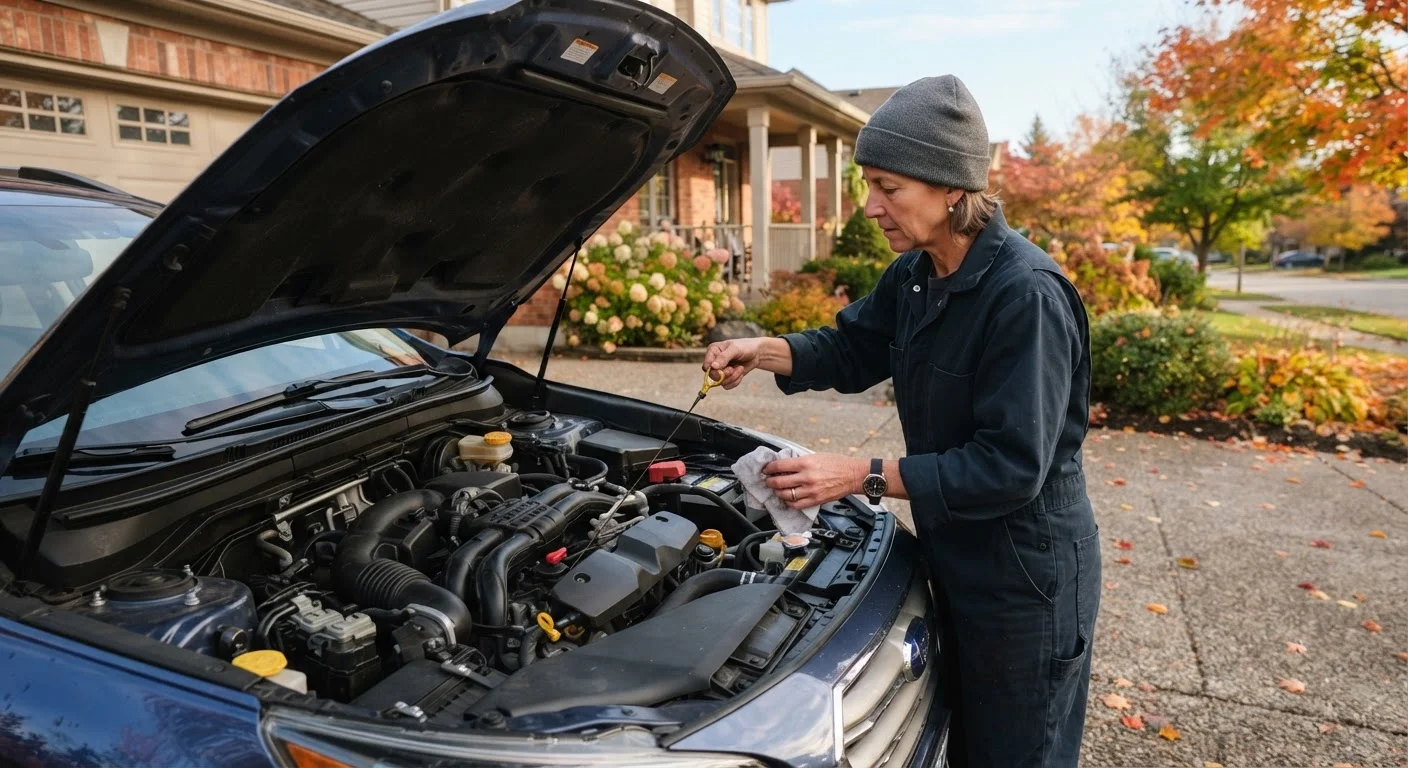
Oil Pressure Warning (red oil can icon): This is one of the most serious lights your car can show. Low oil pressure can cause catastrophic engine damage within minutes. Pull over safely, shut off the engine, and check oil level before driving further. Do not assume it's just a sensor glitch.
Engine Temperature Warning (red thermometer in waves): Your engine is overheating. Pull over and let it cool - driving on an overheated engine can warp cylinder heads and cause expensive damage. Never open the radiator cap while the engine is hot.
Battery / Charging System (red battery icon): The electrical system isn't charging properly. Your car may keep running briefly on battery power alone, but electrical components will begin failing. Head to a shop promptly; don't turn the engine off until you arrive.
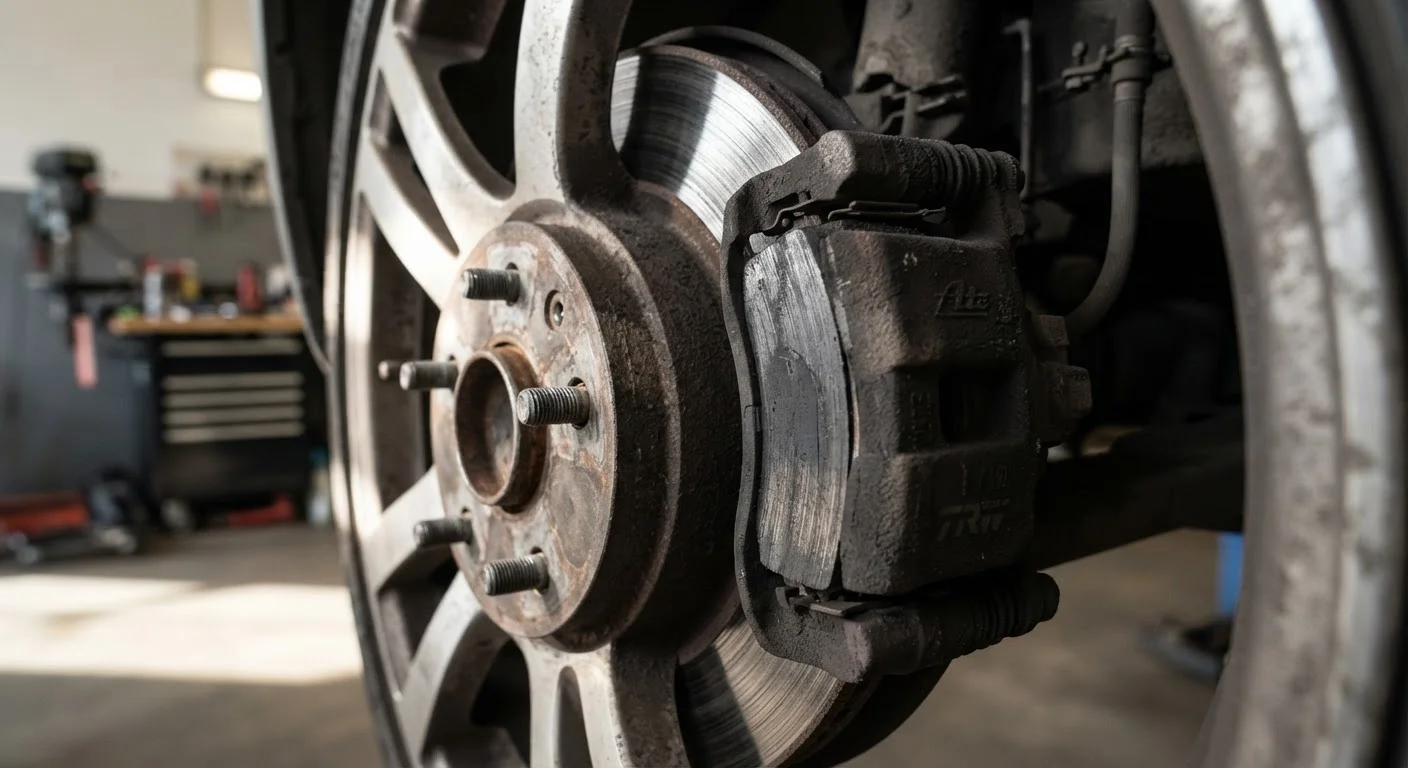
Brake System Warning (red exclamation in circle or BRAKE text): Could indicate the parking brake is engaged, or a more serious issue like low brake fluid or a hydraulic failure. If the parking brake is off and this light is on, treat it seriously. See our guide to brake wear signs for more context on what brake symptoms can mean.
~1 PSI
Tire pressure lost per 10°F temperature drop
A widely cited general guideline explaining why TPMS alerts spike in cold weather months.
25%
Underinflation threshold that triggers TPMS alert
Per the US federal TPMS mandate (NHTSA), systems must warn when pressure drops 25% below the vehicle's recommended level.
Amber Lights: Take Action Soon
Check Engine (amber engine outline): One of the most misunderstood lights on the road. It can signal anything from a loose gas cap to a misfiring cylinder. A steady light usually means schedule a diagnostic soon. A flashing check engine light is more urgent - reduce speed and have it checked right away, as a misfire can damage the catalytic converter.
TPMS - Tire Pressure Monitoring System (amber tire cross-section with exclamation): One or more tires are significantly under- or over-inflated. Check pressures with a gauge when safe. Tires lose roughly 1 PSI per 10°F drop in temperature, so this light is especially common in cold weather. Consistent underinflation affects fuel economy, handling, and tire longevity.
Traction Control / Stability Control (amber car with squiggly lines): The system is actively working to prevent wheel slip. If it stays on continuously, the system may be disabled or faulty. Refer to your seasonal check-up routine to keep tires and systems in shape before winter.
Low Fuel (amber gas pump): Straightforward, but worth noting: running a tank very low repeatedly can stress the fuel pump, which sits in the tank and relies on fuel for cooling.
Less Common Lights Worth Knowing
Airbag / SRS Warning (amber person with circle): A fault in the supplemental restraint system. The airbags may not deploy correctly in a crash. This warrants a shop visit - it's a safety-critical system.
Power Steering Warning (amber steering wheel with exclamation): Common on vehicles with electric power steering. Steering will feel heavy. It's drivable but harder to control, especially at low speeds.
Transmission Temperature (amber thermometer in gear): Transmission fluid is running hot, often from towing, stop-and-go traffic, or low fluid. Ease off the load if possible and have the fluid level checked.
For a broader look at how visual symbols communicate critical information - on roads and on your dashboard - the article on US road sign colors and shapes offers useful parallel context. And if a dashboard alert prompts you toward a repair, knowing which maintenance tasks are safe to DIY can help you decide when to call a mechanic.
TPMS
Tire Pressure Monitoring System. A federal requirement on US vehicles since 2008 that alerts drivers when tire pressure drops significantly below the recommended level.
SRS
Supplemental Restraint System. The technical name for the airbag system, which works alongside seatbelts to protect occupants in a collision.
OBD-II
On-Board Diagnostics, second generation. A standardized port found in most US vehicles since 1996 that mechanics and diagnostic tools use to read fault codes triggered by warning lights.
Catalytic Converter
An emissions control device in the exhaust system that reduces harmful gases. A flashing check engine light often signals a misfire that can overheat and damage this component.