
What Sets Saving Apart From Investing
The clearest way to distinguish saving from investing is through two lenses: risk and time horizon.
When you save, you deposit money into a stable account - like a high-yield savings account or a certificate of deposit - where the principal is protected and the return is modest but predictable. The focus is on preserving what you have, not growing it aggressively. Savings accounts at federally insured banks are protected up to FDIC limits, which is a significant safety feature.
When you invest, you purchase an asset - shares in a company, a mutual fund, a bond - whose value can rise or fall depending on market conditions. The potential for higher returns comes with real risk: you could receive less than you put in, particularly over short time frames. That trade-off is by design, not a flaw. Investors are compensated for taking on that uncertainty.
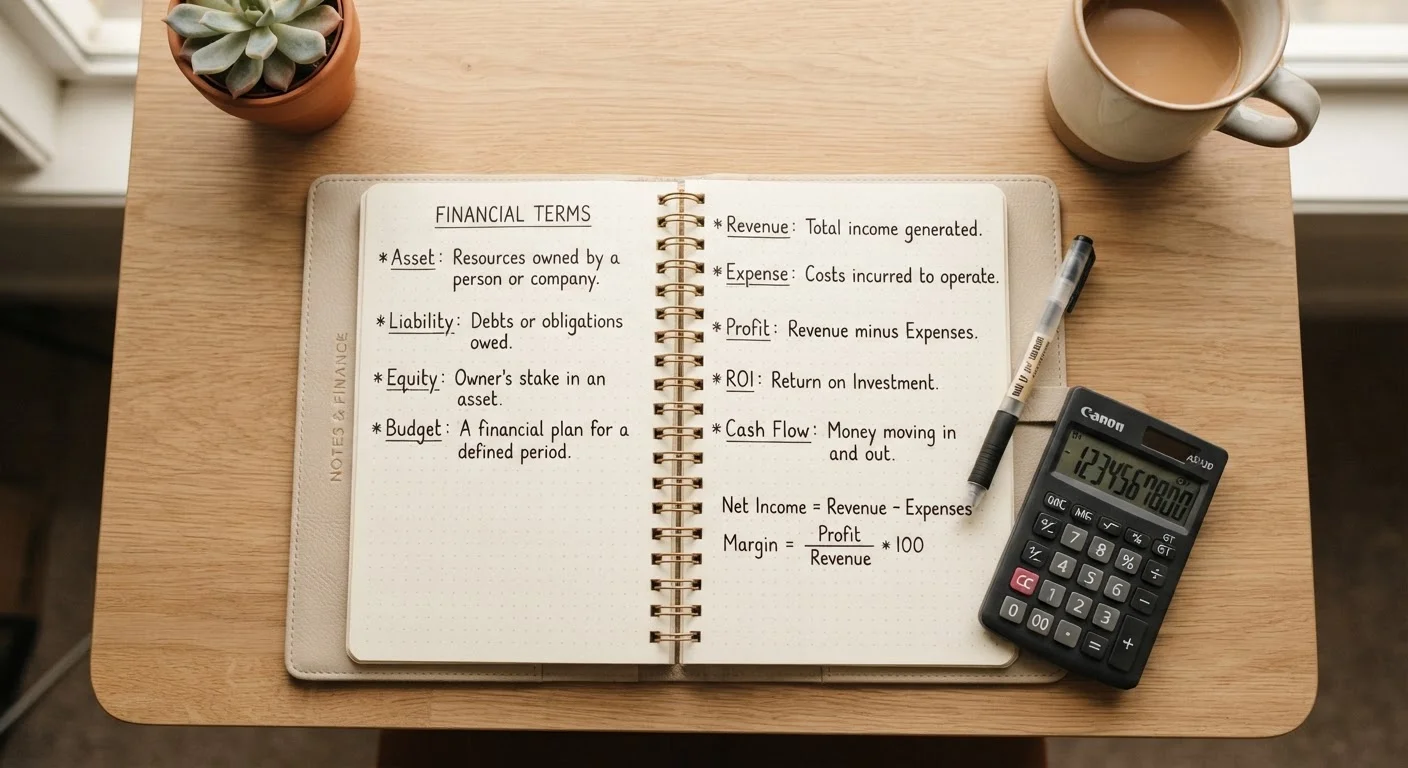
For a deeper look at the vocabulary you'll encounter as you navigate both worlds, see our glossary of personal finance terms every saver should know.
Inflation and the Limits of Saving
One nuance worth understanding: while savings accounts protect your principal, they don't always protect your purchasing power. If inflation runs higher than your savings interest rate, the real value of your money declines over time, even if the dollar balance stays the same. This is one reason why saving alone - without any investing - may not be sufficient for long-term financial goals.
When to Save vs. When to Invest
Time horizon is usually the deciding factor. A simple rule of thumb: money you'll need within one to three years should generally be saved, not invested. Money you won't need for five or more years is often a candidate for investing.
- Short-term goals - a vacation next year, a car down payment in 18 months, or replacing an appliance - belong in savings. You can't afford to have that money tied up in a declining market when the deadline arrives.
- Long-term goals - retirement, a child's college education, or building generational wealth - benefit from the compounding growth that investing can provide over decades.
One area that clearly belongs in savings rather than investments: your emergency fund. Because emergencies are unpredictable and urgent, that money needs to be stable and accessible. Our article on the difference between an emergency fund and a savings account explains how to structure that safety net effectively.
Build Your Savings Foundation First
Financial educators commonly suggest establishing a three-to-six month emergency fund before directing significant money toward investments. This sequencing matters: a stable savings cushion means you're less likely to be forced to sell investments during a market downturn just to cover an unexpected expense. Once that foundation is in place, you can invest with greater confidence.
Why Most People Need Both
Saving and investing aren't in competition - they're complementary tools that address different financial needs.
Think of saving as the foundation: it provides stability, liquidity, and protection against short-term disruptions. Without a savings cushion, an unexpected expense like a medical bill or car repair could force you to sell investments at an inopportune time, locking in losses.
Investing is the engine for longer-term growth. Over time, inflation quietly erodes the purchasing power of money sitting idle. A dollar today buys less a decade from now. Investing in diversified assets has historically been one way to outpace inflation over long periods - though past market performance does not guarantee future results, and all investing carries risk.
~56%
U.S. adults who own investments
According to Gallup polling, roughly 56% of American adults report owning stocks, either directly or through funds and retirement accounts.
3-6 months
Recommended emergency savings buffer
Most personal finance frameworks, including guidance from the Consumer Financial Protection Bureau, suggest covering three to six months of essential expenses in accessible savings before investing.
If you're wondering how debt fits into this picture, our guide on paying down debt vs. building savings helps you think through that trade-off based on interest rates and your specific situation. And once you have a savings habit in place, automating your savings can help you stay consistent without relying on willpower alone.
“Do not save what is left after spending; instead spend what is left after saving.”
— Warren Buffett, Chairman and CEO of Berkshire Hathaway, widely cited investor
This article is for general informational and educational purposes only and does not constitute personalized financial, investment, or tax advice. Consult a qualified financial professional before making decisions based on your individual circumstances.