What Is Hardscaping?
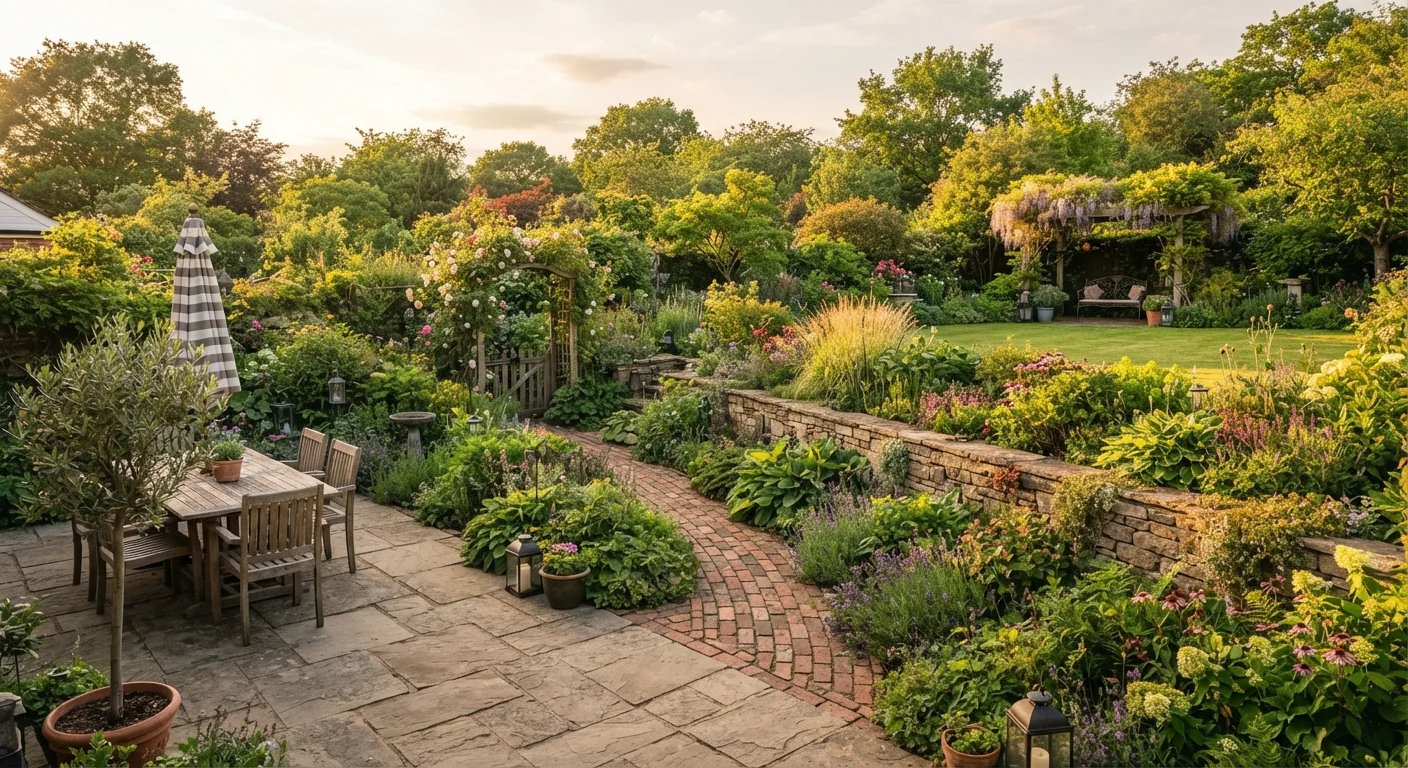
Hardscaping refers to the non-living elements of a garden or outdoor space - patios, pathways, retaining walls, steps, edging, pergolas, and similar structures. These features are typically made from materials like concrete, brick, natural stone, pavers, gravel, or wood composites.
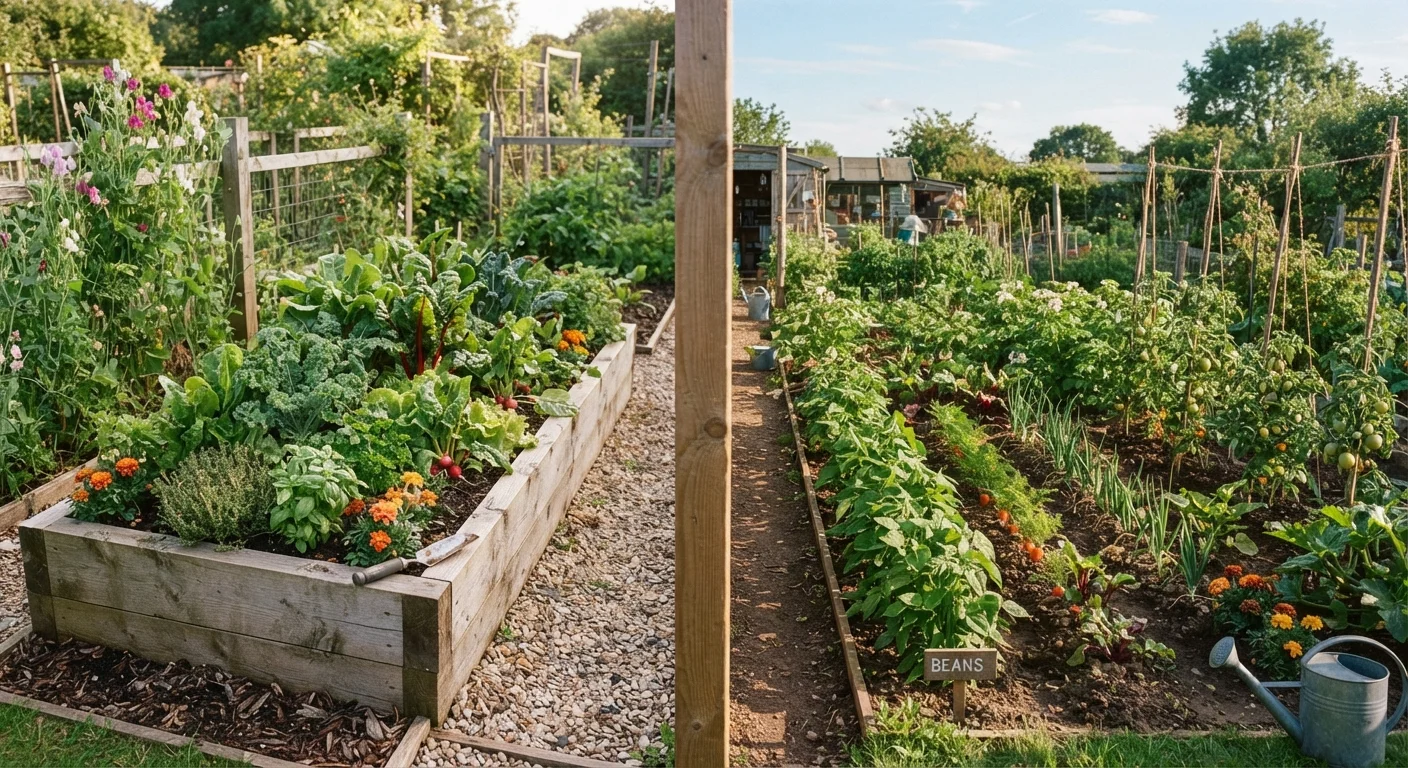
Think of hardscaping as the skeleton of your outdoor space. It provides structure that softscaping - your plants, lawn, and soil - then builds around. The two work together, but hardscaping decisions tend to be more permanent and more expensive to reverse, which is why planning matters so much before breaking ground. If you're already thinking about how to structure planting areas alongside these elements, raised beds vs. in-ground planting is worth considering as a complementary choice.
The Pros of Hardscaping
Done well, hardscaping offers tangible benefits for everyday gardeners.
Reduces ongoing lawn and bed maintenance
Replacing high-maintenance turf or weed-prone areas with patios or gravel paths significantly cuts down on mowing, weeding, and replanting cycles.
Extends usable outdoor space year-round
A well-drained, level patio or deck can be used far earlier in spring and later in fall than a lawn, effectively adding livable square footage to your home.
Adds structure and visual definition
Edging, pathways, and defined patio zones give a garden a purposeful, finished look and make it easier to maintain planting areas cleanly.
Long lifespan with proper installation
Quality stone, concrete, or paver installations can last decades with minimal intervention, making them a durable long-term investment in the property.
Erosion control on slopes
Retaining walls and terracing prevent soil loss on sloped yards, protecting both the garden and the surrounding landscape from erosion over time.
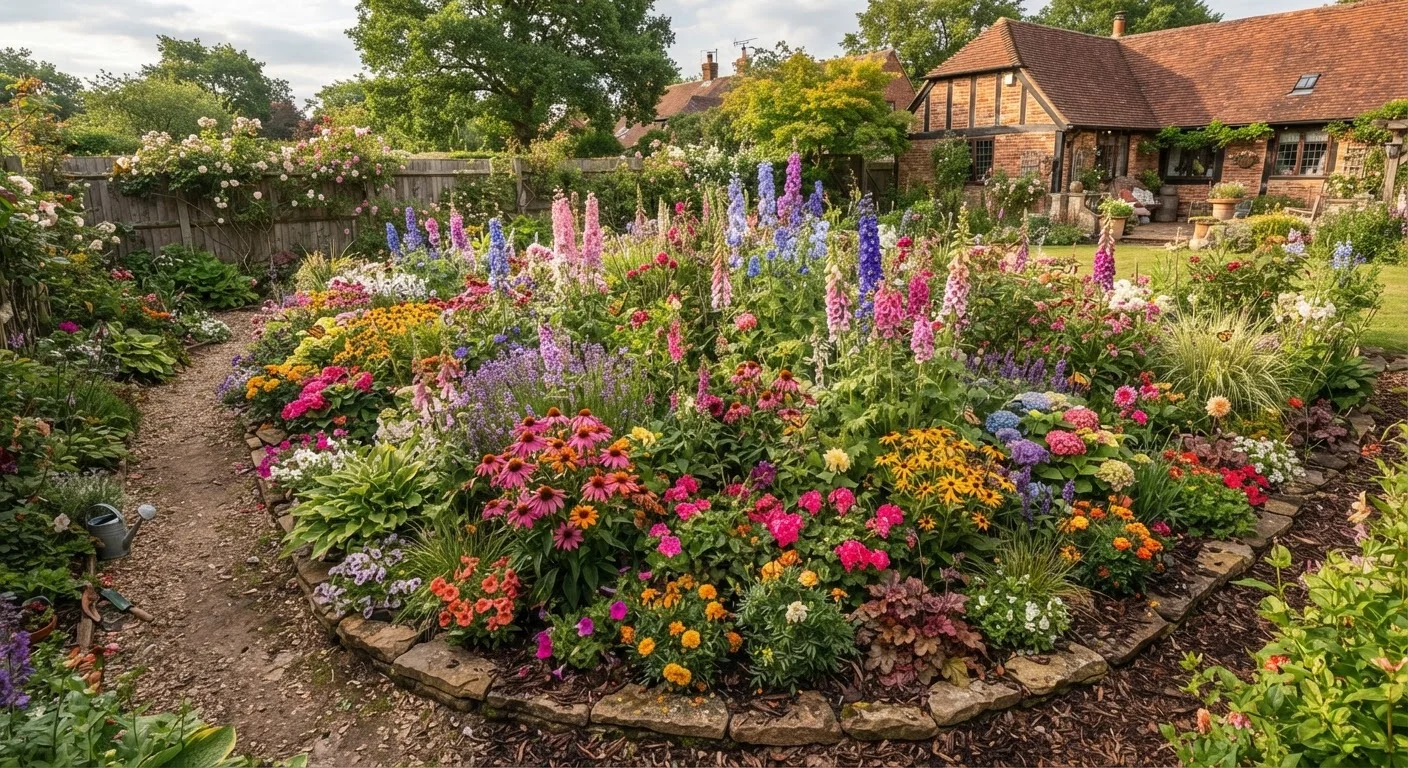
For gardeners who want more outdoor living space without taking on heavy lawn care, hardscaping is often the most practical route. A well-placed patio or gravel path can also frame planting beds beautifully, giving your perennial and annual plant choices a clean, defined context to grow within.
The Cons of Hardscaping
The same features that make hardscaping appealing also come with real trade-offs worth understanding before you commit.
High upfront installation cost
Professional hardscaping is labor- and material-intensive. Even a modest patio or pathway can run into thousands of dollars depending on materials and site conditions.
Drainage problems if poorly designed
Impervious surfaces that aren't graded correctly can redirect water toward foundations or neighboring lots, creating expensive problems down the line.
Reduces soil permeability and plant health
Large hardscaped areas limit the ground's ability to absorb rainwater and can compact or alter the soil biology in adjacent planting zones.
Difficult and costly to modify later
Unlike softscaping, hardscaping is essentially permanent once installed. Changing the layout or fixing mistakes typically means demolition and reinstallation.
May require permits and professional engineering
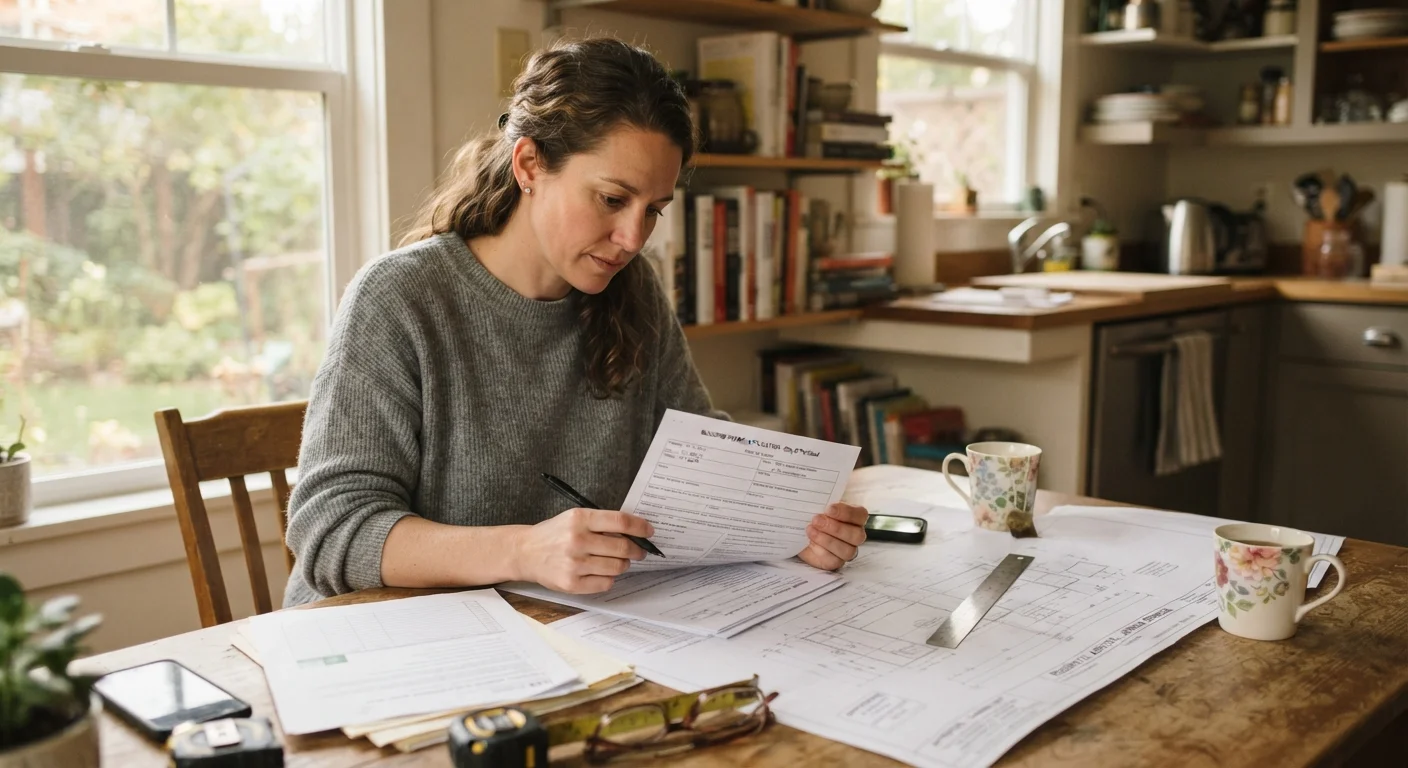
Retaining walls, significant grading changes, or structures that affect drainage may trigger local permit requirements and add regulatory complexity to the project.
Don't Forget Soil Health Nearby
Large areas of impermeable surface can gradually alter moisture and temperature conditions in adjacent planting beds. To support soil biology, consider incorporating organic matter regularly into any exposed garden zones and leaving adequate unpaved ground for water infiltration. If your beds are near new hardscaping, home composting can help replenish soil structure over time.
One underappreciated issue is heat. Hard surfaces - particularly dark concrete or asphalt - absorb and radiate significantly more heat than lawn or garden beds. This can raise the ambient temperature of your outdoor space and stress nearby plants. Lighter-colored pavers and strategic shade structures help, but the effect is real and worth designing around.
Drainage: The Detail That Decides Everything
Of all the planning considerations for hardscaping, drainage is the one most likely to cause problems if ignored. Impervious surfaces - concrete slabs, dense pavers - prevent rainwater from soaking into the ground. That water has to go somewhere, and without deliberate grading and drainage solutions, it often ends up pooling against a foundation, flooding a planting bed, or running off in ways that damage neighboring properties.
~45%
US residential stormwater comes from impervious surfaces
The EPA has noted that impervious cover is a leading contributor to stormwater runoff in urban and suburban environments, affecting water quality and drainage infrastructure.
3-4 ft
Common retaining wall height triggering permit requirements
Many US jurisdictions require building permits for retaining walls exceeding 3 to 4 feet in height; exact thresholds vary by municipality and should be verified locally.
Permeable paving options - including gravel, permeable concrete, and spaced pavers over a gravel base - allow water to pass through and are increasingly favored in areas with stormwater management requirements. Even if not required, they're worth evaluating. Check with your local municipality; some jurisdictions offer incentives for permeable surfaces.
Also consider: any retaining wall over roughly 3-4 feet in height typically requires a permit in most US jurisdictions, and structural engineering may be involved. Our overview of permits and inspections explains when and why these requirements apply.
Planning Your Hardscape: What to Work Through First
Before selecting materials or contacting a contractor, work through these foundational questions:
- How will you use the space? Dining areas need different dimensions and surfaces than a cutting garden path.
- What's your climate? Freeze-thaw cycles crack materials differently; some pavers are far more resilient than others in cold climates.
- What's the slope and drainage pattern? A professional site assessment is often worth the cost before major work begins.
- What materials suit your maintenance tolerance? Natural stone is durable but may need periodic re-leveling; concrete is low maintenance but less forgiving aesthetically if it cracks.
- How will plants integrate? Leaving pockets for planting within hardscaped zones keeps the space from feeling stark and supports biodiversity. Mulch selection for those pockets matters too - it affects both moisture retention and aesthetics.
If you're planning a patio for a smaller space, container gardening on a patio or balcony is an excellent way to bring softscaping back in without giving up hardscape square footage.