What Makes a Plant Truly 'Native'
The term "native plant" gets used loosely, but it has a precise ecological meaning: a species that was present in a given region prior to large-scale European settlement, having evolved there over millennia. That long evolutionary history matters enormously. Native plants didn't just grow in a place - they co-evolved with its insects, birds, soil microbes, and climate patterns, developing relationships that non-native plants simply haven't had time to form.
It's worth separating "native" from two commonly confused categories. Naturalized plants are non-native species that have spread and self-sustain in the wild without human help - they've adapted, but they didn't originate there. Invasive plants are a subset of non-natives that spread aggressively, outcompeting native vegetation and reducing biodiversity. Neither category offers the same ecological function as a true native.
The geographic frame also matters. "Native to North America" is far too broad to be useful for gardening purposes. A plant native to the Gulf Coast prairies may be completely out of place - or even problematic - in the Pacific Northwest. Regional and ecoregional specificity is what counts.
Cultivars vs. Straight Species
Many native plants sold in nurseries are cultivars - varieties bred for specific visual traits like unusual flower color or compact size. While cultivars are often marketed as native equivalents, some research suggests they may support fewer specialist insects than straight (non-cultivar) species. Where possible, prioritize straight species for maximum ecological function, especially for planting intended to support pollinators.
Why Ecologists Advocate for Native Landscaping
The ecological case for native plants rests primarily on their relationships with native insects - particularly specialist feeders. Research by entomologist Doug Tallamy has highlighted that many native caterpillars, bees, and other invertebrates can only complete their life cycles on specific native plant genera. For example, oak trees (Quercus spp.) support hundreds of caterpillar species in the eastern US, making them irreplaceable anchors of the food web. Non-native ornamentals, however attractive to human eyes, often support very few of these specialist insects.
This matters beyond insects. Insects form the base of the food web for birds, amphibians, and other wildlife. Declining insect populations - driven partly by habitat loss and the replacement of native vegetation with exotic ornamentals and turf grass - are increasingly linked to broader wildlife declines. Native plantings help restore the foundational layer of that web.
96%
Of terrestrial bird species rely on insects to feed young
Research by entomologist Doug Tallamy and colleagues underscores the dependence of bird populations on insect-rich native plant ecosystems.
~35M acres
US land covered by lawn turf grass
Estimates from multiple ecological surveys suggest turfgrass covers more American acreage than any single irrigated crop, much of which supports minimal wildlife.
4x more
Caterpillar biomass on native vs. non-native oak trees
Studies comparing native and non-native trees in suburban landscapes found native oaks supported substantially more caterpillar species and biomass.
Beyond wildlife support, native plants offer practical benefits for homeowners. Because they're adapted to local rainfall patterns, many require significantly less supplemental irrigation once established. They're also generally more resistant to local pests and diseases, reducing the need for chemical interventions. These traits make them a sensible long-term choice for lower-maintenance landscapes.
Many native plants are also perennials, meaning they return each season without replanting. That combination of ecological function and garden practicality is why ecologists and landscape professionals alike continue to advocate for their wider use.
Getting Started: Practical Steps for Your Yard
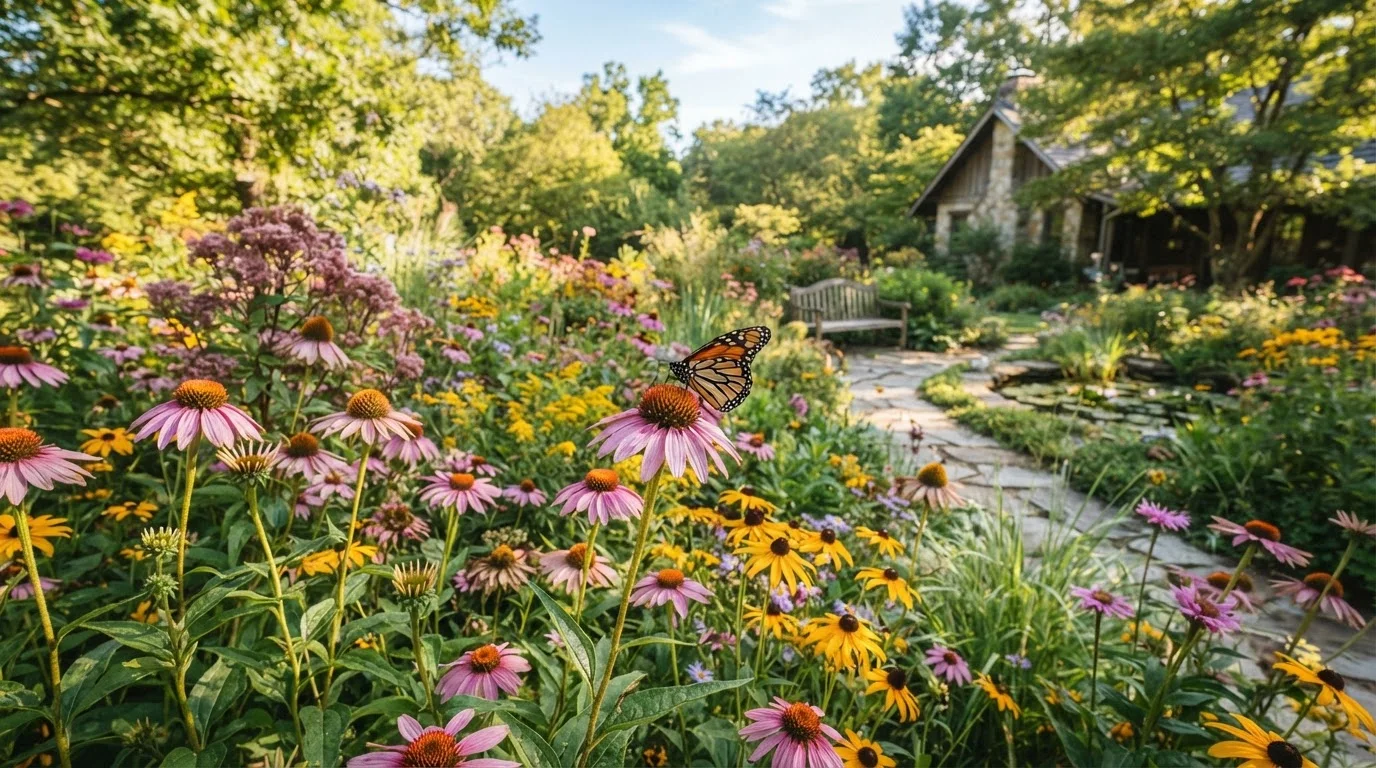
You don't need to replace your entire landscape to make a meaningful difference. A focused patch of native plants - even a single garden bed - can provide real habitat value, particularly for pollinators. Here's how to approach it thoughtfully.
Start with your site conditions
Before selecting plants, assess your yard's light levels, soil drainage, and moisture patterns. Native plants are adapted to specific conditions; matching species to your site is more important than any other factor. A sunny, dry slope calls for different natives than a shaded, moist corner near a downspout.
Source true regional natives
Look for plants labeled with their botanical (Latin) names and confirmed as native to your ecoregion, not just the broader country. Reputable native plant nurseries and native plant society sales are reliable sources. Be cautious with cultivars (plant varieties bred for specific traits like unusual flower color) - while often sold as natives, some cultivars may have reduced value to specialist insects compared to straight species.
Think about plant community, not just individual plants
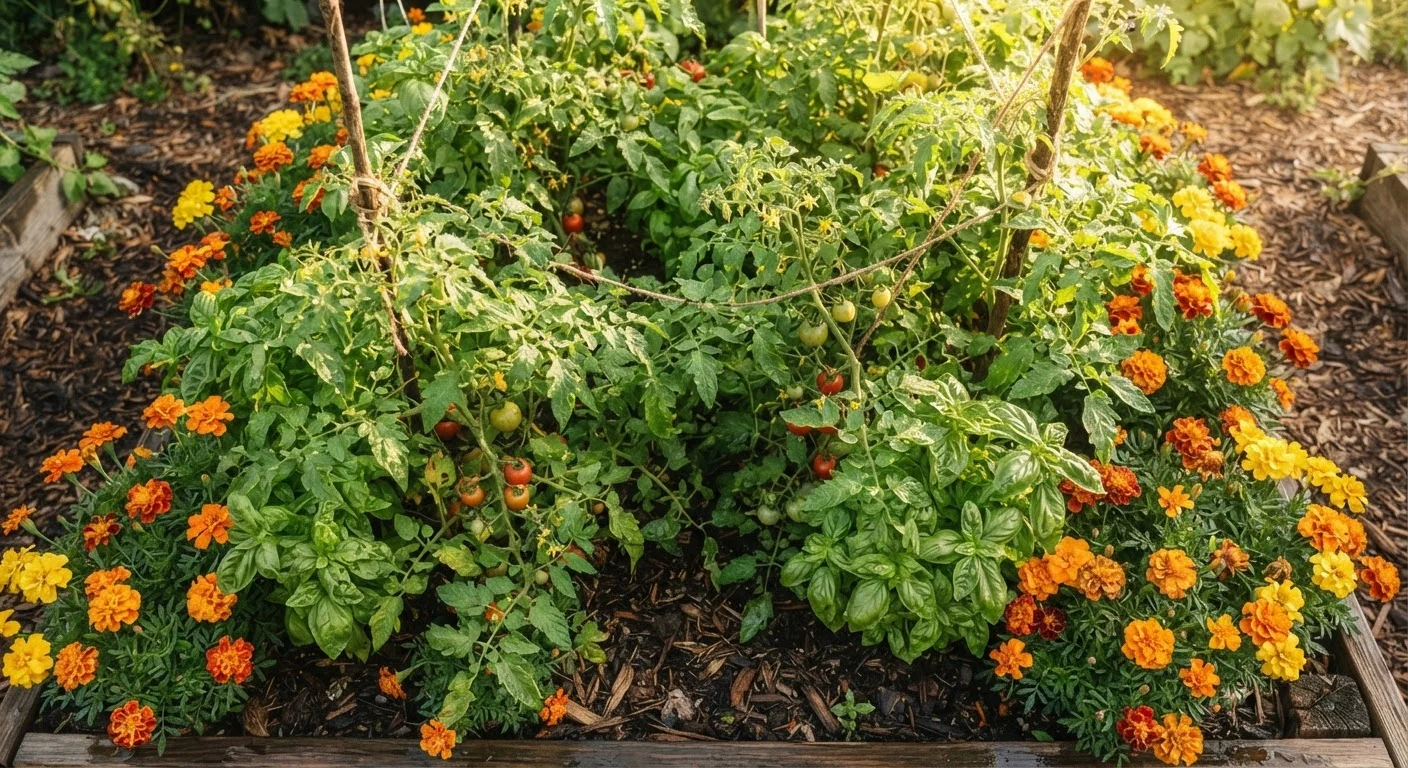
Native ecosystems include layers - trees, shrubs, perennials, and ground covers. Mimicking that layered structure, even modestly, creates more functional habitat. Pairing a native shrub with native perennials below it, for instance, supports a wider range of wildlife than a single-species planting. Our guide on companion planting can help you think about productive plant pairings.
Plan for establishment
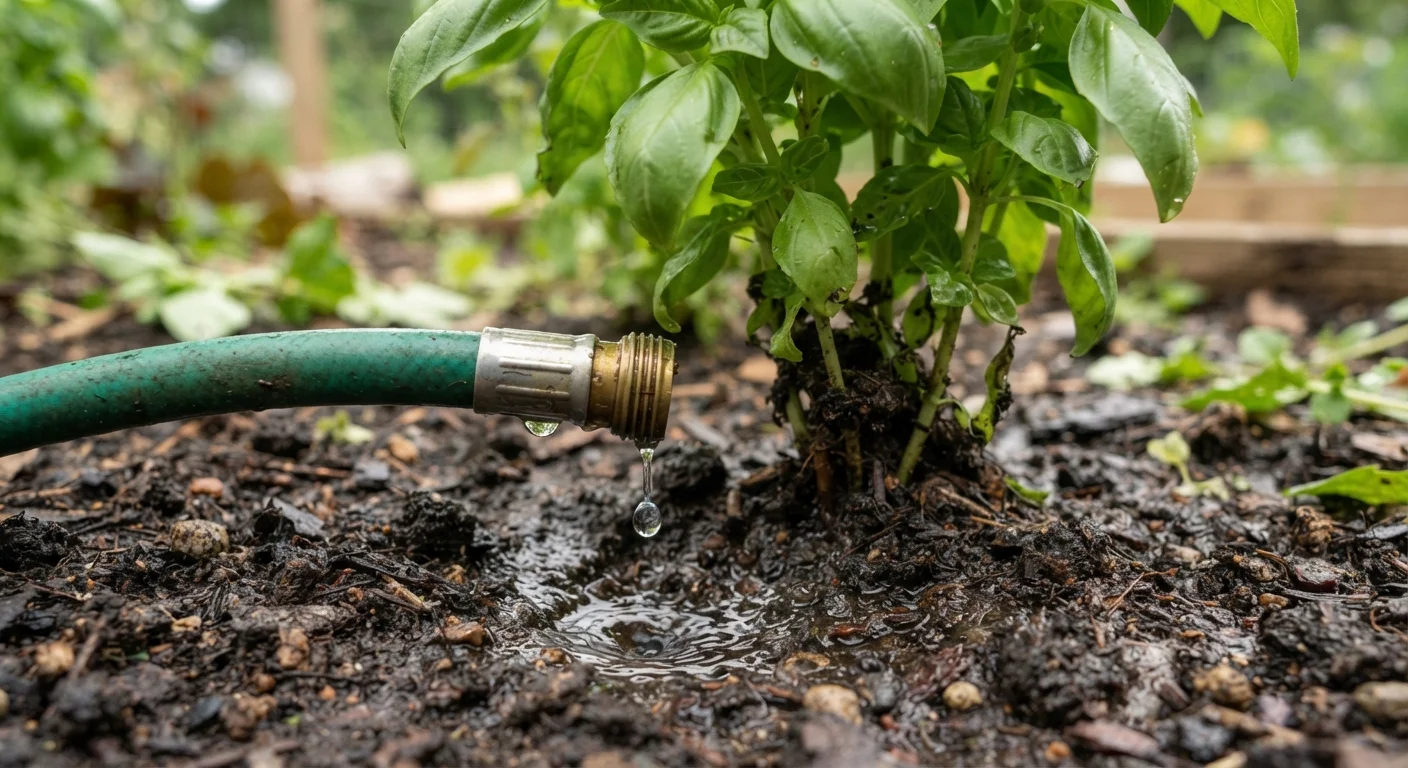
Most natives need one to two growing seasons to establish before they show their full resilience. Watering deeply but infrequently during dry spells in year one encourages deep root development. After that, many natives thrive with little intervention. If you're working with existing garden beds, our overview of raised beds versus in-ground planting can help you decide on the right setup.
Start Small and Build Gradually
Converting even a 4-by-8-foot area from turf or non-native ornamentals to regional natives creates measurable habitat benefit. Beginning small lets you learn which species thrive in your specific conditions before scaling up. Many gardeners find that early success with a modest native planting builds the confidence to expand over subsequent seasons.