What a Product Category Actually Is
A product category is more than a shelf label or a website menu item. It is a structured classification that groups products sharing similar characteristics, functions, or consumer purposes. When a manufacturer designs a product, it is built with a category in mind - this shapes everything from packaging dimensions to the language used in marketing materials.
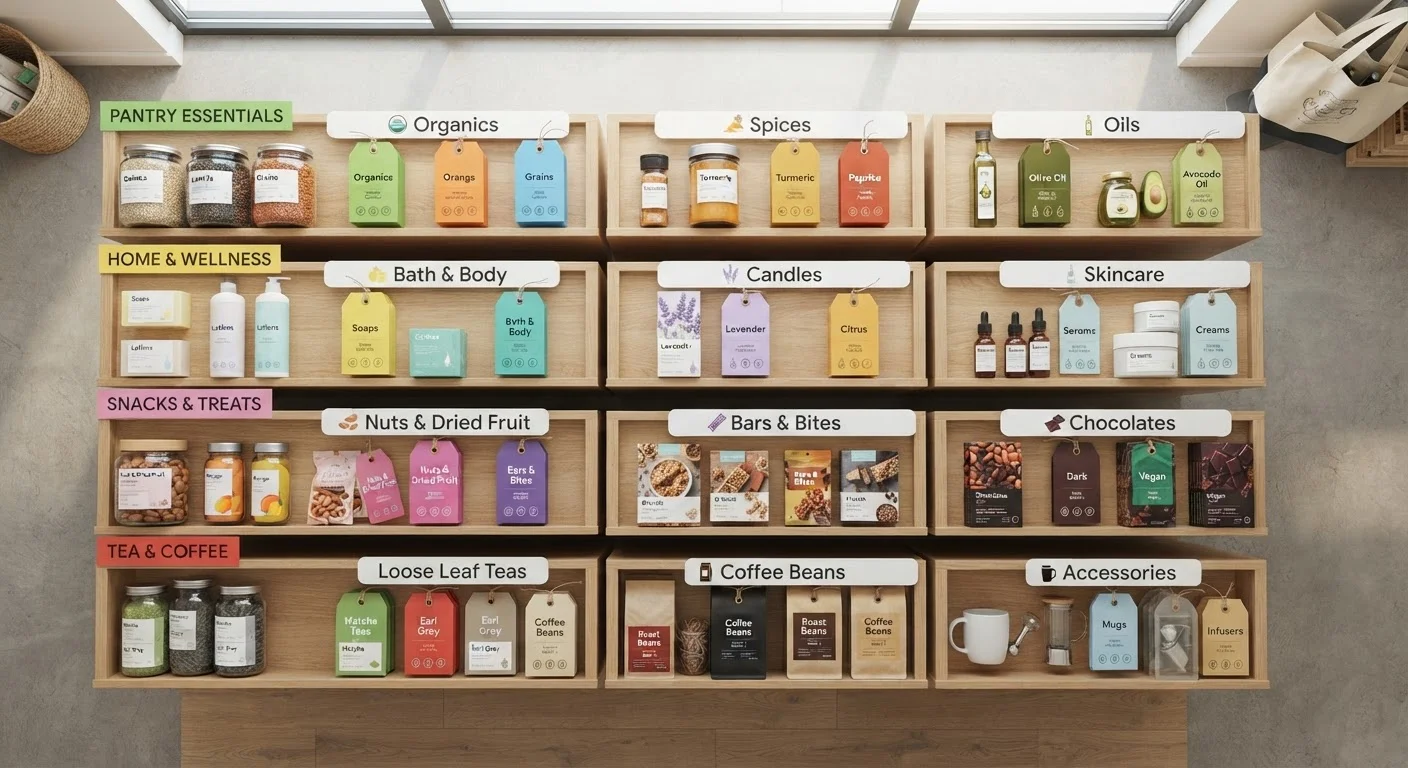
Categories exist at multiple levels of specificity. Broad categories like Appliances or Personal Care sit at the top. Beneath them are subcategories - Small Kitchen Appliances or Skincare - and then even narrower groupings like Air Fryers or Moisturizers for Dry Skin. This hierarchical structure is called a taxonomy, and it governs how products are indexed, searched, and displayed.
Consumers interact with taxonomies constantly without realizing it. Every time you filter search results by type or browse a store's department structure, you are navigating a classification system built by either the retailer or a third-party data provider.
Product category
A grouping of products that share similar characteristics, intended uses, or consumer needs - used by both retailers and manufacturers to organize their offerings.
SKU (Stock Keeping Unit)
A unique internal code assigned to each individual product variant a retailer stocks, used to track inventory and distinguish one version of a product from another.
Product tier
A level within a product line - typically entry, mid-range, or premium - that reflects price point and feature set, often used by manufacturers to serve different budget segments.
Taxonomy
A structured classification system that organizes products into categories and subcategories, making it easier to search, filter, and compare items.
Product line
A set of related products offered by a single manufacturer under one brand, usually sharing design language, technology, or target audience.
SKU family
A cluster of product variants that share a base model but differ in attributes like color, size, or configuration - treated as one product concept with multiple listings.
How Classification Systems Are Built
Retailers and manufacturers don't always agree on where a product belongs - and that gap matters for shoppers. Manufacturers classify products internally based on how they are made, what platform or technology they use, and which consumer segment they target. Retailers reclassify those same products to optimize their own store layouts and search algorithms.
Large retail platforms often license standardized category databases from third-party providers, then customize them. The result is that the same product may appear in different categories depending on where you encounter it. A smartwatch might be in Wearable Technology at one retailer and Watches & Accessories at another - both technically accurate, but framing the product differently.
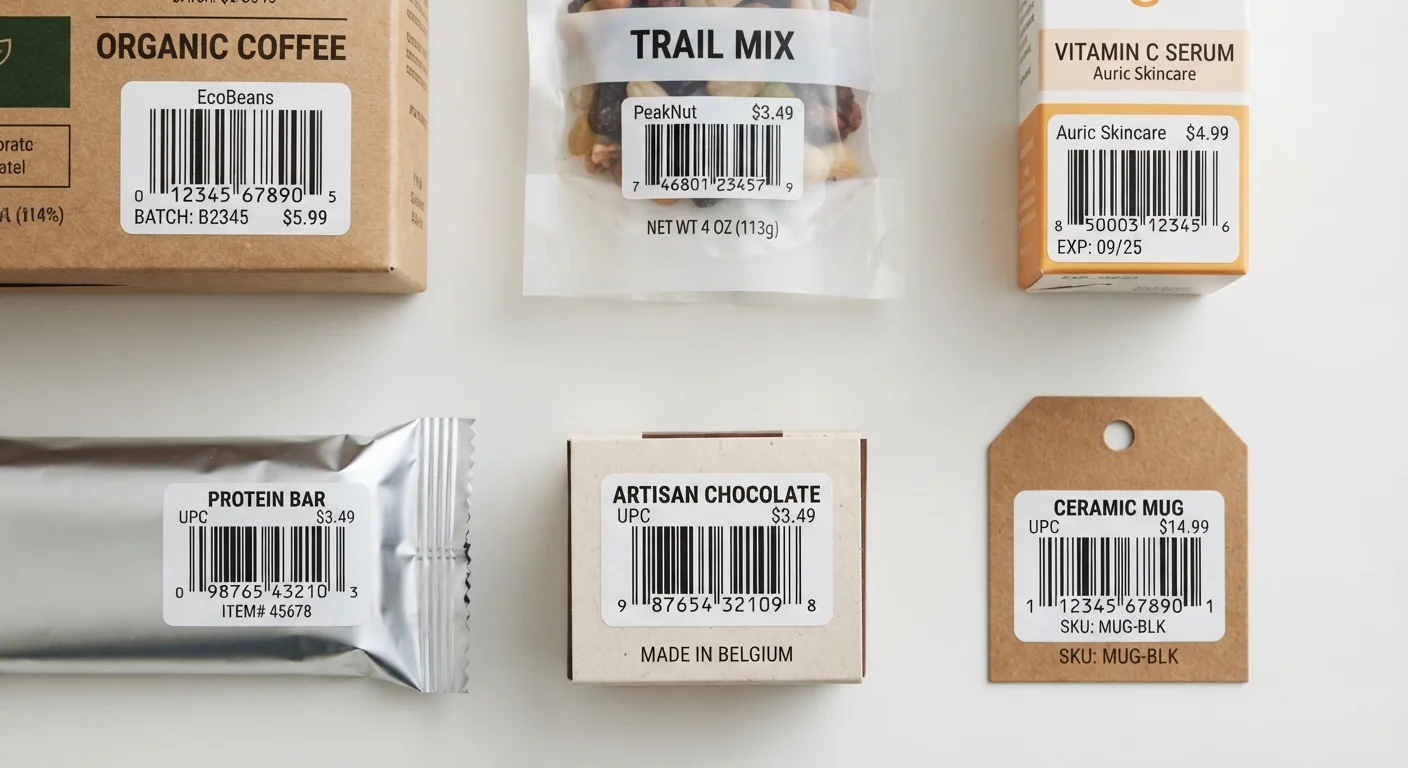
This is directly connected to how product identifiers like SKUs are assigned. Each unique product variant receives its own SKU, and that SKU is mapped to a category within a retailer's system. For a deeper look at how those identifiers work, see our guide to UPC codes, SKUs, and barcodes.
Category Names Vary by Retailer
Two major retailers may shelve the same product under entirely different category names. One might list a portable speaker under 'Electronics > Audio,' while another places it under 'Home > Smart Home.' This inconsistency is intentional - each retailer builds its taxonomy around its own shoppers' search behavior, not a universal standard.
Product Tiers and Lines Within Categories
Inside any given category, manufacturers typically organize their offerings into product tiers - entry-level, mid-range, and premium. These tiers serve different buyer budgets and use cases, but they also serve a strategic purpose for the manufacturer: capturing revenue across a wide price spectrum while maintaining a single brand identity.
A product line bundles related SKUs under one sub-brand or model family. Within a line, individual SKUs may differ only in color, capacity, or minor feature additions - these variants form a SKU family. Recognizing when two listings are really part of the same SKU family can prevent you from paying more for a trivial difference.
Premium Tier Doesn't Always Mean Better
Manufacturers sometimes create premium product lines with added features that don't meaningfully affect performance for most use cases. A higher tier placement can reflect aesthetics, brand positioning, or bundled accessories rather than core quality improvements. Always weigh which features actually matter for your intended use.
It's also worth noting that category boundaries shift over time. When streaming devices first emerged, they were placed in Computers & Networking by many retailers before eventually earning their own subcategory. Products at the frontier of new technology often land in whichever existing category creates the least friction, which can make comparison shopping harder.
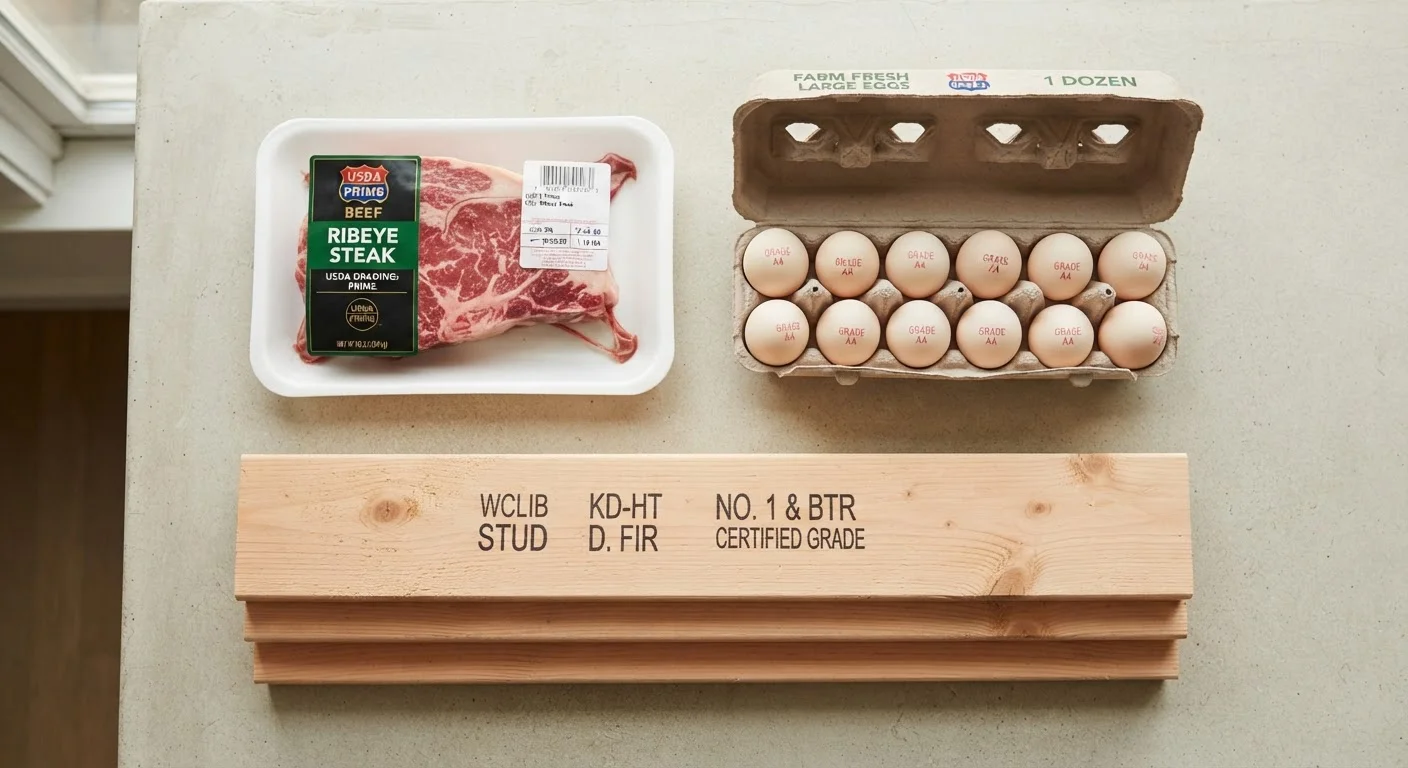
For a related look at how quality distinctions are formalized in some industries, our guide to product grading explains how grading systems work across categories like food and building materials.
Use Category Filters Strategically
When shopping online, drill down through subcategory filters before comparing prices. A 'blender' search may return single-serve personal blenders alongside commercial-grade countertop models - very different products at overlapping price points. Filtering by subcategory surfaces a more accurate comparison set.
Why This Matters When You Shop
Understanding category structure gives you a practical edge before you reach the checkout. When you know a product's tier and subcategory, you can compare it against genuine equivalents rather than mixing entry-level and premium versions side by side. A price difference that looks significant can disappear once you realize you're comparing items from different tiers or even different subcategories.
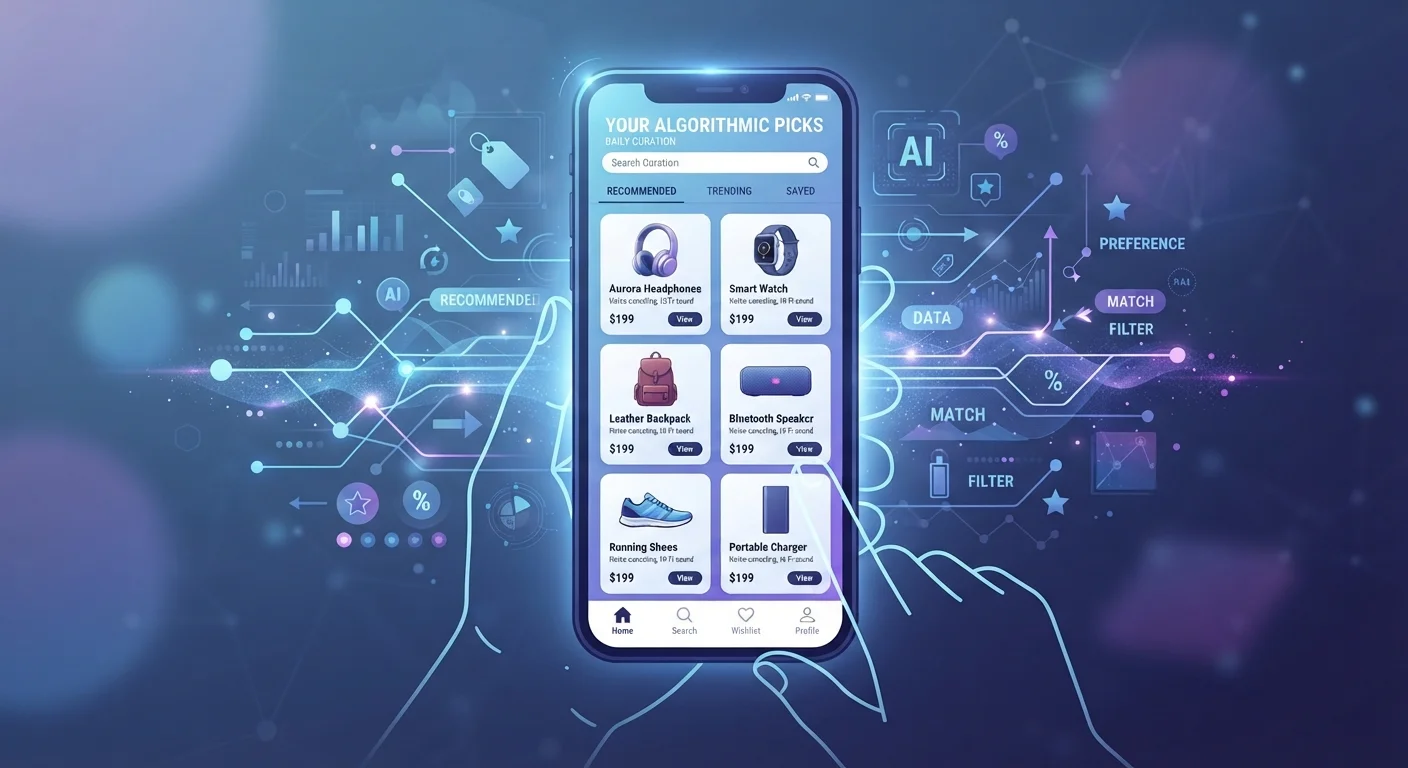
Category placement also shapes what algorithmic recommendations surface to you. Retailers use your browsing history within categories to predict what to show next - which means the category you start in can narrow or widen the options you ever see.
Finally, recognizing category logic helps separate a structurally good purchase from one that merely looks attractive at a given price. That distinction is explored further in our piece on separating a good deal from a good purchase. The Smart Habits hub covers more frameworks like this for building informed purchasing decisions.