The Three Identifiers You Encounter Every Day
Walk through any grocery or retail store and you'll find products plastered with strings of numbers and black-and-white stripes. Most shoppers ignore them entirely. But these codes - UPCs, SKUs, and barcodes - form the backbone of how modern retail tracks and prices everything it sells.
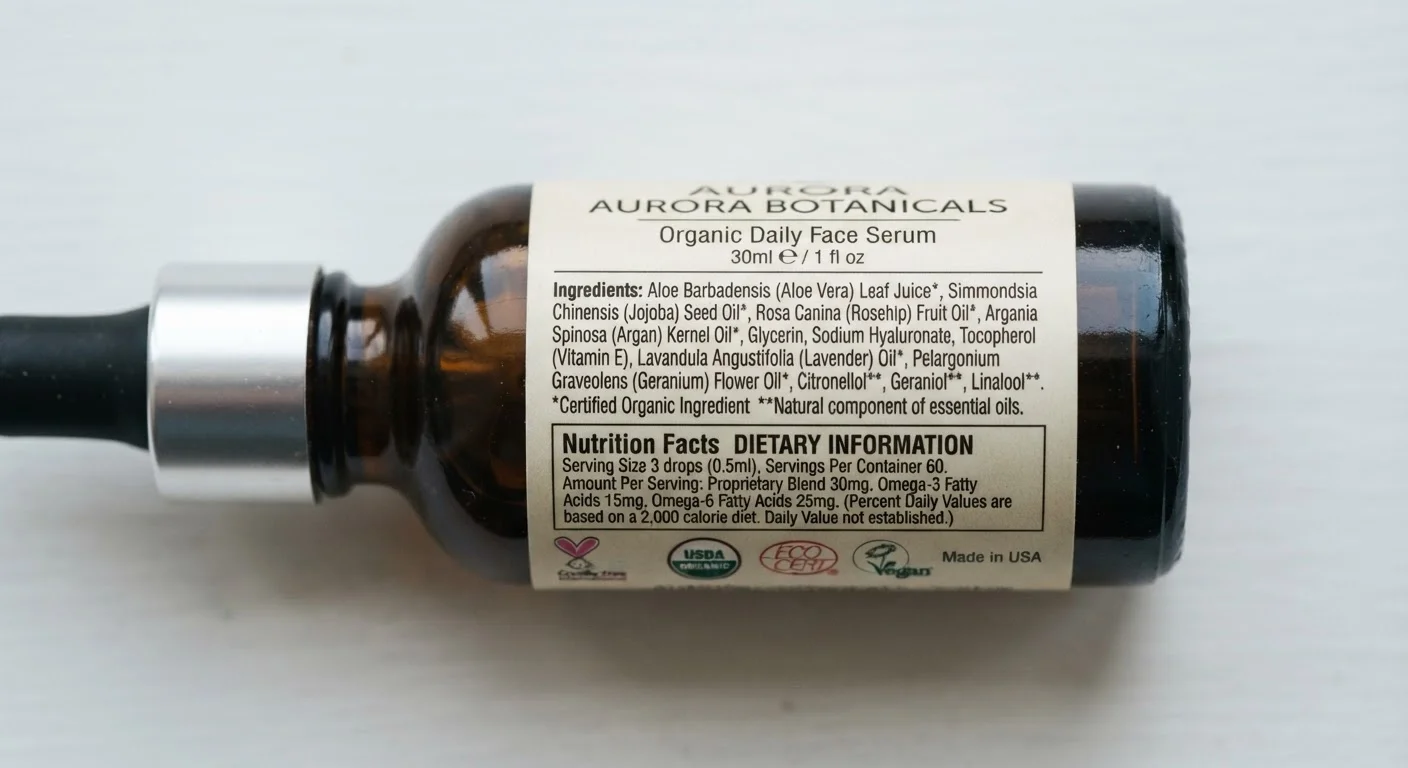
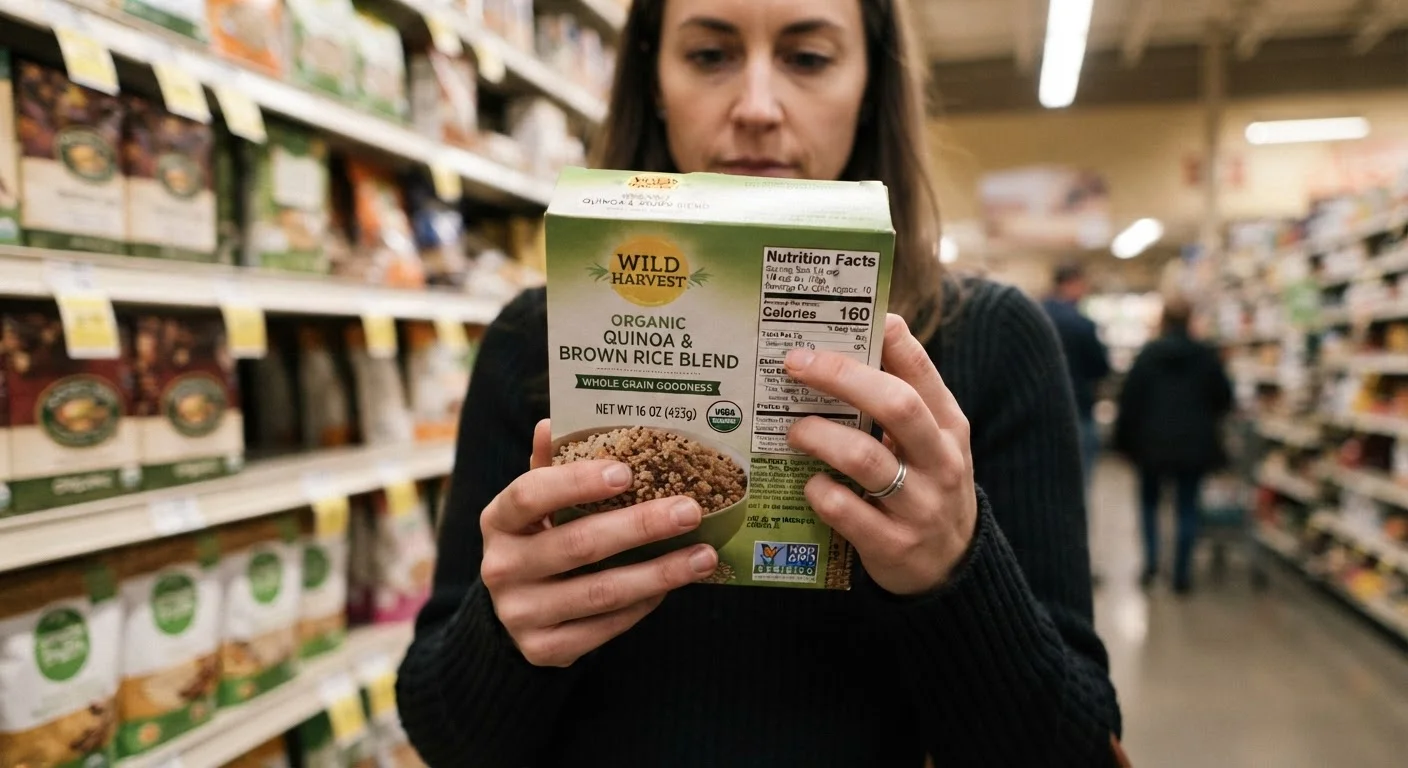
Understanding the distinction between them is simpler than it looks, and it gives consumers a practical edge when comparing products, verifying authenticity, or making sense of what they're actually buying. As you get more comfortable reading product packaging, consider pairing this knowledge with the broader guidance in our guide to what product labels are actually telling you - the two skills work together.
6+ billion
Barcodes scanned globally every day
GS1 estimates that more than six billion barcode scans occur daily across retail, healthcare, and logistics worldwide.
12 digits
Standard UPC code length in the US
The 12-digit UPC-A format has been the US retail standard since its introduction in supermarkets in 1974.
1974
Year the first UPC was scanned at retail
The first commercial barcode scan occurred at a Marsh supermarket in Troy, Ohio, on a pack of Wrigley's chewing gum.
UPCs: Universal Identifiers Across Every Store
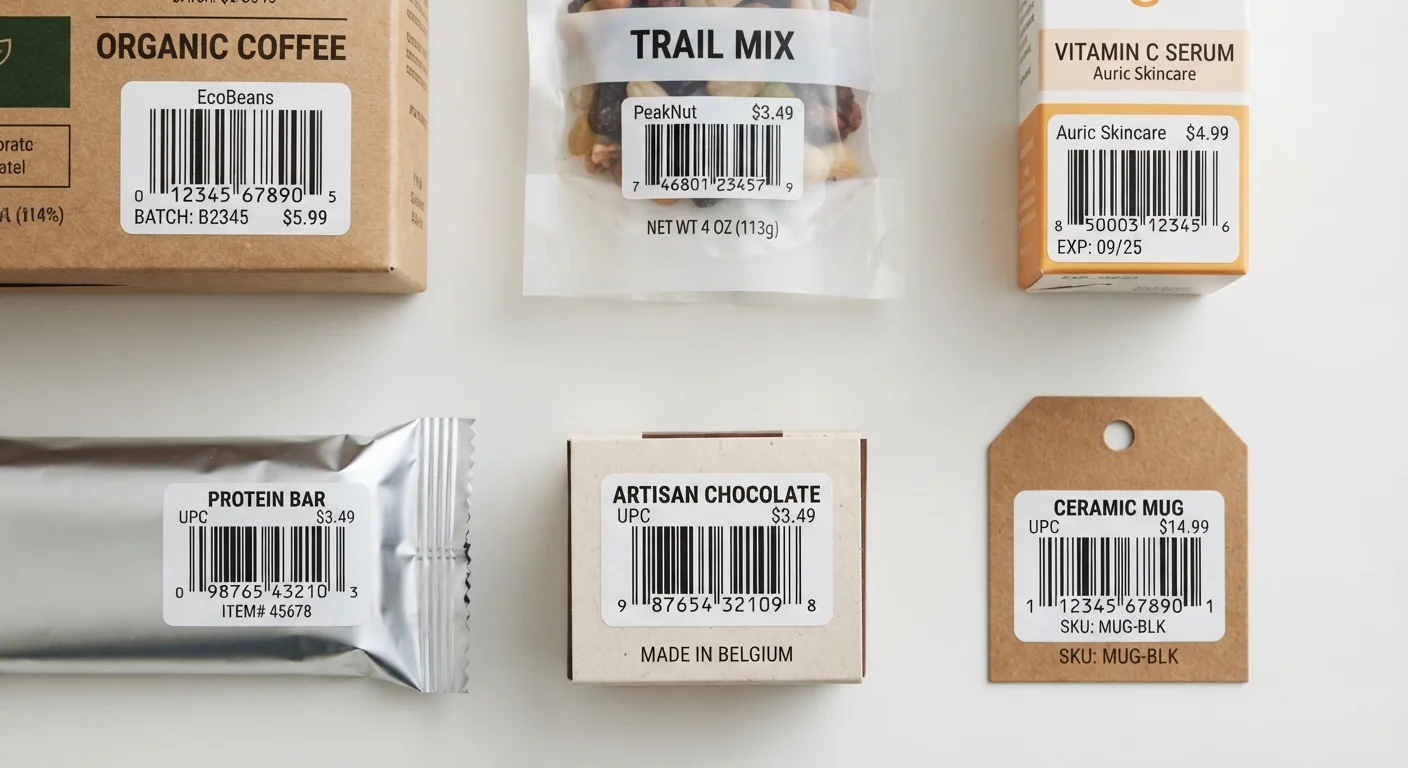
A Universal Product Code (UPC) is a globally standardized 12-digit number assigned to a specific product at the time it's registered for retail sale. The number is managed through GS1, a global nonprofit standards body, which ensures no two distinct products share the same code.
Every variation of a product - different size, color, or configuration - gets its own unique UPC. A 12-ounce bottle of shampoo and a 20-ounce bottle of the same shampoo will carry different UPCs, even if they're otherwise identical in formula. This granularity is what allows retailers and supply chains to track inventory with precision.
For consumers, this consistency is useful: because a UPC is universal, the same code appears on the same product regardless of which store sells it. That makes UPCs a reliable tool for comparing products across different retailers or looking up product information online.
UPCs vs. EANs: A Note on International Products
Outside the US, many products use a 13-digit code called an EAN (European Article Number), also known as an International Article Number. EANs are compatible with UPC systems - most modern retail scanners can read both. When shopping for imported goods, you may notice a 13-digit code rather than the standard 12-digit US UPC.
SKUs: Internal Codes That Vary by Retailer
A SKU - pronounced "skew" and short for Stock Keeping Unit - is an internal tracking code created and used by an individual retailer or business. Unlike UPCs, SKUs are not standardized, which means the same physical product will carry a completely different SKU at Target than it does at a regional hardware chain.
Retailers design SKUs to encode information that's useful to their own operations: department, category, color, size, and often a sequence number. A SKU might look like EL-BLU-LG-0042, where each segment tells a warehouse worker or inventory system something specific about the item.
From a consumer perspective, SKUs matter most when dealing with customer service - referencing a SKU when returning or reordering an item can help store associates locate the exact product quickly. They're also commonly used in online shopping carts and order confirmations. For a broader look at how this kind of classification system works, see our article on how retailers and manufacturers classify what they sell.
Use UPCs to Cross-Check Listings Online
When shopping online, look for the UPC or manufacturer part number in product listings and compare it to what's printed on the physical package if you have one. Because UPCs are standardized, a matching code confirms you're looking at the same product - not a similar substitute or a different configuration.
Barcodes and Beyond: How the Data Gets Read
A barcode is simply the visual, machine-readable encoding of a number - most commonly a UPC. The parallel black bars and white spaces represent binary data that a scanner translates back into digits in milliseconds. Traditional one-dimensional barcodes like those on grocery items encode only numbers.
QR codes, by contrast, are two-dimensional and can hold far more information - including URLs, text strings, and links to dynamic content. Many brands now use QR codes alongside or instead of traditional barcodes to connect physical products to digital resources like ingredient databases, instructional videos, or authenticity verification pages.
Knowing how these systems work can help consumers become more confident evaluators of any product they encounter. The broader practice of reading product information critically is covered in our guide on smart habits for evaluating any product category.