
Why Generic Evaluation Skills Matter More Than Category Expertise
Most shoppers develop deep knowledge in one or two categories - maybe appliances, or running shoes - and then struggle when they're outside that territory. The better investment is building a portable set of evaluation habits that transfer across any product type, from kitchen tools to skincare to outdoor gear.
These habits don't replace category-specific research. They give you a reliable starting framework so you're not starting from zero every time. Think of them as the underlying grammar that works across different languages. Once you understand how to read a product - its claims, its context, its classification - unfamiliar categories become far less disorienting.
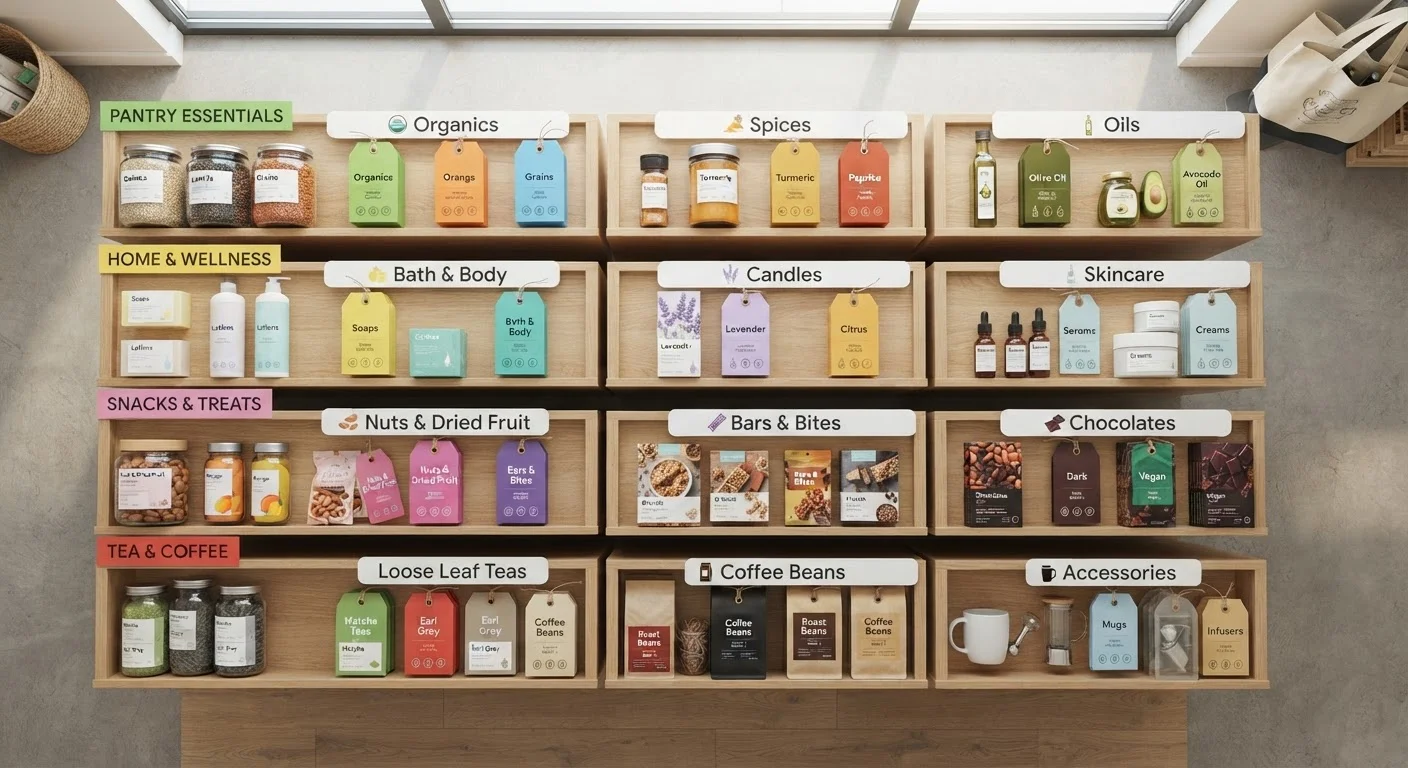
Understanding how retailers and manufacturers organize their offerings is a useful foundation. How products are classified and tiered affects which items are genuinely comparable and which are in different leagues entirely.
Core Practices for Evaluating Any Product
The following practices apply whether you're assessing a new category for the first time or re-evaluating something you've bought before.
Separate descriptive claims from verified specifications
Words like 'premium,' 'professional-grade,' and 'advanced formula' are marketing language with no standardized meaning. Verifiable specifications - dimensions, material composition, tested performance metrics - give you something concrete to compare. Conflating the two leads to decisions based on impression rather than substance.
Identify who the product is actually designed for
Products are developed for specific use cases, and using something outside its intended context usually means underperforming results or poor value. Manufacturers often tier their lines - consumer, prosumer, professional - and the distinctions matter more than the branding.
Check what the price actually reflects in that category
Price signals vary enormously by category. In some markets, cost reliably tracks material quality. In others, you're largely paying for brand positioning or packaging. Understanding the pricing norms of a specific category prevents you from using cost as a quality proxy where it doesn't apply.
Look for the absence of information, not just its presence
What a product listing or package omits is often as revealing as what it includes. Vague sourcing, no listed ingredients or materials, missing country of origin, or absent testing data are all worth noting. Reputable products in regulated categories typically have to provide certain disclosures.
Contextualize reviews by looking at review patterns, not just scores
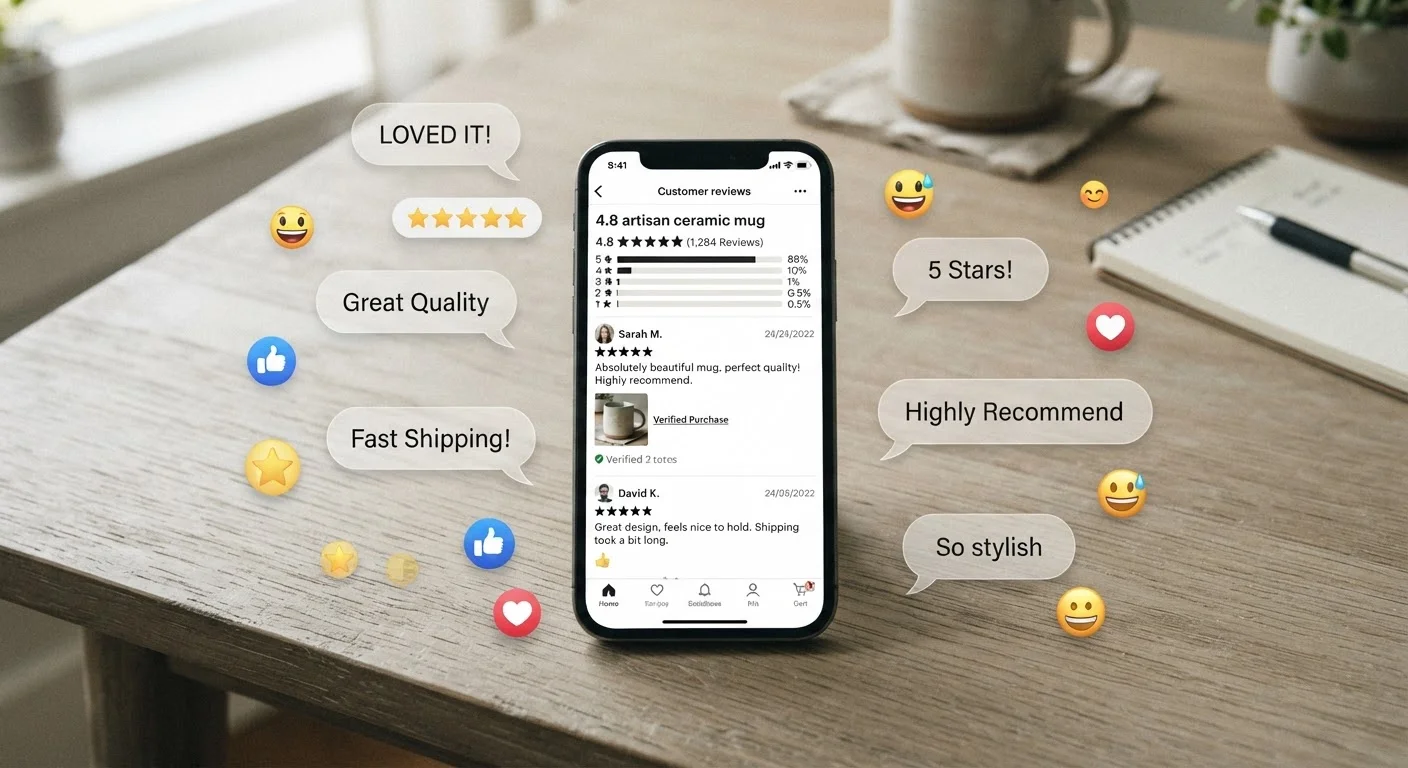
An aggregate star rating is a blunt instrument. Review distribution, recency, and the specificity of written feedback give a more useful picture. A product with a 4.2 average built mostly on vague five-star reviews may be less reliable than one with a 4.0 built on detailed, use-case-specific feedback.
What to Look At - and What to Look Past
Most product presentations are built around persuasion, not information. Packaging, imagery, and positioning are designed to create associations rather than convey facts. Developing the habit of mentally separating signal from noise is more valuable than any checklist.
How to Spot Meaningful vs. Decorative Claims
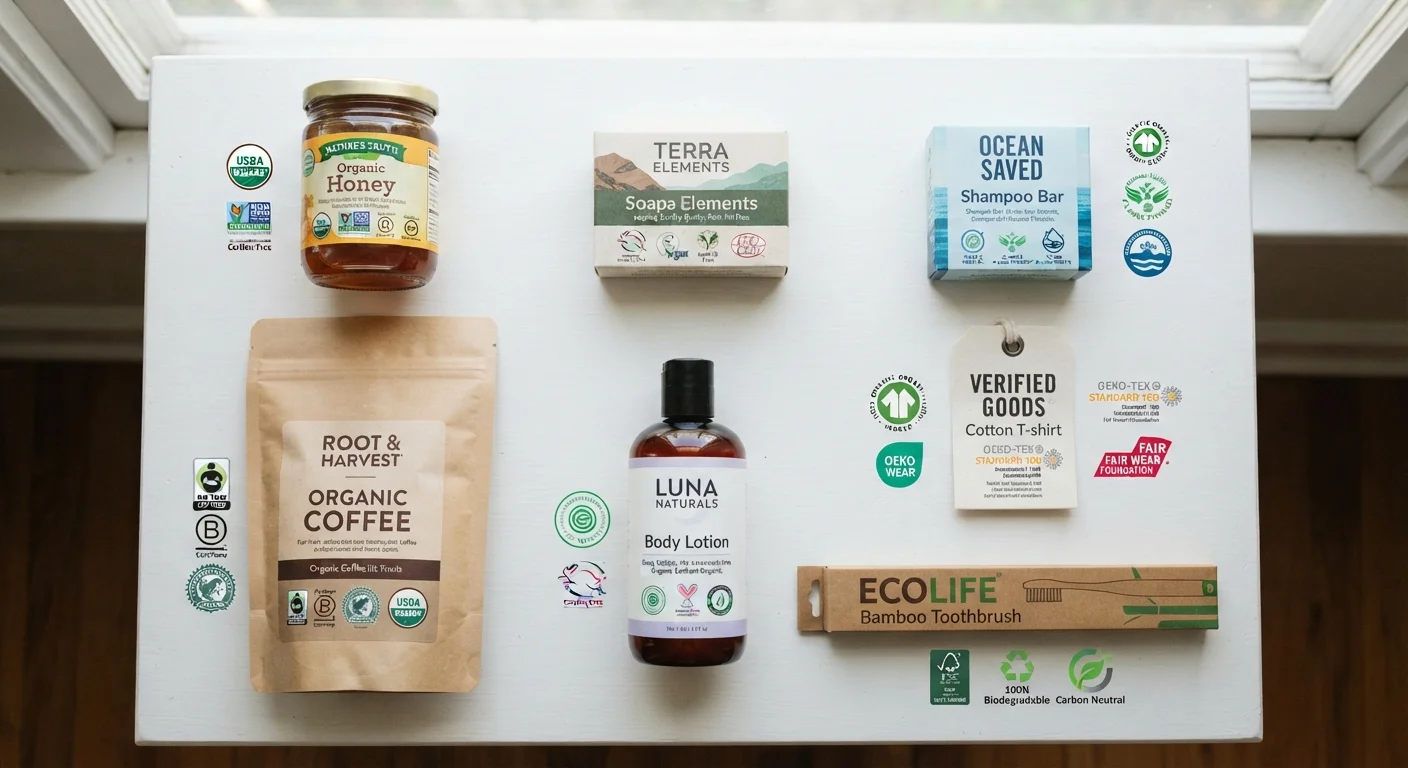
When a claim appears on packaging, ask: is this defined by an external standard, or written entirely by the manufacturer? Phrases like 'eco-friendly' and 'natural' have no universal legal definition in most US product categories. By contrast, certifications like USDA Organic or ENERGY STAR are granted by third parties against defined criteria. The presence of a certifying body - not just a logo - is what gives a claim traction.
One concrete test: ask whether a claim on the packaging is independently verifiable. "Dermatologist-tested" may mean one dermatologist looked at it once. "NSF Certified" has a defined, auditable standard behind it. Understanding what major product certifications actually stand for helps you quickly assess which labels carry real weight.
Review platforms add another layer of complexity. Star ratings reflect far more than product quality - platform incentives, reviewer demographics, and recency bias all play a role. What shapes consumer ratings beyond product quality is worth understanding before you weight any aggregate score too heavily.
42%
Shoppers who regret impulse purchases
According to a 2023 Bankrate survey, roughly 4 in 10 American adults reported making at least one impulse purchase they later regretted in the prior three months.
66%
Consumers who trust online reviews as much as personal recommendations
BrightLocal's annual Local Consumer Review Survey has consistently found that a substantial majority of consumers treat online reviews with the same weight as word-of-mouth.
Building the Habit Over Time
Evaluation skill improves with deliberate reflection. The shoppers who make consistently sound decisions aren't better researchers at the point of purchase - they've accumulated better judgment from reviewing what they've already bought.
Making it a practice to reflect on purchases after the fact - what you actually used, what disappointed you, what surprised you - feeds directly back into how you read the next product. Over time, that loop is what separates reactive buying from genuinely informed decisions.
Before any non-routine purchase, it's also worth pausing to run through a brief self-check. A structured set of questions before adding to cart can surface motivations and alternatives you might not otherwise consider. And when a low price is part of the appeal, remember that a discount and a good purchase are not the same thing - knowing how to tell the difference is its own skill worth developing.
Evaluation Habits Aren't the Same as Certainty
Even rigorous pre-purchase evaluation doesn't guarantee a product will meet your needs - individual use cases, installation conditions, and personal preferences all introduce variability. These habits reduce the likelihood of predictable mistakes, but some learning still happens after purchase. That's normal and expected.