What Third-Party Certifications Actually Mean
When a product carries a certification seal, it signals that an independent organization - not the manufacturer - has evaluated the product against a defined set of standards. That independence is the core value: because the certifying body has no financial stake in whether a product passes or fails, the seal carries more credibility than a company's own marketing claims.
Not all certifications are equally rigorous, however. Some require on-site audits, lab testing, and annual recertification. Others are essentially self-reported or based on a fee and a form. Understanding who grants a certification and what they require is the essential first step.
For a broader look at how labels signal quality and compliance, see what product labels are actually telling you.
| ENERGY STAR Administered By | U.S. Environmental Protection Agency (EPA) (U.S. EPA) |
| USDA Organic Administered By | U.S. Department of Agriculture (USDA) (USDA Agricultural Marketing Service) |
| UL Certification Type | Product safety (electrical, fire, shock hazards) (Underwriters Laboratories) |
| FSC Certification Scope | Responsibly managed forests; wood and paper products (Forest Stewardship Council) |
| OEKO-TEX Standard 100 Scope | Textile products tested for harmful substances (OEKO-TEX Association) |
| Fair Trade Certification Issued By | Fair Trade USA or Fairtrade International (Fair Trade USA) |
Major Certifications by Category
Certifications cluster naturally around product categories. Here are the most commonly encountered seals and what each verifies.
Energy & Environment
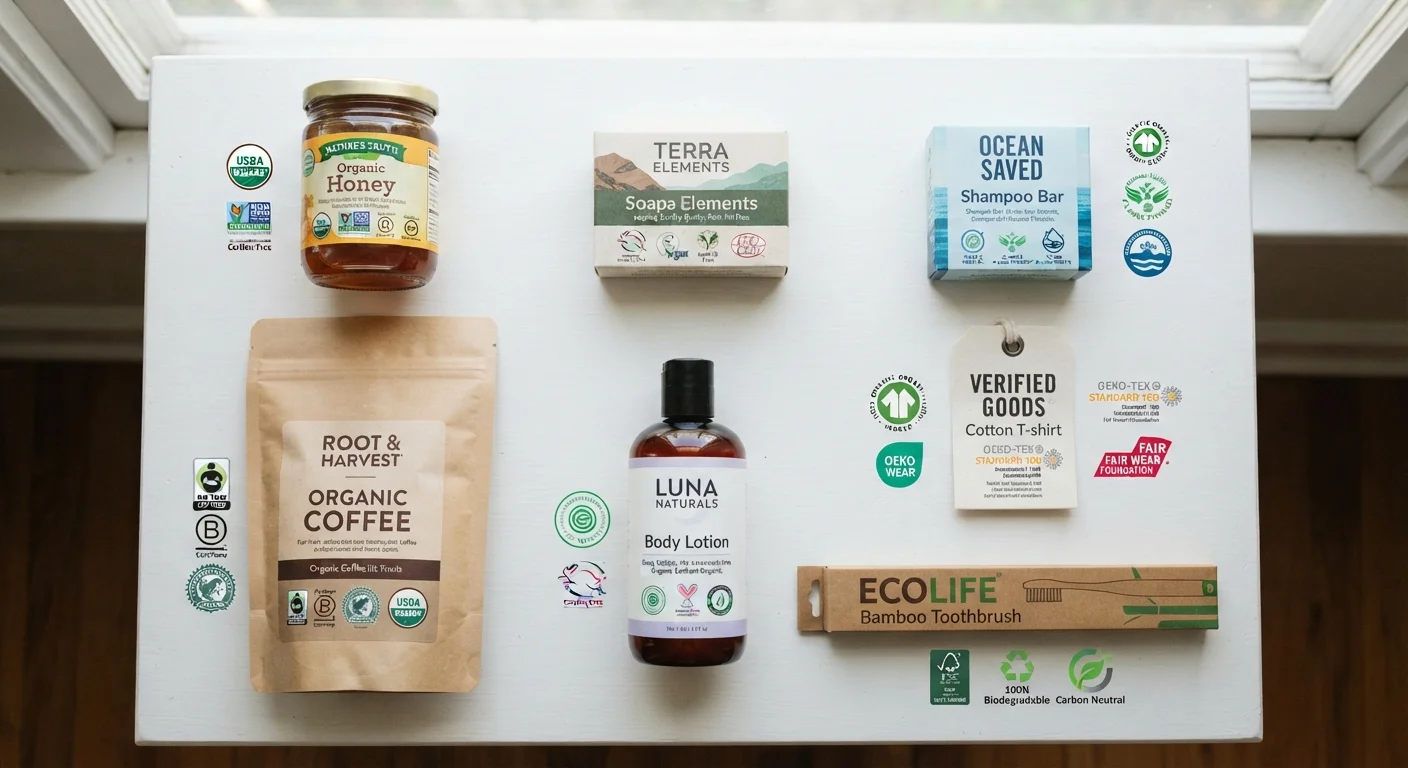
- ENERGY STAR - A program administered by the U.S. Environmental Protection Agency (EPA). Products that earn this mark meet specific energy-efficiency thresholds established by the EPA. It applies to appliances, electronics, lighting, and building products.
- UL Listed / UL Certified - UL (Underwriters Laboratories) is an independent safety certification organization. A UL mark on electrical or electronic products means the product has been tested against established safety standards for fire, shock, and related hazards.
Food & Agriculture
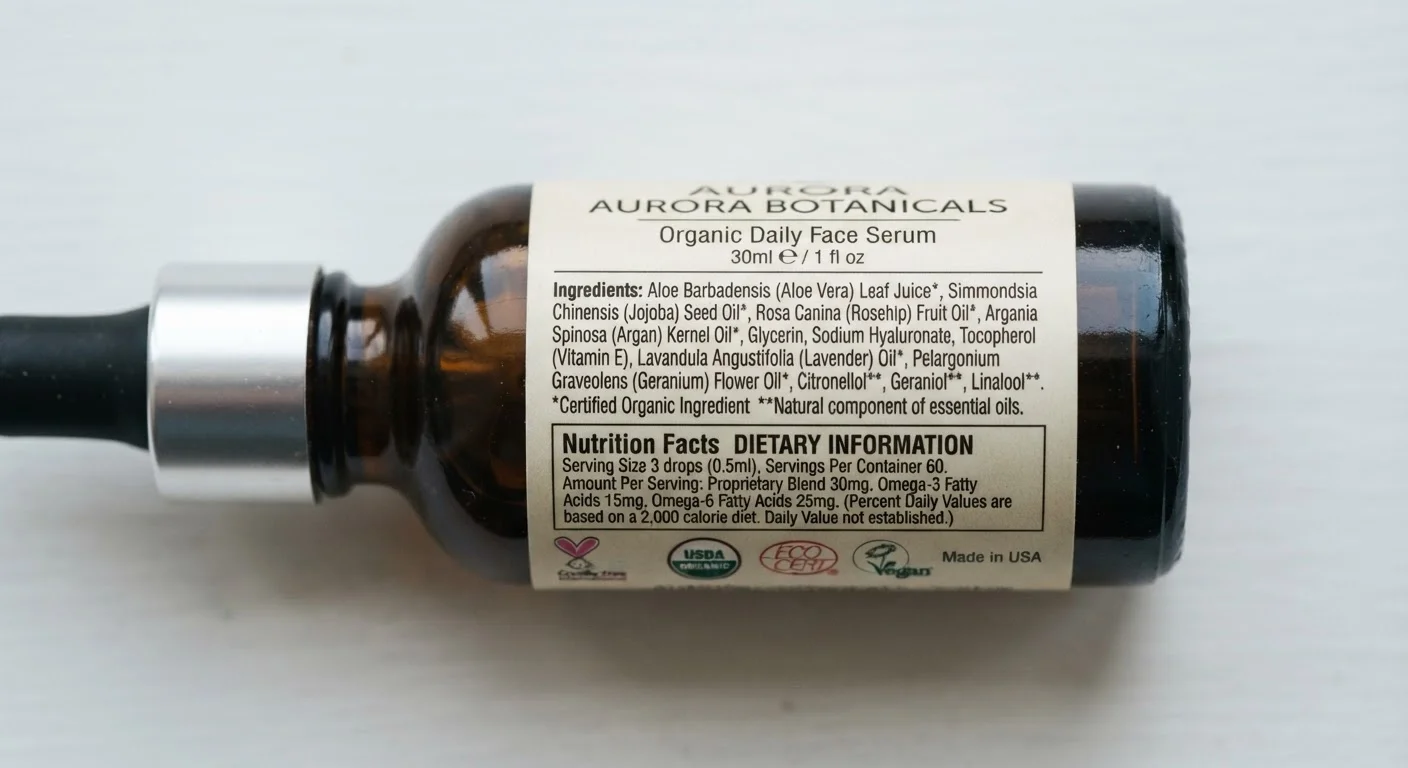
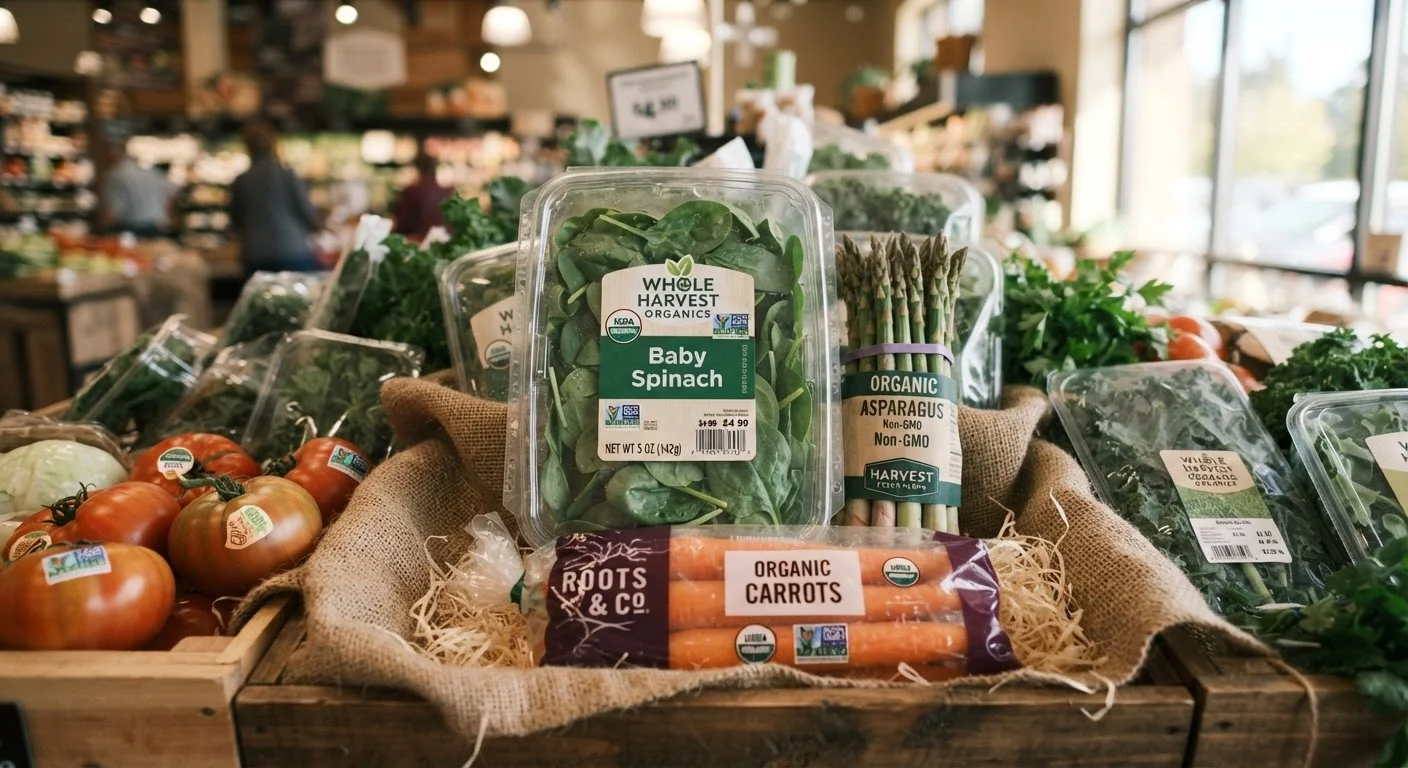
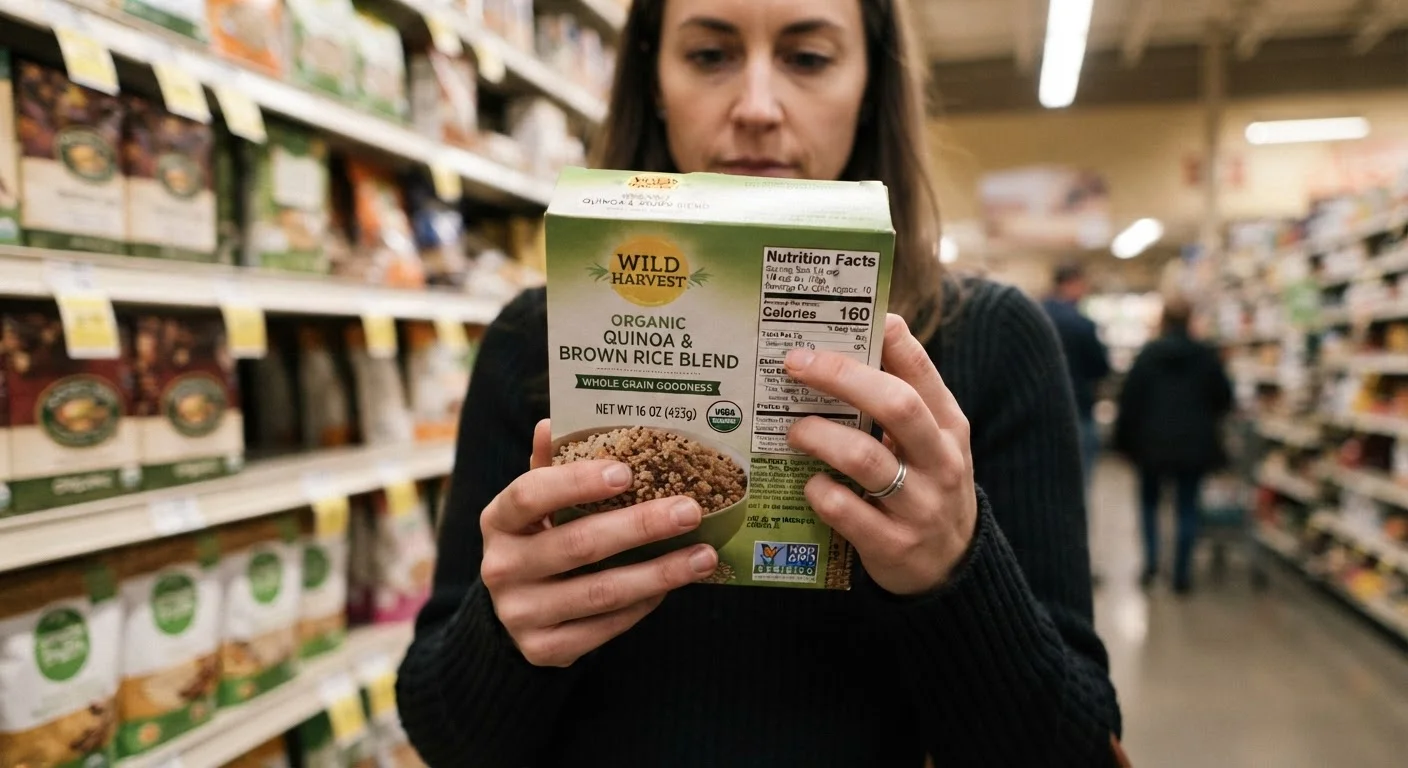
- USDA Organic - Administered by the U.S. Department of Agriculture. Products bearing this seal must meet federally defined standards for how food is grown and processed, restricting most synthetic pesticides and fertilizers. For a deeper comparison of related food label terms, see how organic differs from natural and non-GMO.
- Non-GMO Project Verified - A nonprofit-run program in North America. Verification requires ongoing testing and supply chain traceability; it does not certify organic growing practices.
Labor & Trade
- Fair Trade Certified - Granted by Fair Trade USA or Fairtrade International. Verifies that producers in developing countries received fair wages and worked under safe conditions. Applies broadly to coffee, cocoa, apparel, and other goods.
- Rainforest Alliance Certified - Focuses on farms and forests meeting environmental and social sustainability criteria. The green frog seal appears on coffee, tea, bananas, cocoa, and some wood products.
Materials & Manufacturing
- FSC Certified - The Forest Stewardship Council certifies that wood or paper products come from responsibly managed forests. The chain-of-custody standard tracks materials from forest to finished product.
- OEKO-TEX Standard 100 - Tests textiles for harmful substances at every stage of production. Commonly found on clothing, bedding, and baby products.
Third-party certification
An evaluation performed by an organization that is independent of both the manufacturer and the buyer. The certifying body assesses whether a product or process meets a defined set of standards before awarding a seal.
Chain of custody
A documented process that tracks materials or products through every stage of production and distribution. Used in certifications like FSC to verify that a certified material is not mixed with non-certified sources.
Self-certification
A process where a company declares its own compliance with a standard without independent verification. It carries less assurance than programs requiring external auditing.
Recertification
A periodic renewal process in which a product or facility is re-evaluated against certification standards. It ensures ongoing compliance rather than a one-time approval.
Audit
A formal review conducted by an independent assessor to verify that a company's practices, records, or products meet the requirements of a certification program.
How to Evaluate a Certification You Haven't Seen Before
New seals appear regularly, and not all are created equal. A few practical questions help separate substantive certifications from marketing badges.
- Who issues it? Look for an established nonprofit, government agency, or internationally recognized standards body. A seal issued by a brand's own foundation warrants more scrutiny.
- What are the standards? Credible programs publish their criteria publicly. If you cannot find detailed requirements on the certifying organization's website, that is a meaningful gap.
- Is there third-party auditing? Self-certification - where a company simply declares compliance - carries less weight than programs that require independent verification or on-site inspections.
- How often is recertification required? Annual or biennial recertification with updated testing indicates an ongoing commitment, not a one-time stamp.
These same habits apply broadly whenever you evaluate an unfamiliar product. Smart habits for evaluating any product category covers transferable skills for exactly these situations.
Government vs. Nonprofit Certification Bodies
Some well-known certifications - such as USDA Organic and ENERGY STAR - are administered by federal agencies, which means their standards are established through public regulatory processes. Others, like FSC and OEKO-TEX, are run by independent nonprofits with their own governance structures. Neither model is inherently more or less rigorous, but it is useful to know which type you are looking at when assessing a seal's authority.