
Stage One: The Niche Origin
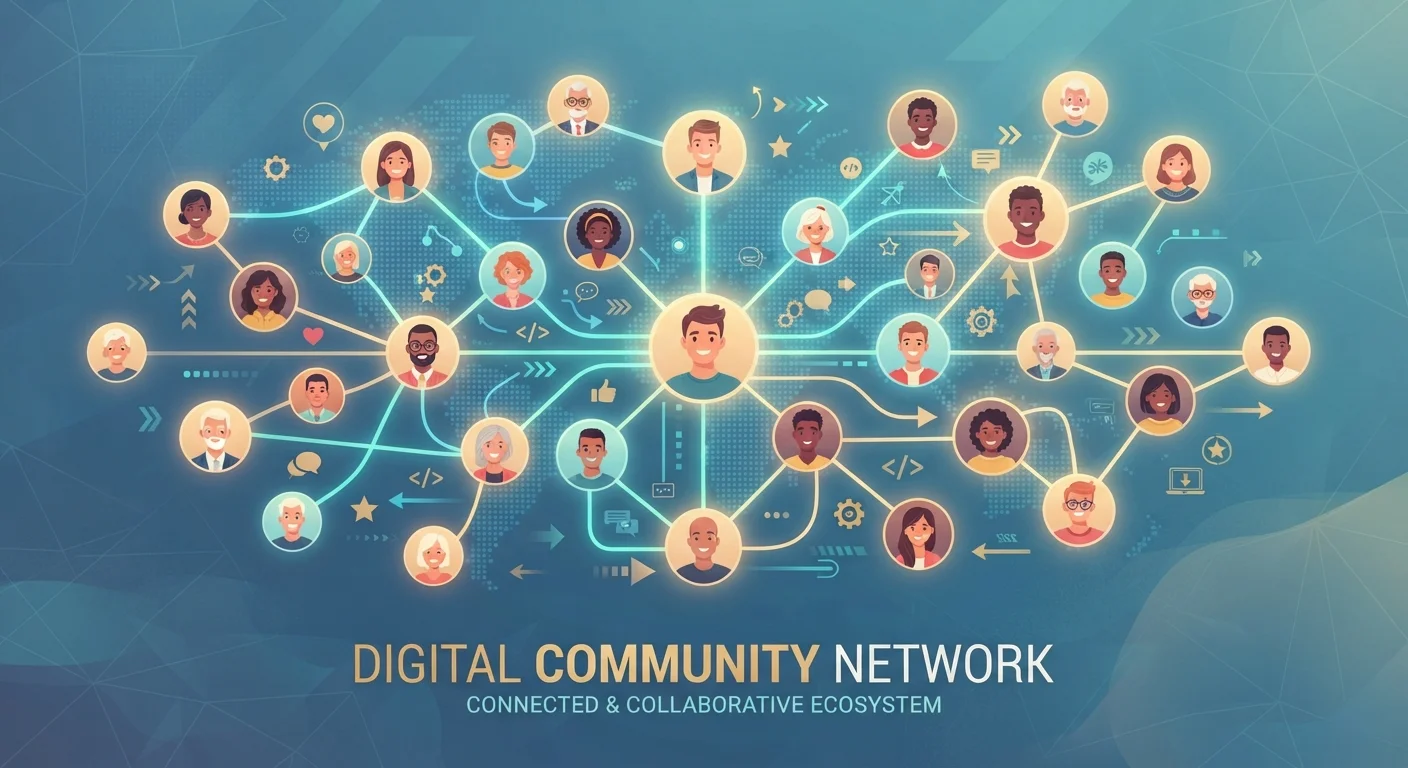
Every traceable internet trend has a point of origin - typically a small, cohesive community united by a shared interest, identity, or sense of humor. These might be subreddits dedicated to a specific hobby, Discord servers built around a game, or image boards organized around subculture aesthetics. What these spaces share is high engagement: members post frequently, respond quickly, and iterate on each other's ideas in rapid cycles.
In these environments, an image, phrase, or behavior can be refined into something shareable within hours. The community acts as both creator and first audience, testing what resonates through immediate feedback. Much of what originates here never leaves - but occasionally something catches enough internal momentum to breach the community's walls.
Understanding what makes online communities function at this level is essential context: tight norms, active participation, and shared vocabulary create the conditions that generate culturally sticky material in the first place.
Stage Two: Bridge Communities and Early Adoption
The second stage involves what sociologists might call "bridge" communities - mid-sized platforms or accounts that sit between niche origins and mass audiences. A Twitter account with 50,000 followers posts a screenshot from a forum thread. A popular YouTube creator references a meme from a gaming subculture. A mid-tier Reddit community reposts content from a smaller one.
These bridge moments are critical. They introduce a trend to audiences who would never have encountered it organically, while still maintaining enough cultural distance from the mainstream that the content retains some novelty. Early adopters in bridge communities often pride themselves on being "first" to a trend - a social currency that motivates them to share niche content outward.
~48 hrs
Typical window for a trend to reach peak velocity
Digital culture analysts have observed that most viral content reaches its highest daily engagement within the first 48 hours of significant bridge-community exposure.
3-4 steps
Average community hops before mainstream reach
Research on online information diffusion suggests most content passes through roughly three to four distinct community layers before reaching a mass audience.
90%+
Niche trends that never cross to mainstream
The vast majority of content created in niche communities never travels beyond its origin, underscoring how exceptional viral crossover actually is.
This stage also filters content. Many niche trends die here because they lack the visual clarity, emotional resonance, or adaptability to survive outside their original context. The ones that travel are usually simple enough to understand without explanation, yet layered enough to reward familiarity - a balance that researchers studying viral moments have identified as a consistent factor in cultural spread.
Stage Three: Platform Amplification and the Algorithmic Lift
When a trend gains traction on major platforms - TikTok, Instagram, X, or YouTube - algorithmic systems begin doing work that no human network could replicate at the same scale or speed. High early engagement metrics signal platforms to surface content to progressively wider audiences, creating a feedback loop that can take something from tens of thousands to tens of millions of views in days.
“The internet didn't invent the spread of ideas - but it collapsed the timeline. What once took years to move from subculture to mainstream now happens in days, and the mechanism is largely invisible to the people experiencing it.”
— danah boyd, Researcher and author specializing in social media and digital culture
This is also the stage where mainstream media enters the picture. Technology reporters, entertainment journalists, and culture writers begin covering the trend as a news story - which both legitimizes it and accelerates its spread to demographics that are less online. The coverage itself becomes part of the trend's lifecycle.
It's worth noting that algorithmic amplification is neither neutral nor guaranteed. Platforms make constant adjustments to their recommendation systems, and content that thrives in one algorithmic environment may be suppressed in another. The same trend might explode on one platform and barely register on another, depending on how each system weights engagement signals.
Stage Four: Mainstream Saturation and the Meaning Shift
By the time a trend appears in a national news segment, a brand's social media campaign, or a late-night monologue, it has reached mainstream saturation. At this point, it is typically recognizable to a broad US audience regardless of their internet habits. This is often the peak of raw visibility - and frequently the beginning of the end for the trend's cultural potency.
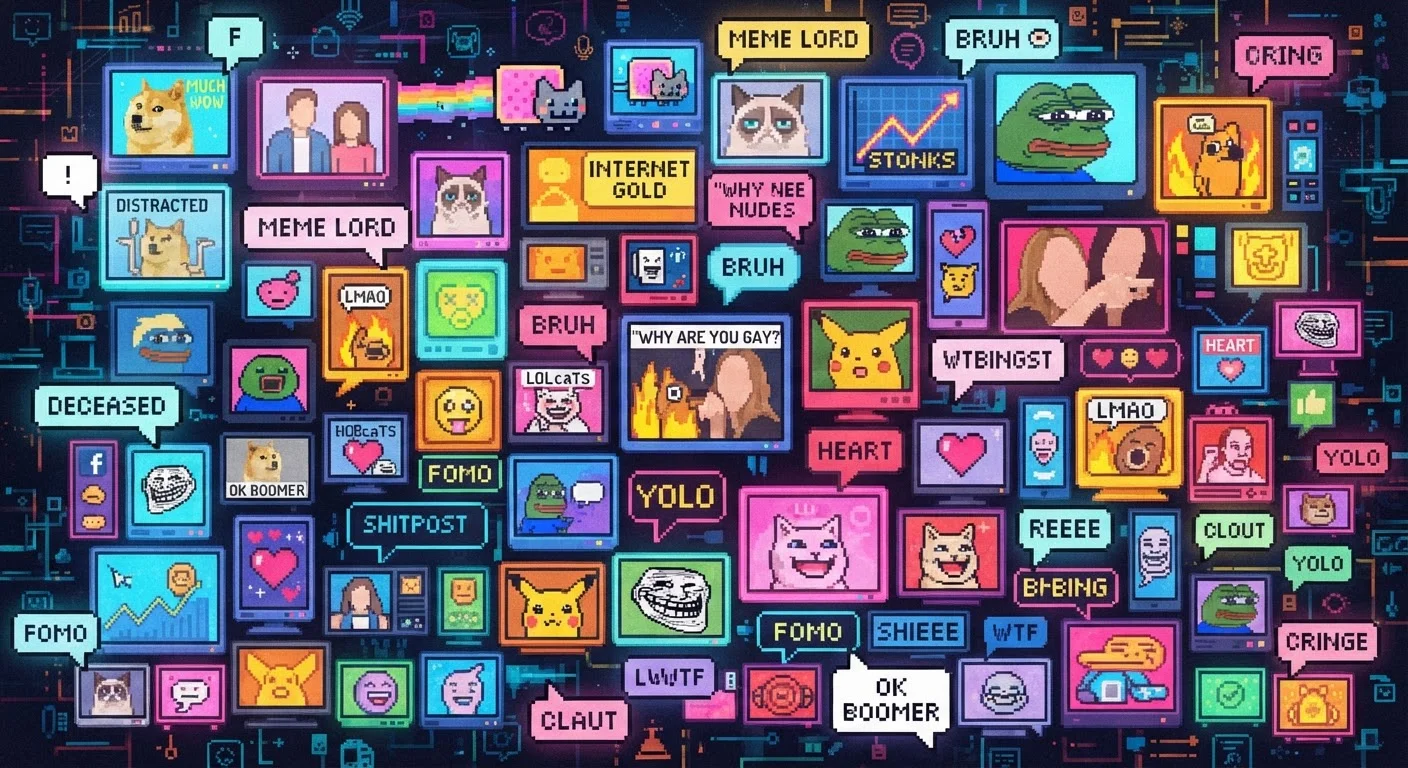
Mainstream adoption tends to strip out the original meaning or in-group context. A phrase that signaled belonging within a specific community becomes a generic punchline. A visual format that carried layered commentary gets used to sell products. The language of memes is particularly susceptible to this flattening, because so much of its meaning is carried by context that doesn't survive the translation to mass media.
Original communities often respond by abandoning or ironizing the mainstream version of their trend, sometimes spawning a new cycle. This dynamic parallels how music genres move from subculture to mainstream - crossover brings visibility but transforms the original form in the process. For a broader look at how these patterns shape American culture, see our coverage of emerging American trends.
How to Read a Trend's Stage
When you encounter a meme or phrase, check where you first saw it. If it arrived via a brand, a news article, or a late-night joke, it has almost certainly already passed through its niche and bridge phases. Searching for the term on Reddit or specialized forums often reveals its origin community and original meaning - context that mainstream coverage typically omits.