The Case for Skipping the Obvious
Every seasoned traveler has a version of the same confession: the trip that surprised them most wasn't Paris or New York - it was somewhere they'd barely heard of. America's best-kept travel secrets aren't buried in the wilderness; many of them are mid-size cities with real airports, walkable neighborhoods, and enough going on to fill three days without resorting to a tourist checklist.
The appeal isn't just novelty. When a city hasn't been fully absorbed into the mainstream travel circuit, the restaurants aren't performing for visitors, the museums aren't overwhelmed, and locals are still actually living there. That texture - the sense of a place being genuinely itself - is exactly what travelers increasingly say they're after. If you're drawn to neighborhood immersion over surface-level tourism, these cities reward that instinct more than most.
The cities below aren't obscure for the sake of it. Each has something specific and substantial to offer - a reason, not just a destination.
Savannah, Georgia
Savannah's grid of moss-draped squares and Federal-period townhouses makes it one of the most visually coherent cities in the country - a place where walking is genuinely the point. The historic district is compact enough to cover on foot but dense enough in character that it never feels exhausted. The local food scene leans hard into Lowcountry traditions: shrimp and grits, she-crab soup, and biscuits that don't apologize for the butter.
What makes Savannah worth anchoring a trip around is the pace it enforces. The city asks you to slow down, sit on a bench in Forsyth Park, and watch the afternoon go by - which, it turns out, is exactly the kind of travel most people say they want and rarely give themselves permission to do.
Savannah's grid of moss-draped squares asks travelers to slow down and simply be somewhere.
Albuquerque, New Mexico
Albuquerque gets overshadowed by Santa Fe in most travel conversations, but it offers something its northern neighbor doesn't: a lived-in, working city with genuine cultural depth and far lower prices. The Old Town plaza dates to 1706. The Sandia Mountains rise steeply to the east, accessible by tram for views that stretch into four states on a clear day.
New Mexican cuisine - distinct from Tex-Mex and Mexican food alike - is the real reason to linger. Green chile season draws serious food travelers, and the debate over red versus green (or "Christmas," meaning both) is a point of genuine local pride. Albuquerque also makes a natural anchor for Southwest road trip routes heading toward Carlsbad, Taos, or the Colorado border.
Albuquerque offers cultural depth and dramatic landscape access at a fraction of Santa Fe's visitor pressure.
Pittsburgh, Pennsylvania
Pittsburgh's reinvention over the past two decades has been one of the quieter American urban success stories. Once defined almost entirely by steel, the city now has a legitimate claim to a world-class museum district - the Carnegie Museums of Art and Natural History, the Andy Warhol Museum, and the Mattress Factory contemporary art space occupy different corners of the conversation about what a mid-size city's cultural life can look like.
The topography alone is worth experiencing. Pittsburgh sits at the confluence of three rivers and is stitched together by hundreds of bridges and a handful of inclines - funicular railways that climb the steep hillsides and deliver views of the downtown triangle that most visitors don't expect to be as dramatic as they are.
Pittsburgh's three-river geography and museum district make it one of the Midwest's most underrated cultural cities.
Asheville, North Carolina
Asheville occupies a specific niche: a small Appalachian city with an outsized arts scene, a craft beverage culture that's earned national attention, and the kind of walkable downtown that most cities twice its size struggle to maintain. The River Arts District - a former industrial corridor turned studio complex - is one of the more genuine working-artist communities you'll find in the American South.
The surrounding Blue Ridge Mountains give the city strong day-trip infrastructure. The Blue Ridge Parkway runs nearby, and the region's hiking trails range from casual to genuinely demanding. Asheville sits near enough to the Tennessee border that a longer loop through the southern Appalachians is entirely feasible - worth planning if you're already thinking about road-trip logistics for the region.
Asheville combines a working arts district, mountain access, and a craft food scene in a remarkably compact package.
Omaha, Nebraska
Omaha doesn't announce itself. It sits in the middle of the country and makes no particular claim on the traveler's imagination - which is exactly why it surprises people. The Old Market district is a walkable, brick-paved neighborhood of galleries, independent restaurants, and bars that feels more like a coastal city's most livable block than anything most people expect from Nebraska.
The Henry Doorly Zoo is consistently ranked among the finest in the world for its immersive habitat design - a legitimate destination in itself. Omaha's restaurant scene, built partly on the region's cattle heritage, has developed real range and ambition in recent years. For travelers open to researching genuinely unfamiliar destinations, Omaha returns far more than the effort invested.
Omaha rewards curiosity with a walkable historic district, a world-class zoo, and a food scene that defies expectations.
Tucson, Arizona
Tucson occupies a different register than Phoenix - slower, stranger, more itself. The city sits at around 2,400 feet elevation, which moderates the desert heat enough to make it livable even in summer, and it's ringed by five distinct mountain ranges accessible within an hour's drive. Saguaro National Park divides into two districts on either side of the city, both worth visiting for different reasons.
What Tucson does exceptionally well is Sonoran Mexican food - a regional tradition distinct from anything you'd find in Texas or California, centered on carne seca, Sonoran hot dogs, and flour tortillas made by hand. The 4th Avenue and downtown corridors support a walkable mix of independent bookstores, vintage shops, and music venues that gives the city the feel of a university town that has grown into its own identity.
Tucson's Sonoran food tradition and mountain access make it one of the Southwest's most compelling city anchors.
Building Your Trip Around One of These Cities
Choosing a lesser-known anchor city works best when you treat it as a base, not a box to check. Spend at least two full days in the city proper before venturing out - most of the places listed here have enough distinct neighborhoods to reward that kind of slow attention. The habits of experienced travelers apply especially well here: build buffer time, research neighborhoods before you arrive, and resist the urge to over-schedule.
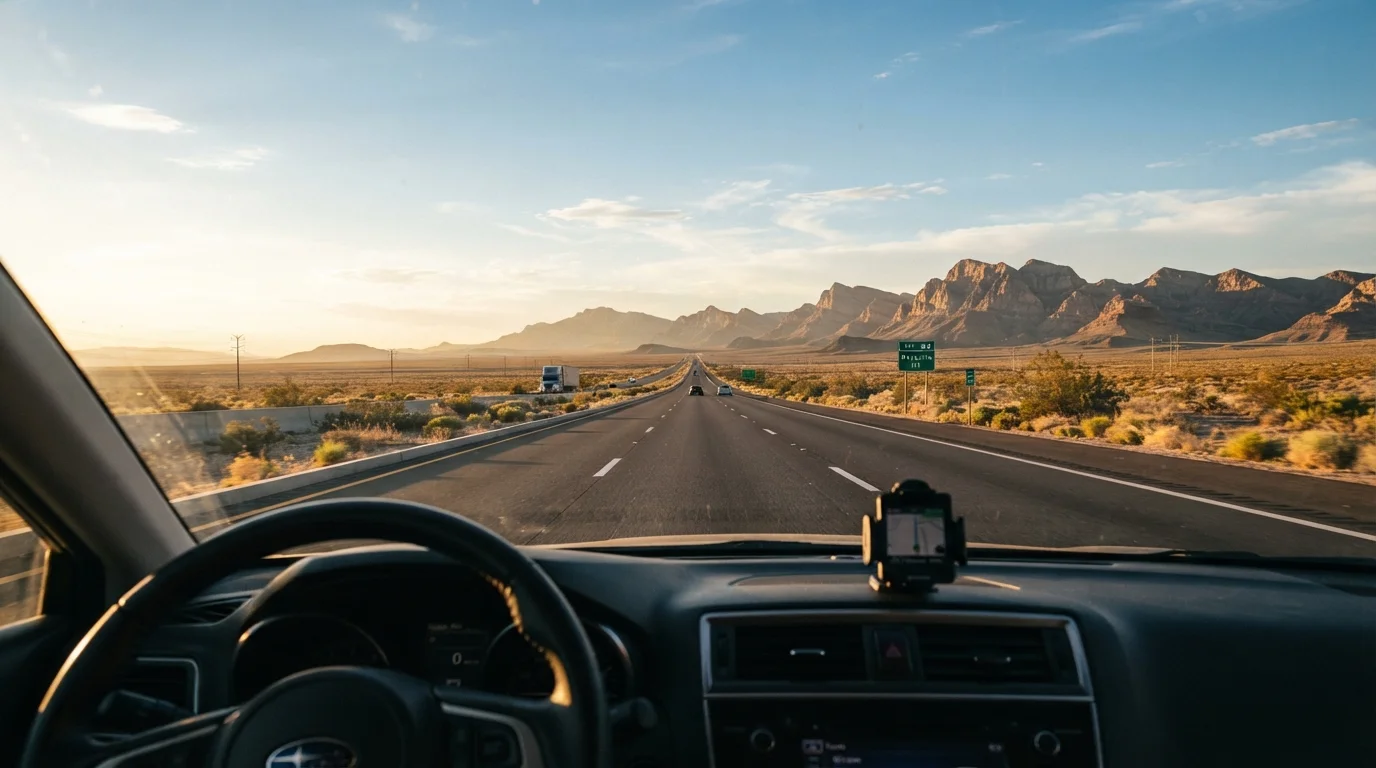
Many of these cities also sit along natural road trip corridors. If you're considering a longer drive, the logistics of long interstate travel are worth thinking through before you hit the road. And if you haven't locked in a destination yet, consider how each city's character maps to your travel style - the coastal-versus-mountain question is just one dimension of a larger fit.
Research the Neighborhood, Not Just the City
In lesser-known cities, the difference between a memorable stay and a forgettable one often comes down to where you base yourself. Tourist-facing hotel districts can insulate you from the neighborhoods where local life actually happens. Before booking, look at a city map and identify the residential and arts districts - they're usually where the best independent restaurants and walkable character are concentrated.
Whatever city you choose, go in curious and without fixed expectations. The places that most consistently surprise travelers are the ones that don't need to compete with an imagined version of themselves.