Why Traveler Health Deserves Deliberate Attention
There's a particular kind of exhaustion that only travelers know - the kind that accumulates across time zones, recycled air, unfamiliar food, and disrupted sleep, arriving at your destination already depleted before the trip has really begun. Most travelers chalk it up to the cost of adventure. But a good portion of that drain is preventable.
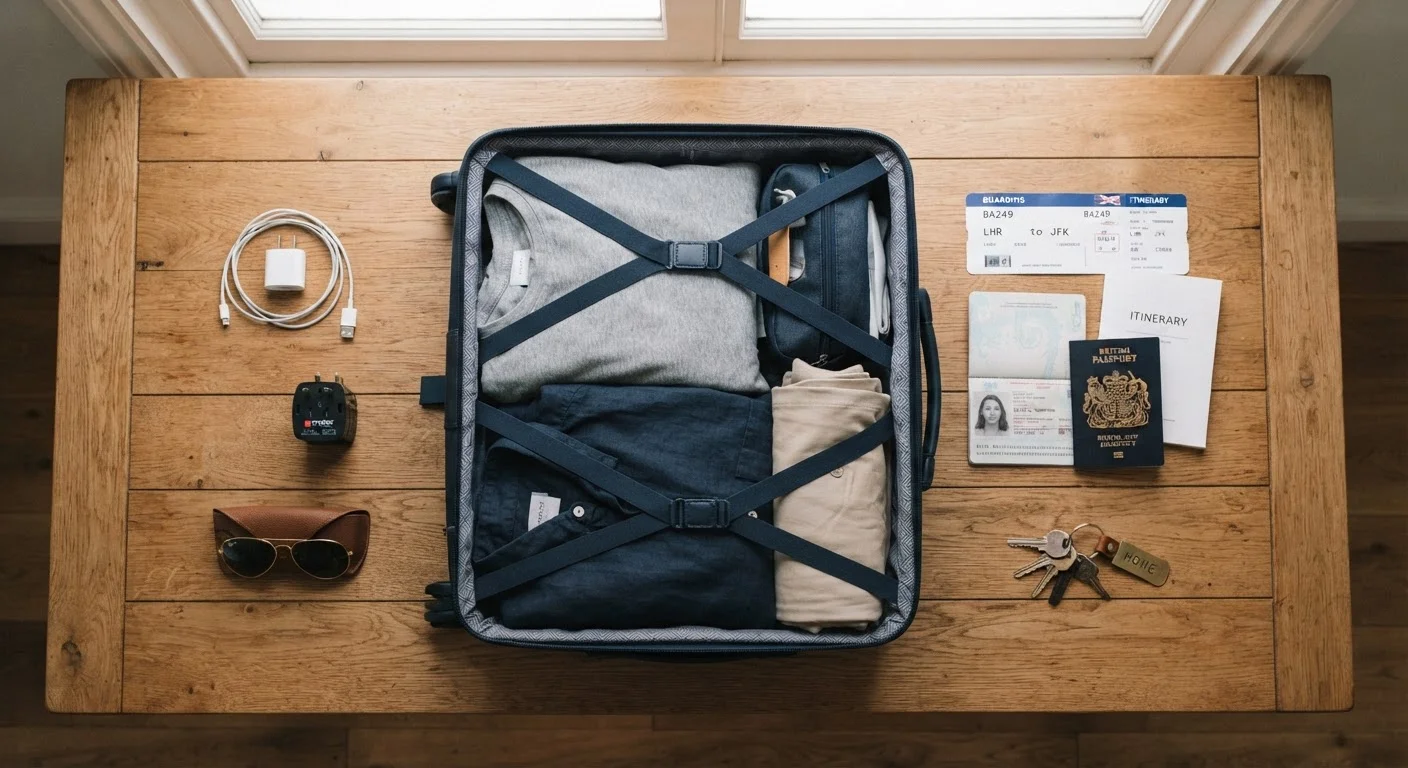
Staying well on the road isn't about carrying a pharmacy in your bag or obsessing over every meal. It's about building a few consistent habits that protect your baseline - the energy, digestion, and mental clarity that let you actually enjoy what you went to see. Whether you're flying across the country for a long weekend or spending three weeks abroad, the same core principles apply. Pair this thinking with a solid pre-departure checklist and you'll be genuinely prepared, not just packed.
Best Practices for Staying Healthy on the Road
The habits below aren't dramatic interventions - they're the quiet routines that experienced travelers build into every trip, regardless of destination or duration.
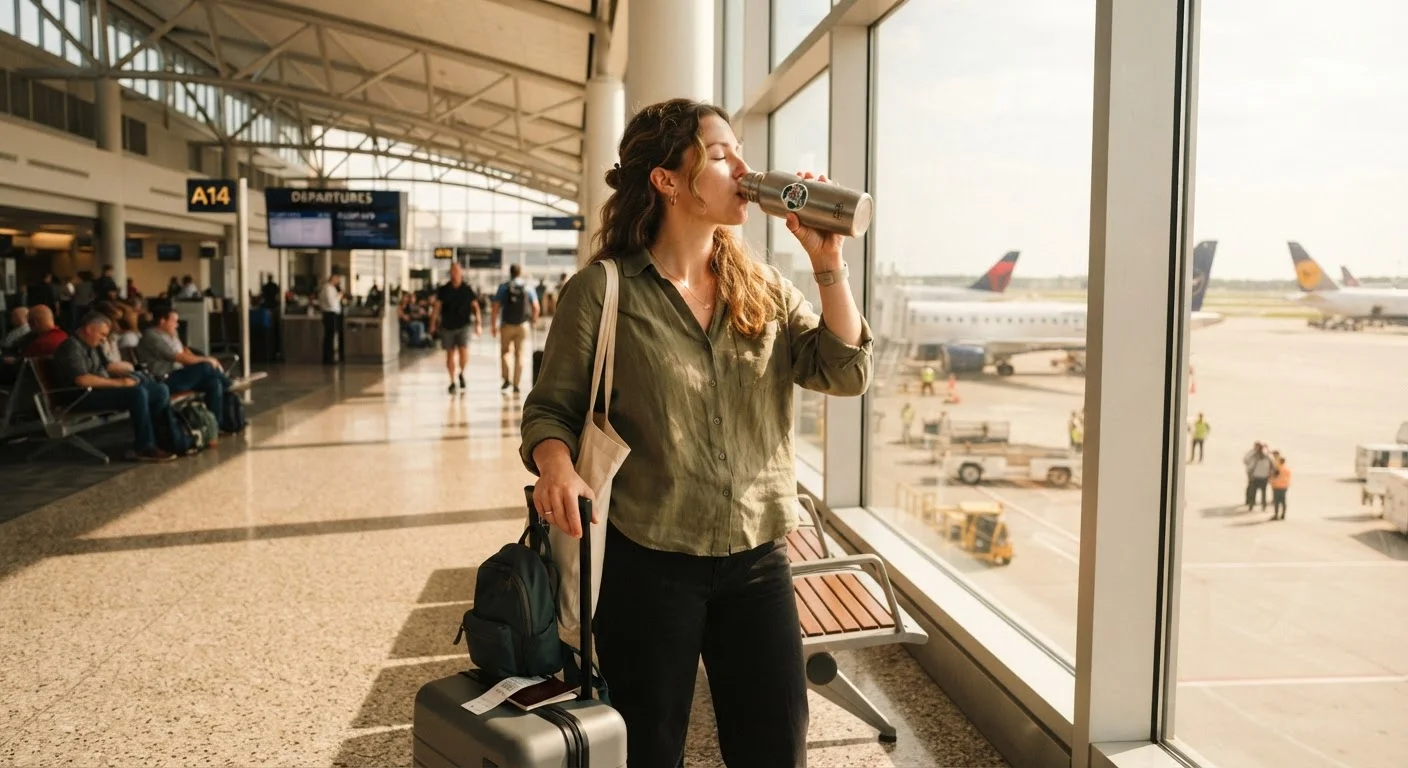
Prioritize hydration as actively as you would any other travel task
Air travel and climate changes accelerate fluid loss in ways most people underestimate. Dehydration amplifies jet lag symptoms, dulls concentration, and makes you more susceptible to headaches and fatigue - all things that cut into your trip.
Protect your sleep even when the schedule fights against it
Crossing multiple time zones destabilizes the body's circadian rhythm, which governs everything from immune function to mood. Treating sleep as a non-negotiable - rather than something to catch up on later - keeps your defenses up throughout the trip.
Research food and water safety specific to your destination before departure
Foodborne illness is one of the most common travel ailments, and the risk profile differs significantly by region. Knowing in advance whether tap water is generally considered safe, or whether raw produce carries higher risk in a particular area, helps you make informed choices without anxiety.
Keep movement built into long transit days
Prolonged sitting during long flights or road trips slows circulation and increases the risk of discomfort and stiffness. Consistent movement - even modest amounts - helps maintain circulation and energy levels over long travel days.
Pack a minimal but thoughtful personal health kit
Access to familiar over-the-counter remedies isn't guaranteed abroad, and navigating a foreign pharmacy while feeling unwell adds unnecessary stress. A small, curated kit handles most common travel ailments without weighing down your bag.
Quick Wins You Can Start Before You Board
A surprising amount of travel wellness is won in the 24 to 48 hours before departure. Small actions taken at home can dramatically shift how you feel on arrival - and they cost almost nothing in time or money.
For solo travelers especially, having a wellness foundation in place adds an extra layer of reassurance. Our guide to first-time solo travel covers the broader mindset shifts that go hand-in-hand with staying safe and well on your own.
When to See a Doctor Before You Go
Not every trip requires a medical appointment, but some genuinely do - and knowing the difference matters. Travelers heading to regions with elevated disease risk (certain parts of sub-Saharan Africa, South and Southeast Asia, or Central and South America, for example) may need vaccinations or preventive medications that require lead time to take effect. A travel medicine clinic or your primary care provider can assess your specific itinerary and health history and offer guidance tailored to where you're actually going.
When to Schedule a Pre-Travel Medical Visit
General guidance suggests booking a travel medicine appointment at least four to six weeks before departure - some vaccines require multiple doses spaced apart or time to become effective. If you have a chronic condition, are pregnant, or are traveling with young children, earlier consultation gives your provider time to tailor recommendations appropriately. Always verify vaccination and entry requirements directly with your destination country's official health authority and the U.S. Centers for Disease Control and Prevention (CDC) traveler health resources, as requirements can change.
This kind of pre-trip investment pays off beyond the immediate trip, too. Understanding the health landscape of your destination is part of thorough destination research - the kind that informs smarter decisions about timing, neighborhoods, and what to pack.
This article is for general informational purposes only and does not constitute medical advice. Always consult a qualified healthcare professional for guidance specific to your health situation and travel plans.