Why Pre-Trip Research Is the Trip Itself
There's a particular kind of traveler anxiety that only appears in the gap between booking a flight and actually arriving somewhere - the creeping realization that you're not quite sure what you've signed up for. Destination research, done well, dissolves that uncertainty and replaces it with genuine anticipation. It's also what separates a trip that unfolds smoothly from one that spends its first two days recovering from avoidable surprises.
Research isn't just about logistics. It's about building an honest mental picture of a place - its rhythms, its rules, its seasonal face - before you step off the plane. The steps below move roughly in order of urgency, from the non-negotiable (visa and entry requirements) to the enriching (cultural context and local transport), but all of them contribute to a cleaner, more confident experience.
What you will need
For a thorough checklist of tools that make this process more reliable, see the resources below before you begin.
U.S. Department of State Travel Website (travel.state.gov)
Check official travel advisories, passport requirements, and country-specific entry information.
Destination country's official embassy or consulate website
Confirm current visa requirements and any special entry conditions for U.S. citizens.
CDC Travelers' Health portal (wwwnc.cdc.gov/travel)
Review health notices, recommended vaccinations, and destination-specific health considerations.
Traveler forums (e.g., TripAdvisor forums, Reddit travel communities)
Gather recent firsthand accounts of transport, safety, and on-the-ground conditions.
Offline maps app (downloaded before departure)
Navigate local areas without relying on a data connection.
Step-by-Step: Building Your Destination Knowledge
Work through these steps before committing to any non-refundable bookings. Some - particularly entry requirements and health preparation - have time-sensitive elements that can't be rushed.
Always Verify Entry Requirements Officially
Visa rules, vaccination requirements, and border policies change without much notice. Never rely solely on travel blogs or third-party booking sites for this information. Check the official website of the destination country's embassy or consulate and the U.S. Department of State's travel portal before booking anything non-refundable.
Confirm Visa and Entry Requirements
Before any flight is booked, spend time on the destination country's official embassy or consulate website and cross-reference with travel.state.gov. Look for: visa-on-arrival eligibility, required documentation, passport validity thresholds, and any health declarations or vaccination certificates currently required at the border. These rules can shift seasonally or in response to policy changes, so check within 30 days of booking - and again closer to departure.
Research Climate and Optimal Timing
Climate research goes beyond packing the right clothes. A monsoon season can close hiking trails, flood coastal roads, and dramatically reduce visibility at outdoor sites. Look up monthly average rainfall, temperature ranges, and - critically - whether your target region has microclimates that differ from national averages. The dry coast of a country may be perfectly sunny while its interior is in peak rainy season.
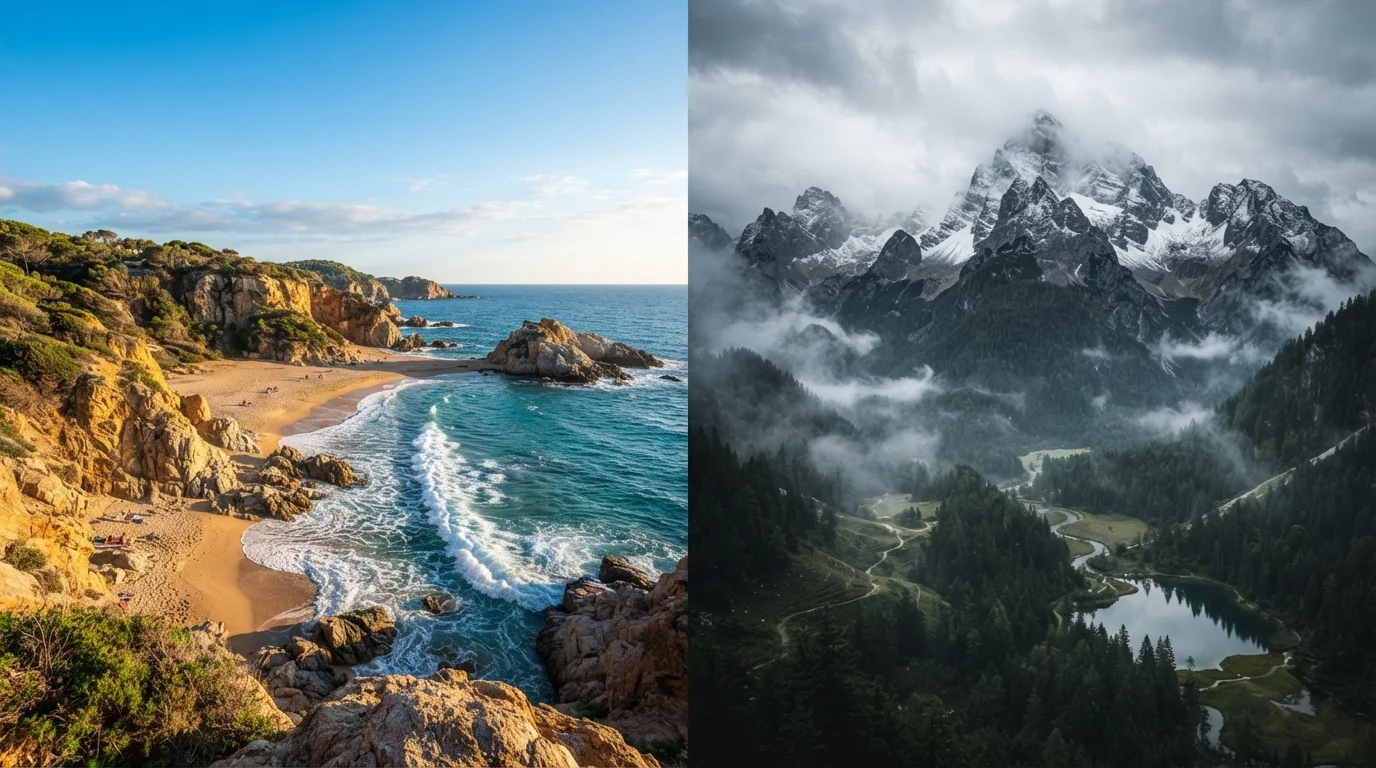
If you're weighing geography types, coastal vs. mountain destination considerations are worth factoring into timing as well.
Understand Cultural Norms and Local Etiquette
Every destination has unspoken rules that can affect how you're received - and whether you inadvertently cause offense. Research dress codes (particularly at religious sites), tipping customs, photography etiquette, and any gestures or behaviors that carry different meaning locally. Government tourism portals and reputable travel publications often publish etiquette guides that are accurate and respectful in framing.
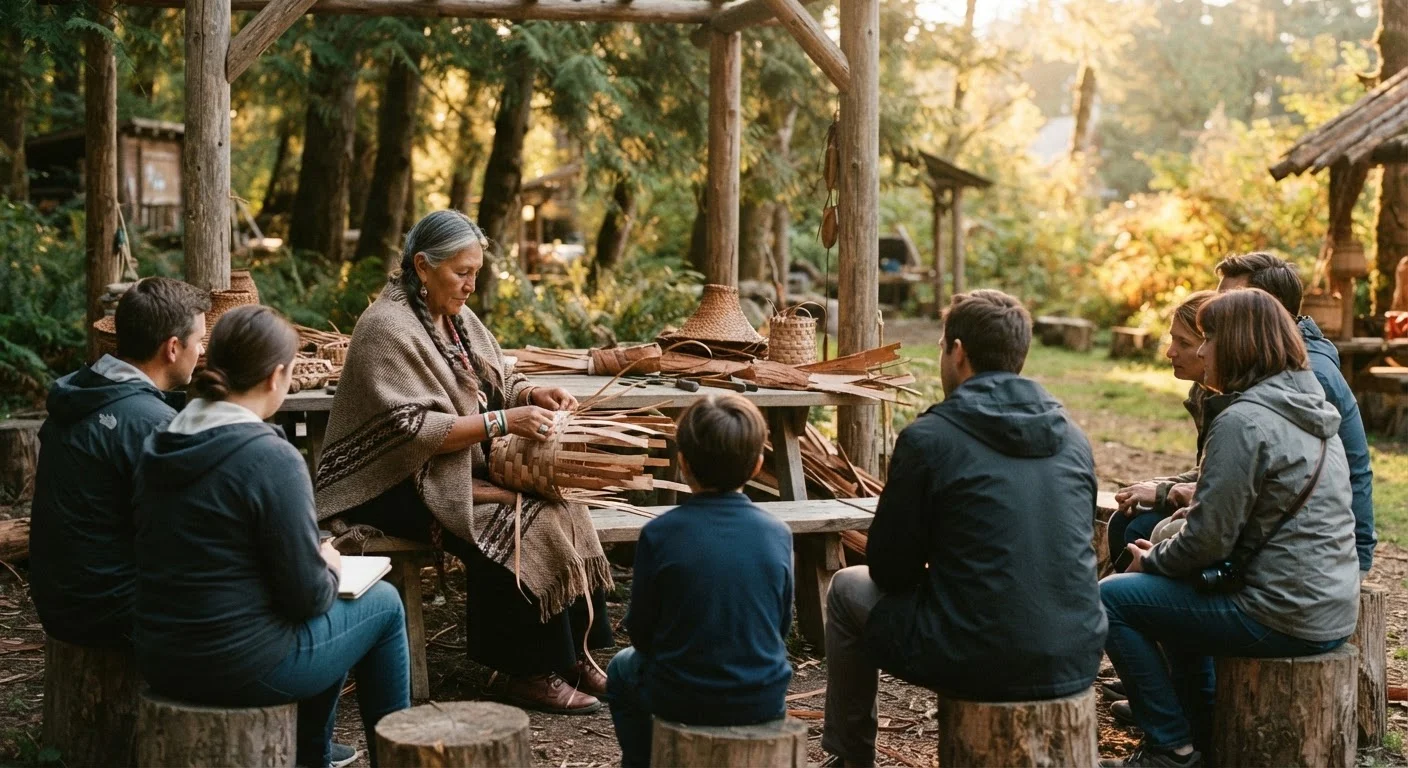
If your itinerary includes any indigenous or community-led cultural experiences, read this guide before booking to ensure your participation is ethical and welcome.
Map Out Transport Realities on the Ground
How a destination appears on a map and how it functions as a traveler are often very different things. Research how locals actually move around: Are intercity buses reliable and safe? Is ride-hailing widely available, or is cash-only taxi negotiation the norm? Are roads seasonally impassable? For first-time visitors to complex regions, understanding regional transport realities before arrival reduces friction dramatically.
Check recent traveler forum posts - not just official tourism sites - for ground-level accuracy on transit reliability, costs, and common routes.
Review Health and Safety Considerations
Consult the CDC Travelers' Health portal for any recommended or required vaccinations, current health notices, and food and water safety guidance for your destination. For a broader pre-trip safety checklist - covering government advisories alongside health factors - verify these safety details before finalizing your plans.
Note any altitude-related concerns, endemic illnesses, or healthcare access limitations in rural areas. Consult a travel medicine specialist or your primary care provider at least four to six weeks before departure if vaccinations or prescriptions may be needed - not all preparations can be done last-minute.
Build a Living Research Document
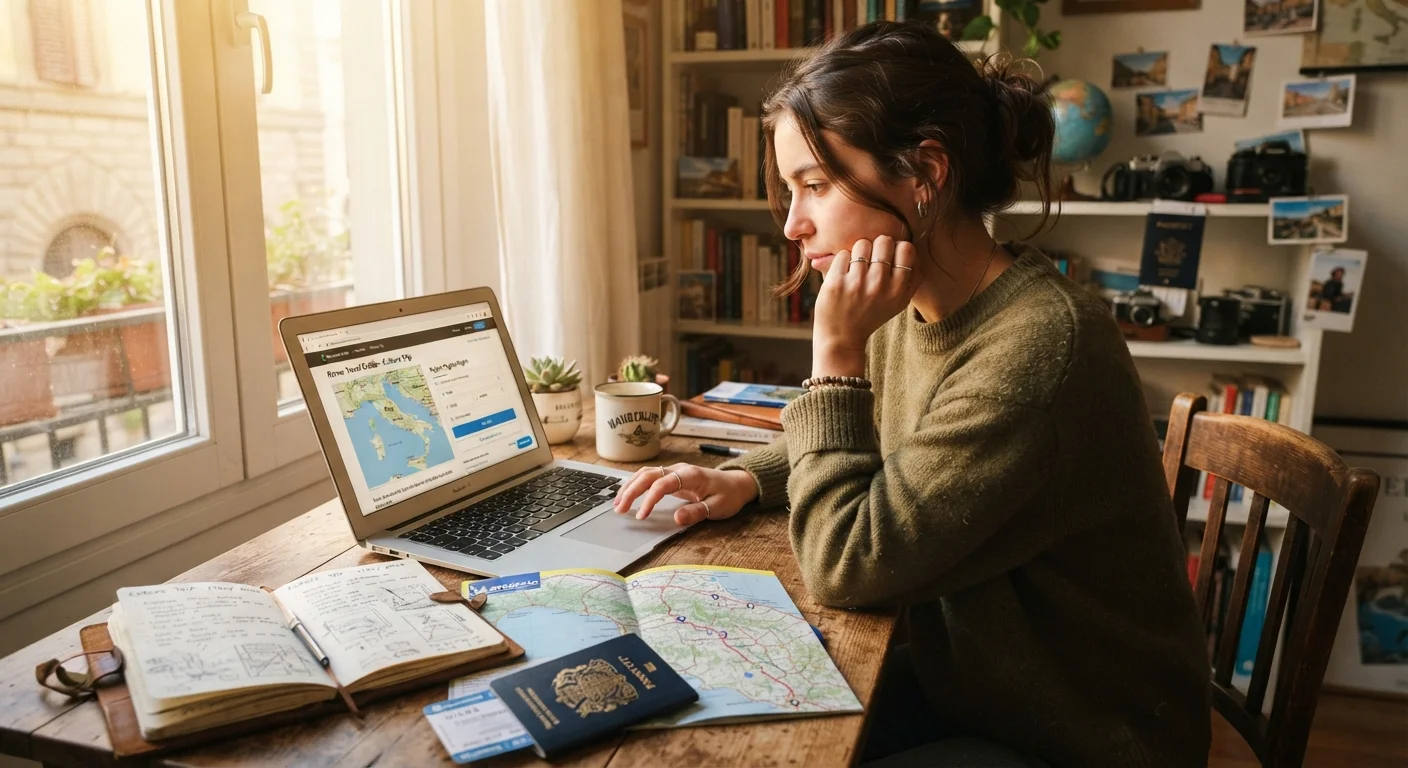
As you gather information, organize it in a single shared document or folder: entry requirements with source URLs and dates checked, climate notes, local transport summaries, cultural reminders, and any health preparation steps. This document becomes your pre-departure checklist and your on-trip reference. It also makes it easy to re-verify key points closer to your departure date - which is always worth doing for visa and health requirements.
If this is your first independent international trip, the first-time independent traveler's planning roadmap offers a useful framework for organizing everything from research through arrival.
Layer Your Sources for a Fuller Picture
No single source tells the whole story. Official tourism boards emphasize the positive; travel forums skew toward recent firsthand experience; government advisories focus on risk. Reading across all three - and checking recent forum posts dated within the past six months - gives you the most grounded view of what to actually expect.
Once your foundational research is complete, consider going deeper into the texture of a destination. Understanding how neighborhoods differ from tourist centers, for instance, opens up a richer kind of travel - explored in detail in our guide to living like a local. And if food is central to how you experience a place, culinary travel as cultural immersion is worth reading alongside your destination research.
Don't Conflate Seasons With Your Home Climate
A destination's 'summer' may fall in December, and its rainy season can render certain activities or regions genuinely inaccessible. Verify monthly averages and seasonal conditions specific to the region you plan to visit, not just the country broadly. High-altitude destinations add another layer of complexity - see how altitude affects your experience before finalizing plans for mountainous areas.