Why the Neighborhood Is the Destination
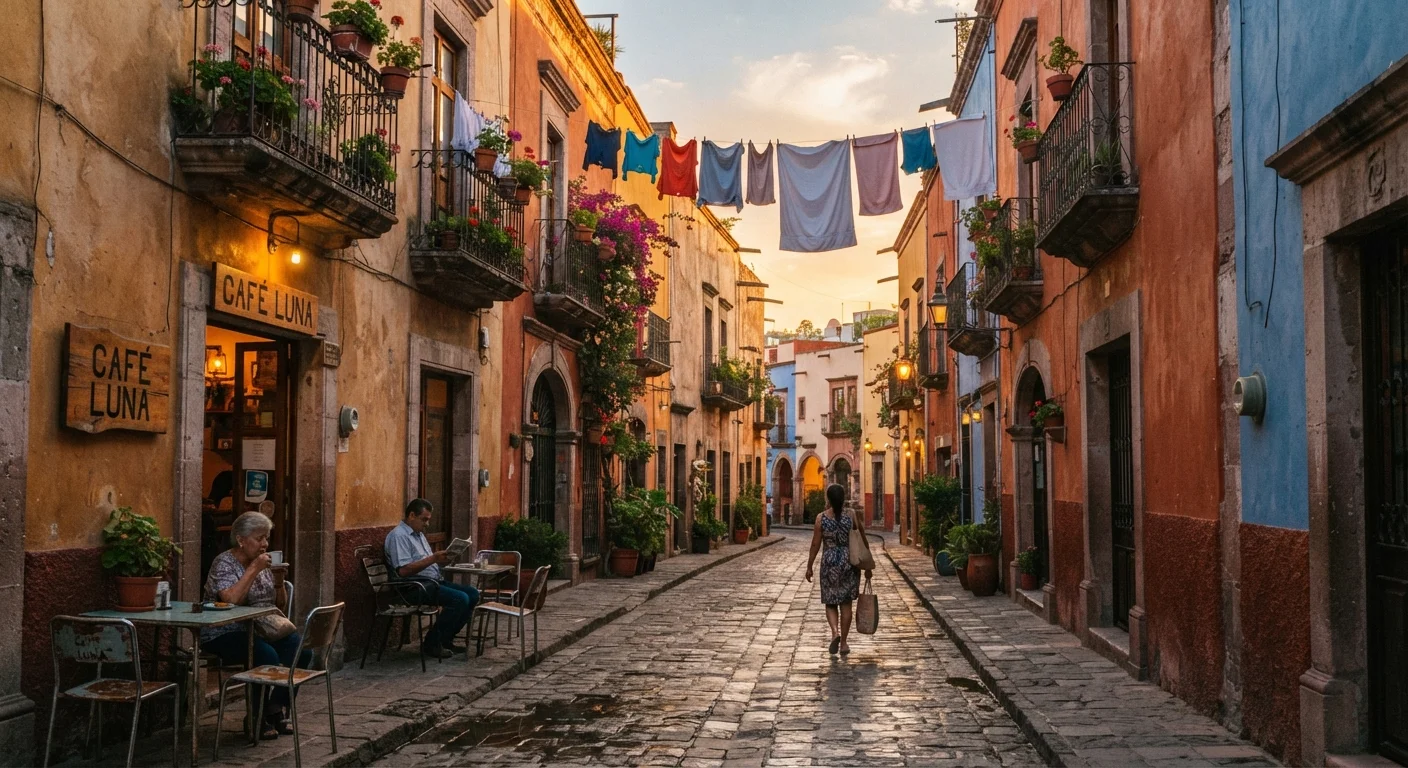
Most travel itineraries are built around attractions - the cathedral, the museum, the famous viewpoint. These places matter, but they tell you less about a city than the street where residents argue over parking, the corner store that's been run by the same family for forty years, or the park bench where retirees gather every morning regardless of weather. The neighborhood, not the landmark, is where a city keeps its character.
This shift in perspective - from sightseeing to inhabiting - doesn't require a radical rethinking of how you travel. It requires a few deliberate choices about where you stay, how you move, and how much white space you leave in your days. For those curious about how this kind of travel compares to more structured alternatives, urban exploration and nature-based immersion each offer their own version of going deeper. And if you're drawn to lesser-visited places where residential neighborhoods haven't yet been rewritten for visitors, some American cities offer exactly that.
Research consistently suggests that people remember travel experiences more vividly when they involve genuine connection or novelty rather than passive sightseeing. The psychology behind travel memory points toward the same conclusion: it's the interactions and the unexpected moments - not the landmarks - that stay with you. Neighborhood immersion is, in many ways, a strategy for creating those moments deliberately.
Give Yourself at Least Three Days
The rhythm of a neighborhood rarely reveals itself in a single afternoon. Three to five days in one area allows patterns to emerge - the baker who opens at six, the park that fills with families on Sunday, the side street that smells of spices every evening. Depth comes from repetition, not from covering ground.
How to Approach It: A Practical Framework
What you will need
Offline maps app
Navigate neighborhood streets without relying on a data connection - essential for wandering without getting truly lost.
Small notebook or notes app
Record names of streets, shops, or phrases that catch your attention - these details anchor memory and deepen observation.
Local transit card or cash
Buses and neighborhood transit move the way residents actually move; having local payment methods ready keeps you off the tourist circuit.
Translation app with offline support
Basic language exchange - even imperfect - signals respect and opens doors that silence keeps shut.
Choose accommodation inside a residential area
The single most consequential decision in neighborhood immersion is where you sleep. Hotels clustered around monuments and convention centers are designed to insulate visitors from the city around them - that insulation is the product. Instead, look for apartment rentals, family-run guesthouses, or homestays in districts where residents outnumber visitors. A street with a dry cleaner, a pharmacy, and a school nearby is a promising sign. For a fuller picture of the trade-offs involved, see our honest breakdown of homestays.
Map your neighborhood on foot before anything else
On your first morning, resist the pull of the landmark itinerary. Instead, walk a slow, unmapped loop around your immediate block. Note where people gather for coffee, where children go to school, which direction commuters walk. This reconnaissance isn't tourism - it's orientation. You're learning the neighborhood's grammar before you try to speak it.
Shop and eat where locals do, not where visitors are sent
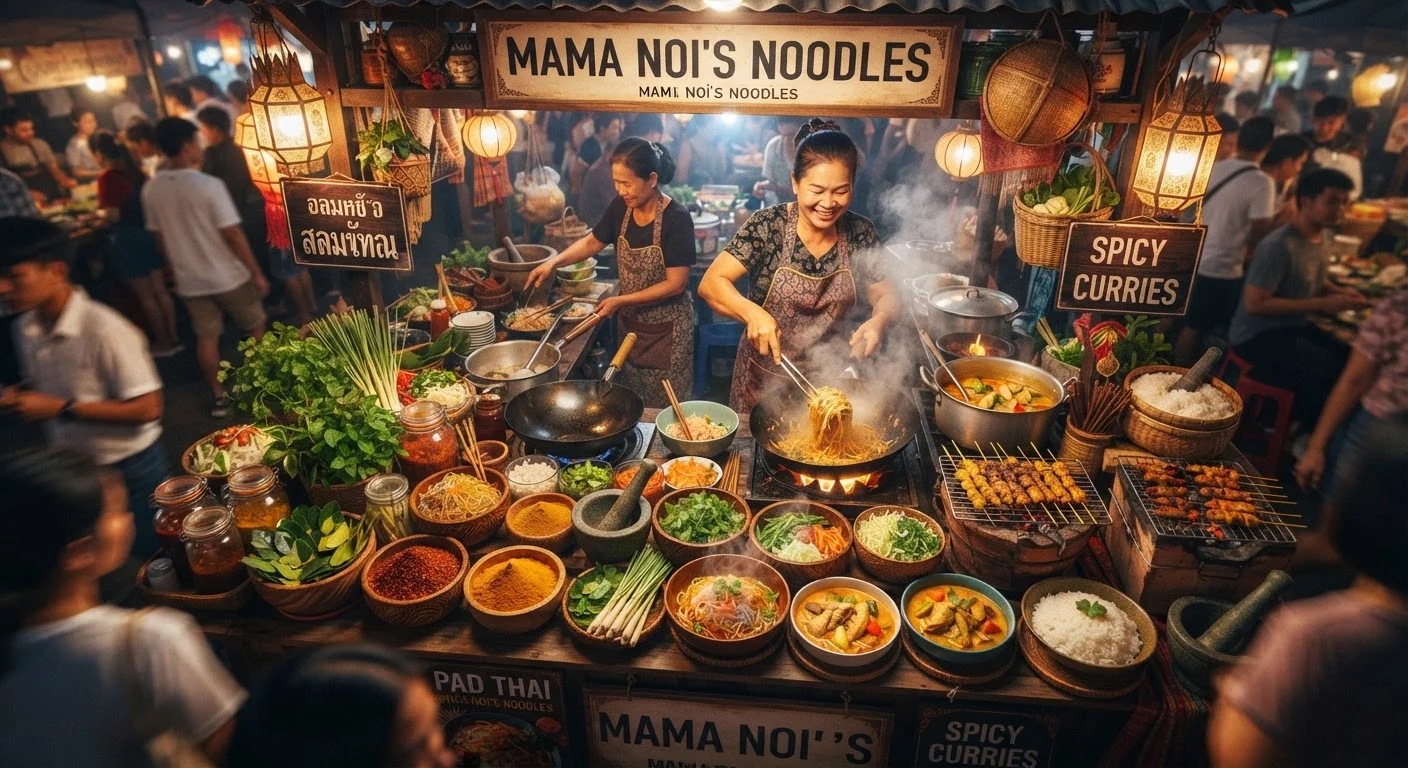
Ask your host - not a concierge - where they buy produce, get coffee, or eat lunch on a Tuesday. These recommendations lead to market stalls, neighborhood bakeries, and lunch counters that rarely appear in travel guides. Culinary travel done with curiosity and respect is one of the most direct routes into understanding how a community actually functions day to day.
Use local transit and walk routes residents use
The bus, the metro, the shared minivan - these are where neighborhoods reveal themselves in motion. Ride transit lines that pass through residential areas rather than only tourist corridors. Walk along the routes commuters use. The view from these paths is mundane by design, and that's exactly the point: you're watching a place function rather than perform.
Slow your pace and allow for unplanned encounters
Immersive travel is fundamentally incompatible with a packed itinerary. The conversations, the courtyard glimpsed through an open gate, the festival procession you stumbled into - these moments require slack in your schedule. Slow travel's core philosophy is about choosing depth over distance, and neighborhood living is perhaps its purest expression. Leave two to three hours each day entirely unstructured.
Reflect on what you're observing - and your role in it
As your stay progresses, consider the difference between witnessing a place and extracting from it. Are your habits supporting local businesses over tourist-economy alternatives? Are you engaging with people on their terms? The most memorable neighborhood experiences tend to come not from seeking them out but from showing up consistently, respectfully, and with genuine curiosity rather than a checklist. This is what distinguishes a truly immersive experience from just a different kind of tour.
Research Safety and Local Norms First
Before settling into any unfamiliar neighborhood, verify current safety conditions through official government travel advisories and recent traveler accounts. Cultural norms around photography, dress, and visitor behavior vary widely - what reads as friendly curiosity in one context can be intrusive in another. Always confirm entry requirements, local laws, and any relevant health considerations with official sources before travel.
Don't Treat Locals as Cultural Exhibits
Neighborhood immersion can tip into voyeurism if travelers approach communities as backgrounds for their own story rather than as places where real people live. Avoid photographing residents without permission, overstaying welcomes, or assuming access to private spaces or rituals. Genuine connection emerges from mutual respect, not from the tourist's desire for an authentic moment.
Neighborhood immersion is less a travel style than a practice - something that gets better with attention and iteration. The broader principles of smart, respectful travel apply here too: prepare well, stay flexible, and keep your impact in mind. Whether you're spending a week in a Lisbon bairro, a New Orleans garden district, or a Oaxacan colonia, the mechanics are largely the same. The difference is in the quality of attention you bring to the place.