
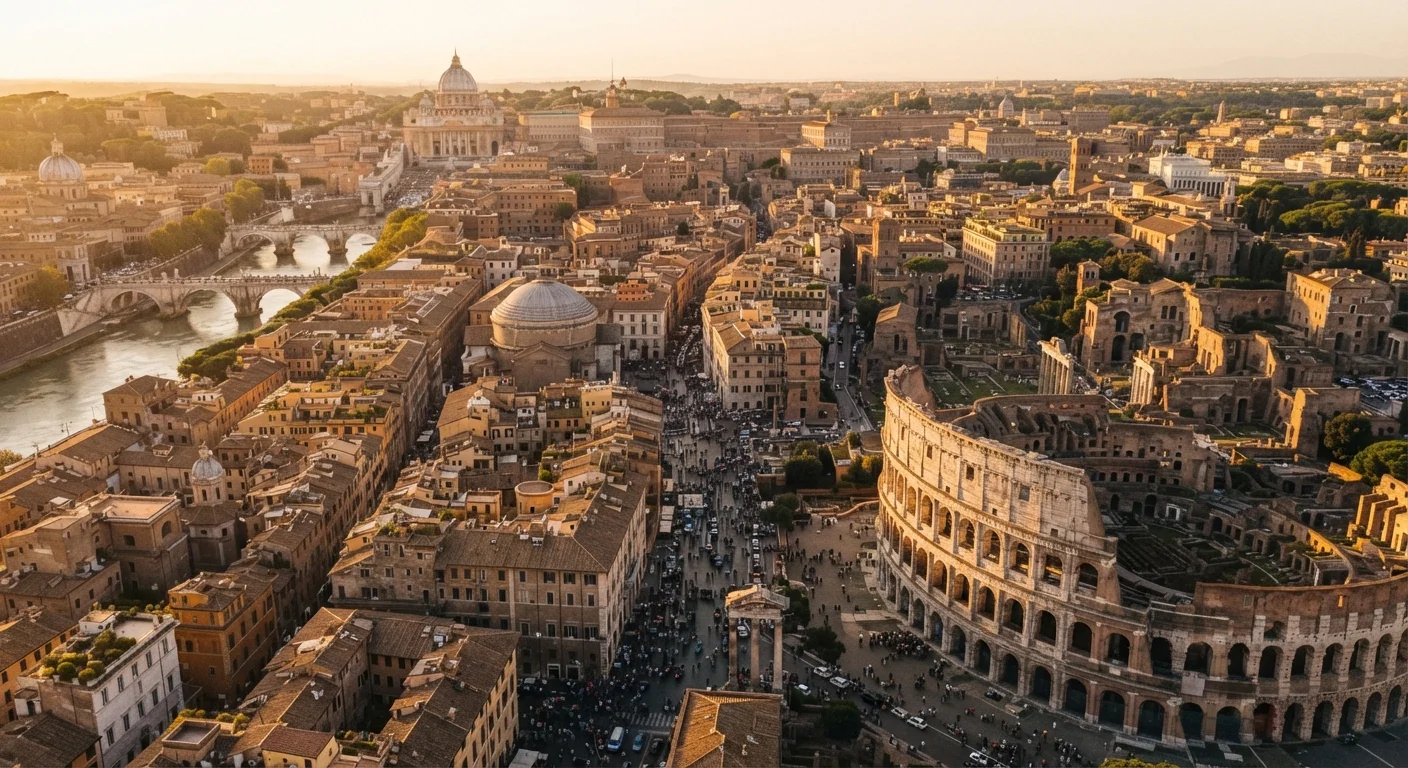
The Stories We Tell About Places Before We Arrive
Every famous destination carries a mythology - a set of assumptions built from films, social media, and decades of hearsay that shape expectations long before a passport is stamped. The problem is that many of those assumptions are simply wrong, and arriving with outdated or inaccurate ideas can color an entire trip.
From Paris being unfriendly to Bali being pristine and untouched, the gap between reputation and reality at popular travel destinations is wide - and worth understanding before you book. As our guide to researching destinations before you book explores, building an accurate picture upfront changes everything about how you experience a place.
Myth
Parisians are notoriously rude to American tourists and will refuse to help if you don't speak French.
Fact
Most Parisians respond warmly to visitors who open with a simple "Bonjour" - the perceived rudeness often stems from cultural differences in interaction style, not hostility.
France has a social norm around formal greetings: entering a shop or asking a question without first saying "Bonjour" (hello) or "Excusez-moi" (excuse me) can read as abrupt to locals, not the other way around. Travelers who lead with a greeting and a basic attempt at French - even just "Parlez-vous anglais?" (do you speak English?) - generally find Parisians helpful and patient. The "rude Parisian" reputation is largely a product of culture clash, not genuine hostility toward visitors.
Myth
Bali is a lush, tranquil island paradise largely untouched by crowds or development.
Fact
Bali is a densely populated island of over four million residents, with significant tourism infrastructure and urban congestion in areas like Kuta, Seminyak, and Ubud.
Bali's natural beauty is real - its rice terraces, temples, and coastline are genuinely stunning. But the island is also one of the most visited destinations in Southeast Asia, and certain areas deal with traffic, plastic waste challenges, and overtourism pressure. Travelers seeking a quieter experience typically need to venture beyond the most heavily marketed spots, do meaningful destination research, and understand that Bali is a living, complex society - not a backdrop for a retreat fantasy.
Myth
Iceland is bitterly cold and only worth visiting in winter to see the Northern Lights.
Fact
Iceland's summers are mild, with temperatures often reaching the mid-50s°F (around 12-13°C), and the midnight sun makes it a vibrant, accessible destination from May through August.
While Iceland does experience harsh winters, summer brings nearly 24 hours of daylight in some parts of the island, making it ideal for hiking, whale watching, and exploring the highlands - activities that are impossible or inaccessible in winter. The Northern Lights are indeed a winter draw, but framing Iceland as a cold-weather-only destination means many travelers miss its most accessible and dramatically beautiful season. Conditions vary significantly across the island, so checking regional weather before planning specific activities is always worthwhile.
Myth
Japan is extremely difficult to navigate as a first-time visitor who doesn't speak Japanese.
Fact
Japan ranks among the most visitor-friendly countries in the world, with extensive English signage on transit systems, widespread use of visual menus, and a culture of helpfulness toward tourists.
While the Japanese writing systems (hiragana, katakana, and kanji) can look intimidating, major train stations, airports, and tourist areas are comprehensively signed in English and often in Chinese and Korean as well. Translation apps handle most daily interactions. That said, as our piece on the language barrier notes, overconfidence in technology has its own pitfalls - learning a few courteous phrases in Japanese is both practical and genuinely appreciated by locals.
Myth
Visiting multiple European countries in a single two-week trip is a great way to experience Europe.
Fact
Attempting to cover too many countries in a short trip typically results in exhaustion, surface-level experiences, and significant time lost to logistics.
The appeal of a grand European tour is understandable, but it comes with real costs. Transit between countries eats hours; jet lag and accumulated travel fatigue compound; and time spent rushing through highlights leaves little room for the slower, more memorable encounters that define meaningful travel. As explored in depth in our piece on why Europe trips feel rushed, narrowing focus - even to a single country or region - almost always produces a richer, less stressful experience.
Why Misconceptions Stick - and What to Do Instead
Travel myths tend to persist because they are emotionally satisfying. "Paris is rude" relieves the anxiety of potential embarrassment. "Bali is paradise" justifies the airfare. These narratives flatten the genuine complexity of places and the people who live in them.
1.4B+
International tourist arrivals globally per year
According to the UN World Tourism Organization, international tourist arrivals approached 1.4 billion annually before the COVID-19 pandemic, underscoring how heavily trafficked popular destinations truly are.
~80%
Tourists concentrated in top destinations
Tourism economists broadly note that the vast majority of international visitors cluster around a small number of globally recognized cities and sites, contributing to overtourism at key spots.
Experienced travelers know that the best preparation involves checking assumptions rather than confirming them. That means reading accounts from recent visitors, consulting government travel advisories for entry and safety information, and approaching each destination with genuine curiosity rather than a preloaded script. The habits of seasoned travelers consistently point toward flexibility and humility as the most valuable tools in any itinerary.
Always Verify Entry and Safety Information Officially
Travel conditions, visa requirements, vaccination rules, and local laws change frequently and vary by nationality. No travel article should be treated as a definitive or current source for entry or safety information. Before any international trip, consult your government's official travel advisory portal (such as travel.state.gov for US citizens) and the destination country's official immigration authority for the latest requirements.
It's also worth noting that misconceptions cut both ways. Dismissing a destination as "too touristy" can mean missing genuinely moving cultural experiences, while assuming somewhere is perfectly safe without checking current advisories can create real risk. Always verify entry requirements, local laws, and travel conditions with official government sources before departing - no travel article, including this one, should be treated as a substitute for that due diligence.
Part of what makes travel transformative is the willingness to be surprised. The language barrier is one such surprise - often smaller than feared in some contexts and more significant in others. The more accurately you understand a destination before you arrive, the more room you leave for the genuine, unscripted moments that make a trip memorable.