Why This Checklist Exists
Indigenous cultural tourism sits at a genuine crossroads. At its best, it creates a direct line between curious travelers and living traditions - a chance to understand history not from a museum placard but from the people who carry it. At its worst, it extracts cultural imagery for profit while leaving communities with little control, little revenue, and little say in how their heritage is represented.
The difference between those two outcomes often comes down to choices made before anyone books a ticket. As you plan, understanding what separates a genuine immersive experience from a packaged tour is a useful starting point. This checklist takes that thinking further - into the specific questions, considerations, and behaviors that determine whether your participation supports a community or simply commodifies it.
This is not a guilt trip. Most people who seek out Indigenous experiences do so with genuine curiosity and good intentions. The checklist that follows is designed to help those intentions translate into respectful, meaningful action.
Consent Is Not a One-Time Checkbox
Indigenous communities have the right to change what they share, withdraw access to places or practices, and set new boundaries at any time - even mid-experience. A community that welcomed visitors last year may have reconsidered. This is not inconsistency; it is sovereignty. Travelers who approach Indigenous cultural experiences with genuine respect accept that access is conditional and honor those boundaries without complaint or pressure.
Before You Book: Research and Vetting
The research phase is where the most consequential decisions happen. Thorough destination research should always include an investigation of who controls the cultural experiences on offer - not just what those experiences look like on a booking page.
Ownership and Benefit
Cultural Integrity
On-Site Conduct
Post-Visit Responsibility
A useful signal: does the experience listing tell you which specific community or nation it represents? Generic phrases like "Native cultural tour" or "tribal village visit" without specifics are a red flag. Legitimate Indigenous tourism operators typically name their community, their nation, and their cultural authority clearly.
Indigenous Tourism Association or equivalent national body
Many countries with significant Indigenous tourism - including Canada, Australia, and New Zealand - have national Indigenous tourism councils that certify or list community-approved experiences.
Community-run websites or social media accounts
Going directly to a nation's or community's own online presence often reveals which experiences are sanctioned and provides authentic context before booking.
Independent travel forums with Indigenous tourism discussions
Traveler accounts - particularly from Indigenous travelers or researchers - can surface reputation issues that don't appear on booking platforms.
Indigenous-authored travel or cultural guides
Books and essays written by members of the communities you plan to visit offer grounding context that no operator brochure can replicate.
During the Experience: How to Engage Respectfully
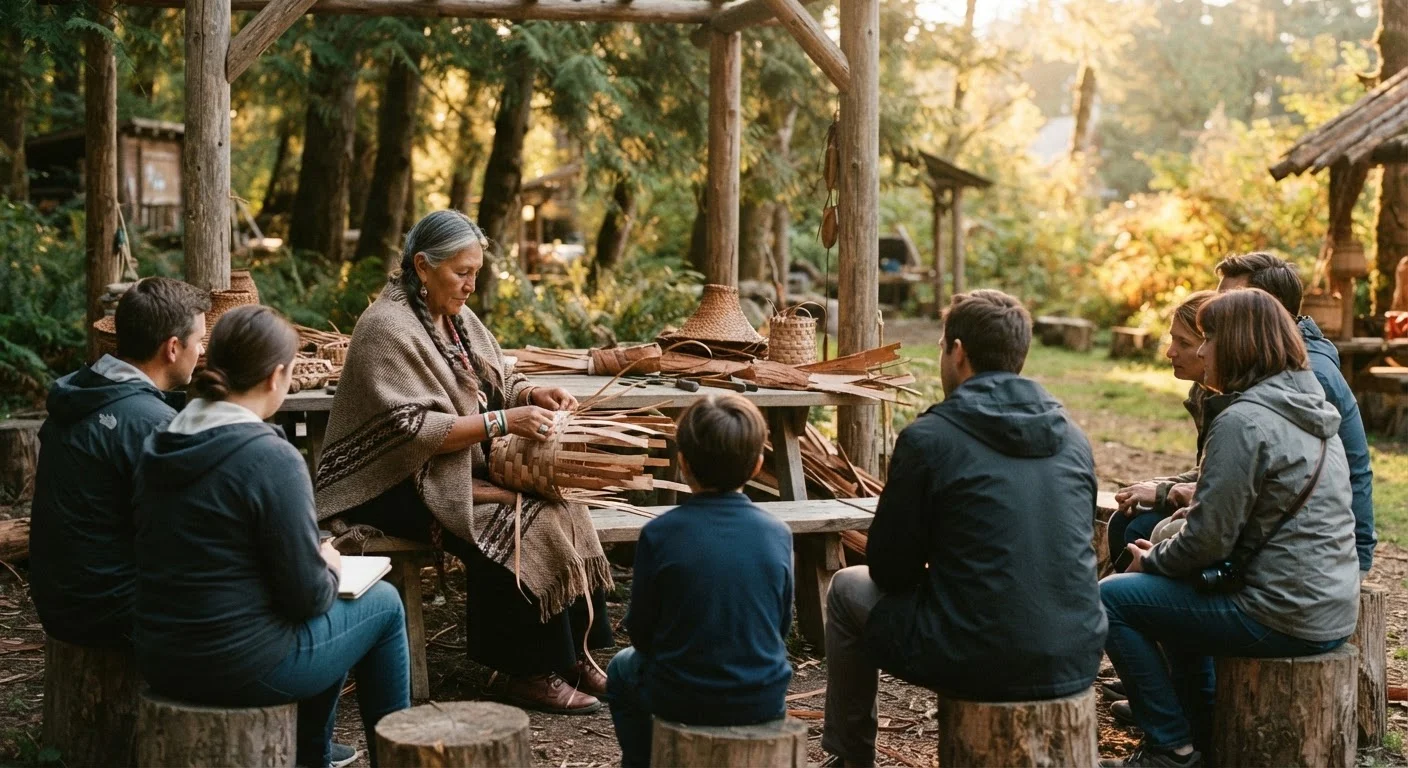
Arriving prepared is half the work. The other half is how you show up in the moment. Indigenous cultural experiences are not performance venues - they are living expressions of identity, spirituality, and survival. The protocols that govern what visitors may witness, photograph, or participate in exist for reasons that deserve respect, even when those reasons aren't fully explained.
Photography Can Cause Real Harm
Photographing sacred objects, ceremonies, or individuals without explicit permission is not a minor oversight - in many Indigenous contexts it constitutes a serious cultural violation. Some communities consider certain images spiritually harmful if taken or shared. Always assume photography is restricted until you are clearly told otherwise, and honor that restriction even if other visitors around you do not.
Not All "Authentic" Labels Are Equal
The word "authentic" appears frequently in Indigenous tourism marketing and is almost entirely unregulated. An operator describing an experience as authentic does not mean the community endorses it, profits from it, or designed it. Treat the label as a starting point for questions, not a conclusion.
Think of this as the same disposition you'd bring to a family's home or a religious service: attentive, humble, and guided by the host rather than your own curiosity. Approaching cultural encounters with genuine curiosity - rather than a checklist of experiences to collect - changes the dynamic entirely.
After: Reflection and Ongoing Support
The experience doesn't end when you leave. How you talk about it, photograph it, and share it continues to shape how Indigenous cultures are perceived and represented. Thoughtful travelers treat the post-visit period as part of the ethical commitment, not an afterthought.
Consider also that the impulse to "give back" after a meaningful cultural experience deserves its own careful scrutiny - good intentions don't always translate to genuine benefit. Support the communities you visit by buying directly from artisans, leaving honest reviews that reflect what you actually experienced, and educating yourself further through Indigenous-authored books and media.
This article is for general informational purposes. Cultural protocols, community preferences, and tourism regulations vary widely by nation, region, and context. Always verify current guidance with the specific Indigenous community or official tourism body involved before traveling.