Why Food Tells a Story Nothing Else Can
Every culture leaves fingerprints on its food. The fermented heat of a Korean jjigae, the slow-cooked complexity of a Oaxacan mole, the careful ritual of a Japanese tea ceremony - these aren't just meals. They're compressed histories of trade routes, geography, migration, belief, and survival. Food, more than almost any other cultural artifact, is something you can taste, share, and participate in - not just observe.
For travelers willing to step beyond hotel restaurants and familiar franchise logos, the kitchen and the market stall become classrooms. You start to understand why coastal communities build cuisines around preserved fish, why high-altitude regions rely on root vegetables, why certain spices were once worth more than gold. As Japan's regional food traditions illustrate, even within a single country, geography and climate shape culinary identity in ways that reflect centuries of adaptation.
That context transforms eating from a biological necessity into a form of cultural literacy.
“To eat is a necessity, but to eat intelligently is an art. Travel is one of the few contexts in which that art becomes a genuine act of cultural exchange.”
— Attributed to the culinary travel writing tradition, Paraphrased from the broader school of gastronomic travel literature
Best Practices for Eating Your Way Through a Destination
Culinary travel isn't simply about eating well - it's about eating thoughtfully. These practices help travelers move through a destination's food culture with genuine curiosity, respect, and open-mindedness.
Eat where locals eat, not where tourists are directed
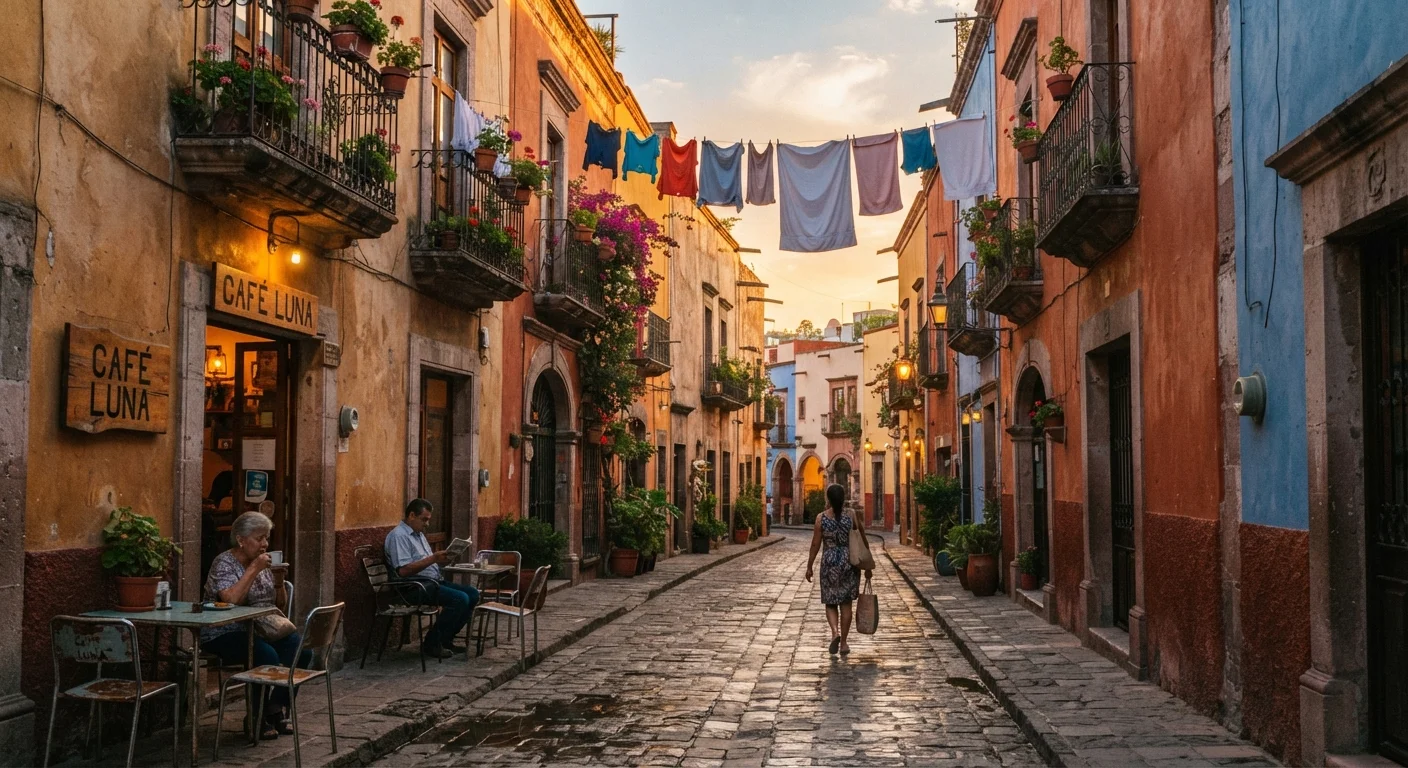
Tourist-facing restaurants often adapt dishes for perceived foreign palates, smoothing out the complexity and regional character that make local food meaningful. Authentic cooking tends to survive where it feeds the people who grew up with it. Choosing neighborhood spots over centrally located, English-menu-first establishments gives you a more accurate picture of what a cuisine actually tastes like.
Ask about the dish before you eat it
A question as simple as "what's in this?" or "is this a regional specialty?" opens a conversation that goes far beyond the food itself. Vendors and cooks often hold encyclopedic knowledge of their ingredients and the history behind their recipes. Showing genuine interest signals respect and frequently unlocks stories no guidebook contains.
Follow seasonal and regional eating rather than chasing famous dishes
Every region has a culinary calendar shaped by harvest cycles, fishing seasons, and religious observance. Eating what's genuinely in season - even if it's unfamiliar - tends to be fresher, more characteristic, and more connected to daily life than hunting down a destination's most Instagram-photographed plate.
Visit markets as learning environments, not just shopping stops
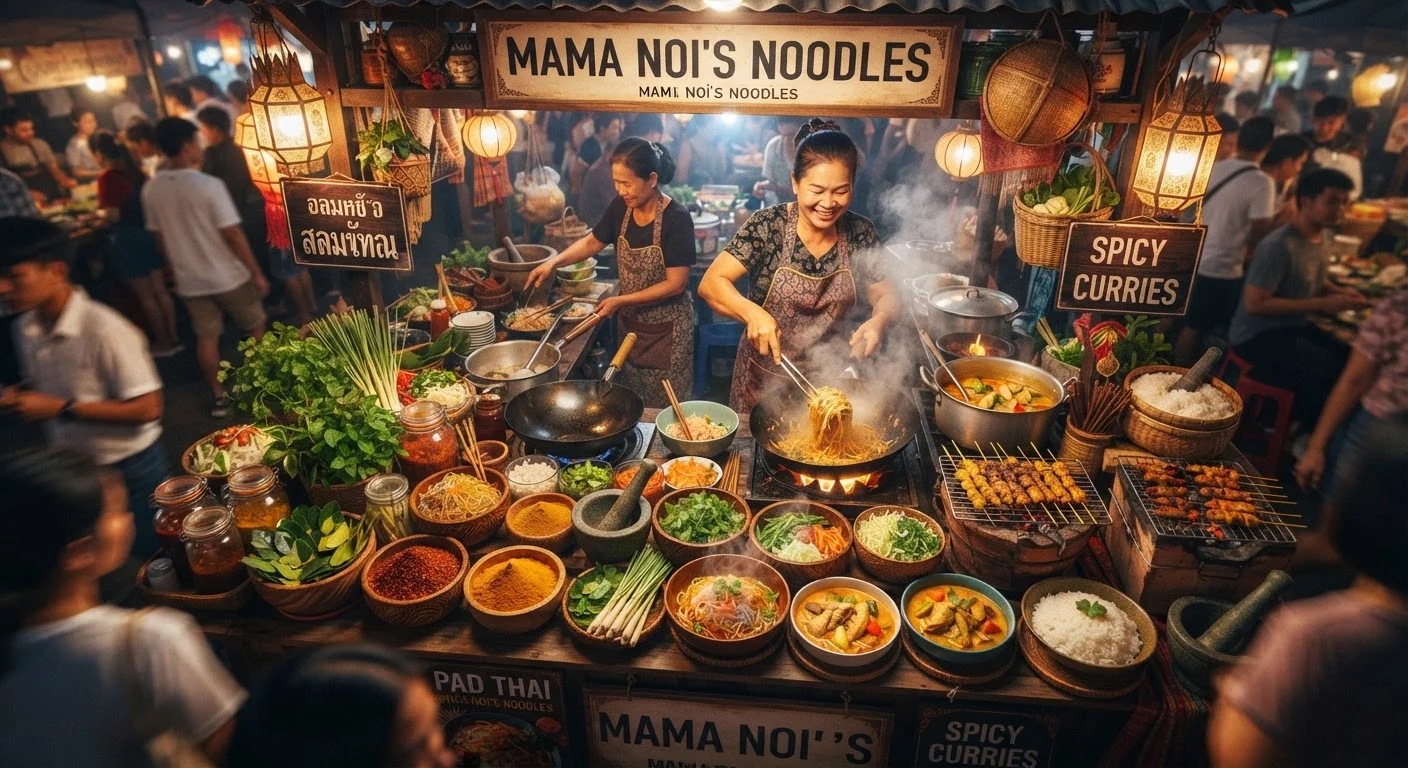
Food markets are living ethnographies: they show you what people actually buy, how they interact with vendors, what's affordable versus celebratory, and what ingredients underpin everyday cooking. Spending time observing before purchasing reframes a market visit from a transaction into a cultural encounter.
Approach dietary restrictions with flexibility and communication
Strict dietary requirements are worth communicating clearly, but rigid inflexibility in unfamiliar food cultures can close doors unnecessarily. Where safety and health allow, approaching unfamiliar ingredients with openness rather than suspicion tends to produce richer experiences and more generous hospitality.
Record what you eat and learn - not just for social media, but for yourself
Keeping a simple food journal - the name of a dish, where you had it, what made it distinctive - transforms a series of pleasurable meals into a coherent cultural narrative you can revisit long after returning home. It also helps you ask sharper questions as your palate and knowledge develop across a trip.
Before You Arrive: Do the Homework
Understanding a place's food culture starts before you board the plane. Learning which dishes are ceremonial versus everyday, which ingredients carry religious significance, or which foods are seasonally specific gives you a meaningful framework upon arrival. This kind of advance research - the same kind covered in depth in our guide on researching a destination thoroughly before you book - pays dividends the moment you sit down at your first meal.
Knowing, for instance, that sharing plates is customary in many Middle Eastern and East Asian dining traditions, or that refusing food in certain cultures can be read as an insult, shapes how you show up at the table. It's not about memorizing rules - it's about arriving with enough awareness to be genuinely respectful.
70%
Travelers who prioritize food experiences
According to tourism research cited by the World Food Travel Association, roughly 70% of travelers consider trying local food an important part of any trip.
3x
More money retained locally at small food vendors
Studies on tourism economics consistently find that spending at locally owned food stalls and restaurants keeps a significantly larger share of revenue within host communities compared to international chain operations.
Culinary travel also connects naturally to other forms of cultural immersion. Pairing food exploration with neighborhood immersion - eating where residents eat rather than where tourists congregate - tends to produce the most authentic and memorable experiences.
Eating Responsibly and Ethically on the Road
Culinary travel carries responsibilities beyond dietary preferences. The same principles of respect and ethical engagement that apply to indigenous cultural experiences extend to food: whose recipes are being shared, who benefits from the transaction, and whether the encounter is rooted in genuine exchange or extraction.
Favoring family-run stalls over tourist-facing operations, learning a few words in the local language before ordering, and treating street vendors with the same consideration you'd extend to any professional - these small acts accumulate into a very different kind of travel. They signal that you're there to understand, not just consume.
Food can also serve as a gateway into wider cultural discovery. Markets and cultural festivals often overlap, and seasonal eating frequently maps onto a region's most important celebrations. When you ask questions - politely and with genuine curiosity - locals often become the most generous guides imaginable.
When in Doubt, Eat What Everyone Else Is Eating
At a busy market or street food strip, look for the stall with the longest queue of locals, not the one with the most prominent English signage. High turnover means fresher ingredients, and local patronage is usually the most reliable quality signal available to a visiting traveler. Trust the crowd - they know the kitchen.